
Walnut Vanity with Mirror
A walnut vanity with mirror brings rich grain and practical glass to the bedroom, spanning compact table mirrors to grand pedestal dressing tables.
Walnut Vanity with Mirror
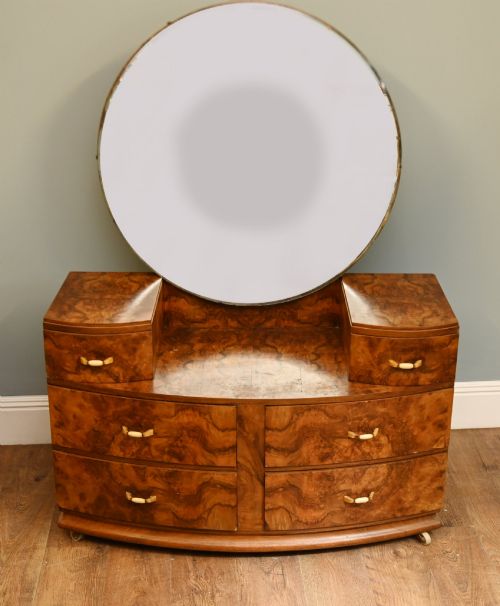
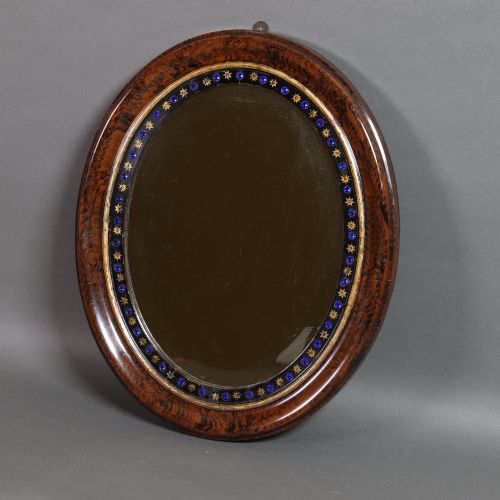
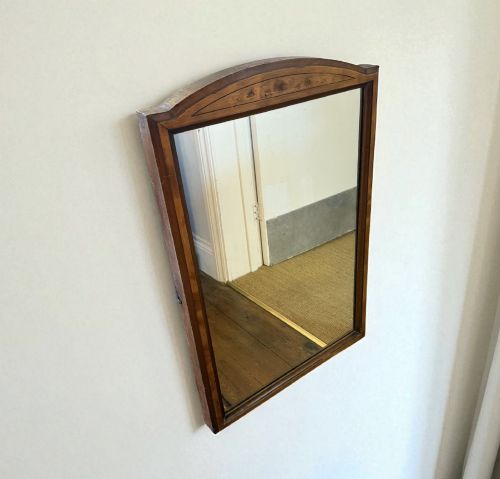
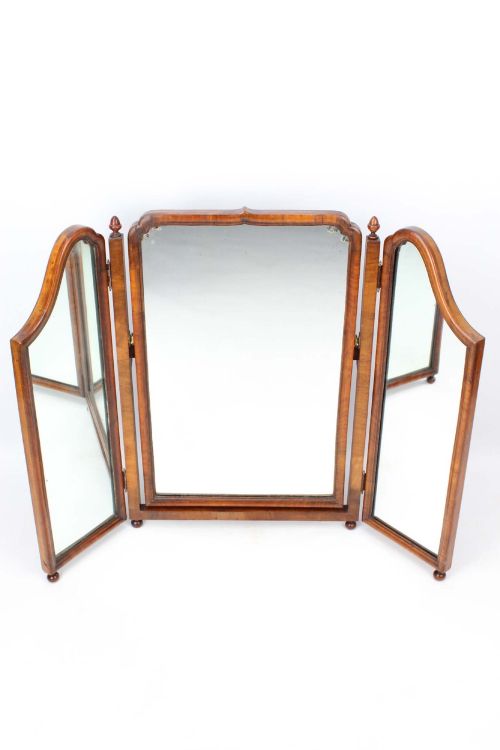
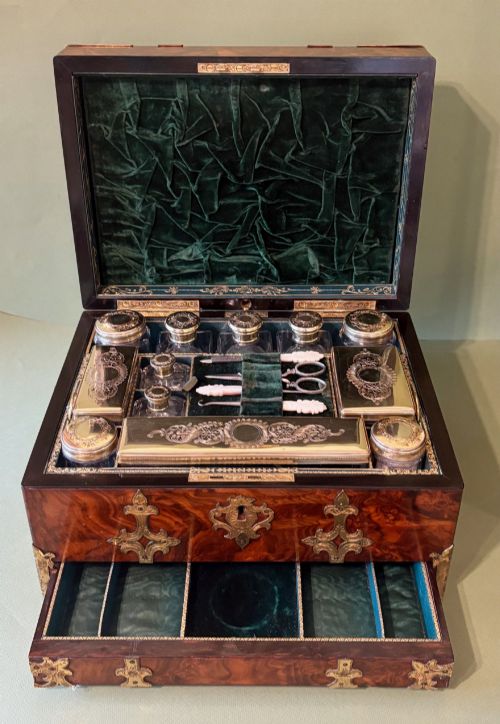
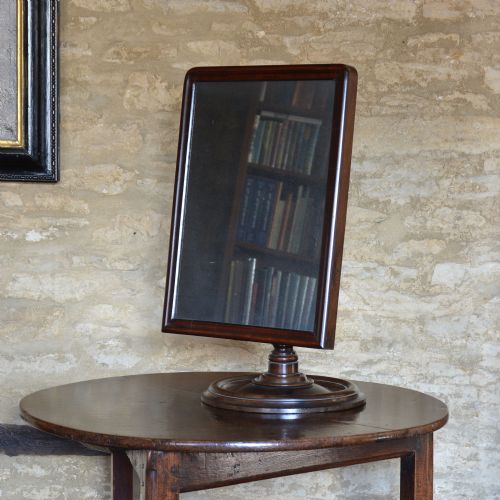
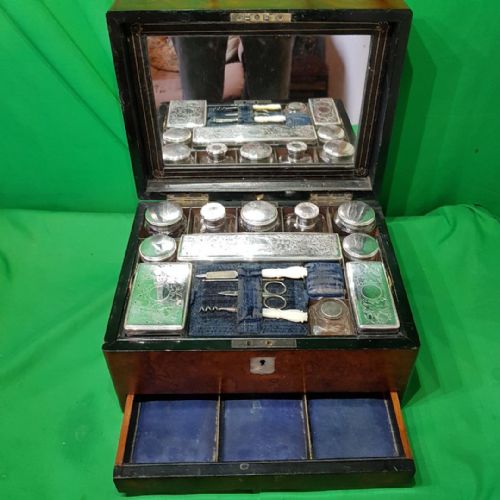
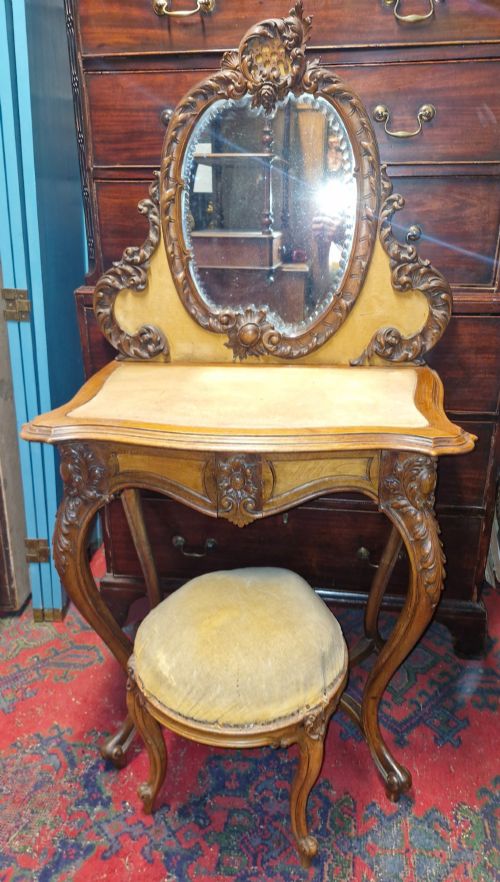
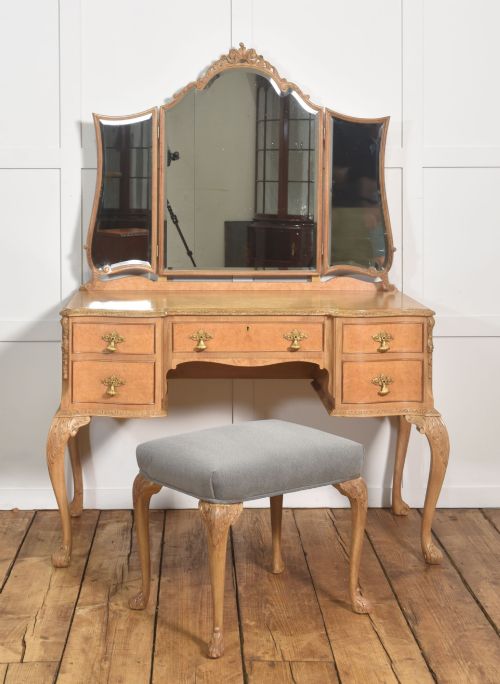
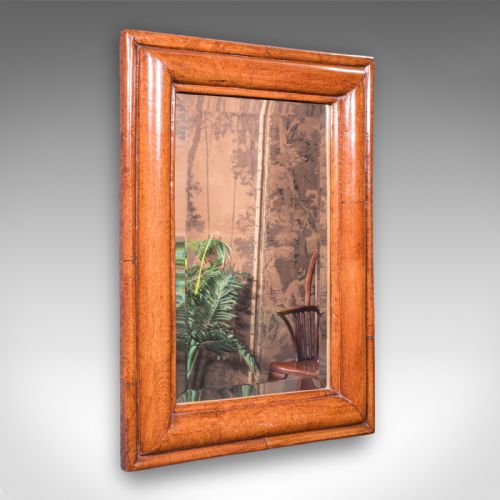
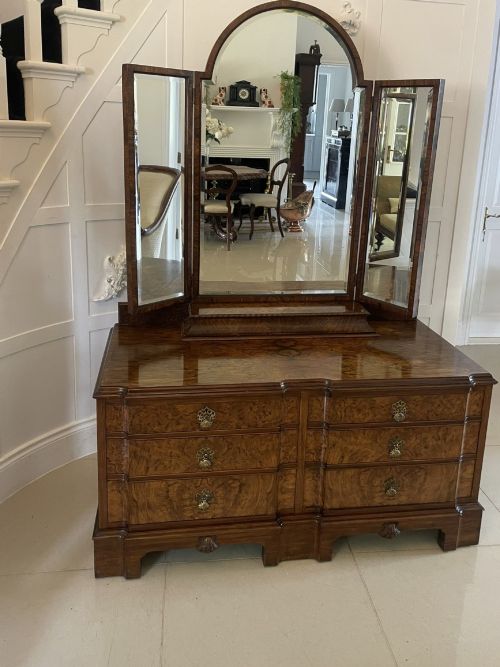
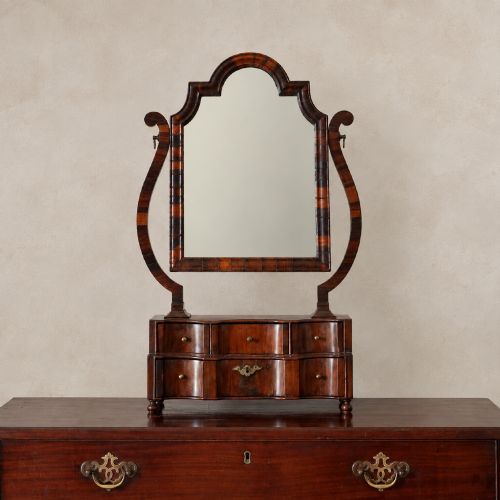
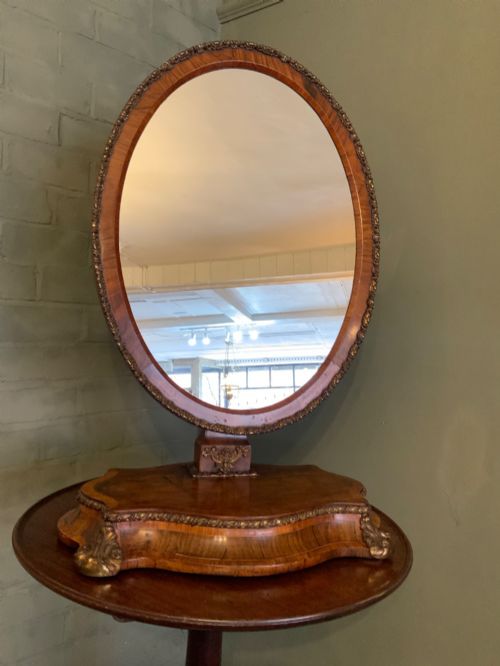
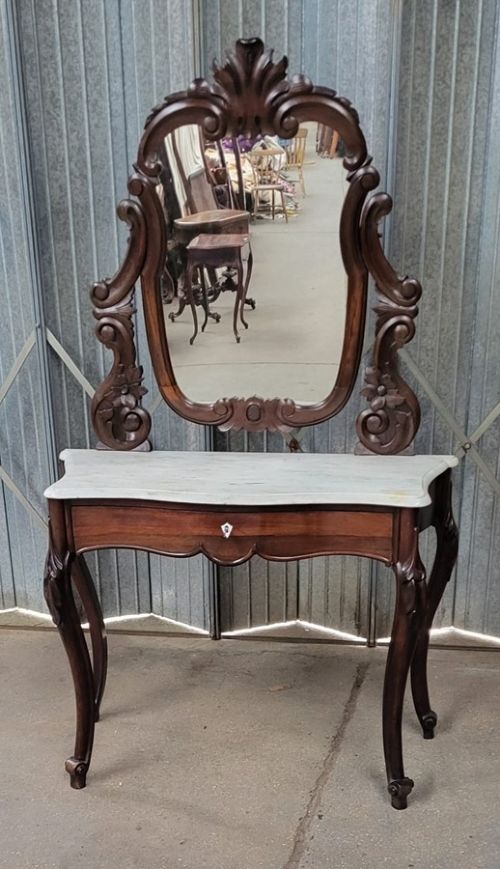
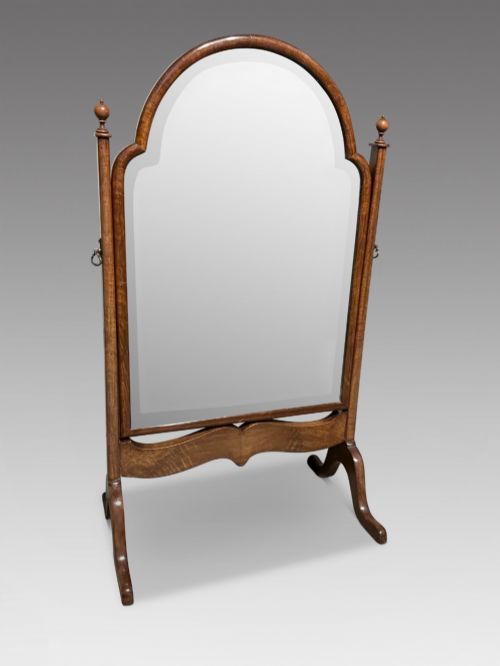
When you search for a walnut vanity with mirror, you encounter pieces ranging from small eighteenth century toilet mirrors to substantial Victorian and Art Deco dressing tables. The form evolves from simple table mirrors with trinket drawers to large pedestal pieces and console tables fitted with swing or triple mirrors.
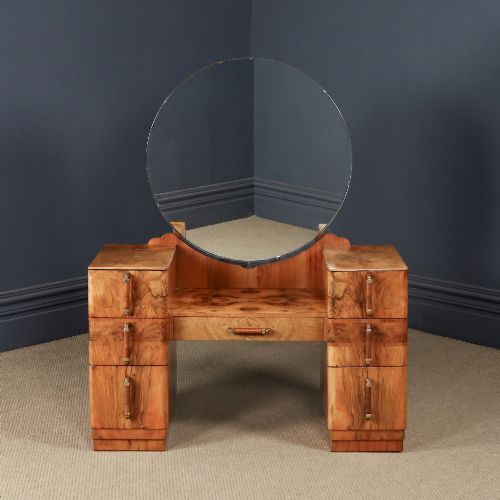
You are most likely to meet Victorian burr walnut dressing tables and Art Deco pedestal pieces on this page. Earlier examples from the eighteenth century focus primarily on the adjustable toilet mirror resting on small drawer bases, whilst later twentieth century items often incorporate matching stools and integrated lighting.
The materials span solid walnut and burr walnut veneers combined with glass mirrors, brass hardware, and occasional fabric or marble elements. These objects serve the traditional function of personal grooming whilst displaying the decorative qualities of figured wood.
Materials and construction methods
Cabinet makers utilise solid walnut and decorative veneers such as burr walnut and laburnum over secondary woods. Veneers are carefully matched and laid to create symmetrical patterns across drawer fronts and mirror frames, highlighting the natural figure of the timber.
Mirror glass is hand-silvered in older examples and framed within pivoting wooden surrounds supported by upright standards. Brass hinges, handles, and swing screw mechanisms allow the glass to tilt whilst dovetail joints secure the construction of drawers and boxes.
Listings span the eighteenth century to the 1930s, showcasing periods from Georgian and Victorian to Art Deco.
Distinctions in craftsmanship and preservation
The standard of a walnut vanity with mirror rests upon the selection of the timber veneer and the precision of the cabinet work. Finer pieces display uninterrupted, highly figured burr walnut across large surfaces with tight dovetailing on drawer linings and original brass hardware.
Preservation of the glass and the stability of the mirror frame also distinguish superior items. Pieces retaining their original mercury or early silvered glass plates alongside sound structural framing command greater appreciation than those with replaced components.
Maurice Adams
The Walnut Vanity with Mirror Glossary
- Burr walnut
- A veneer sliced from the knotty growth of a walnut tree, producing a swirling, highly decorative grain pattern. It appears frequently on high status Victorian and Art Deco pieces.
- Toilet mirror
- A small mirror mounted on a box base containing small drawers, designed to sit on top of a chest of drawers or dressing table. These date widely from the eighteenth century onwards.
- Duchess dressing table
- A large Victorian dressing table featuring a large central swing mirror flanked by smaller trinket drawers or shelves. The style emphasises elaborate scrollwork and burr veneers.
- Kneehole dressing chest
- A form featuring a central recess for the user's legs, flanked by pedestals of stacked drawers. This layout provides symmetrical storage whilst maintaining a compact footprint.
- Pedestal dressing table
- A substantial piece with two banks of drawers supporting the main table surface and mirror. They emerge strongly in Art Deco designs with streamlined curves.
Walnut Vanity with Mirror: Frequently Asked Questions
How do I date an older walnut mirror?
Dating relies upon examining the construction techniques of the drawer boxes, the thickness of the mirror glass, and the style of the supporting uprights. Eighteenth century examples usually feature hand cut dovetails and simple brass adjustment screws.
Later Victorian and Edwardian pieces incorporate machine cut elements, different backboard fixings, and distinct stylistic revivals like Queen Anne or Aesthetic movement details.
Are the mirror plates original on these pieces?
Many surviving pieces retain their original glass, which often exhibits minor foxing, dark spots, or slight distortion due to age. Original plates add authenticity to the antique.
Replacement glass appears clean and perfectly uniform without the characteristic imperfections found in hand silvered historical mirrors.
How do I care for walnut veneer?
Walnut veneer requires protection from direct sunlight and extreme humidity fluctuations to prevent the wood from fading and the glue underneath from failing. Dusting with a dry, soft cloth maintains the finish.
Avoid commercial silicone sprays and excessive moisture, using only specialist furniture wax sparingly when the timber appears dry.
What is the difference between a toilet mirror and a dressing table?
A toilet mirror is a portable tabletop accessory consisting of a glass plate and small drawers designed to sit on a separate chest or table. They dominate eighteenth century listings.
A dressing table is a complete, floor standing item of furniture featuring an integrated surface, drawers, and a fixed or attached mirror.