

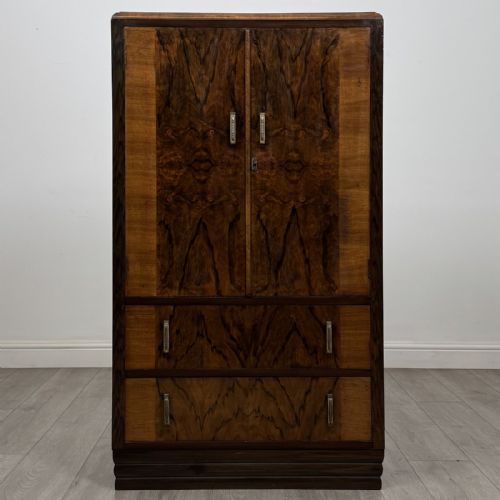
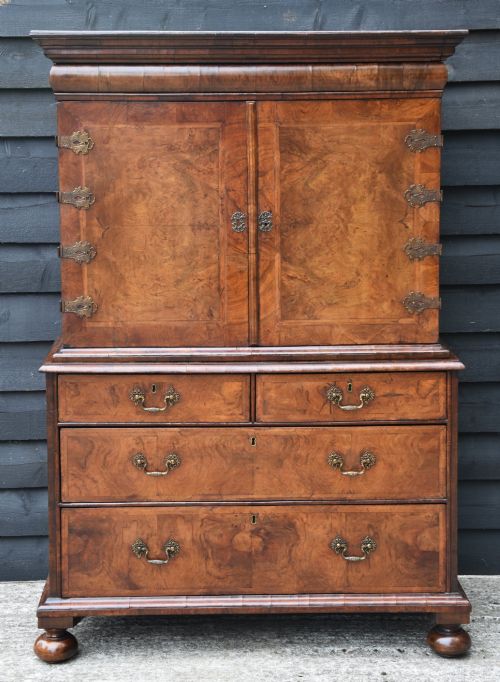
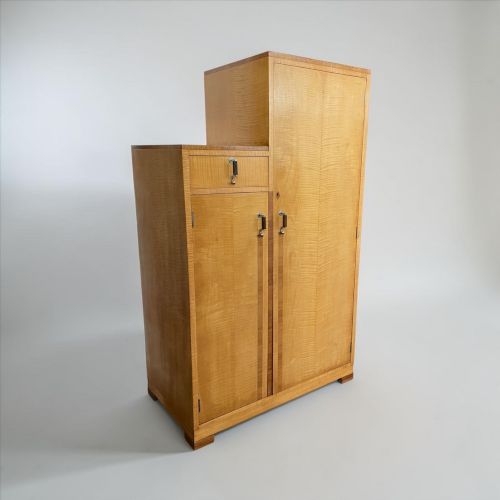
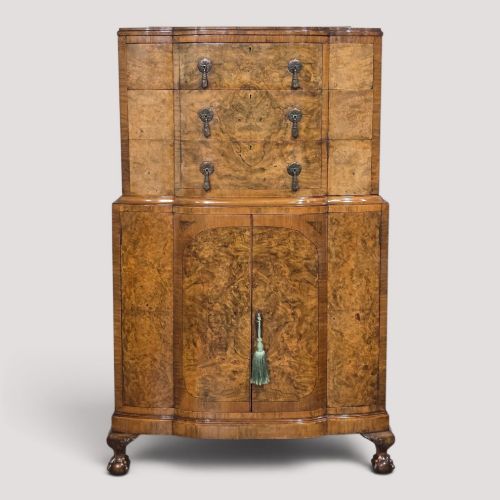

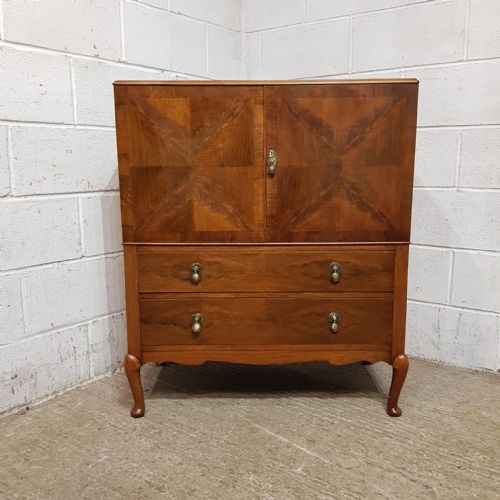
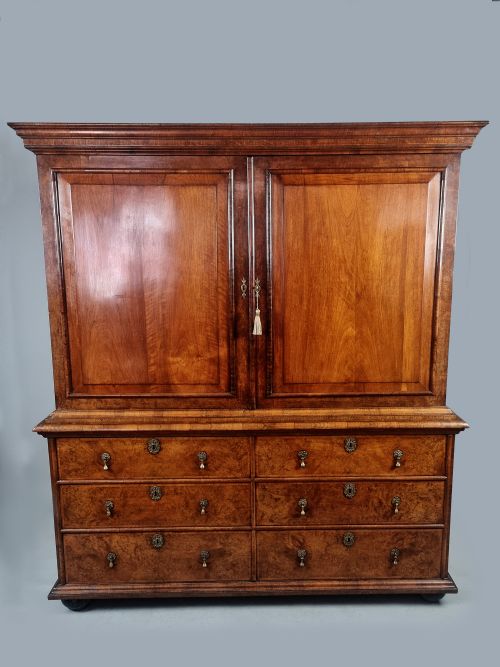
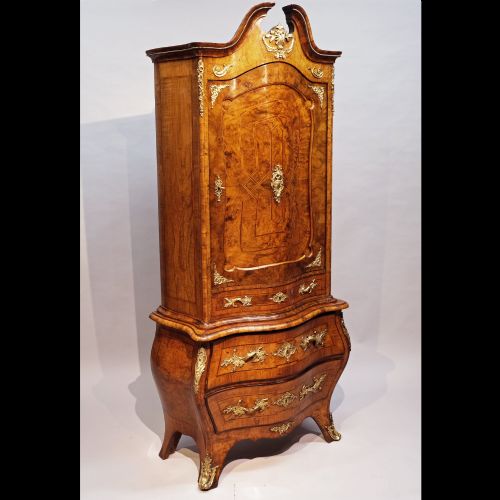
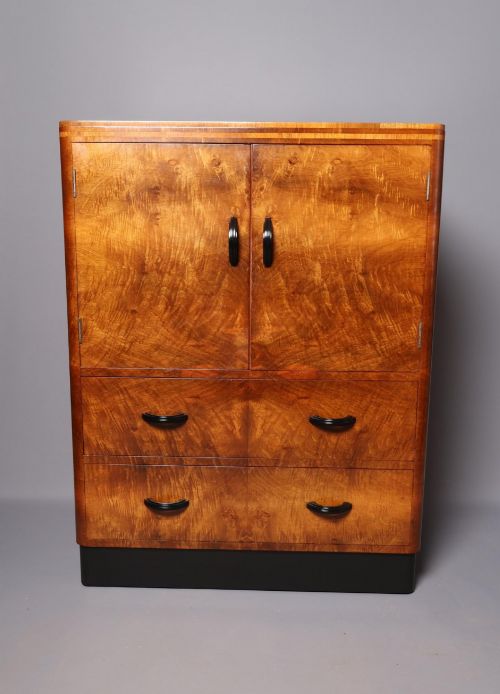


Walnut Tallboy Wardrobe
A walnut tallboy wardrobe offers substantial vertical storage combined with rich timber figures, uniting practical capacity with classic presence.
Walnut Tallboy Wardrobe
A walnut tallboy wardrobe provides elevated storage by stacking drawers or enclosing hanging space within a tall, commanding carcass. When you search for walnut tallboy wardrobe, you encounter forms that merge the taller proportions of a tallboy with the clothing capacity of a wardrobe or linen press.
The pieces appearing on this page span several centuries and design movements, from eighteenth-century press cupboards and Georgian cabinets on chests to Art Deco compactums and twentieth-century burr walnut examples. You are most likely to meet twentieth-century Art Deco tallboys or nineteen-twenties burr walnut pieces alongside earlier eighteenth-century prototypes.
Makers and regional workshops from Edinburgh to the Netherlands contribute distinct regional interpretations to these forms, utilising local veneering traditions and specific internal configurations. Each iteration reflects the changing demands for domestic linen and garment storage across different eras.
Materials and construction
Cabinet makers constructed these carcasses using primary timbers of walnut, burr walnut, and figured walnut, often supported by secondary woods such as oak and fruitwood. The distinctive mottled grain patterns characteristic of burr walnut come from growths on the tree, sliced into thin veneers and applied symmetrically across the drawer fronts and doors.
Traditional joinery relies on dovetail joints for drawer construction and pegged mortise and tenon frames for the main body. Brass handles, escutcheons, ormolu mounts, and occasionally bakelite details provide functional hardware accents that complement the dark tones of the wood.
Walnut Tallboy Wardrobe Retail Price Guide 2026
Typical asking prices for walnut tallboy wardrobe among the pieces listed under this phrase on Sellingantiques today, from the lower quarter to the upper quarter. They describe what is for sale here now, not the wider market.
Early Dutch cabinet makers occasionally hid secret compartments inside press cupboards for safeguarding family currency and small valuables.
Evaluating craftsmanship and condition
The standard of a walnut tallboy wardrobe rests primarily on the quality and matching of the veneer selection across the primary surfaces. Superior examples display continuous, book-matched grain patterns that flow evenly across multiple drawers and doors, whereas lesser pieces show mismatched sections or heavy patching.
Structural integrity and the survival of original surface finishes determine the standing of individual pieces. Refinishing can obscure the warm patina built up on eighteenth-century surfaces, while untouched examples retain the subtle sheen developed through generations of polishing.
Heal's·Whytock & Reid of Edinburgh
The Walnut Tallboy Wardrobe Glossary
- Tallboy
- A tall chest of drawers standing upon another chest or a separate stand. This form maximises vertical storage capacity while occupying a relatively small floor footprint.
- Compactum
- A fitted wardrobe combining hanging space, shelves, and internal drawers within a single unified cabinet. These pieces offer multifaceted storage solutions for personal apparel.
- Linen Press
- A tall cupboard traditionally used for storing folded linens and garments on internal sliding trays or shelves. Upper sections often enclose shallow trays above deeper base drawers.
- Burr Walnut
- Timber taken from the wart-like growth on a walnut tree, producing highly figured, swirling grain patterns. Cabinet makers prized this material for decorative veneering on prominent surfaces.
- Marquetry
- The art of applying pieces of veneer to a structure to form decorative patterns and pictures. Dutch examples frequently employ floral inlay techniques using various exotic woods.
Walnut Tallboy Wardrobe: Frequently Asked Questions
How do I date a walnut tallboy?
Dating relies on examining construction methods, hardware types, and timber preparations visible on the piece. Eighteenth-century examples feature hand-cut dovetails and solid timber carcases, while twentieth-century versions often use mechanical construction and applied burr veneers.
Stylistic cues also provide clear chronological markers. Queen Anne and Georgian pieces display distinct cornices and bracket feet, whereas Art Deco tallboys utilise geometric lines and streamlined waterfall edges.
Where should I place a tallboy in my room?
A tallboy requires a wall space with sufficient vertical clearance to accommodate its height without overpowering smaller rooms. Placing the cabinet away from direct sunlight protects the sensitive walnut veneers from fading.
Ensure the floor is level so the heavy timber doors hang straight and close evenly. Adequate clearance is also necessary to open side-hinged doors fully when internal trays or drawers are pulled out.
What is the difference between a tallboy and a compactum?
A traditional tallboy consists primarily of stacked horizontal drawers designed for folded clothing. A compactum integrates varied internal compartments, including hanging rails, small drawers, and shelving behind doors.
Both forms provide tall storage solutions, but the compactum specifically addresses the need for hanging garments alongside folded items. Surviving examples from the twentieth century frequently adopt the compactum designation for multi-use bedroom furniture.
How do I care for walnut veneer?
Maintain walnut surfaces by dusting regularly with a soft, dry cloth and avoiding silicone-based polishes. Occasional application of a quality beeswax preserves the moisture and natural sheen of the timber.
Keep the piece away from radiators and extreme humidity fluctuations to prevent the delicate burr veneers from lifting or cracking. Stable indoor climates ensure the wooden carcase retains its structural stability.