



Walnut Sofa End Table
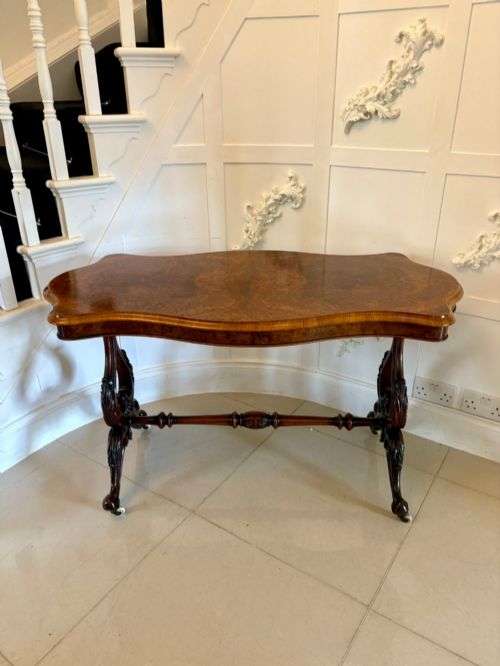
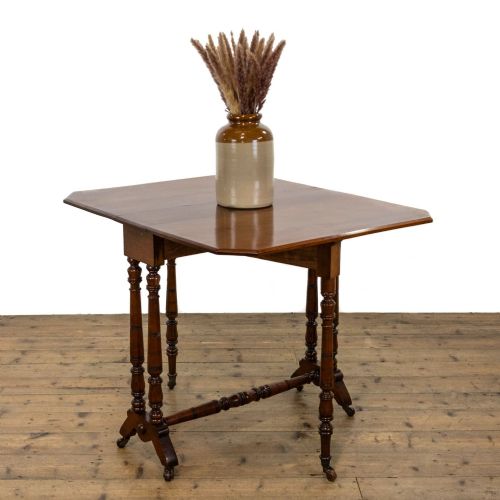
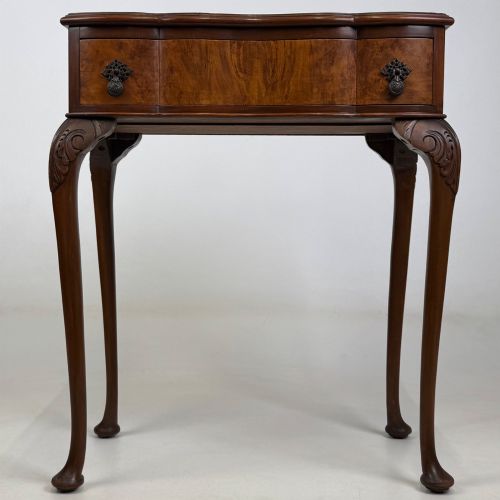
These walnut sofa end table pieces combine rich grain and practical surface area, offering a compact spot for lamps and books beside a seat.
Walnut Sofa End Table
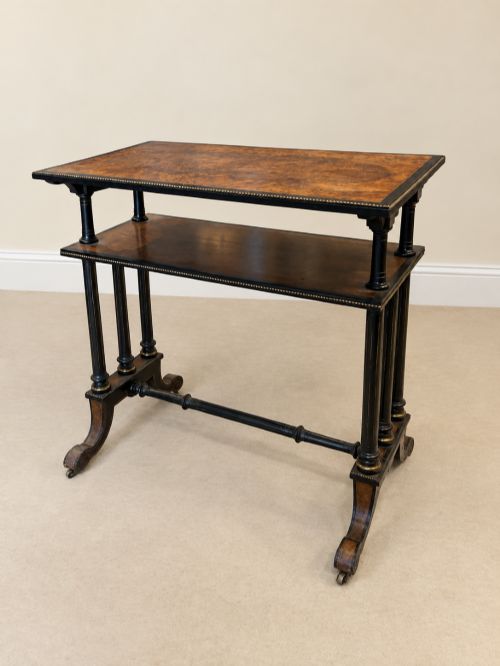
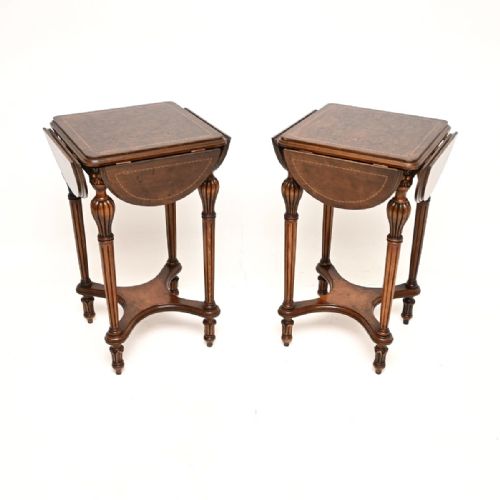
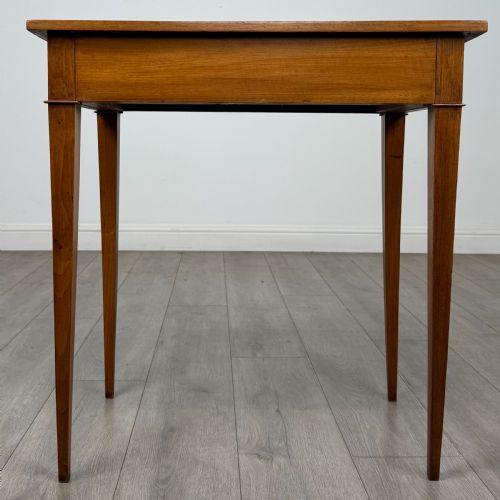
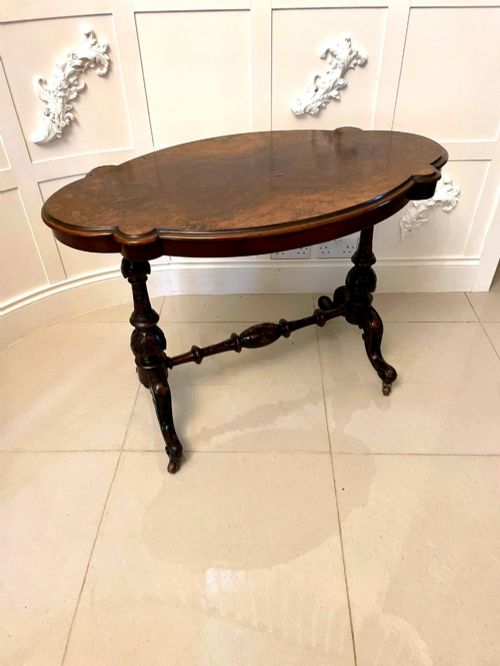
A walnut sofa end table provides a functional surface positioned beside seating, appearing across periods from Victorian examples to Art Deco designs. These pieces function as side tables, occasional tables, or compact console tables designed to sit neatly within a room.
The selections available here span from mid nineteenth century Victorian pieces through Edwardian items to nineteen thirties Art Deco forms. Buyers will encounter varied formats including dropleaf sofa tables, multi-tiered occasional tables, and stretcher tables.
Materials and construction
Construction relies heavily on solid walnut and burr walnut veneer, chosen for rich figuring and deep grain patterns. Brass and ceramic details appear alongside marble tops on specific pieces.
Joinery methods reflect the manufacturing traditions of each era, ranging from nineteenth century cabinet making to twentieth century streamlined production.
Walnut Sofa End Table Retail Price Guide 2026
Typical asking prices for walnut sofa end table among the pieces listed under this phrase on Sellingantiques today, from the lower quarter to the upper quarter. They describe what is for sale here now, not the wider market.
The listings span from Georgian and Victorian eras through Edwardian designs to Art Deco pieces from nineteen thirty.
Quality and execution
The distinction between standard examples and superior pieces rests in the selection of burr walnut veneer and the crispness of timber turnings. Finer items display careful book-matching across the top surfaces and robust structural framing beneath.
Proportion and detailing separate basic functional furniture from pieces designed with elevated decorative ambition, visible in turned stretchers and integrated tier construction.
Gilbert Rohde
The Walnut Sofa End Table Glossary
- Burr walnut
- Timber cut from walnut tree growths that produces intricate, swirling grain patterns. It is frequently applied as a veneer across table tops to create decorative surfaces.
- Dropleaf
- A table design featuring hinged flaps on the sides that can be raised to extend the surface area or dropped down to save space. This mechanism appears frequently on sofa tables.
- Stretcher table
- A table featuring horizontal wooden bars connecting the legs for added stability. These supports can take simple straight forms or elaborate turned shapes.
- Occasional table
- A small, versatile table designed to be moved easily and used as needed within a room. These pieces serve multiple functions including lamp and side tables.
Walnut Sofa End Table: Frequently Asked Questions
What is a walnut sofa end table used for?
These tables provide a sturdy surface for lamps, drinks, and books immediately beside a sofa or armchair. Their compact footprint allows them to fit into tight spaces where larger furniture will not go.
They also function as decorative accents in hallways and reception rooms, displaying objects or holding everyday items within easy reach.
How do I identify Victorian examples?
Victorian pieces often feature darker walnut timbers, turned wooden legs, and traditional stretcher bases or drop leaves. Look for solid construction methods typical of the mid to late nineteenth century.
Decoration during this era frequently includes carved details and rich burr walnut veneers across the primary surfaces.
Are Art Deco tables very different?
Art Deco walnut sofa end tables embrace streamlined geometric forms, smooth polished surfaces, and tiered structures. They often date from around nineteen twenty to nineteen thirty and feature minimal carving in favour of clean architectural lines.
Makers from this period utilised highly figured burr walnut veneers to create visual impact through natural grain patterns rather than applied ornamentation.
How do I care for walnut veneer?
Keep walnut furniture away from direct sunlight and heat sources to prevent the wood from drying out and the veneer from lifting. Dust regularly with a soft, dry cloth and avoid harsh chemical cleaners.
Occasional application of appropriate furniture wax helps maintain the lustre and protects the polished surface over time.