
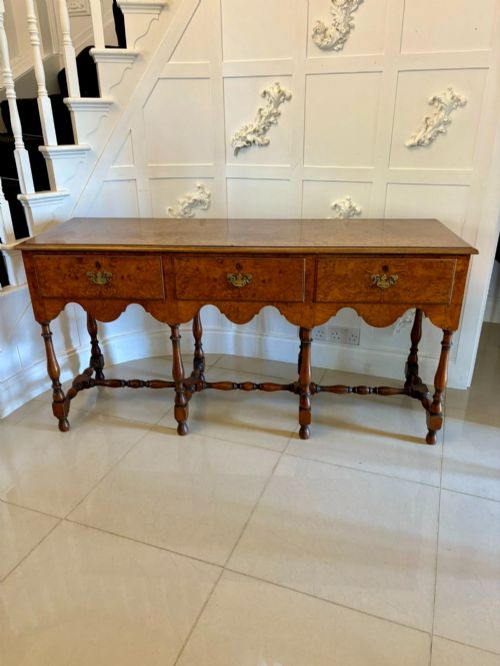
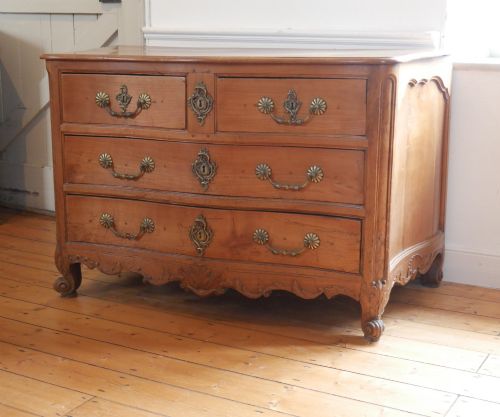
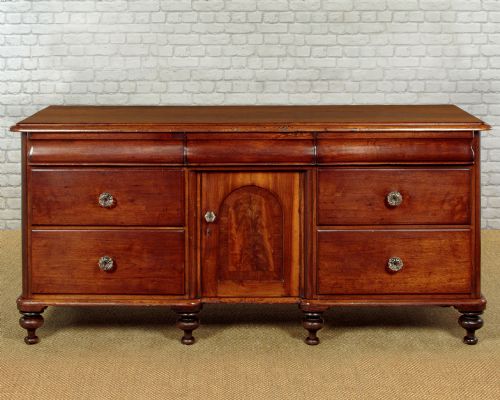
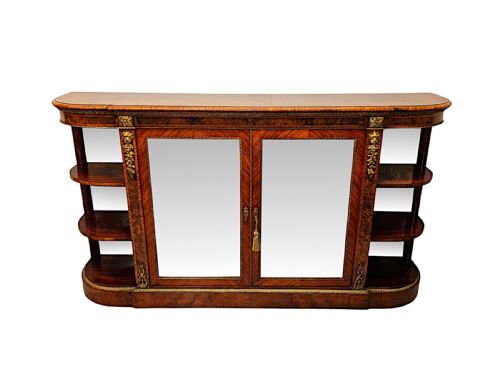
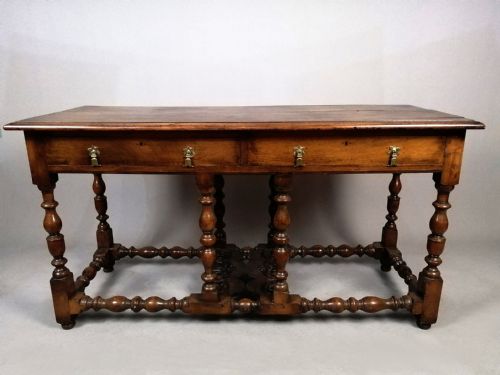
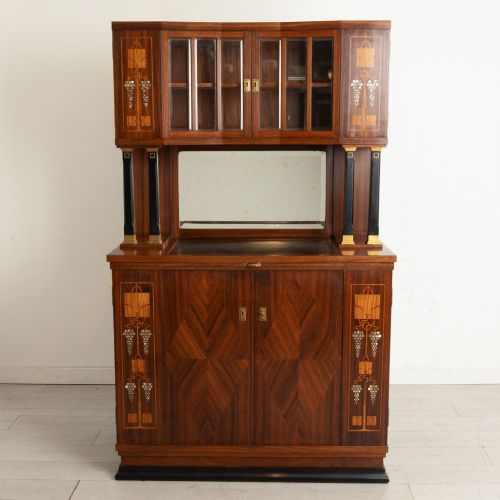
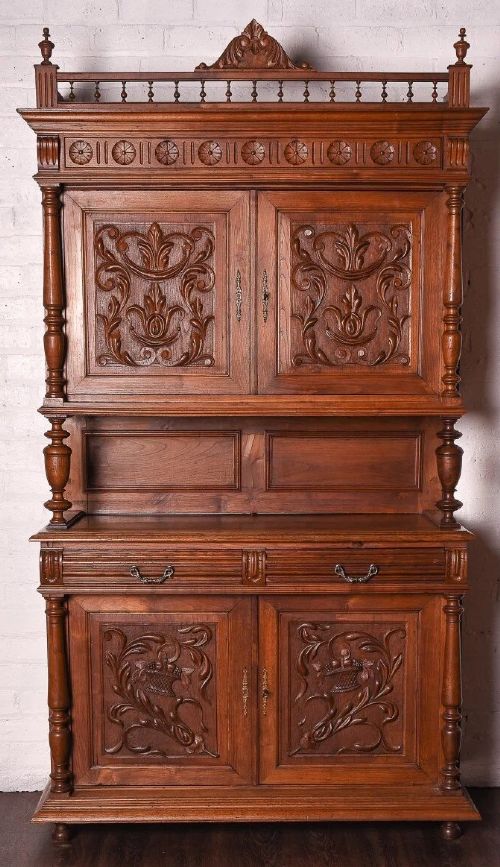
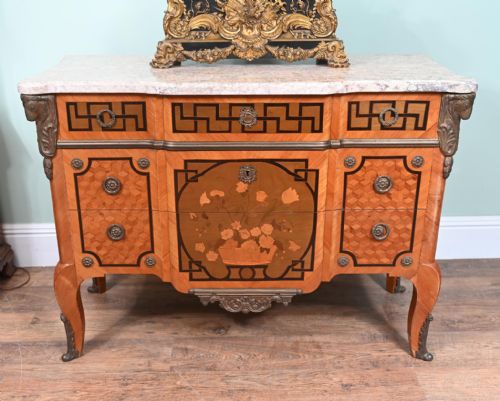

Walnut Sideboard Dresser
When you search for a walnut sideboard dresser, you are looking at substantial storage furniture built from richly figured timber to serve dining rooms and halls.
Walnut Sideboard Dresser
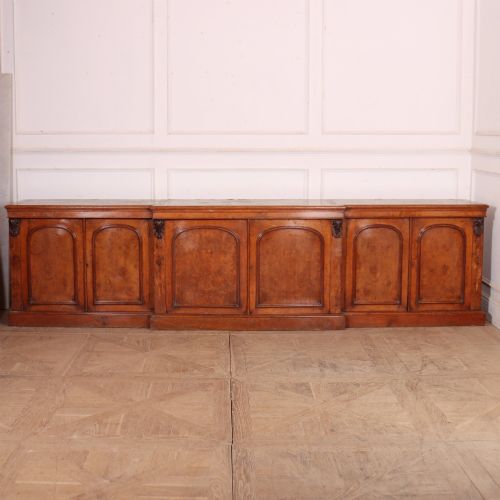
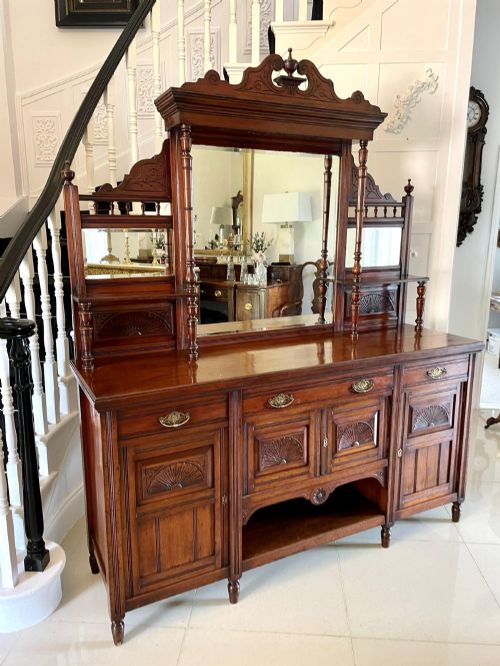
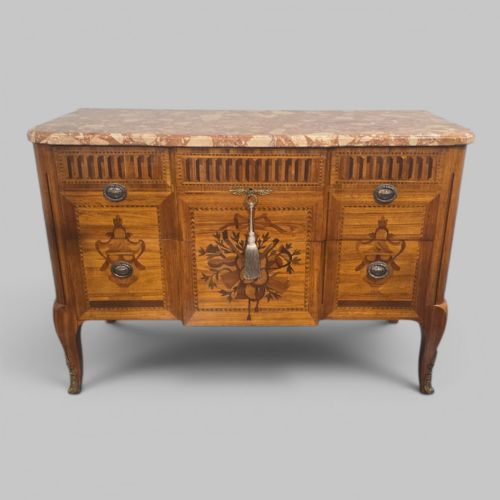
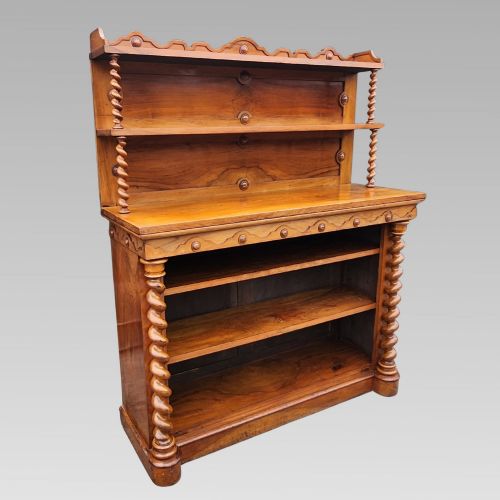
A walnut sideboard dresser combines timber storage with display or serving surfaces, drawing on Georgian, Victorian, and continental traditions. These forms range from low commodes and dresser bases to tall mirror-back sideboards and breakfront cabinets.
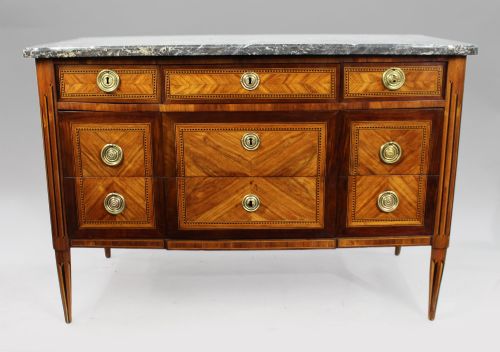
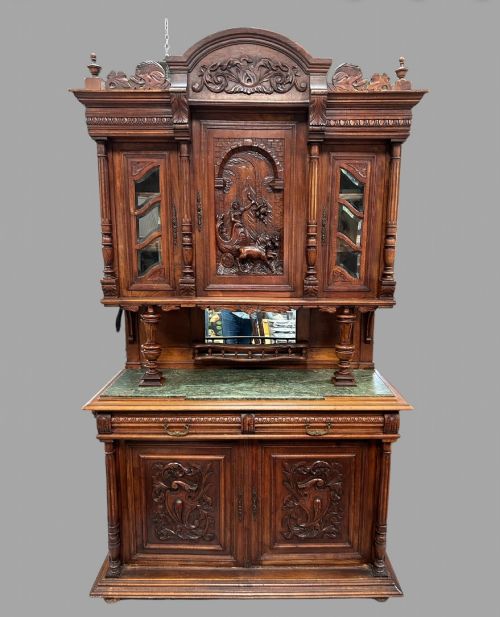
The pieces appearing most frequently on this page originate from the eighteenth, nineteenth, and early twentieth centuries, encompassing English country workshops and continental cabinet-makers. French provincial commodes and Victorian carved buffets dominate the selection.
Makers produced these functional items to anchor dining spaces or reception rooms, employing deep drawers, cupboards, and tiered shelving. Their surviving structures demonstrate diverse regional preferences in proportion and ornamentation.
How they were made
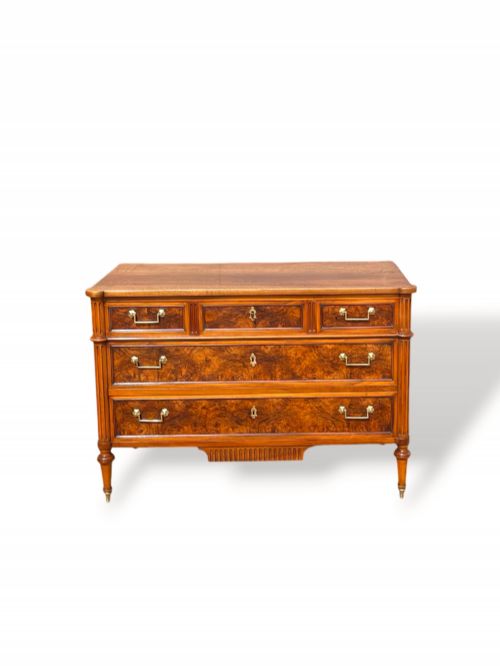
Cabinet-makers constructed carcass frames from solid woods such as oak or pine, then applied matched veneers of plain or burr walnut to visible exterior surfaces. Crossbanding and wood inlay created geometric borders across drawer fronts and top panels.
Workshops integrated cast brass handles, keyhole escutcheons, and occasional gilded ormolu mounts to accent doors and drawers. Heavier continental and Victorian items frequently incorporated fitted marble tops.
Carvers shaped structural details directly into solid walnut components, producing scrolling panels, fluted columns, and shaped aprons. Joinery relied on traditional dovetailing for drawers and mortise-and-tenon framing for structural carcasses.
Listings feature walnut, burr walnut, marble, glass, brass, and ormolu across eighteenth-century, Victorian, and twentieth-century periods.
What varies in quality
The selection of timber grain defines visual value, with highly figured burr walnut and symmetrical book-matched veneers commanding primary attention. Simpler straight-grained pieces present a quieter domestic character.
The precision of foundational joinery and the crispness of hand-carved ornamentation separate standard utility pieces from exceptional workshop commissions. Integrated hardware, original marble slabs, and stamped maker attributions elevate the standing of individual items.
Gillows·August Ungethüm·Hille of London·Bowman Brothers
The Walnut Sideboard Dresser Glossary
- Burr walnut
- A distinctive timber cut from tree growths containing clustered bud knots, producing swirling, highly decorative grain patterns. Cabinet-makers sliced this wood into thin veneers for prominent display surfaces.
- Ormolu
- Gilded bronze mounts applied to furniture corners, feet, and drawer aprons for decorative contrast. This technique gained widespread favour on grand continental commodes and cabinets.
- Commode
- A low standing chest of drawers or cabinet featuring two or more tiers of storage. French examples frequently incorporate serpentine or bombe contours.
- Crossbanding
- A decorative border technique where narrow strips of veneer are laid perpendicular to the grain of the main panel. This frames drawer fronts and table tops with contrasting timber tones.
- Dresser base
- A low serving sideboard or storage cabinet fitted with surface drawers above lower cupboards. These pieces evolved from utilitarian kitchen furniture into formal dining room furnishings.
Walnut Sideboard Dresser: Frequently Asked Questions
How do I clean a walnut sideboard dresser?
Dust surfaces regularly with a soft, dry cloth to prevent grit accumulation on the delicate timber veneer.
Apply high-quality beeswax periodically to nourish the walnut and maintain its natural sheen without sealing the wood.
Can I place a marble top piece in a dining room?
Marble-topped commodes and sideboards provide durable, heat-resistant surfaces that suit serving food and displaying tableware during gatherings.
Ensure heavy items are distributed evenly to protect the stone slab and its supporting wooden frame from undue stress.
Where should I position a large mirror back sideboard?
Position the piece against a sturdy wall in a dining room or spacious hallway where the height and reflection enhance natural light.
Keep the timber away from direct sunlight and heat sources to prevent the burr walnut veneers from drying or splitting over time.
How do I distinguish eighteenth-century pieces from Victorian revivals?
Examine the internal drawer construction, timber choice, and secondary woods like oak or pine for clues regarding regional working methods and period technology.
Eigteenth-century items often display hand-sawn timber marks and simpler proportions, whereas Victorian revivals frequently incorporate heavier machine-cut elements and exuberant carving styles.