


Walnut Serpentine Storage
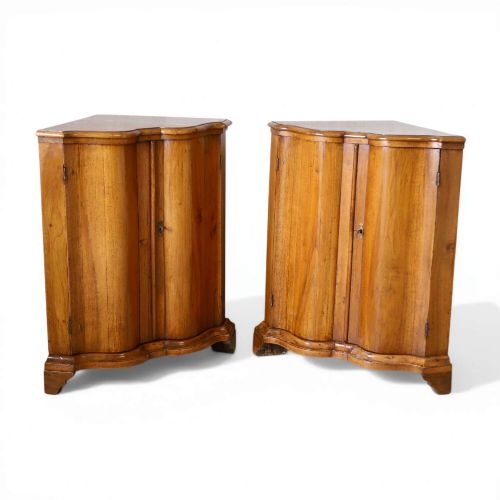
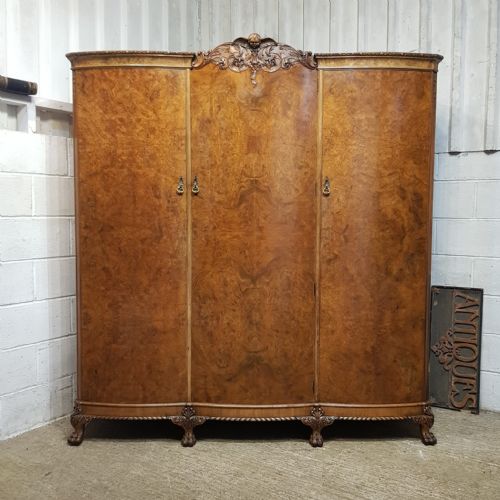
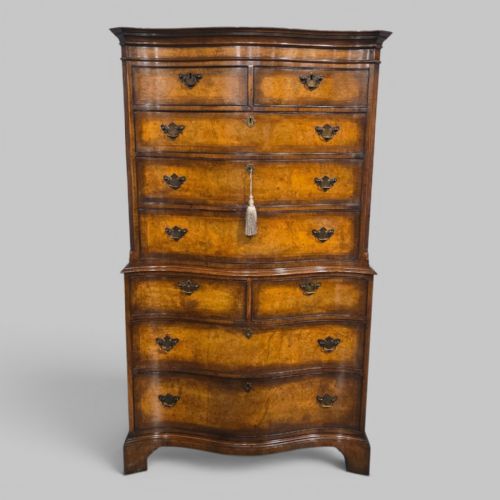
Walnut serpentine storage pieces combine sweeping curves with rich timber figure, offering both practical containment and visual presence.
Walnut Serpentine Storage
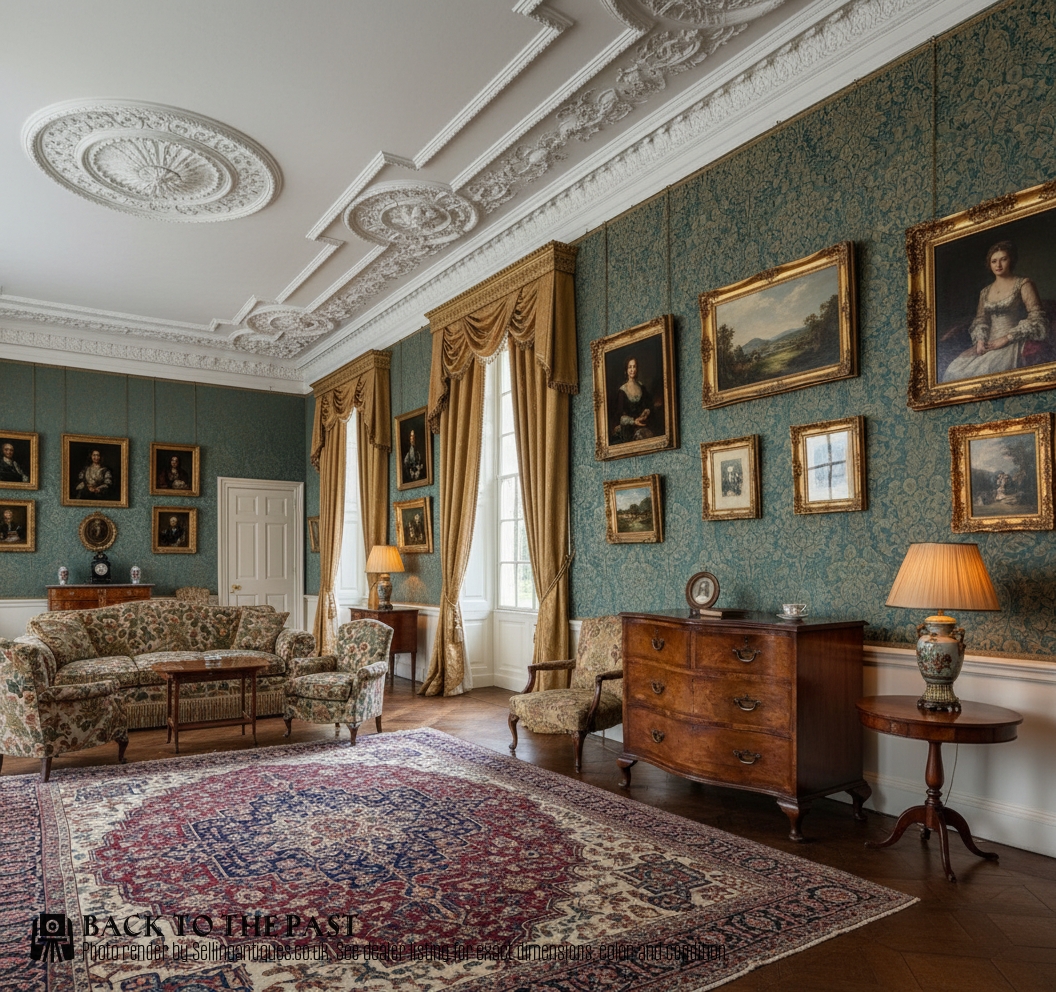
Walnut serpentine storage encompasses pieces built with undulating fronts, spanning chests of drawers, commodes, side cabinets, and credenzas. These forms emerge across several eras, including the eighteenth century and subsequent revival periods like the Edwardian years and the nineteen-twenties.
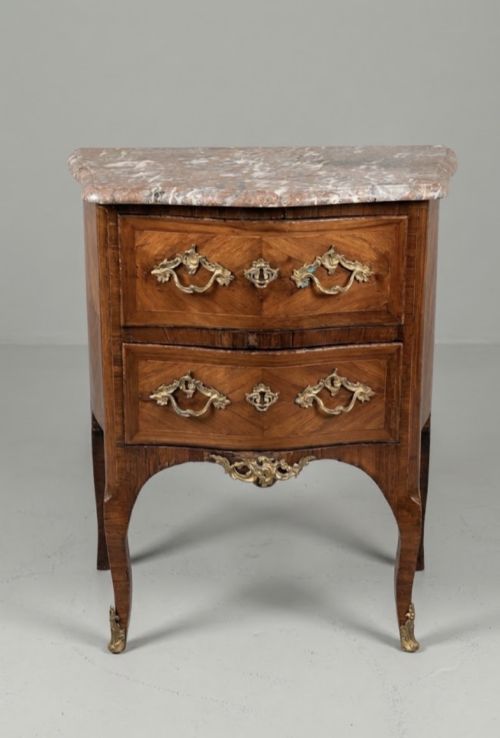
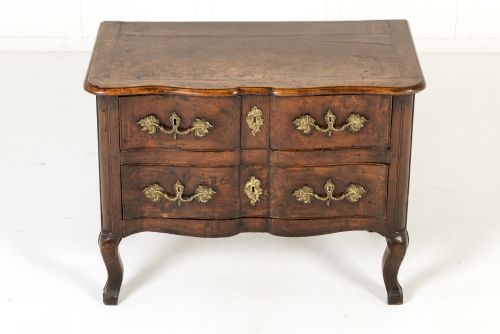
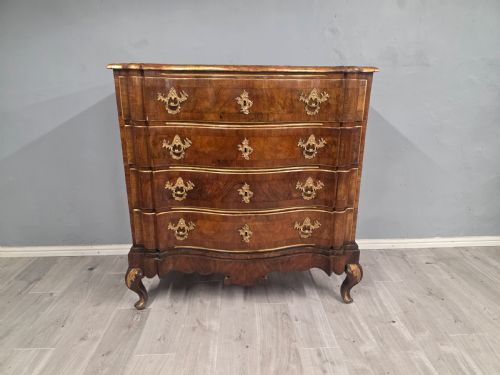
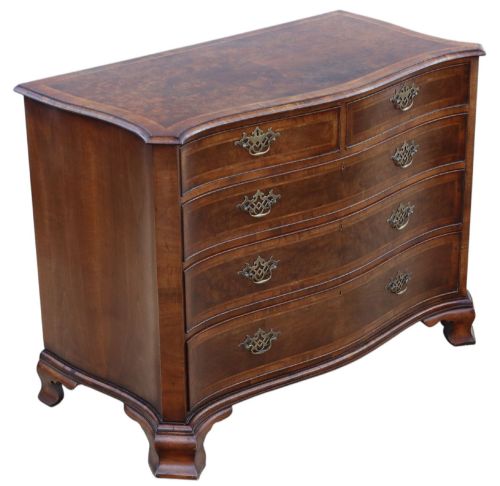
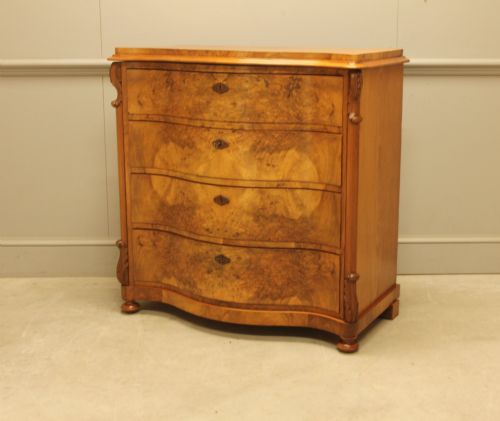
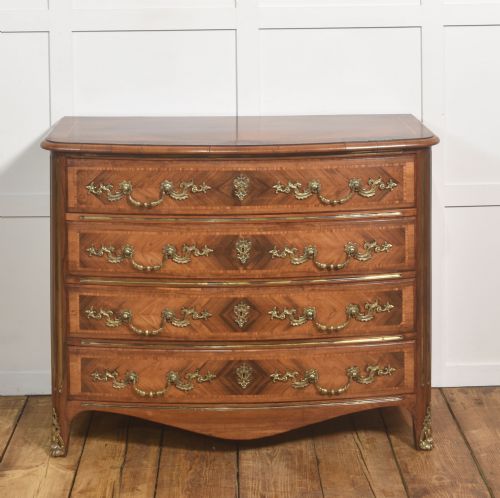
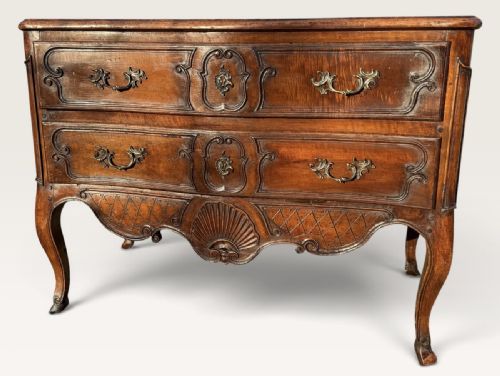
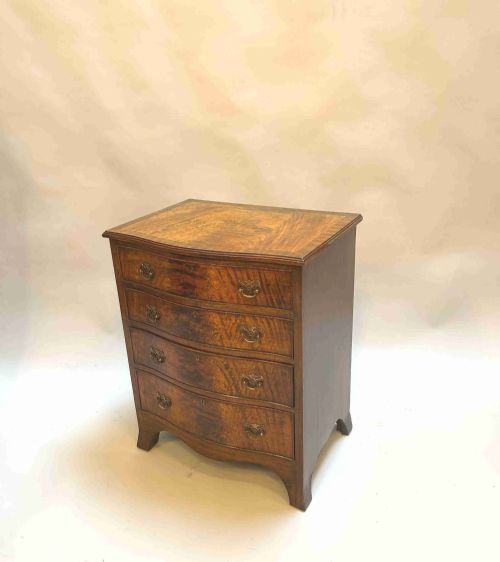
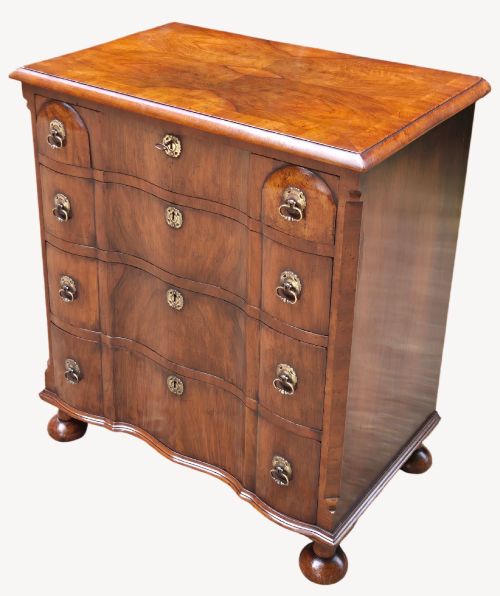
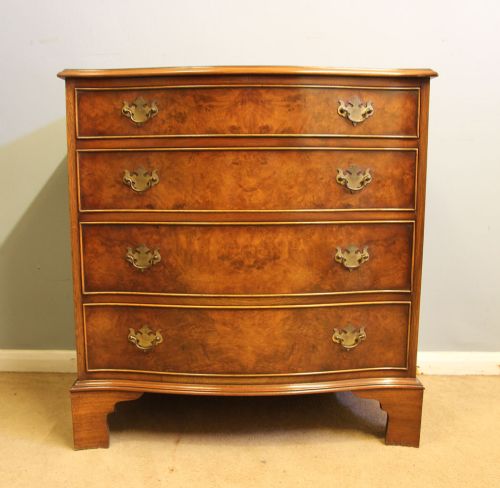
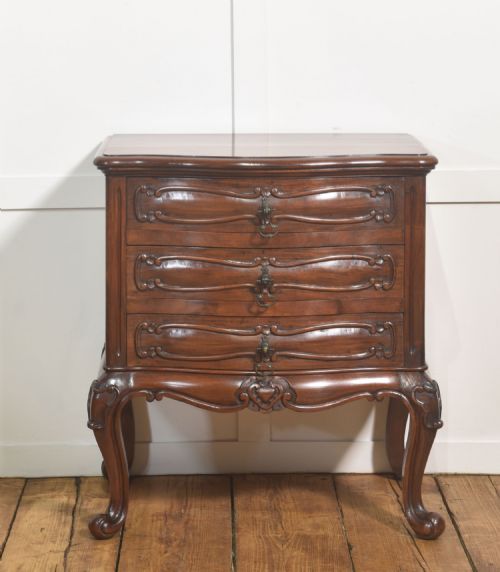
The dominant pieces encountered are chests of drawers and commodes featuring the characteristic double-curved serpentine profile. Examples range from compact provincial items to grander creations influenced by French Louis XV styles and Georgian revival designs.
How they were made
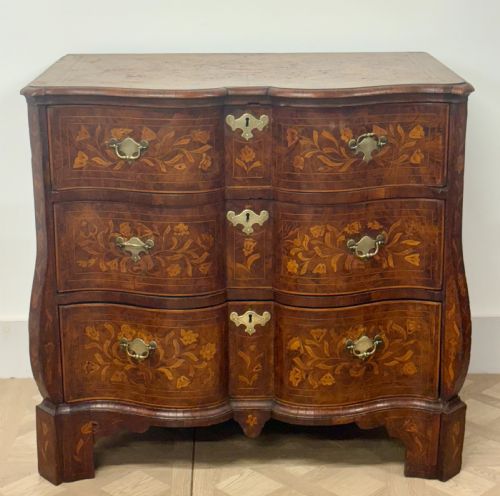
Cabinet makers utilised solid timbers and applied veneers, selecting burr walnut for its complex, swirling grain patterns. Crossbanding and marquetry details were frequently added to enhance the decorative surface of the curved drawer fronts and tops.
Structural integrity relied on dense foundational woods like oak, whilst decorative mounts in brass, ormolu, and inset marble tops appeared on high-status commodes and credenzas. Joinery accommodated the movement of wood across the challenging serpentine contours.
Walnut Serpentine Storage Retail Price Guide 2026
Typical asking prices for walnut serpentine storage among the pieces listed under this phrase on Sellingantiques today, from the lower quarter to the upper quarter. They describe what is for sale here now, not the wider market.
Listings feature walnut serpentine storage spanning the 18th century, Victorian era, and 1920s revivals, utilising marble, brass, and ormolu.
What varies in quality
The distinction between tiers rests upon the selection of the veneer and the execution of the curved timber form. Superior examples display symmetrical burr walnut figuring that flows seamlessly across the serpentine drawers, matched with precise marquetry or parquetry.
Construction subtleties also divide the range, notably the thickness of the timber, the integration of original brass or ormolu hardware, and the crispness of the hand-carved or shaped mouldings framing the drawer edges.
Maison Gagneau
The Walnut Serpentine Storage Glossary
- Serpentine
- A shaped furniture front featuring a convex centre flanked by concave curves, creating an undulating silhouette. This contour requires advanced woodworking skill to execute properly across drawers and carcass frames.
- Burr walnut
- A prized timber harvested from the irregular growth knots of the walnut tree, displaying intricate circular grain patterns. It is typically sliced into thin veneers for decorative furniture surfaces.
- Commode
- A low French-style chest of drawers or cabinet, often fitted with a marble top and ornate mounts. In walnut storage, this form frequently incorporates the signature serpentine contour.
- Marquetry
- The art of forming decorative patterns on wooden furniture by fitting together small pieces of tinted woods, veneers, and shell. It appears on numerous revival and eighteenth-century examples.
- Ormolu
- Gilded bronze ornamentation applied to furniture corners, feet, and handles, particularly prominent on continental commodes and credenzas. The technique involves mercury gilding on bronze bases.
Walnut Serpentine Storage: Frequently Asked Questions
What is walnut serpentine storage?
These items are functional furniture pieces designed with undulating, wave-like fronts carved or shaped from walnut timber. They serve primarily to store household goods while adding sculptural elegance to a room.
Origins span the eighteenth century through to twentieth-century revivals, encompassing chests, commodes, and side cabinets.
How do I date a piece?
Dating relies on examining the carcass construction, secondary woods like oak, drawer linings, and the style of the hardware. Eighteenth-century models show hand-cut joinery and specific timber ageing, whilst revival pieces from the nineteen-twenties adopt earlier aesthetic signatures with different structural markers.
Decorative details such as marquetry, ormolu mounts, and marble tops also help narrow down the period of manufacture.
How do I care for burr walnut?
Maintenance requires keeping the timber away from direct sunlight and extreme humidity fluctuations to prevent the delicate burr veneers from lifting or drying out. Gentle dusting with a soft cloth preserves the polished surface.
Occasional application of appropriate wax feeds the wood and maintains its natural lustre without building up heavy residues.