


Walnut Parquetry Side Tables
Walnut parquetry side tables bring geometric timber work and compact surfaces into a room, offering both decorative grain patterns and everyday utility.
Walnut Parquetry Side Tables
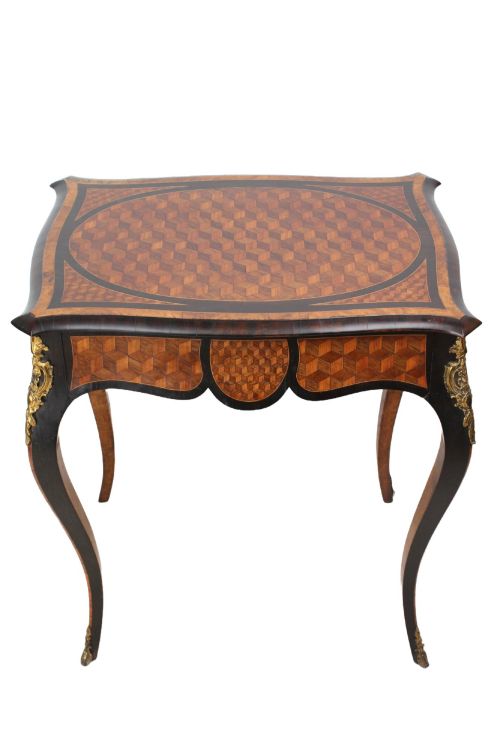
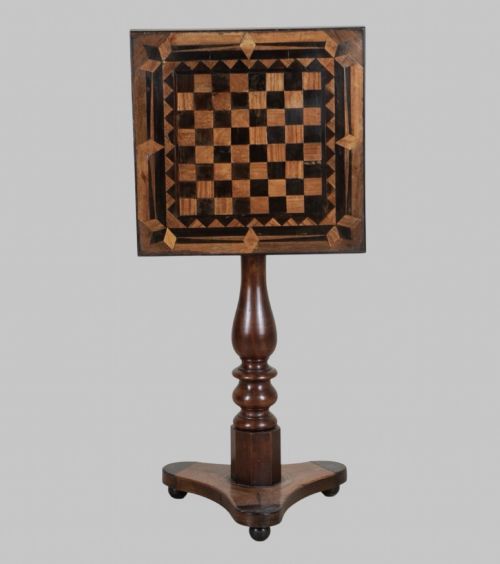
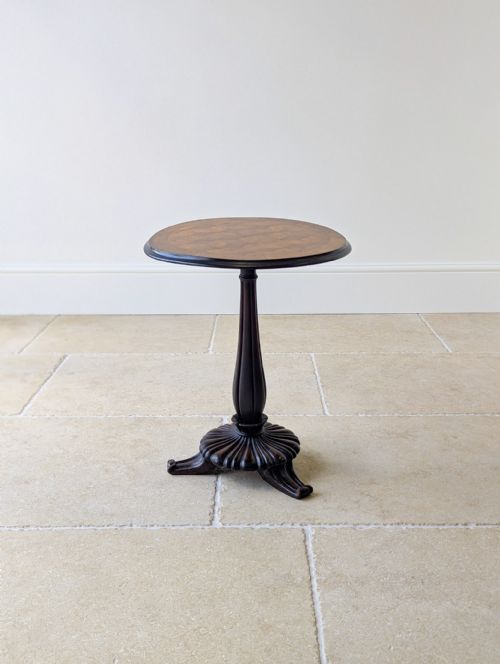
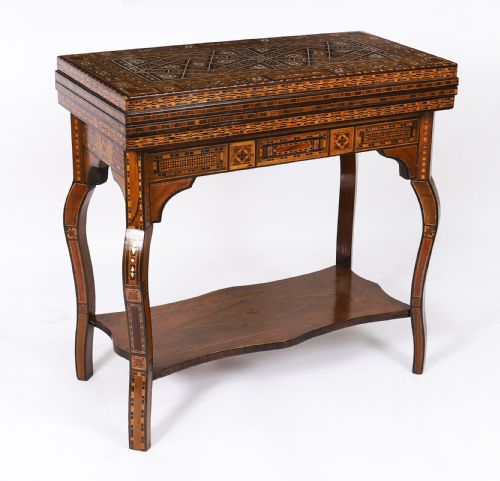
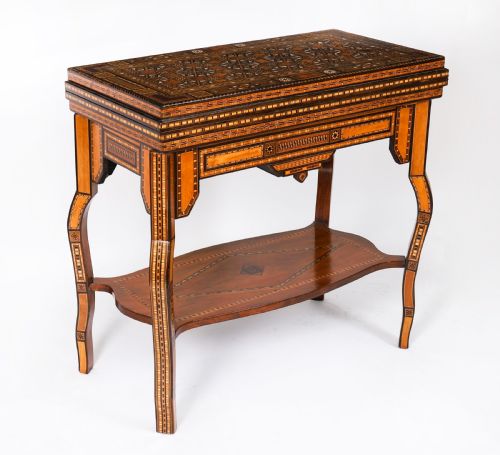
Walnut parquetry side tables encompass various compact table forms produced across the nineteenth and early twentieth centuries, including occasional, wine, and games tables. Buyers seeking walnut parquetry side tables encounter pieces bearing influences from French Louis styles alongside Victorian British craftsmanship.
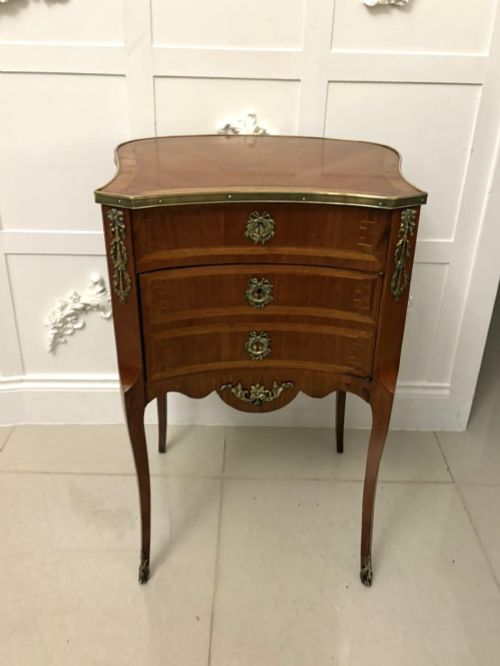
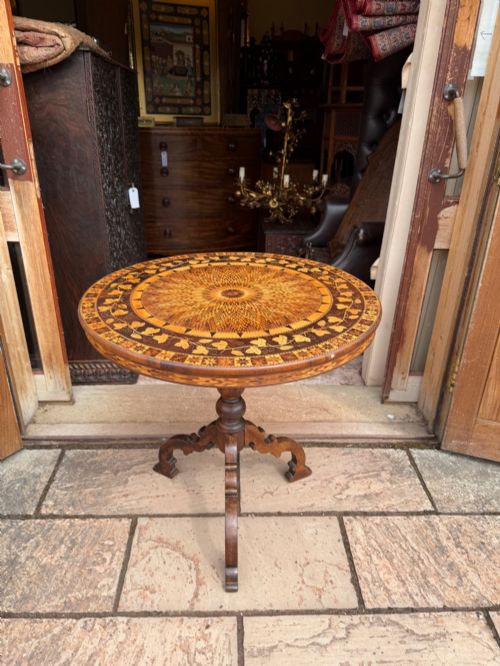
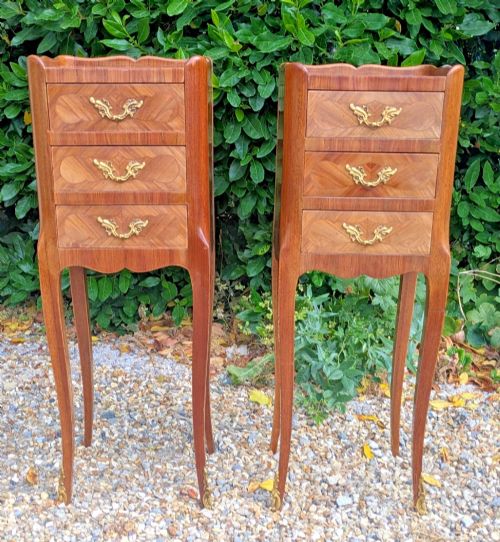
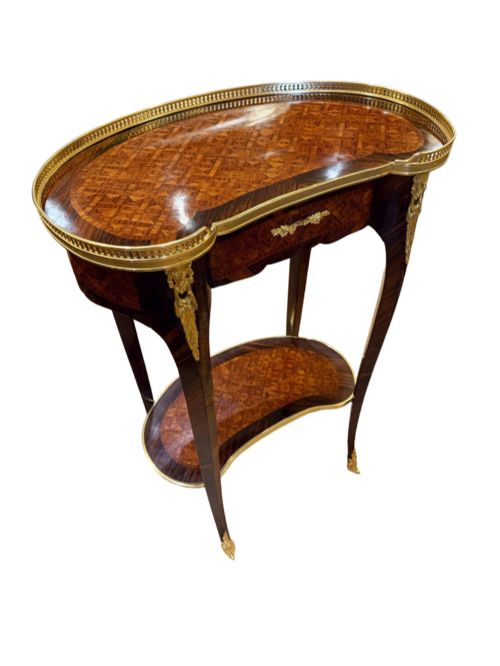
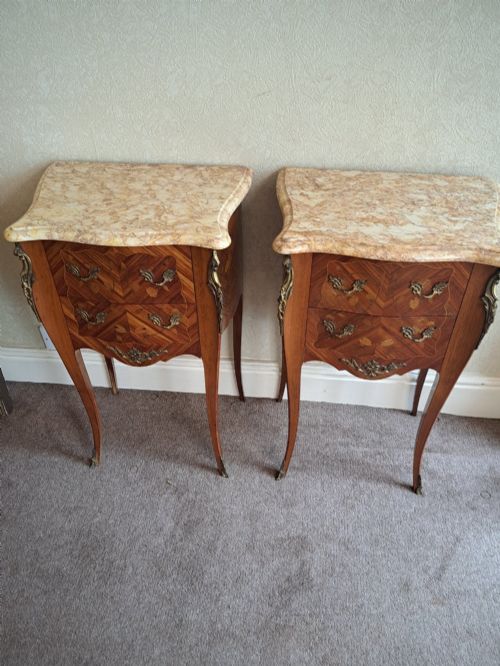
The inventory on this page ranges from seventeenth-century examples up to nineteen-thirties pieces, with nineteenth-century items forming a substantial portion of the selection. These tables appear as kidney-shaped surfaces, freestanding centre tables, and bedside cabinets.
Makers and workshops constructed these pieces for domestic utility, utilising characteristic geometric veneer patterns on the top surfaces. Their survival demonstrates the enduring appeal of patterned timber in domestic interiors.
Craftsmanship and Proportion
Quality in these tables rests on the precision of the geometric veneer work and the integrity of the timber ground beneath. Finer examples display tight, uniform parquetry alignment without lifting veneer edges or visible shrinkage cracks across the surface.
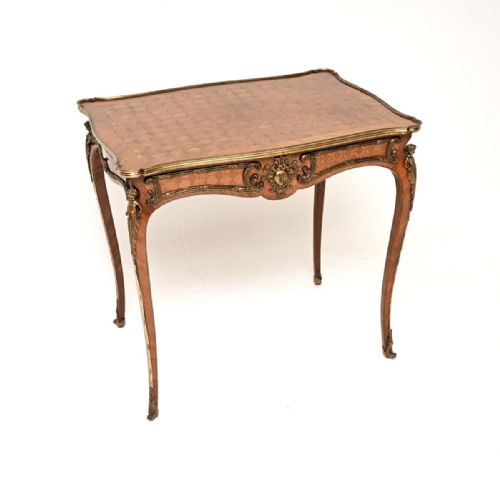
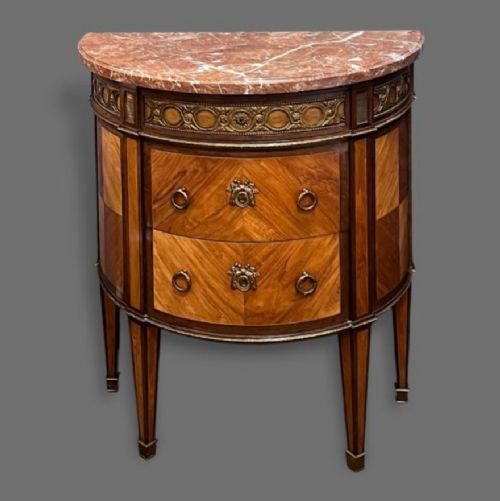
Proportion and decorative restraint distinguish superior items from standard production, particularly where bronze or ormolu mounts integrate cleanly with the walnut carcase. The choice of contrasting secondary woods within the parquetry pattern also signals the care taken by the maker.
Listings feature walnut alongside mahogany, rosewood, kingwood, and marble across nineteenth- and twentieth-century periods.
JAS Shoolbred·L.Martin of Paris
The Walnut Parquetry Side Tables Glossary
- Parquetry
- A geometric mosaic of wood pieces used for surface decoration. This technique creates repeating patterns such as cubes or chequers across table tops.
- Ormolu
- Gilded bronze mounts applied to furniture for decorative effect. These metal elements frame drawers and corners on French-influenced pieces.
- Bouillotte table
- A small round card table with a raised gallery edge. They typically feature marble tops and small candle slides.
- Bureau plat
- A freestanding kneehole writing desk. These pieces often feature leather-lined tops and elaborate veneer work.
- Specimen wood
- Furniture constructed using multiple different decorative timbers. The varied natural colours of the woods create pictorial or geometric designs.
Walnut Parquetry Side Tables: Frequently Asked Questions
What rooms suit walnut parquetry side tables?
These compact tables function effectively beside seating in sitting rooms or as bedside surfaces in bedrooms. Their finished backs often allow them to stand away from walls.
Their varied forms, from wine tables to small cabinets, accommodate diverse storage and display requirements in domestic spaces.
How do I identify French styles?
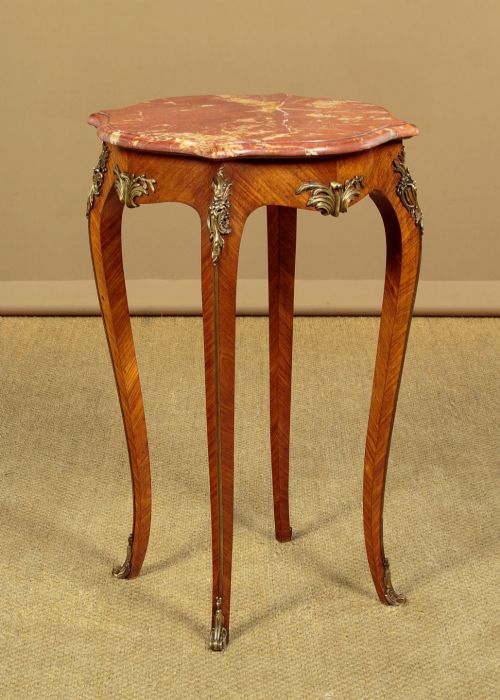
French-influenced pieces often display cabriole legs, curved aprons, and applied ormolu mounts characteristic of Louis styles. Walnut parquetry side tables from these traditions emphasise fluid outlines.
Maker details or specific regional proportions further indicate continental origin, particularly when paired with marble tops.
How should I care for veneer?
Maintain stable humidity levels in the room to prevent the timber substrate from expanding and causing veneer to lift. Direct sunlight can bleach walnut and alter the colour of secondary woods over time.
Clean surfaces with a dry cloth and avoid silicone-based polishes that penetrate porous historic finishes.
What is the difference between parquetry and marquetry?
Parquetry uses geometric blocks of wood to create repeating abstract patterns such as cubes or triangles. Marquetry arranges veneers to form pictorial scenes or flowing floral motifs.
Both techniques appear frequently on the top surfaces of nineteenth-century occasional and games tables.