

Walnut Ottoman Seat
A walnut ottoman seat brings tactile comfort and rich timber warmth to a room, serving as a versatile footrest or low bench.
Walnut Ottoman Seat
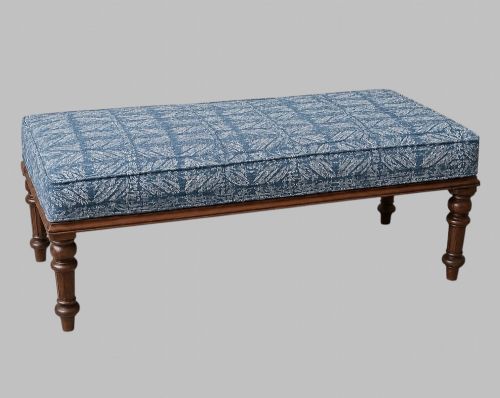
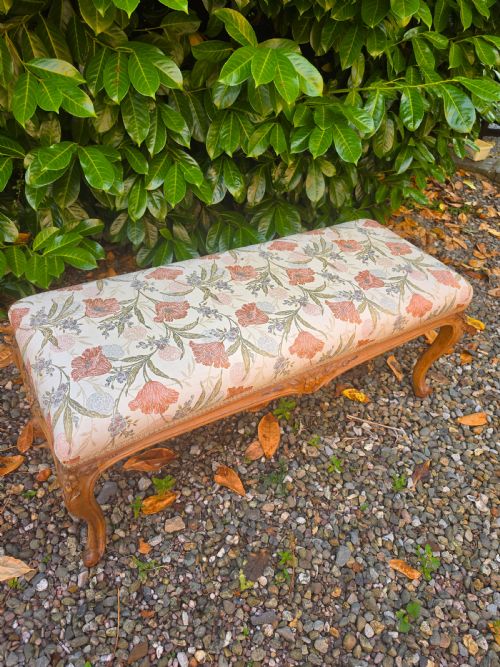
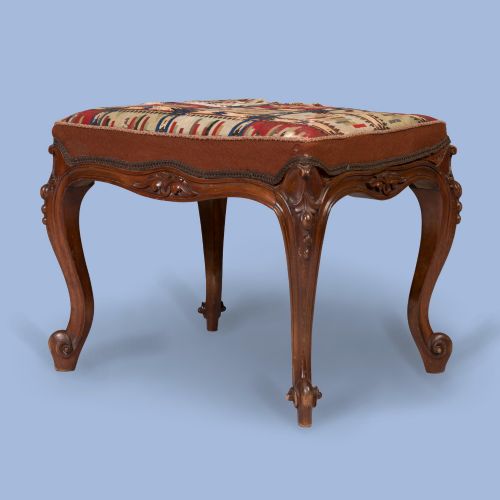
A walnut ottoman seat encompasses sturdy footstools, long window seats, and low benches designed for relaxation and seating in reception spaces.
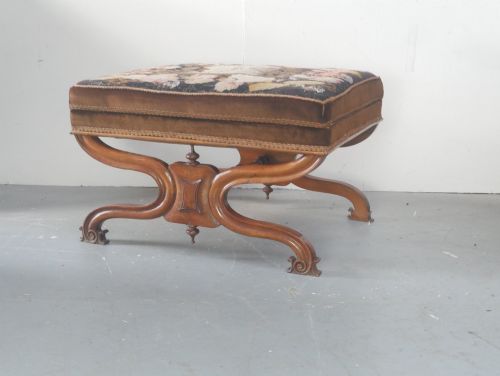
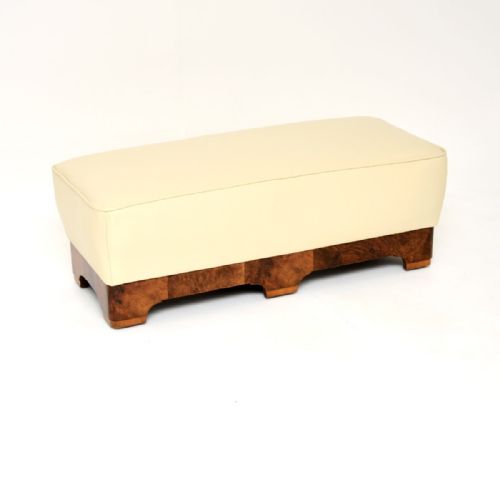
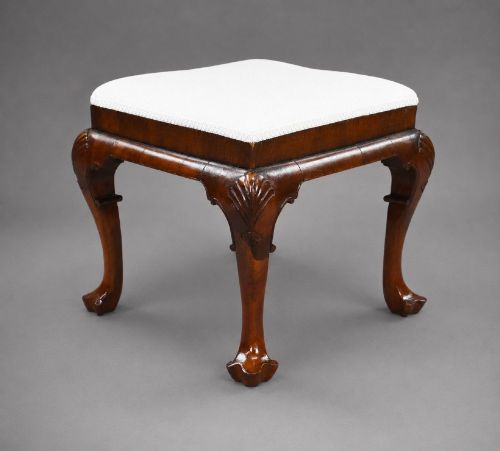
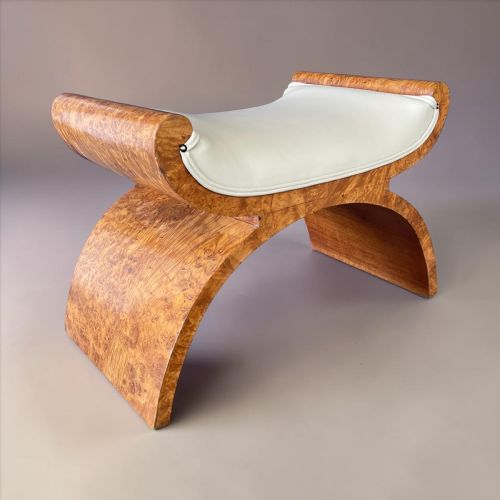
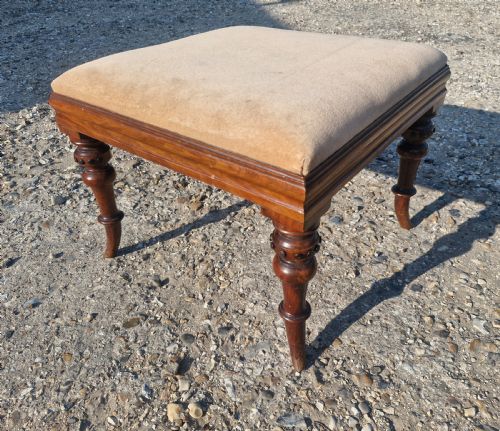
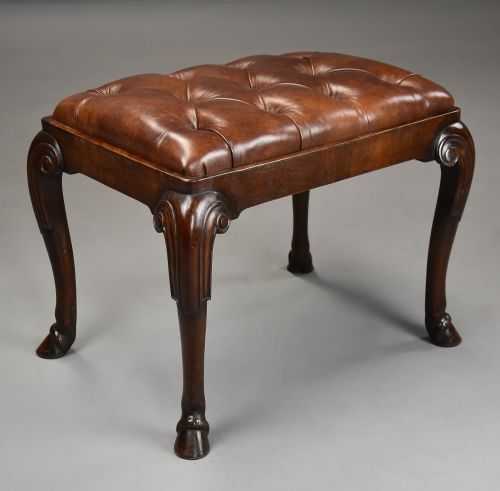
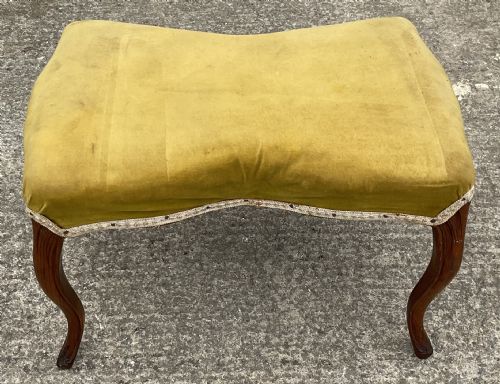
The pieces appearing for this search phrase range from nineteenth-century Victorian carved frames to early twentieth-century Art Deco interpretations and Syrian inlaid examples.
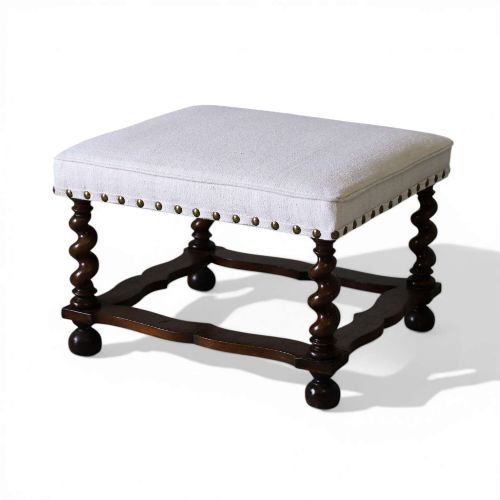
Most entries combine a durable walnut frame with upholstered seating surfaces upholstered in velvet, leather, tapestry, or modern linen.
How They Were Made
Constructed primarily from solid walnut or embellished with burr walnut veneers, the frames demonstrate traditional joinery techniques suited to supporting weight.
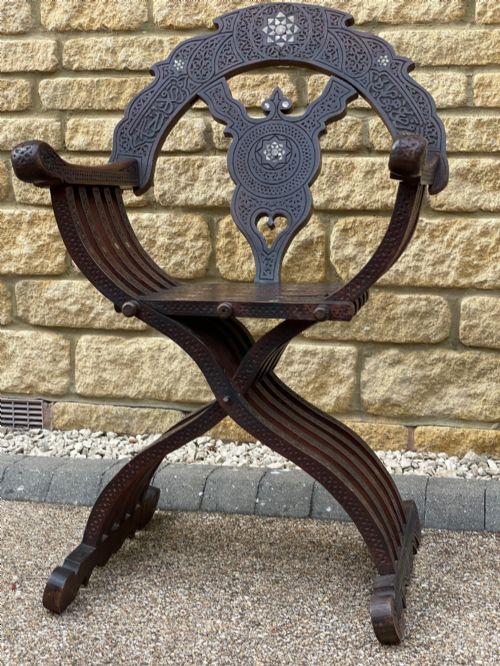
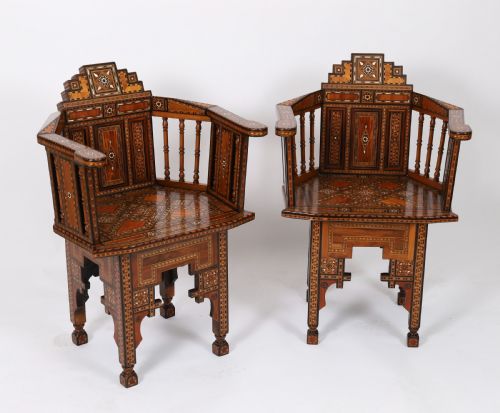
Decorative detailing relies on hand-carved elements, barley-sugar turning, and intricate mother-of-pearl or nacre-shell inlay work.
Upholstery methods span traditional webbing and horsehair stuffing to professional recovers in textiles like Robert Kime fabrics and patterned tapestries.
Materials recorded across the inventory include solid walnut, burr walnut, brass fittings, leather, tapestry, and various textile upholstery fabrics.
What Varies in Quality
The integrity of the timber framing and the precision of hand-carved details dictate the distinction between standard workshop output and exceptional cabinetwork.
The choice of covering material, from simple linen to complex tapestries and leather, alters the textural depth and historical consistency of the piece.
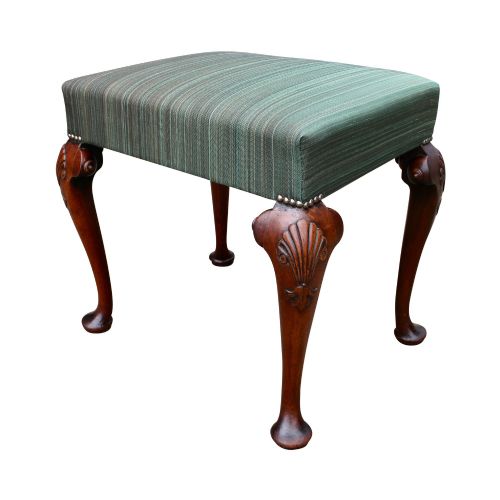
Design complexity, such as specialised cabriole legs, X-frame geometry, or intricate parquetry inlay, separates simpler domestic seating from grander salon examples.
Harry and Lou Epstein·Morris and Co.
The Walnut Ottoman Seat Glossary
- Cabriole leg
- A furniture leg that curves outward and then tapers inward, typical of Queen Anne and eighteenth-century revival styles. This profile mimics the legs of animals.
- Burr walnut
- A specialised timber cut from the abnormal growth of a walnut tree, yielding highly figured and swirling grain patterns. Cabinetmakers prize it for veneering prominent surfaces.
- Window seat
- A long, narrow form of stool or bench designed to fit into the recess of a window. These often feature upholstered tops and decorative carved frames.
- Parquetry
- A geometric mosaic of wood pieces used for decorative surfacing on furniture. Artisans arrange contrasting timbers to create patterns.
- Savonarola chair
- A folding chair constructed from curved wooden slats that cross to form an X-shape. Originating in the Italian Renaissance, these frames often incorporate intricate carved woodwork.
Walnut Ottoman Seat: Frequently Asked Questions
What is a walnut ottoman seat used for?
These versatile items function primarily as footstools, low salon seating, or window benches placed in living spaces and bedrooms. Their sturdy frames support daily sitting or resting feet while adding a decorative element to an interior.
Historically, larger versions served as duet music stools or day beds for lounging near natural light. Today they integrate easily into modern rooms as flexible accent furniture.
How do I identify Victorian walnut seating?
Victorian walnut pieces typically display rich, dark timber tones and heavy carved ornamentations such as cabriole legs or scrolling motifs. Many examples incorporate traditional upholstery styles ranging from plain horsehair to button-tufted textiles.
Looking underneath reveals period construction methods, including hand-cut joinery and older webbing or stuffing materials that confirm nineteenth-century origins.
What distinguishes Art Deco walnut stools?
Art Deco pieces favor streamlined geometric forms, smooth burr walnut surfaces, and functional additions like built-in storage compartments. These designs often omit heavy carving in favor of clean lines and polished wood grains.
Many of these twentieth-century items pair the walnut framework with supple leather upholstery, reflecting the modern aesthetic of the era.
Are Syrian inlay seats made of walnut?
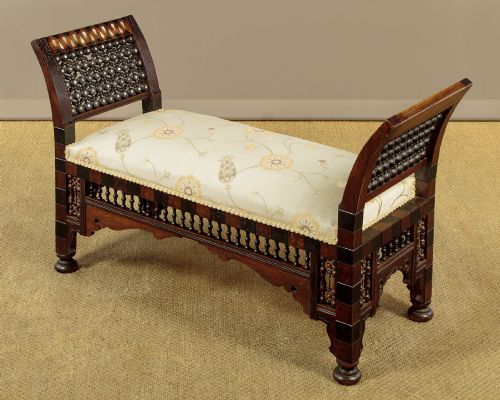
Syrian and Levantine seating from the late nineteenth and early twentieth centuries utilises walnut or fruitwood as a base for intricate nacre-shell and mother-of-pearl inlay. These pieces often feature X-frame or Savonarola silhouettes.
The elaborate geometric parquetry patterns distinguish these Near Eastern furnishings from contemporaneous European cabinetmaking.