





Walnut Mechanical Clock
A walnut mechanical clock brings rich grain, precise movement and steady chiming to a room.
Walnut Mechanical Clock
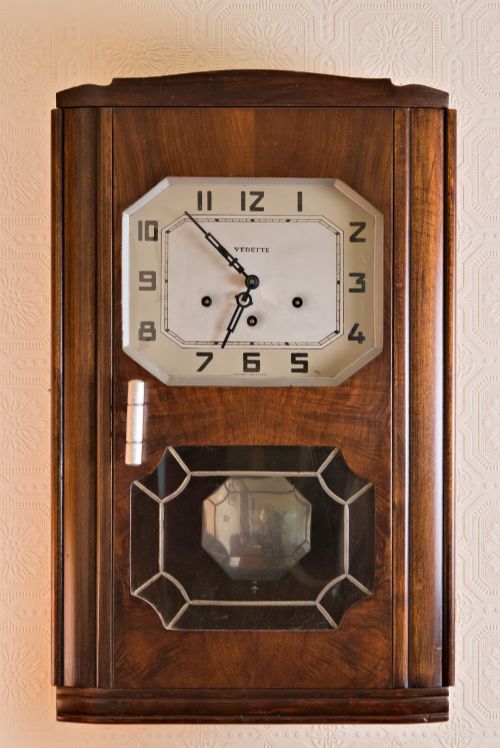
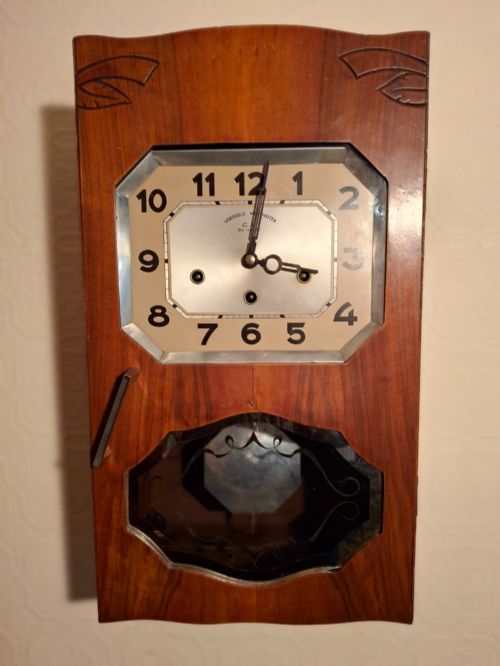
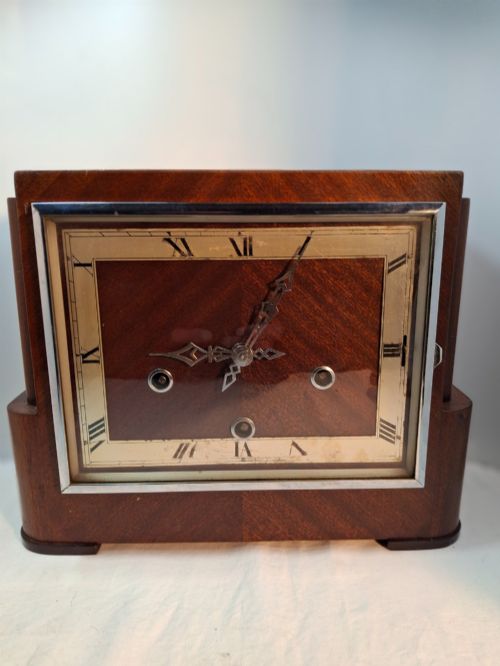
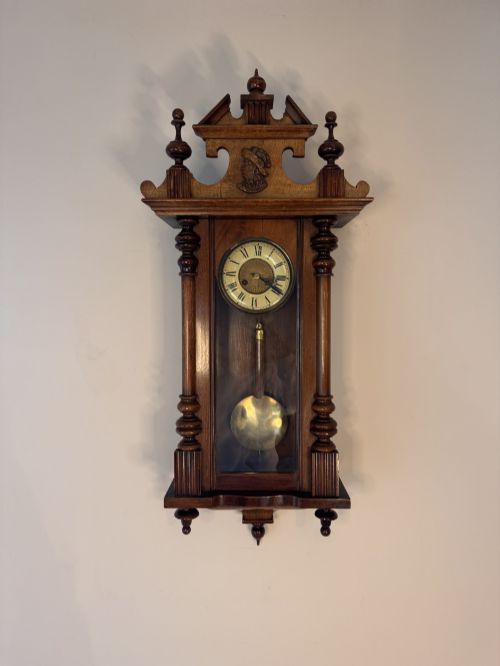
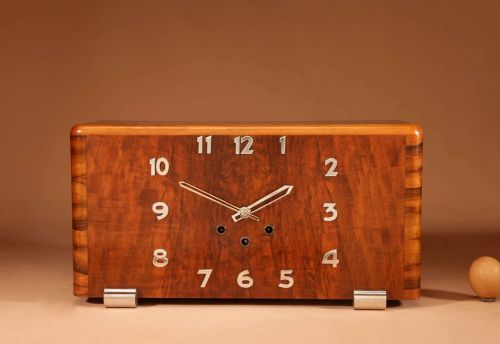
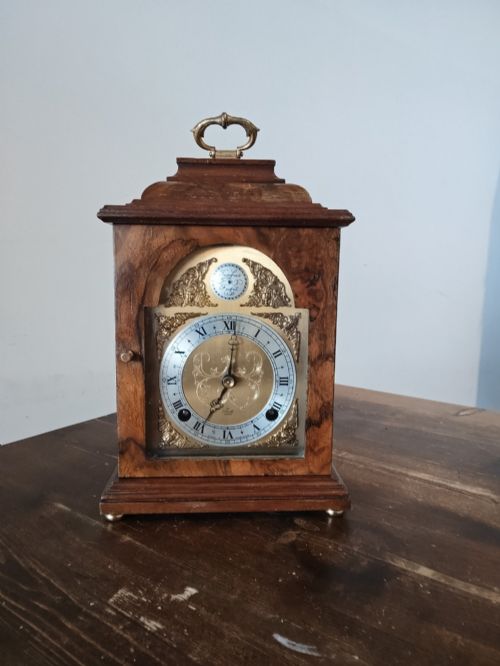
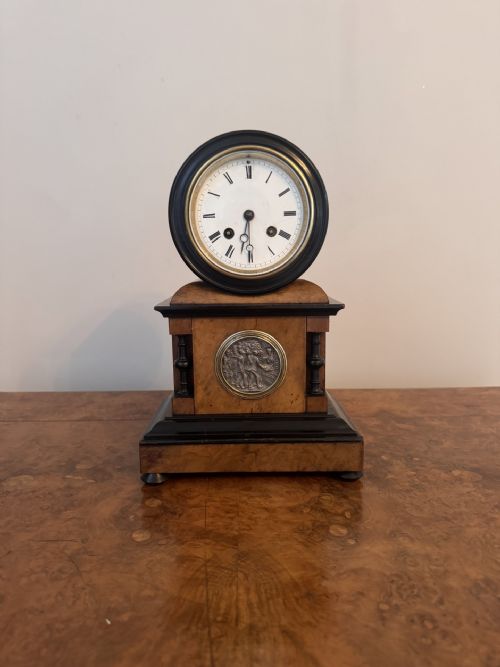
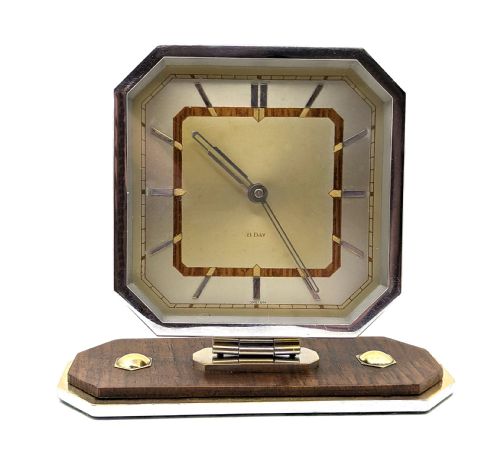
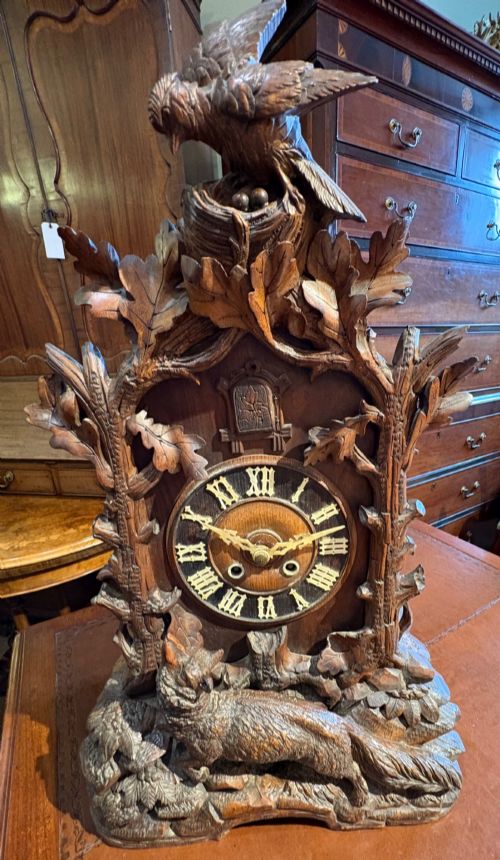
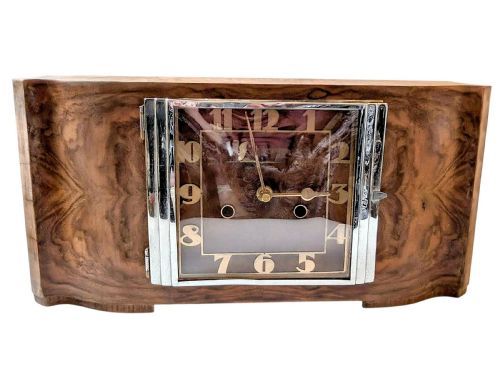
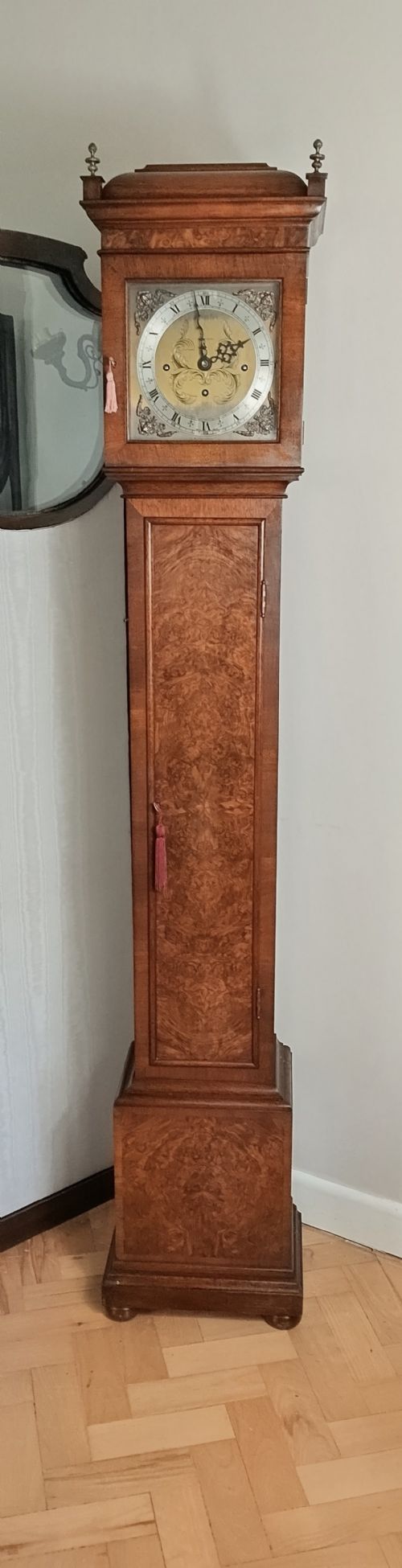
A walnut mechanical clock encompasses wall clocks, mantel clocks and grandmother longcase clocks driven by weights or springs. The selection ranges from Victorian Vienna regulators and Black Forest cuckoo pieces to Art Deco mantel designs.
Mantel clocks and wall clocks dominate the selection, spanning periods from the nineteenth century through the 1930s. Buyers find both English makers and continental workshops represented across these forms.
Tall longcase versions appear alongside compact desk clocks, offering mechanical timekeeping housed in figured timber cases.
Materials and movement construction
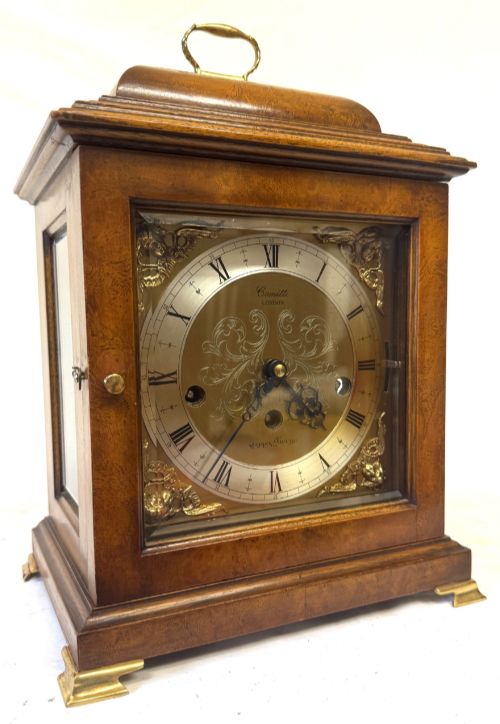
Cases combine solid timber with burr walnut veneers, ebonised wood or chrome highlights, protected by glass dial covers. Brass components form the mechanical movements, pendulum rods and striking gear.
Movements utilise spring-driven or weight-driven mechanisms, incorporating chimes, bells or gongs. Dials feature enamel markers, metal chapters and hands driven by pendulum or balance wheel regulation.
Walnut Mechanical Clock Retail Price Guide 2026
Typical asking prices for walnut mechanical clock among the pieces listed under this phrase on Sellingantiques today, from the lower quarter to the upper quarter. They describe what is for sale here now, not the wider market.
Some models feature automated figures that move in time with the striking mechanism.
Craftsmanship and movement fidelity
Quality rests in the precision of the mechanical movement and the depth of the walnut grain on the case. Finer examples display matched burr veneers and crisp carving rather than plain surfaces.
The sophistication of the strike, from simple hourly counts to Westminster or multiple tune chimes, distinguishes standard production from superior pieces.
Vedette·Elliott·H.A.C.·Comitti Of London·Mappin & Webb·Odo·Mauthe·Perivale·Bravingtons Ltd of London·Lenzkirch·Gustav Becker·Winterhalder & Hofmeier·Junghans
The Walnut Mechanical Clock Glossary
- Vienna regulator
- A precision pendulum wall clock developed in Austria, typically featuring a long glass door to view the weights and pendulum.
- Bracket clock
- A portable table or mantel clock, originally designed to sit on a wall bracket.
- Fusee
- A conical pulley used in spring-driven clocks to maintain even power as the mainspring unwinds.
- Grande sonnerie
- A complex striking train that chimes the hours and quarters automatically on every quarter hour.
- Burr walnut
- Timber taken from a tree growth that produces intricate, swirling grain patterns highly prized for cabinet fronts.
Walnut Mechanical Clock: Frequently Asked Questions
Where should I place a wall clock?
Hang your clock on an internal wall away from dampness and direct sunlight to protect the walnut timber case. Ensure the wall is sturdy enough to support the weight of the movement and any hanging brass weights.
Keep the piece clear of busy traffic areas where vibrations might disturb the pendulum beat and affect timekeeping accuracy.
How do I wind a mechanical clock?
Insert the appropriate winding key into the dial arbors and turn gently until you feel resistance. Do not overwind, as this can strain the internal springs.
For weight-driven models, pull the chains or wind the cords steadily to draw the weights back to the top of the case.
How do I set the correct time?
Move the minute hand slowly forward to the correct hour, pausing at each quarter to let the chime sequence complete. Avoid turning hands backward unless the specific movement instructions permit it.
Allow the pendulum to settle into an even beat after adjustment to ensure the clock keeps regular time.
How do I identify the period?
Examine the case style, dial materials and movement signatures to determine the era. Victorian and nineteenth century pieces often feature ornate carvings or Vienna regulator formats, while 1930s examples display clean Art Deco lines with chrome and walnut combinations.
Maker marks stamped on the back plates provide definitive clues to the manufacturing decade.