


Retro Table Clock
A retro table clock brings tangible mid-century character to a room while keeping time with mechanical precision.
Retro Table Clock
When searching for a retro table clock, buyers encounter timepieces spanning from the 1920s through the 1960s. These objects function as practical desk accessories, mantel ornaments, and bedside timekeepers.
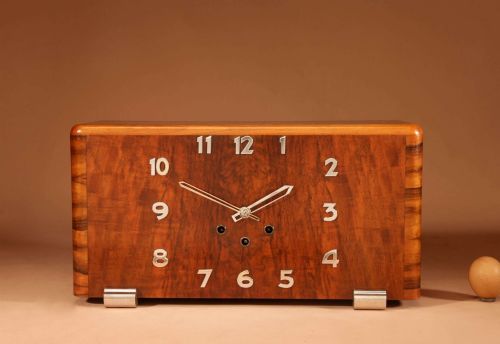
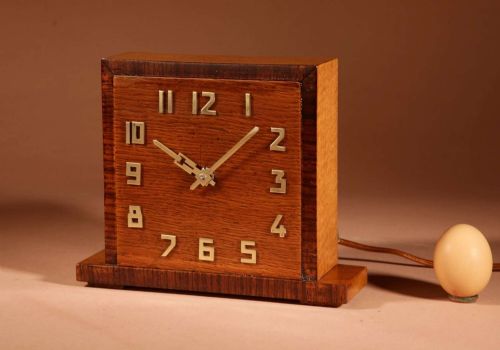
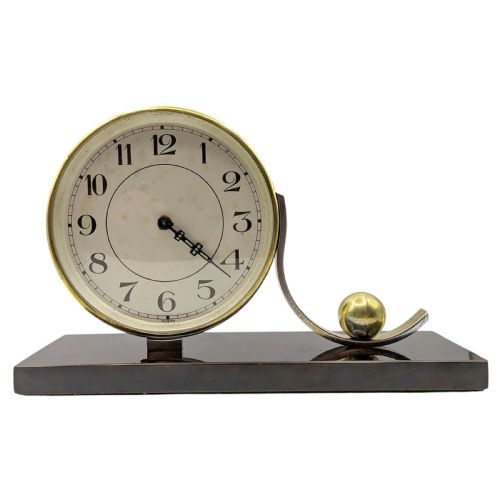
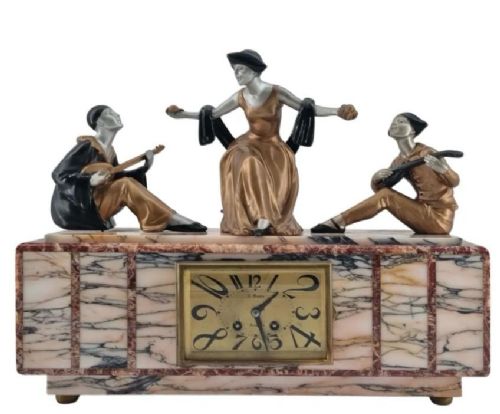
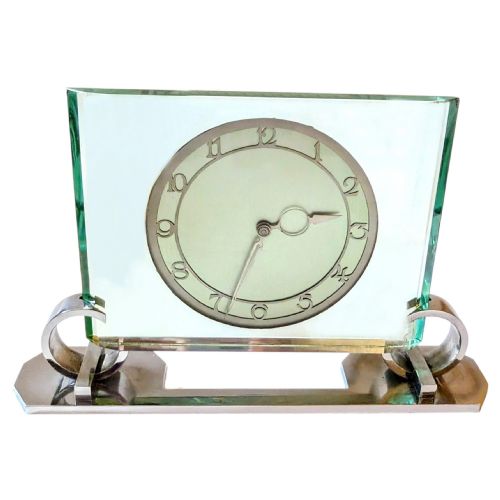
The selections on this page concentrate heavily on Art Deco and Mid-Century Modern designs. Pieces range from geometric wooden mantel clocks to chrome desk timepieces and promotional advertising items.
How they were made
Makers utilised a diverse mix of materials including polished chrome, brass, heavy marble, and glass. Wood elements frequently feature walnut, oak, and burr walnut veneers shaped into distinct geometric silhouettes.
Early plastics such as Bakelite appear alongside metal alloys like spelter. Movements rely on mechanical wind-up mechanisms, 8-day movements, electrical systems, or early electro-mechanical technology.
Listings span five decades from the 1920s to the 1960s, showcasing Art Deco and Mid-Century Modern styles.
What varies in quality
Quality rests in the choice of materials and the precision of the movement housed within the casing. Heavy marbles, solid brass components, and complex mirrored glass demand greater skill from the maker than simple pressed metal.
The inclusion of jewelled movements or specialised functions, such as barometers, thermometers, or world time zones, elevates a piece. Maker attribution also separates standard production items from distinguished workshop outputs.
Smiths Clockmakers·Elliott of London·Jaeger LeCoultre·Kienzle
The Retro Table Clock Glossary
- Bakelite
- An early form of thermosetting plastic used widely for clock casings and bases during the 1930s. It offers a smooth, durable finish.
- Mantel clock
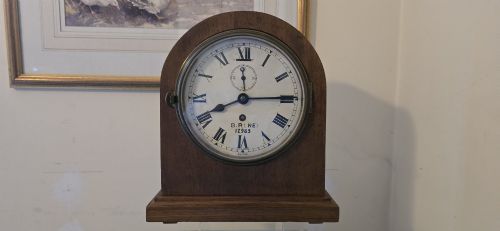
- A timekeeper designed to sit stably on the shelf above a fireplace. These forms often display architectural or figural wooden and marble designs.
- 8-day movement
- A mechanical clock movement that requires winding only once every eight days. This utility points to higher mechanical refinement.
- Spelter
- A zinc alloy frequently cast into decorative figural sculptures on clock cases. It provides a heavy metallic body for patination or plating.
Retro Table Clock: Frequently Asked Questions
Where should I place a mantel clock?
Mantel clocks suit stable horizontal surfaces such as sideboards, bookshelves, or desks. Avoid areas subject to heavy vibrations or damp conditions that might affect the delicate interior metalwork.
Position the timepiece away from direct sunlight to protect wooden veneers, glass panels, and painted dials from fading over time.
What is an 8-day movement?
An 8-day movement is a mechanical gear train designed to run continuously for over a week on a single winding. This capability reduced the frequency required for daily maintenance.
These movements often appear in quality desk and mantel pieces where convenience matched fine craftsmanship.
How do I identify Art Deco clocks?
Art Deco clocks rely on strong geometric shapes, stepped wooden veneers, and contrasting metal accents like chrome and brass. Dials often feature stylised numerals and streamlined chapter rings.
Materials like mirrored glass, onyx, and Bakelite reinforce the distinct aesthetic of the interwar period.