





Brown Walnut Clock
A brown walnut clock brings warmth and character to a room, ranging from grand floor-standing longcases to compact mantel designs.
Brown Walnut Clock
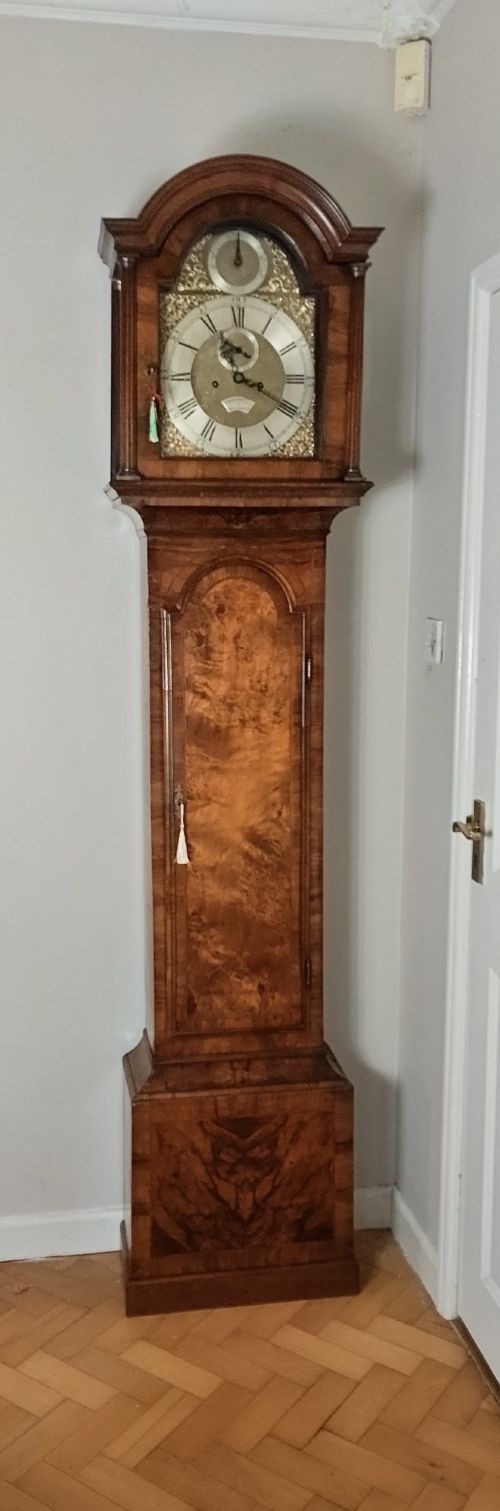
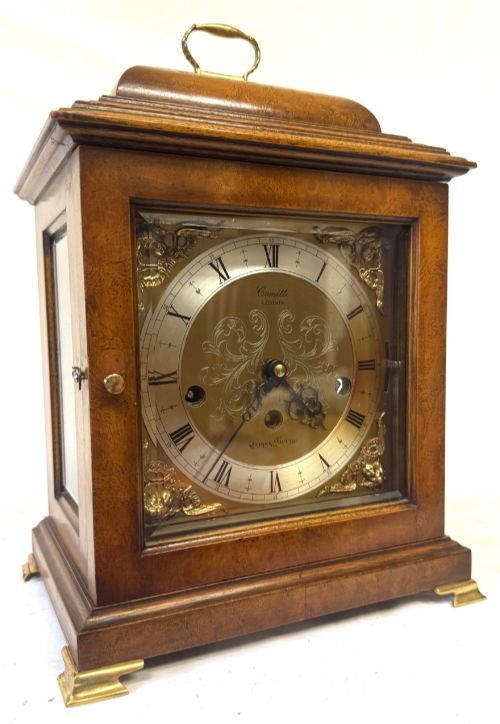
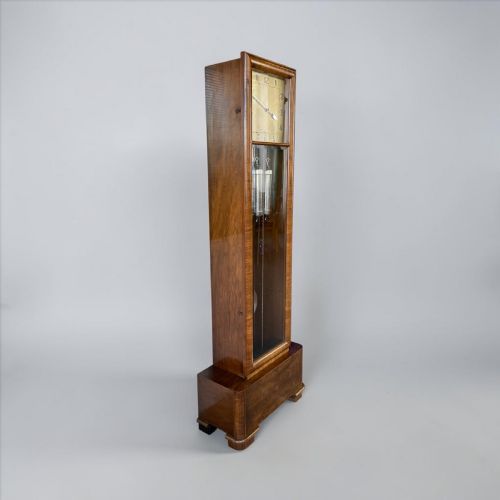
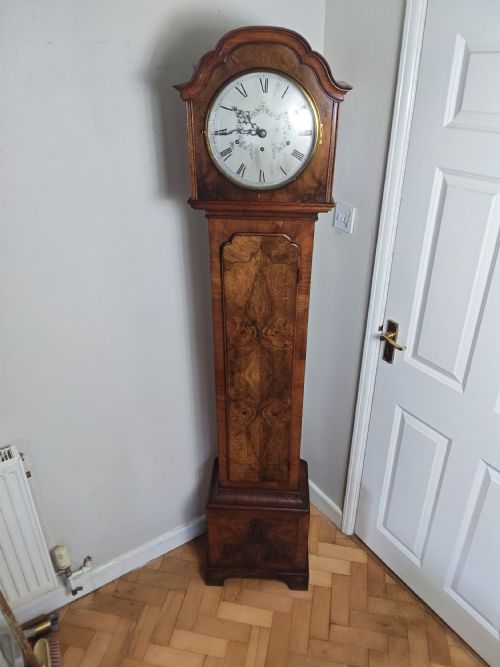
A brown walnut clock encompasses a variety of timepieces spanning several centuries, including tall floor-standing longcase models and smaller mantel or wall variants. When searching for a brown walnut clock, buyers encounter pieces originating from the seventeenth century onwards, representing distinct design periods such as Georgian, Victorian, and Art Deco.
The selection includes English, French, and German examples, housing movements from simple timepieces to those with striking mechanisms and musical chimes. Mantel and wall versions appear frequently alongside grander grandfather and grandmother clocks.
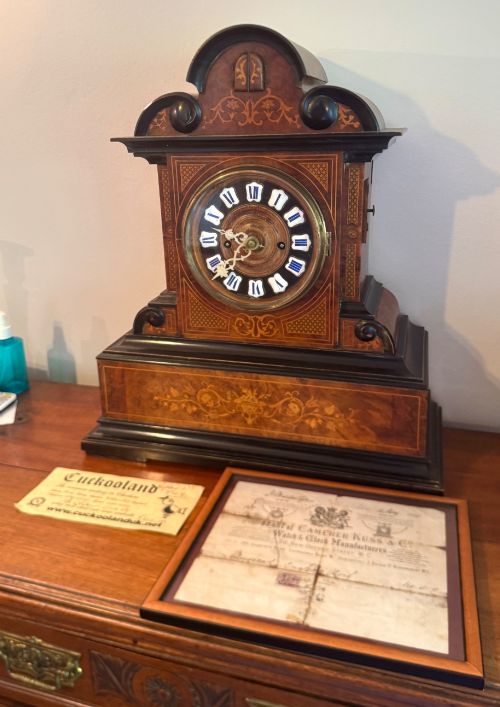
Cabinetry forms range from plain polished timber surfaces to intricate marquetry and quarter-veneered patterns, showing how makers adapted the timber to changing domestic tastes over hundreds of years.
Materials and construction
Construction relies heavily on solid walnut and burr walnut veneers applied to secondary woods, creating richly figured surfaces on longcase trunks and mantel cases. Metal components such as brass dials, bezels, and copper accents complement the warm tones of the timber.
Glass protects the dials and pendulum windows, while interior movements combine brass wheels, steel pinions, and occasionally enamel chapters or chrome details in later Art Deco interpretations.
Carving techniques appear on Victorian and Black Forest variations, adding three-dimensional texture alongside traditional joinery and cabinet-making methods.
Some timepieces combine time-keeping with barometers and thermometers, ensuring you know the weather while you check the hour.
Distinctions in quality
Quality reveals itself in the choice and matching of wood veneers, where symmetrical burr patterns and careful quarter-veneering demonstrate superior cabinet-making. The crispness of dial engraving and the sophistication of the movement, such as triple-weight chiming or musical capabilities, separate standard production from finer horological work.
Proportion and casework integrity also define the upper tier, where original brass fittings, well-preserved glass, and balanced architectural elements remain intact across centuries.
Edin Burgis of London·Edward Upjohn·Edward East·Joseph Knibb·John Harrington·John Taylor of London·James Drury of London·Mappin & Webb·Gustav Becker·Haller
The Brown Walnut Clock Glossary
- Longcase clock
- A tall, weight-driven pendulum clock enclosed in a wooden case standing directly on the floor. These are also frequently referred to as grandfather or grandmother clocks depending on their height.
- Burr walnut
- A specialised timber cut from growths on walnut trees that produces complex, swirling grain patterns. Cabinet-makers utilised these highly decorative veneers on prominent surfaces like door panels and clock hoods.
- Marquetry
- The art of applying pieces of veneer to a structure to form decorative patterns and pictures. Makers used contrasting woods alongside walnut to create elaborate floral or geometric designs on the case exterior.
- Mantel clock
- A small clock designed to sit upon a fireplace mantelpiece or shelf. These portable pieces rely on spring-driven movements rather than hanging weights.
- Vienna regulator
- A precision pendulum wall clock developed in Austria during the nineteenth century. They are known for their accurate movements and long glass-fronted cases designed to showcase the swinging pendulum.
Brown Walnut Clock: Frequently Asked Questions
Where should I place a longcase clock?
A longcase clock requires a stable, level floor away from direct sunlight and heavy foot traffic to protect the timber case and keep the pendulum swinging evenly.
Positioning it against an interior wall helps prevent temperature fluctuations from affecting the mechanical movement inside.
How do mantel clocks differ from wall clocks?
Mantel clocks are freestanding pieces designed for flat surfaces like shelves or sideboards, using spring-driven mechanisms that do not rely on hanging weights.
Wall clocks feature hanging brackets or secure rear fixings to mount them directly onto room partitions.
What is the difference between a grandfather and a grandmother clock?
Grandfather clocks are tall, full-sized floor clocks standing over six feet high, designed to house long weight drops and heavy pendulums.
Grandmother clocks are smaller, scaled-down versions of the longcase format, built to fit into more compact rooms with lower ceilings.
How can I tell an Art Deco clock apart from older styles?
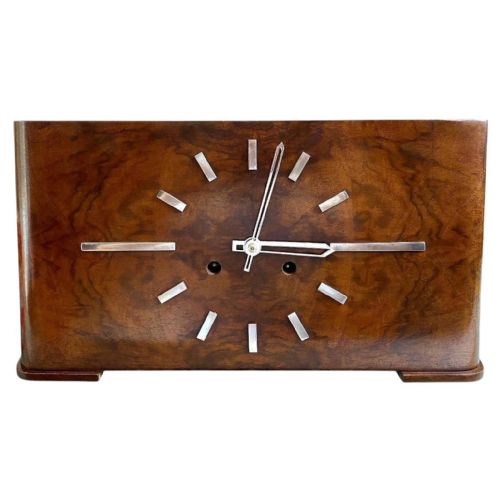
Art Deco clocks showcase geometric lines, symmetrical shapes, and modern materials like chrome combined with walnut woodwork. Older styles from the Georgian and Victorian eras rely on traditional proportions, carved ornamentation, and classic architectural motifs.