
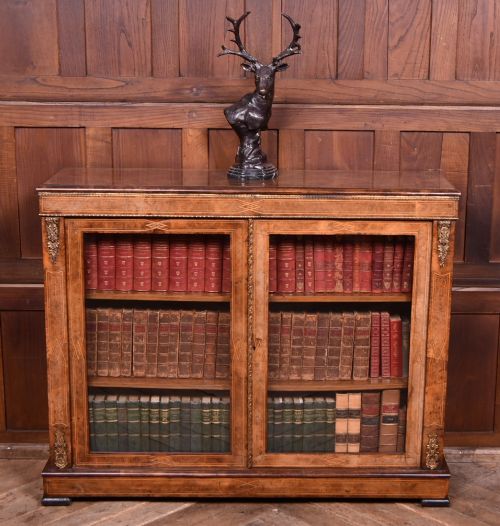
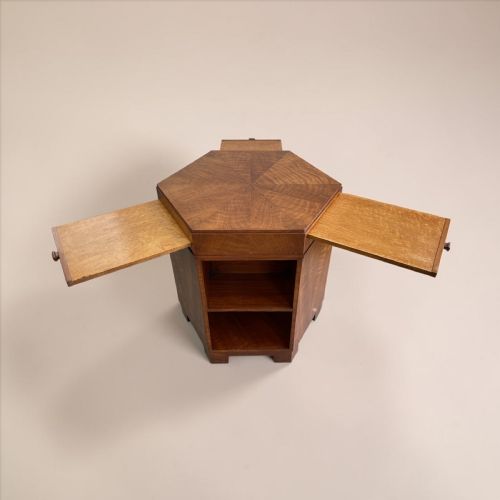
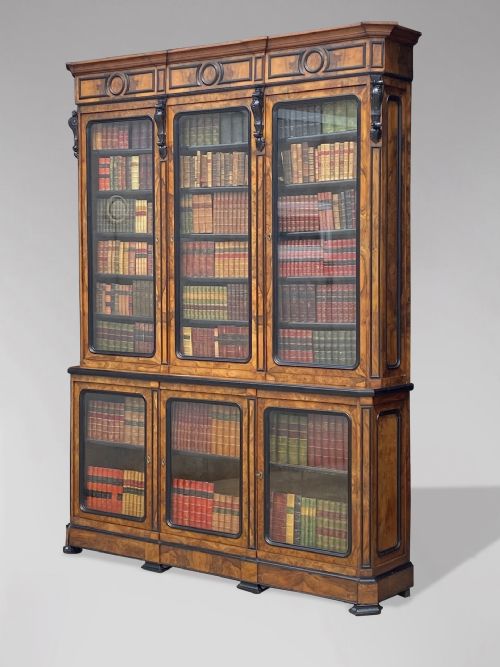

Walnut Library Cabinet
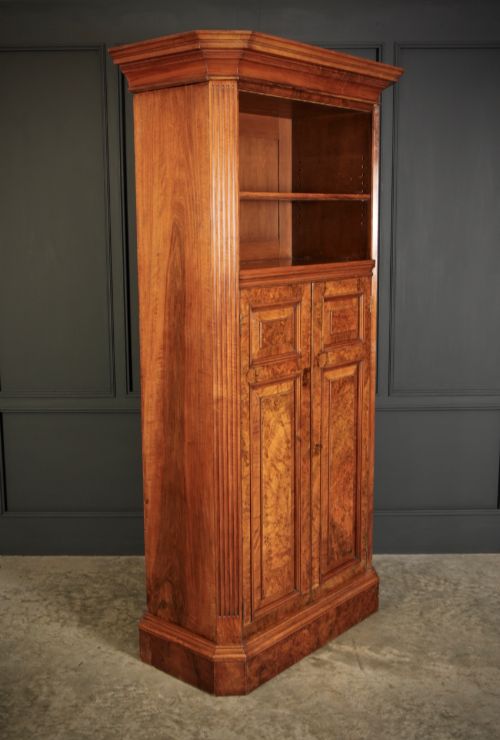
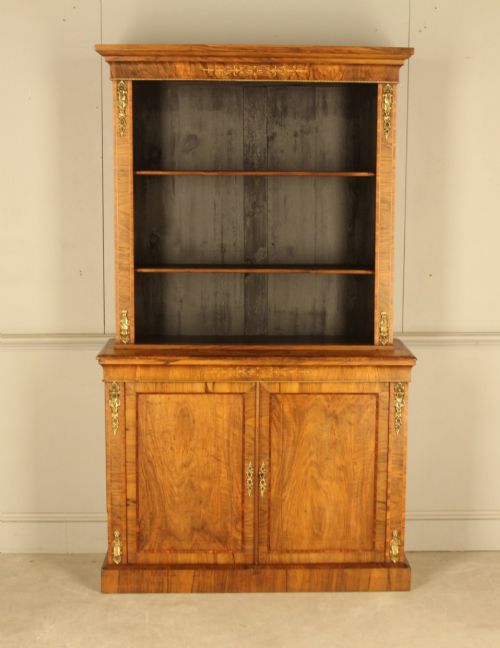
A walnut library cabinet brings warmth and architectural presence to a room, housing volumes behind glazed or open timber framing.
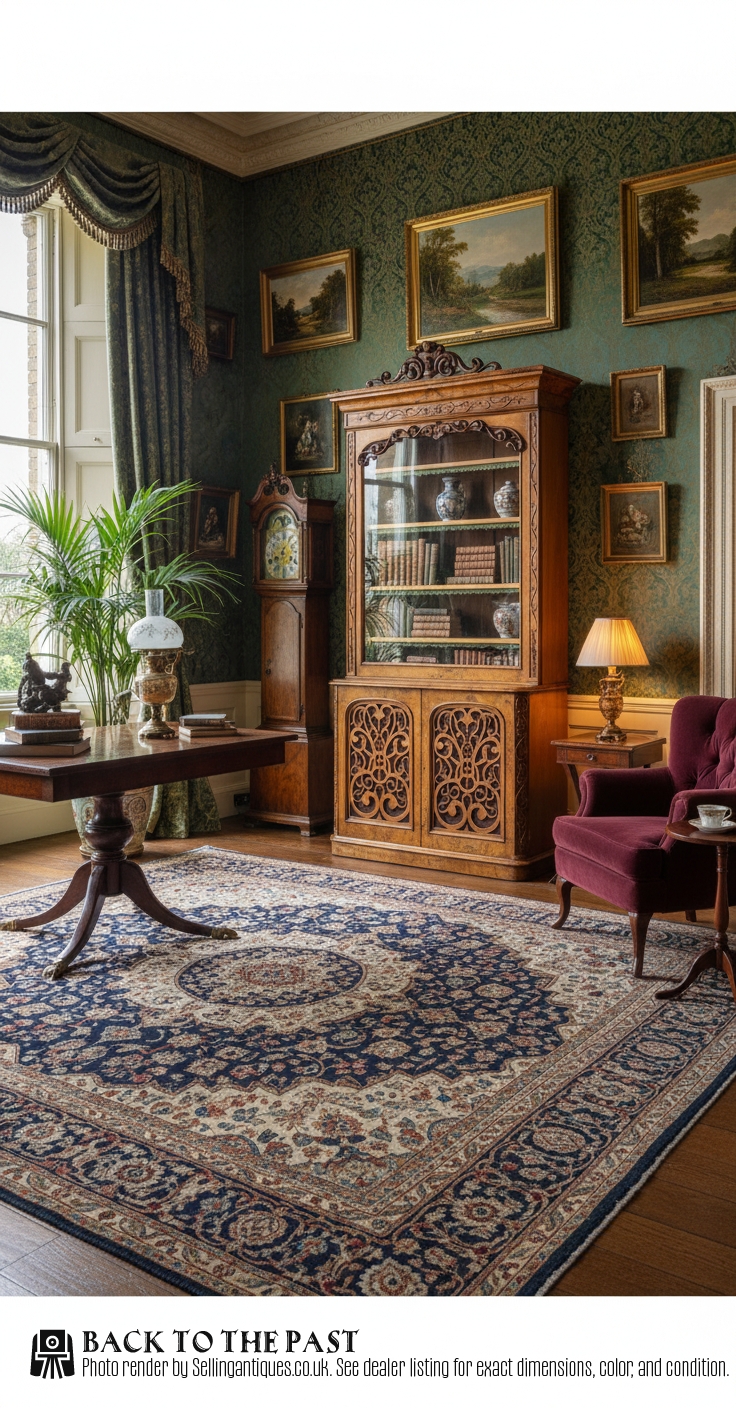
Walnut Library Cabinet
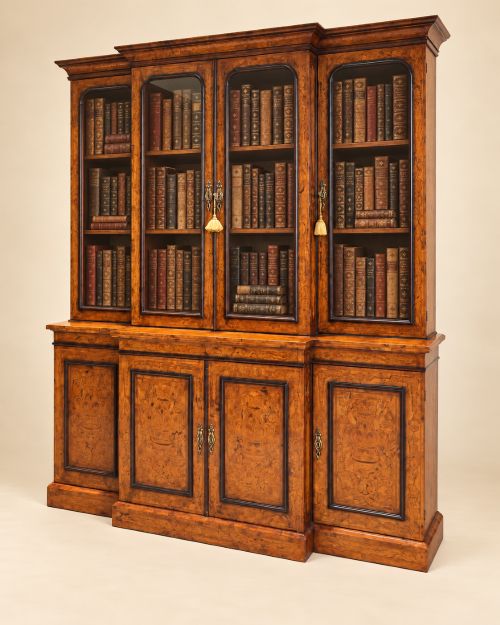
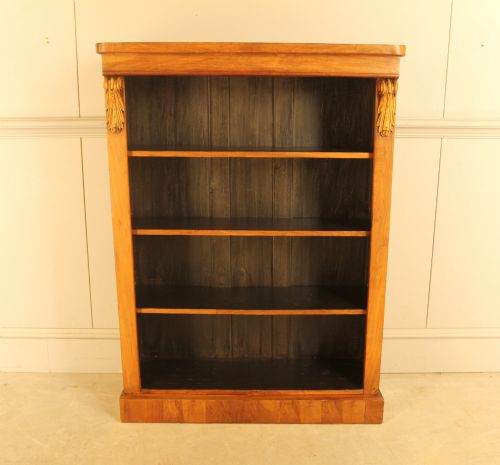
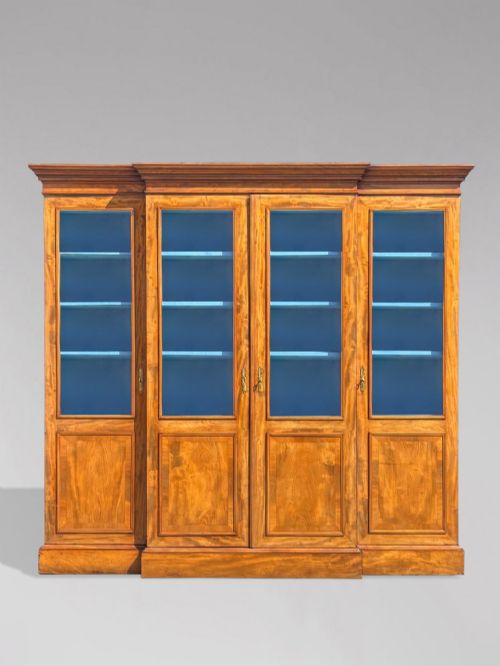
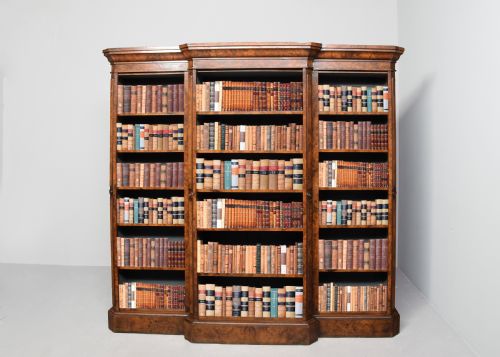
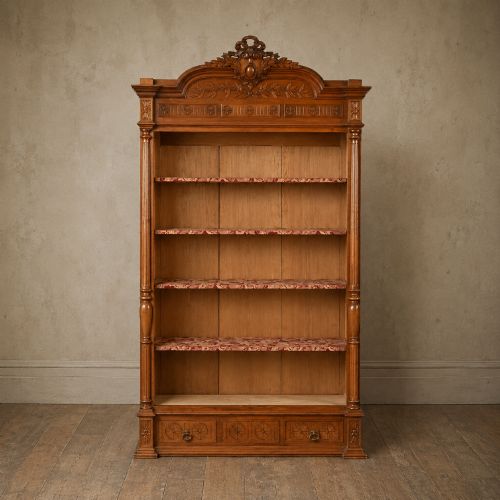
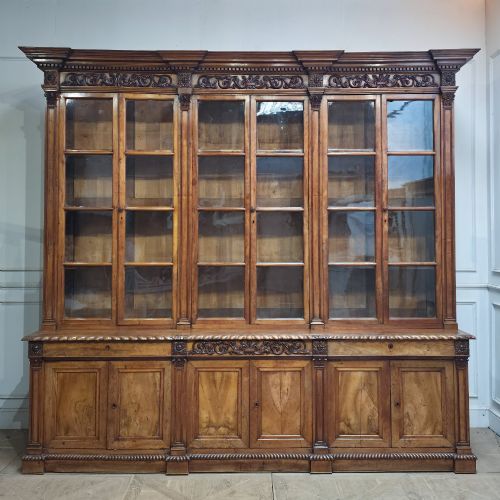
A walnut library cabinet serves to organise and display books, combining timber shelving with glazed doors or open compartments. These pieces range from compact Edwardian cupboards to grand breakfront bookcases spanning multiple sections.
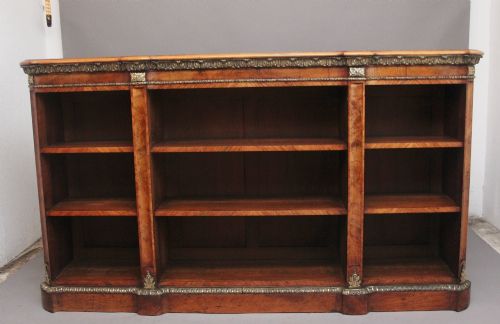
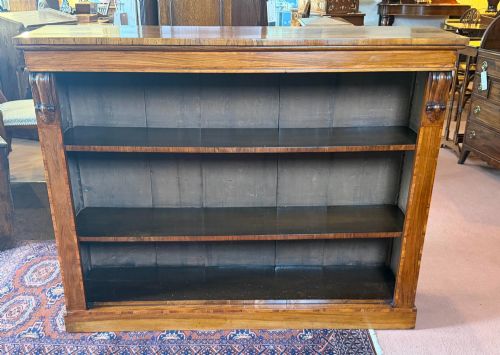
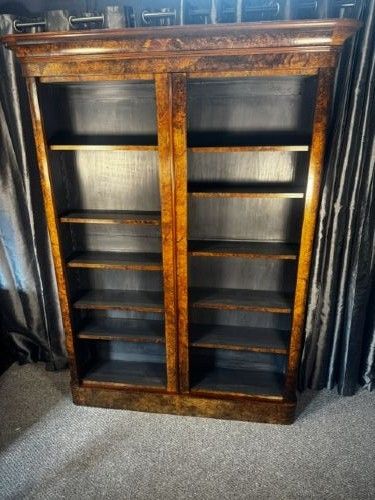
Victorian and nineteenth-century examples dominate the offerings, often featuring figured grain, adjustable shelves, and brass or ormolu mounts. Makers applied both open formats and enclosed glazed designs to house substantial personal libraries.
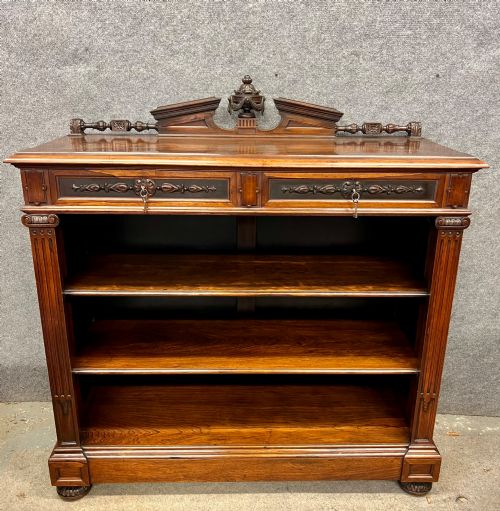
Beyond standard bookcases, forms extend to modular stacking units, music cabinets, and low display cupboards suited for domestic studies. Each variant reflects the domestic requirements of nineteenth and early twentieth-century households.
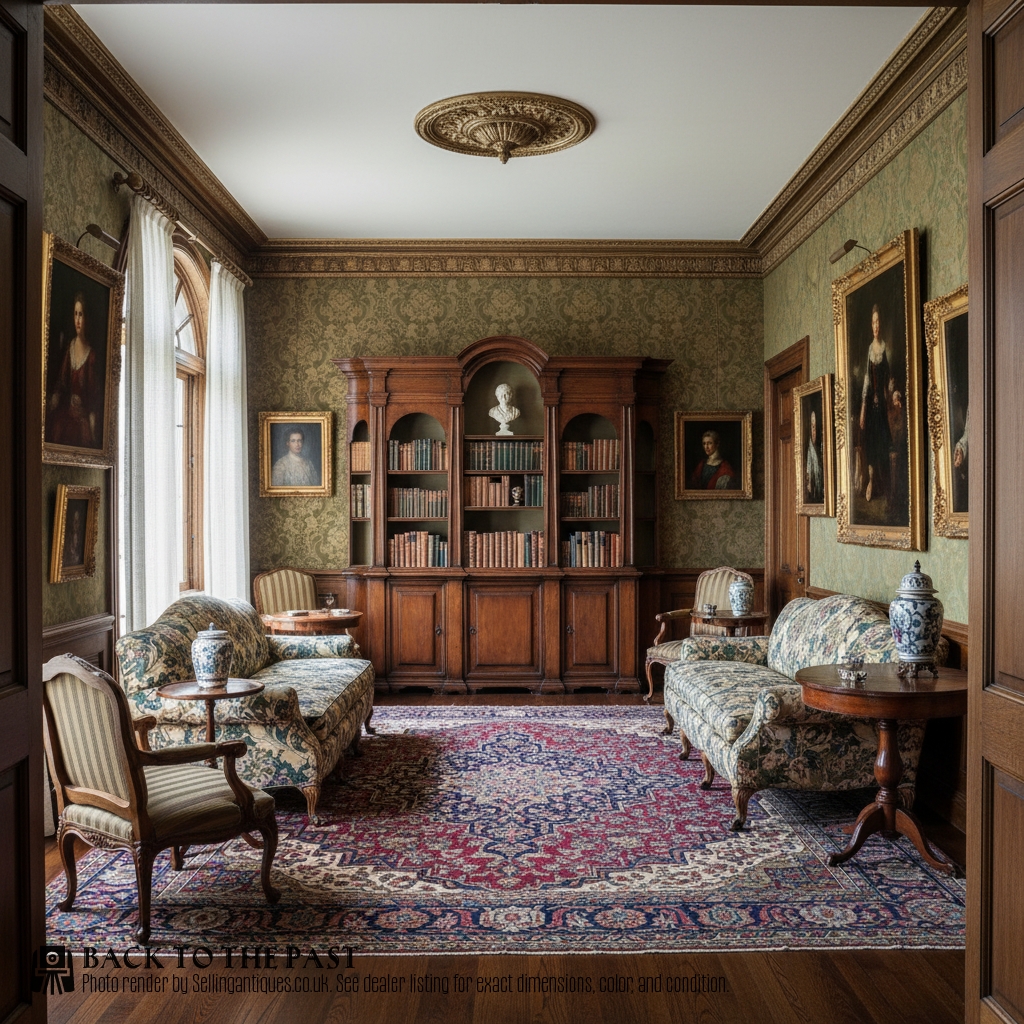
Materials and Construction Methods
Cabinet makers utilised solid timber alongside figured and burr walnut veneers to create rich surface patterns across large expanses of doors and cornices. Veneering allowed workshops to display intricate grain figures while maintaining structural stability across wide breakfront carcases.
Glazing bars divided large glass panes, while internal brass tracks supported adjustable shelving systems designed to accommodate varying book sizes. Ormolu mounts, gilt details, and inlaid banding occasionally enriched the exterior timber frames.
Walnut Library Cabinet Retail Price Guide 2026
Typical asking prices for walnut library cabinet among the pieces listed under this phrase on Sellingantiques today, from the lower quarter to the upper quarter. They describe what is for sale here now, not the wider market.
Listings feature walnut library cabinets spanning from the Victorian era through the Edwardian period and into 1930s Art Deco designs.
Assessing Quality and Craftsmanship
Quality rests in the selection of the walnut timber, where highly figured burr veneers and symmetrical grain patterns distinguish superior examples from plain carcases. The crispness of carved mouldings, the precision of inlay, and the integration of quality brass hardware further separate standard production from exceptional cabinet work.
Structural integrity reveals itself in the fitting of doors, the smooth operation of drawers, and the robustness of adjustable shelf supports. Superior pieces maintain alignment across multi-section breakfront forms without warping in the timber panels.
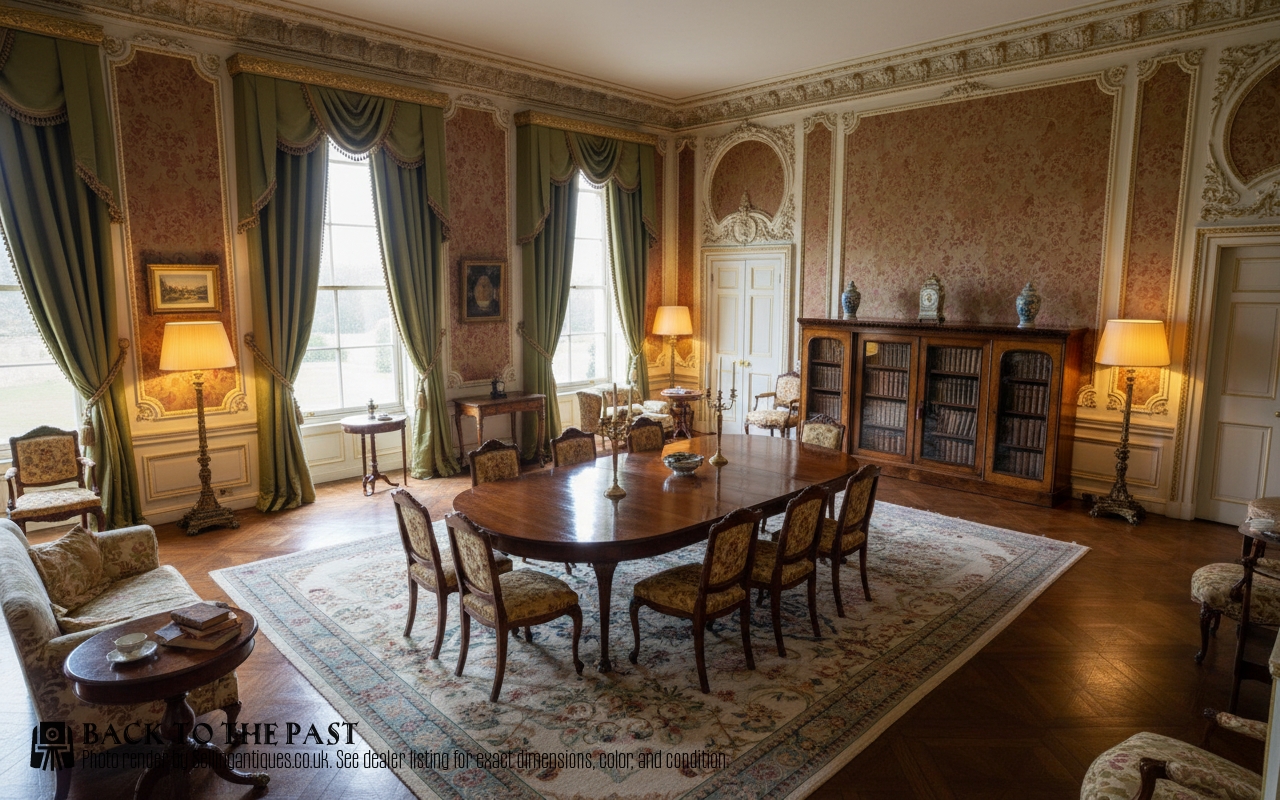
Johnstone And Jeanes·Waring And Gillow·Heal S·Maple And Co
The Walnut Library Cabinet Glossary
- Breakfront
- A piece of furniture where the central section projects forward from the flanking wings. This configuration creates visual depth and additional interior capacity.
- Burr walnut
- Timber harvested from the wart-like growths on walnut trees, yielding swirling, highly decorative grain patterns. Cabinet makers prized these sections for prominent door panels.
- Ormolu
- Gilt bronze ornamentation applied to furniture mounts and architectural details. Found on French and continental pieces to accent the dark timber.
- Glazed door
- A timber door fitted with glass panels to display books while protecting them from dust. These often feature wooden or brass framing bars.
- Adjustable shelf
- Shelving supported by movable pins or tracks rather than fixed wooden slots. This mechanism allowed owners to alter shelf heights for different volumes.
Walnut Library Cabinet: Frequently Asked Questions
How do I adjust the shelves?
Most nineteenth-century and Edwardian walnut library cabinets utilise internal wooden side racks, brass studs, or metal tracks to hold shelves at different heights. You simply lift the shelf slightly to release it from its supports and reposition it into the adjacent slots.
Older mechanisms may require care if the timber has settled over decades of use. Ensure the shelf rests evenly on all four supports to prevent warping under the weight of heavy books.
Are the doors usually glazed or open?
Both formats appear frequently, with glazed doors providing protection from dust and open shelving offering immediate access to volumes. Breakfront library cabinets often combine enclosed cupboards with open display bays across their multiple sections.
Glazed variants typically feature wooden lattice work or simple glass panes secured with putty or timber beads. Open versions usually incorporate finished interior backs and sturdy vertical partitions.
How do I care for walnut veneer?
Walnut veneer benefits from stable room environments away from direct sunlight and sudden radiator heat. Gentle dusting with a dry, soft cloth preserves the polished surface without stripping natural oils from the timber.
Avoid excessive moisture and commercial silicone sprays, which can penetrate hairline cracks in older finishes. Occasional application of a suitable beeswax polish maintains the lustre of figured and burr surfaces.