

Walnut Glass Cupboard
A walnut glass cupboard organises and displays cherished possessions through glazed doors.
Walnut Glass Cupboard
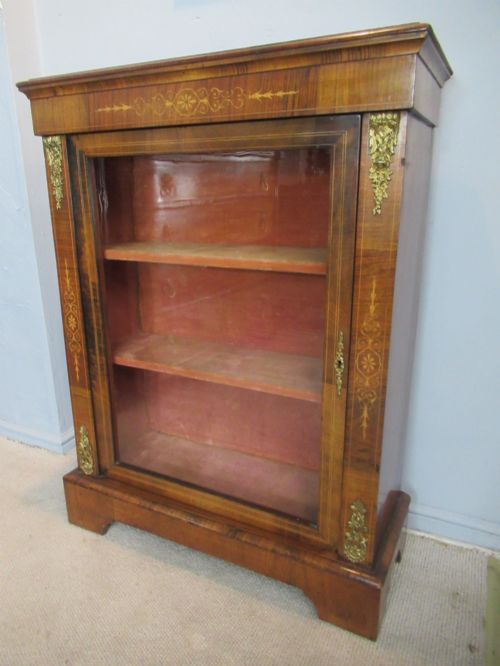
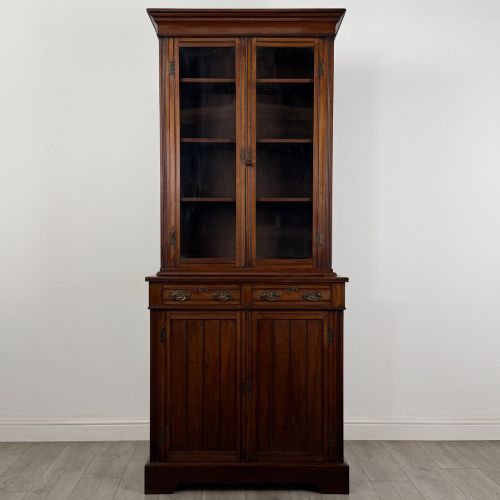
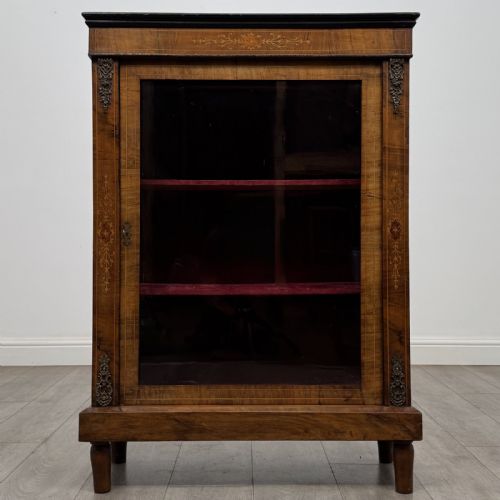
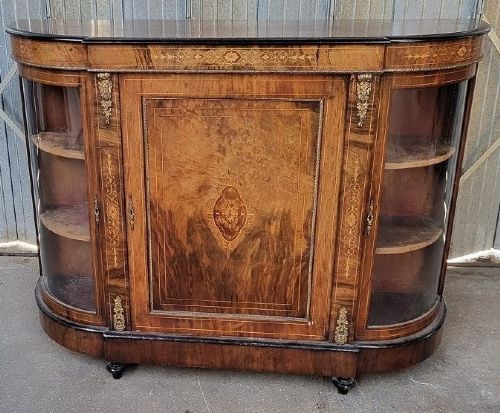
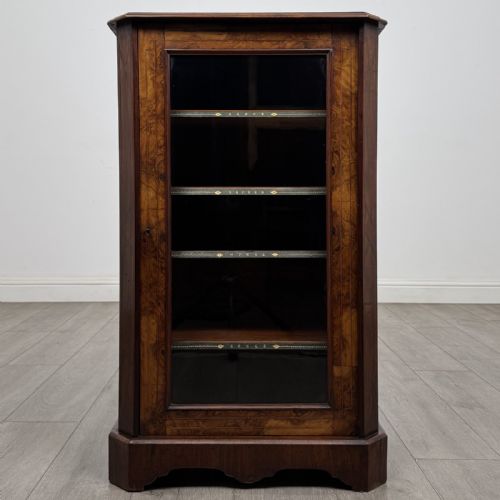
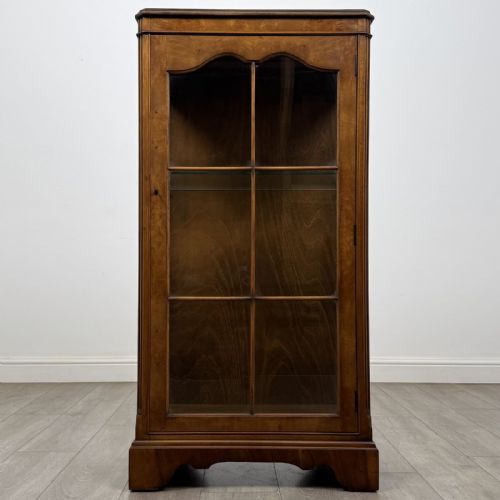
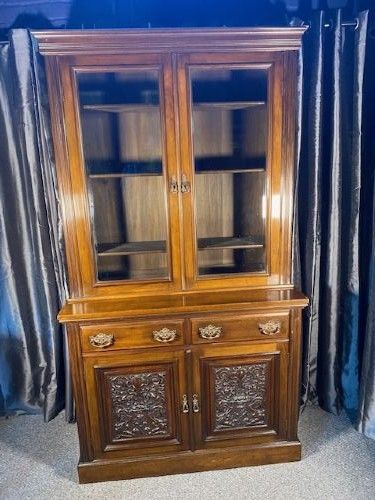
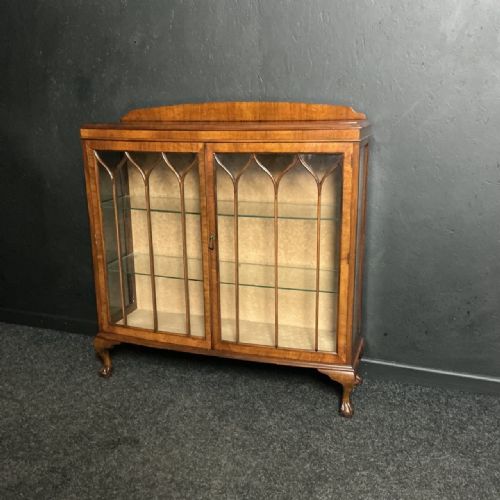
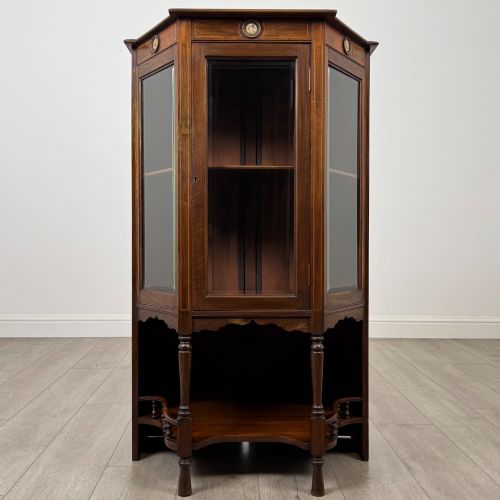
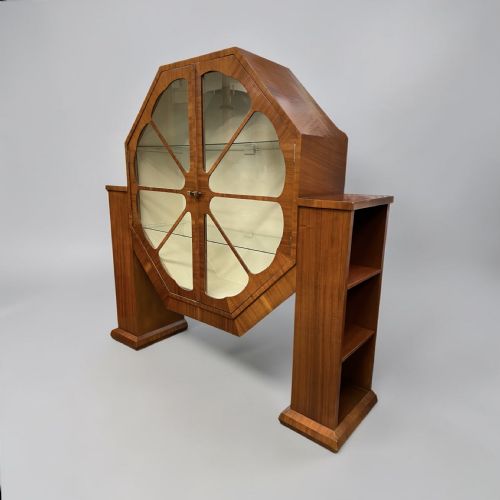
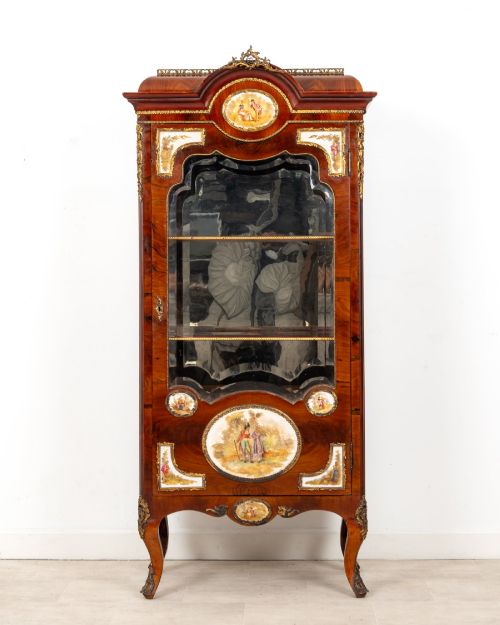
A walnut glass cupboard brings together figured timbers and transparent panels to protect books, china, and ornaments. When browsing for a walnut glass cupboard, buyers frequently encounter Victorian pier cabinets, glazed bookcases, and Art Deco display pieces.
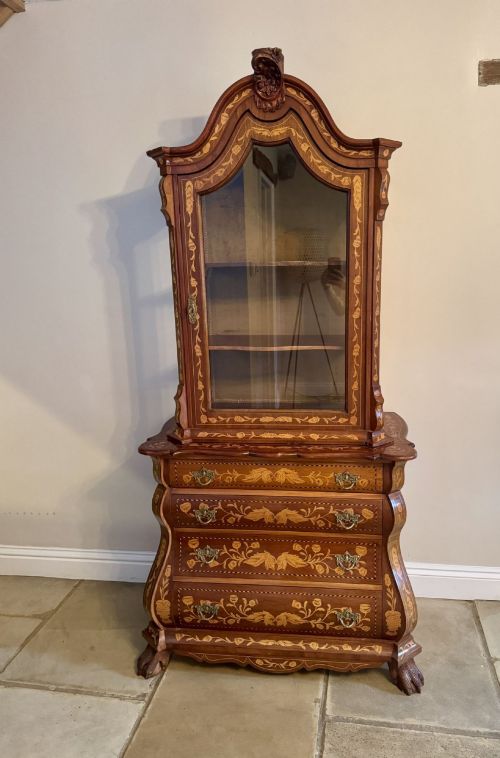
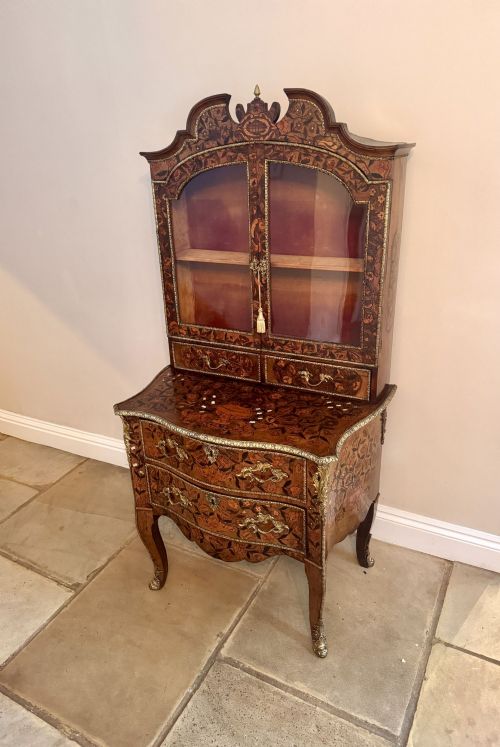
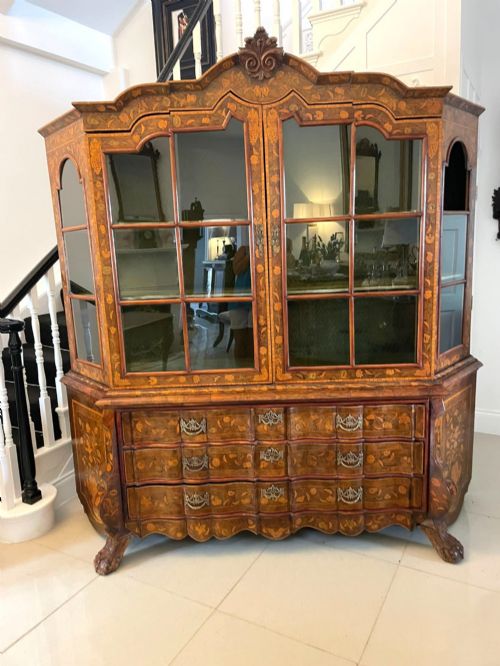
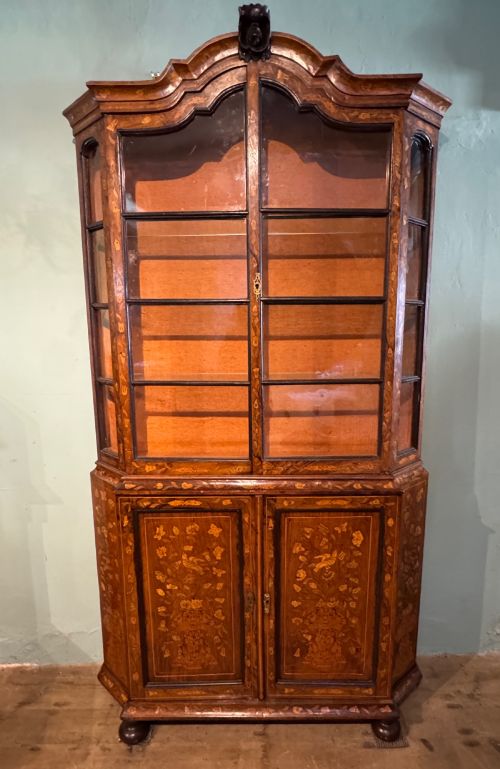
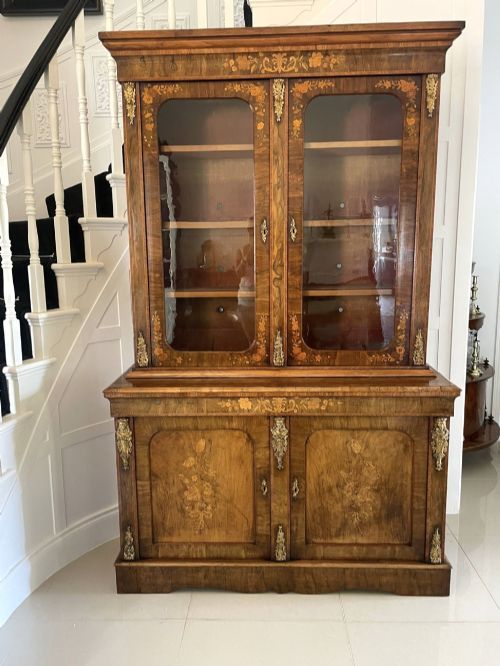
The selection ranges from compact Edwardian corner cabinets to substantial nineteenth-century credenzas and Dutch marquetry display pieces. Victorian examples often feature single glazed doors with delicate marquetry inlay, whilst later twentieth-century iterations adopt geometric Art Deco forms.
Makers and workshops across different eras utilise the rich grain of walnut to frame glass viewing areas. These pieces serve primarily to exhibit collections while keeping dust away from delicate ceramics and paper.
How They Were Made
Craftsmen construct these cabinets using solid walnut carcasses overlaid with figured walnut and burr walnut veneers to create striking grain patterns. Boxwood inlay and marquetry details frequently embellish the exterior surfaces of Victorian and Dutch pieces.
Structural elements incorporate brass mounts, ormolu details, and velvet linings within the display interiors. Glazing bars divide the glass panels into geometric or arched panes, secured within sturdy timber frames.
Walnut Glass Cupboard Retail Price Guide 2026
Typical asking prices for walnut glass cupboard among the pieces listed under this phrase on Sellingantiques today, from the lower quarter to the upper quarter. They describe what is for sale here now, not the wider market.
Listings feature walnut timber combined with glass, brass, burr walnut, ormolu, velvet, boxwood inlay, and fabric across multiple historical periods.
What Varies in Quality
The depth of figure in the walnut veneer distinguishes standard cabinet work from exceptional pieces, with burr walnut demanding greater skill in selection and application. Richness of tone and symmetry in marquetry inlay indicate the maker's proficiency.
Mounts cast in ormolu and fine brass galleries reflect the original cost and ambition of the piece. The precision of the joinery around the glazed doors and the integration of internal shelving determine the structural integrity.
Rurka·Epstein
The Walnut Glass Cupboard Glossary
- Burr Walnut
- Timber taken from a tree growth that produces swirling, highly decorative grain patterns. Cabinet makers select these sections for prominent door panels and tabletops.
- Ormolu
- Gilded bronze mounts applied to furniture for decoration. This technique adds metallic contrast to the dark timber surface.
- Marquetry
- Inlaid pieces of wood fitted together to form decorative pictures or patterns. Craftsmen use contrasting timbers like boxwood to achieve definition.
- Pier Cabinet
- A low cabinet designed to fit against the wall space between windows. These pieces often feature a single glazed door and flat top.
- Credenza
- A sideboard or cabinet featuring cupboards and display space. Elaborate Victorian examples frequently incorporate marquetry and ormolu mounts.
Walnut Glass Cupboard: Frequently Asked Questions
What is a walnut glass cupboard?
A walnut glass cupboard is a display furniture piece featuring wooden frames made from walnut timber combined with glazed panels. These cabinets serve to showcase porcelain, books, and decorative objects.
They appear in various forms including tall bookcases, low pier cabinets, and corner units across Victorian and Art Deco styles.
How do I date a walnut cabinet?
Dating relies on observing the stylistic markers, construction techniques, and timber treatments characteristic of specific periods. Victorian pieces often display marquetry and ormolu, whereas Art Deco cabinets favour figured veneers and clean geometric lines.
Hardware such as brass hinges and internal linings also provide clues to the era of manufacture.
Where were these cabinets placed?
Historical interiors utilised these cabinets in parlours, drawing rooms, and libraries to protect and exhibit valuable items. Pier cabinets specifically occupied the wall spaces between windows.
Corner cabinets made efficient use of awkward room junctions while keeping collections visible.
How do I care for burr walnut?
Maintaining burr walnut involves keeping the timber away from direct sunlight and sudden temperature shifts to prevent veneer cracking. Regular dusting with a soft cloth preserves the polished surface.
Applying appropriate furniture wax periodically nourishes the grain without building up heavy residues.