

Walnut Furniture Frame
A walnut furniture frame offers enduring structure, uniting deep timber grains with the clean lines of beds, chairs, and stands.
Walnut Furniture Frame
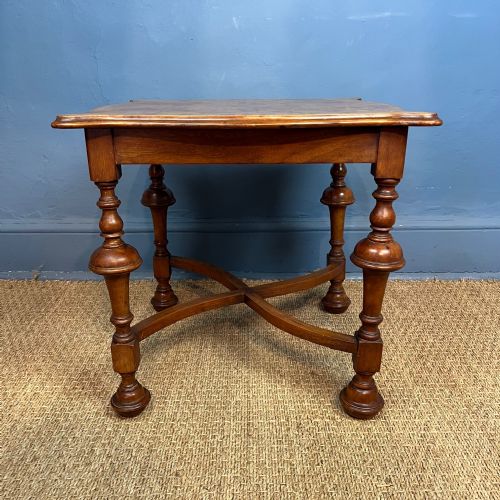
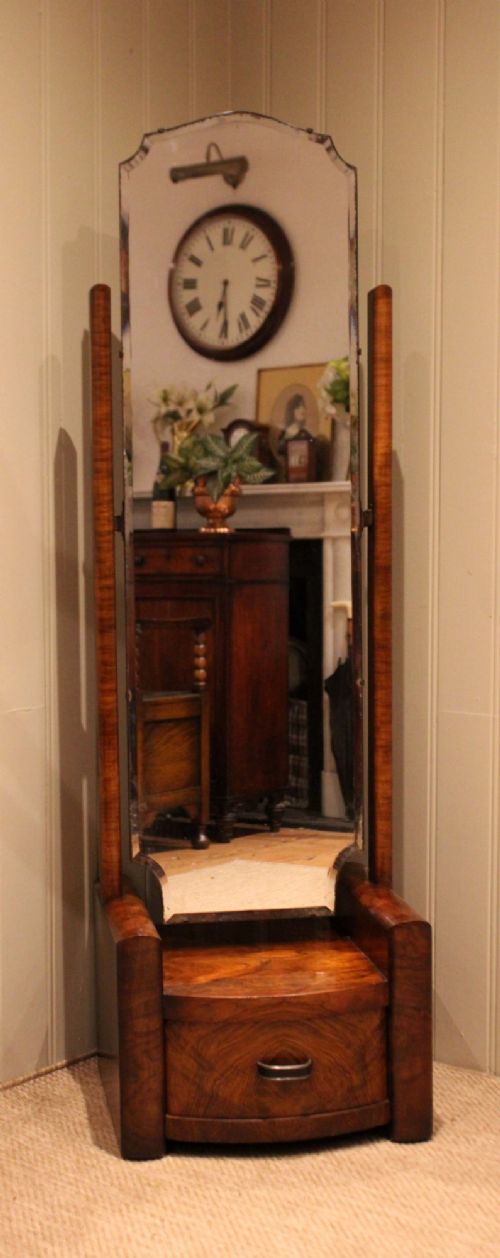
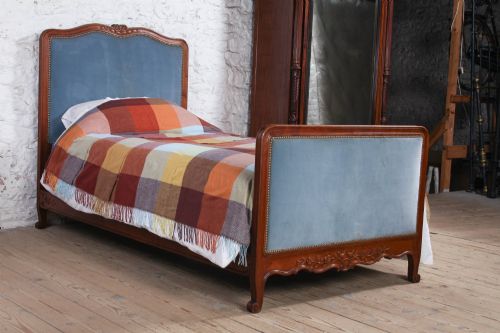
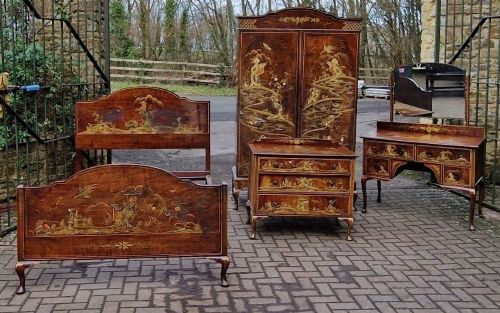
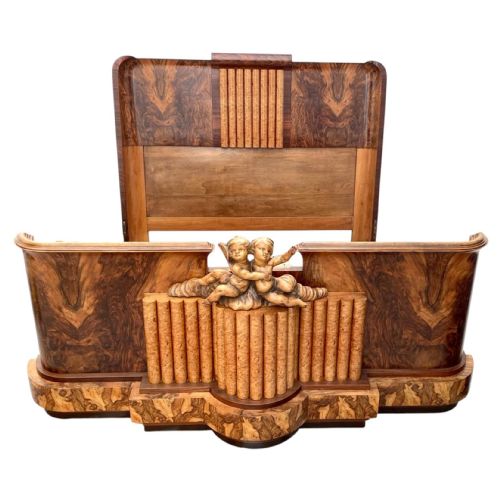
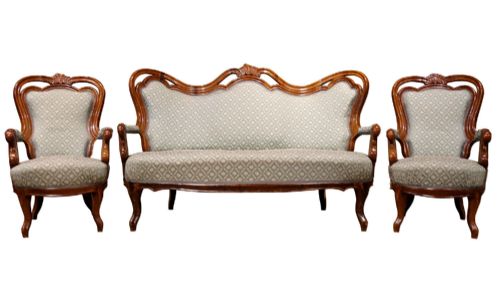
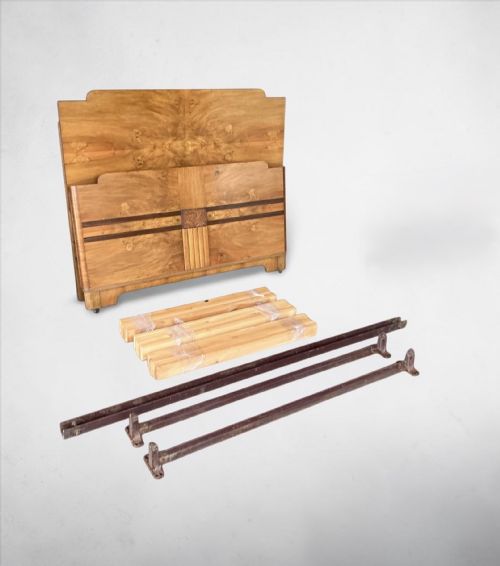
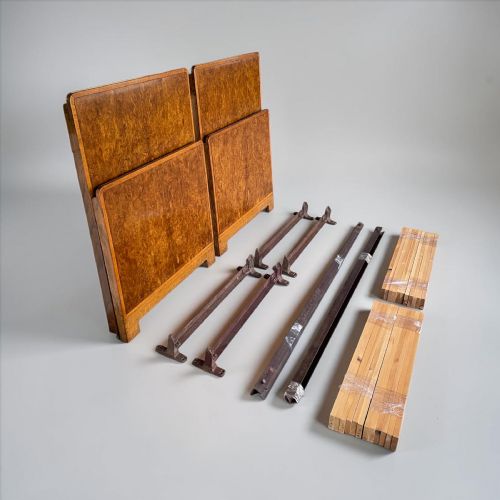
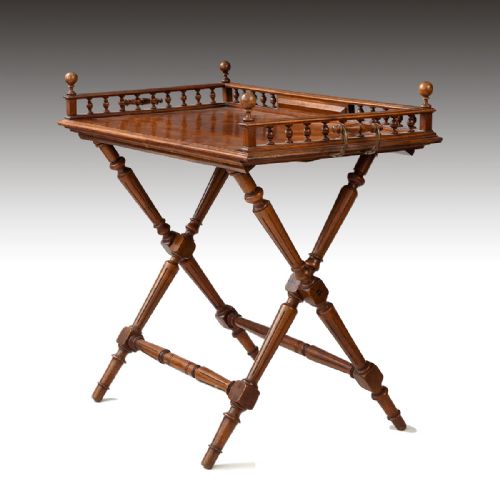
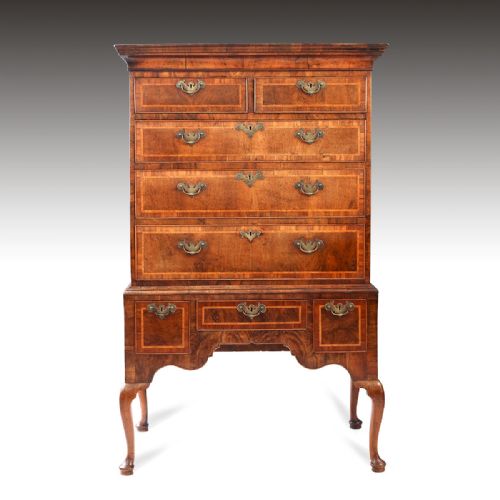
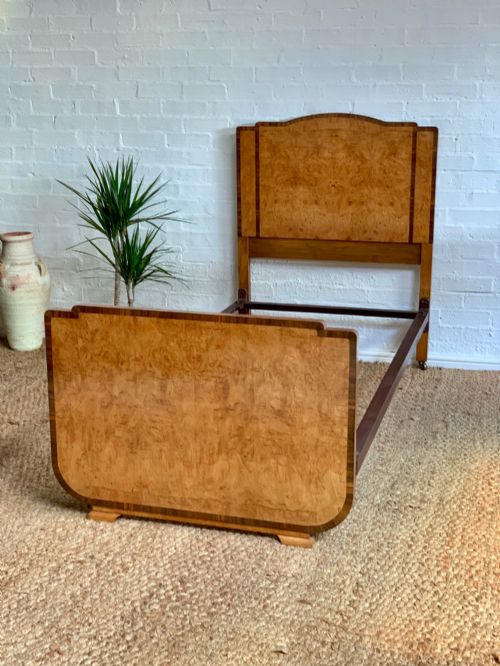
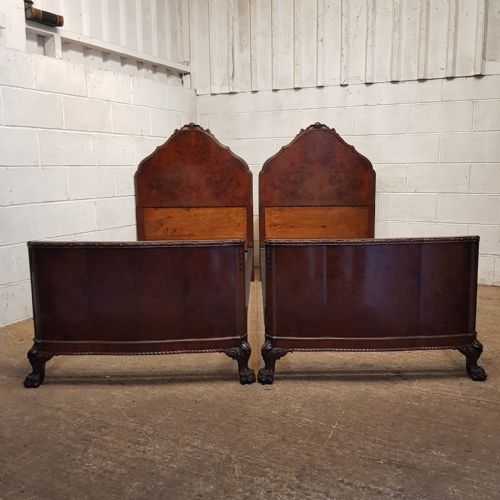
A walnut furniture frame encompasses large structural forms including double beds, single bedsteads, and salon suites, alongside smaller items like butler trays on stands and chests on stands. These pieces span from early eighteenth-century George I examples to twentieth-century Art Deco designs.
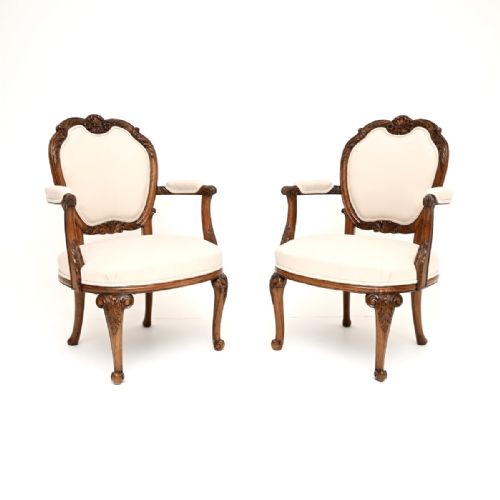
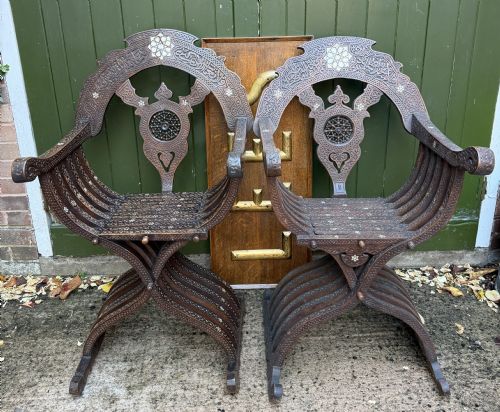
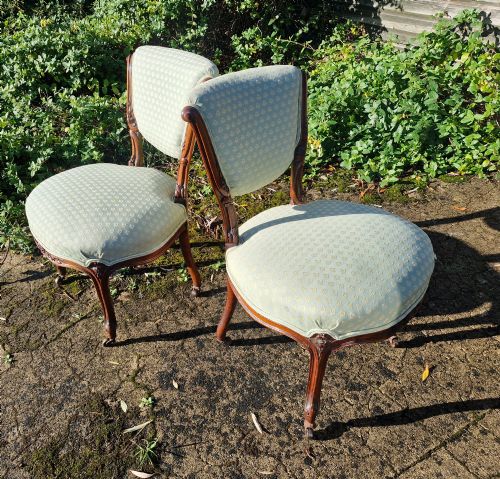
The selections frequently manifest as bedroom suites, armchairs, and framed seating upholstered in fabric, featuring timber constructions that serve as the primary skeletal support for beds and chairs.
How they were made
Construction relies heavily on solid walnut, burr walnut, and walnut veneer applied over secondary timbers like oak, timber, and fruitwood. Structural stability is reinforced with iron and brass components.
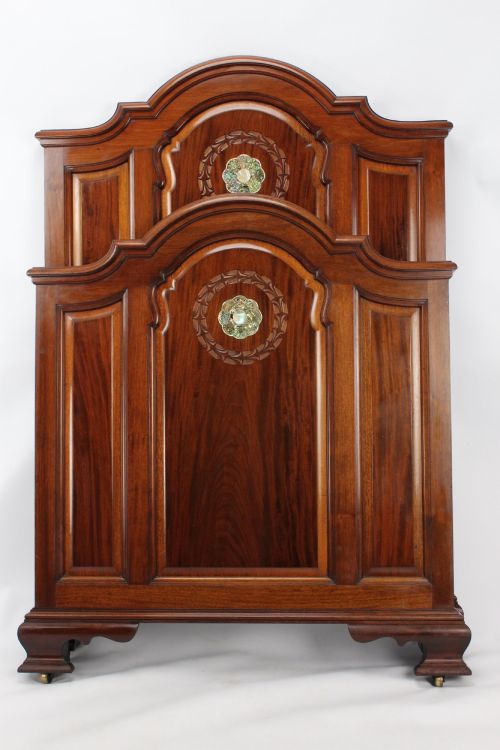
Many frames incorporate decorative elements such as mother-of-pearl and abalone inlay, marquetry, and carved detailing, reflecting periods from the Victorian era through to Art Deco production.
Walnut Furniture Frame Retail Price Guide 2026
Typical asking prices for walnut furniture frame among the pieces listed under this phrase on Sellingantiques today, from the lower quarter to the upper quarter. They describe what is for sale here now, not the wider market.
Listings feature walnut furniture frames paired with brass, iron, fabric, and oak across periods spanning the seventeenth century to Art Deco.
What varies in quality
Quality rests upon the selection of timber figures, such as heavily figured burr walnut and birds eye maple, matched against the precision of cabinet work and inlay. Early pieces demonstrate master joinery in chest on stand forms.
The sophistication of period styling, from Queen Anne and George I proportions to Art Deco geometries and French Louis XVI revival marquetry, dictates the refinement of the finished frame.
Hille·Waring and Gillow·Harry and Lou Epstein·Howard and Sons·Heals
The Walnut Furniture Frame Glossary
- Walnut veneer
- A thin layer of walnut timber applied to the surface of a carcase to display decorative grain patterns. This technique allows cabinetmakers to utilise striking figures without warping solid boards.
- Burr walnut
- A prized timber harvested from tree growths that produces intricate, swirling grain patterns. It is frequently selected for high-status veneer work on twentieth-century beds and cabinets.
- Chest on stand
- A tall storage chest raised on a separate base with legs. Early eighteenth-century examples represent some of the finest joinery seen in walnut furniture.
- Marquetry
- The art of applying pieces of veneer to a structure to form decorative patterns or pictures. It appears frequently on revival pieces and French beds.
- Bedstead
- The framework of a bed consisting of headboards, footboards, and side rails. These structures often incorporate panelled walnut and brass fittings.
Walnut Furniture Frame: Frequently Asked Questions
What periods do these walnut frames cover?
The selections span from the seventeenth and eighteenth centuries, through Victorian and Edwardian eras, up to the Art Deco movement of the 1930s.
Early pieces often take the form of chests on stands, while later decades favour streamlined beds and matching bedroom suites.
How do I identify a burr walnut frame?
Burr walnut is characterised by dense, swirling knot formations and highly decorative grain patterns across the timber surface.
Cabinetmakers typically use this wood as a veneer on prominent areas like headboards and drawer fronts.
Are these frames suitable for modern mattresses?
Many twentieth-century and Art Deco bedsteads accommodate standard modern sizes such as double, king size, and super king size.
Buyers should verify internal dimensions before pairing historical frames with contemporary mattresses.
What styles are common among the seating frames?
Seating encompasses salon armchairs, bedroom chairs, and multi-piece suites reflecting Victorian, Edwardian, and Art Deco aesthetics.
Construction styles range from carved fruitwood and walnut frames to upholstered pieces with inlaid shell details.