



Walnut French Commode Cabinet
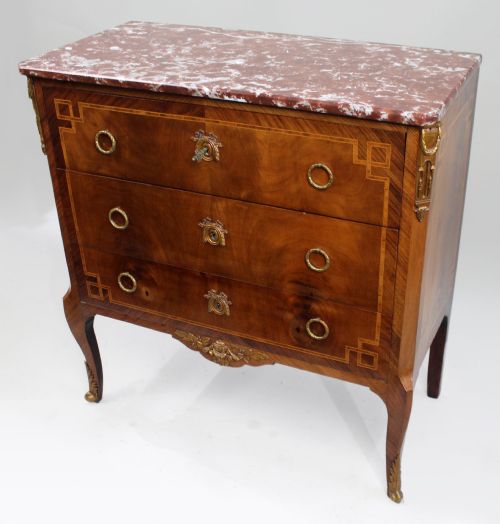
A walnut french commode cabinet brings continental elegance and substantial storage to a room through figured timber and heavy stone tops.
Walnut French Commode Cabinet
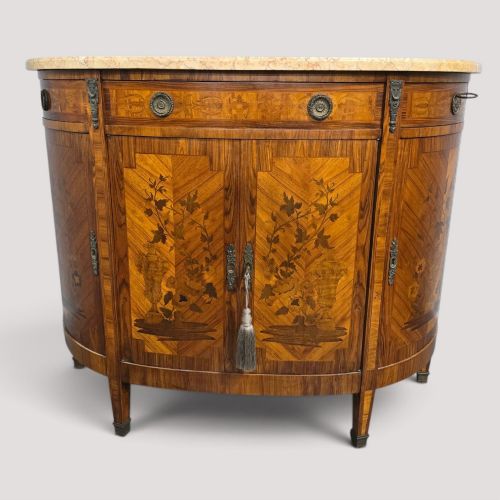
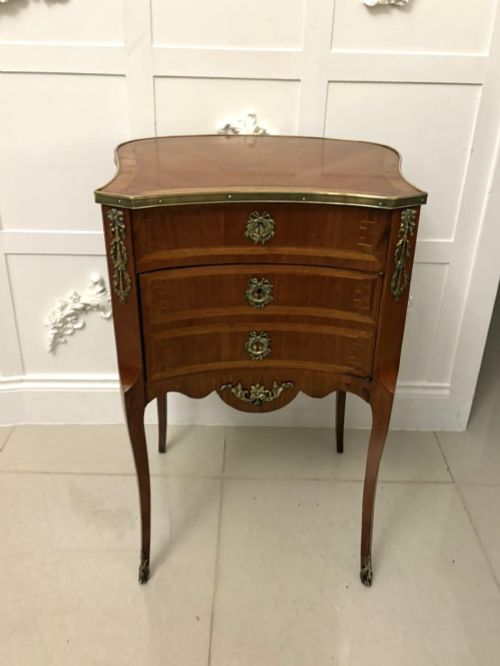
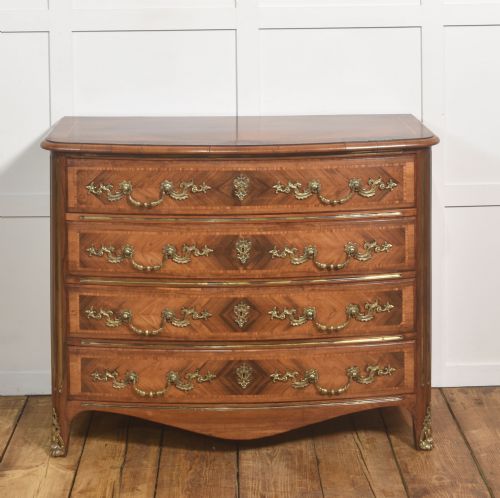
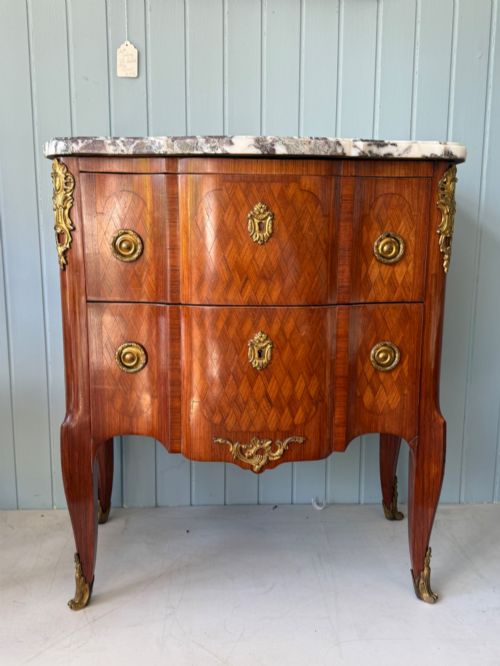
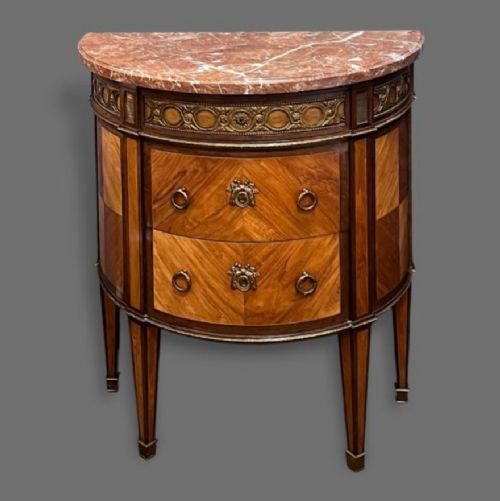
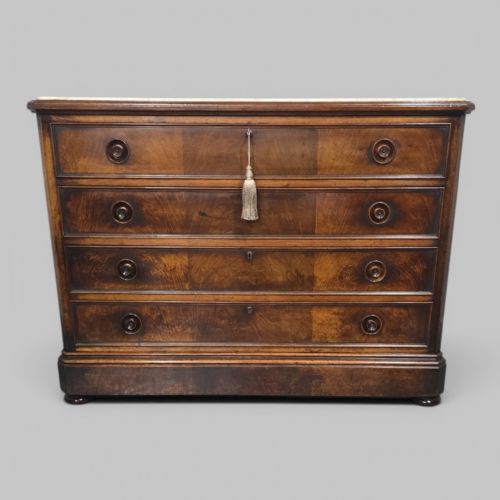
When you search for a walnut french commode cabinet, you encounter low storage furniture designed with continental proportions and rhythmic serpentine or demi-lune fronts. The selection on this page draws heavily from nineteenth-century origins and twentieth-century revivals, spanning styles from Louis XV curves to Louis XVI restraint.
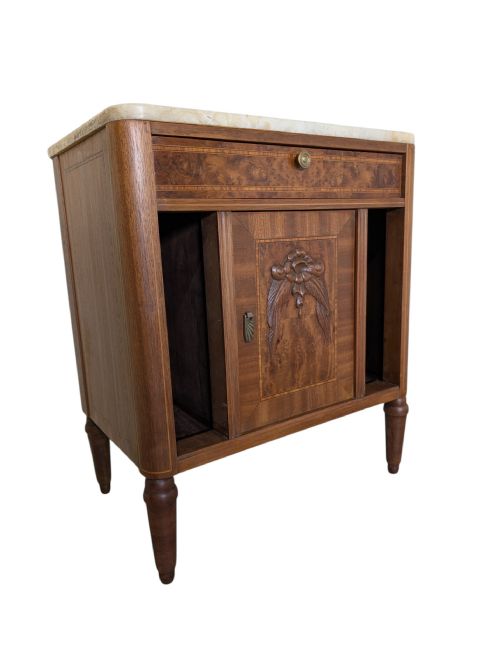
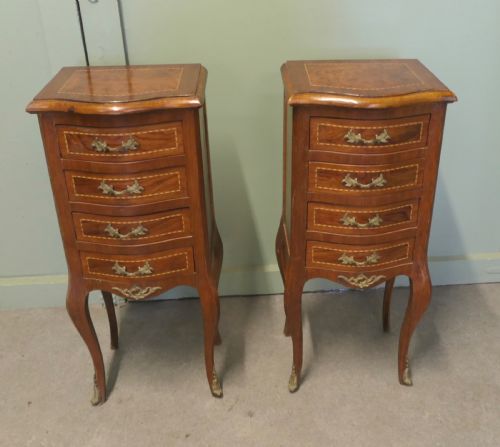
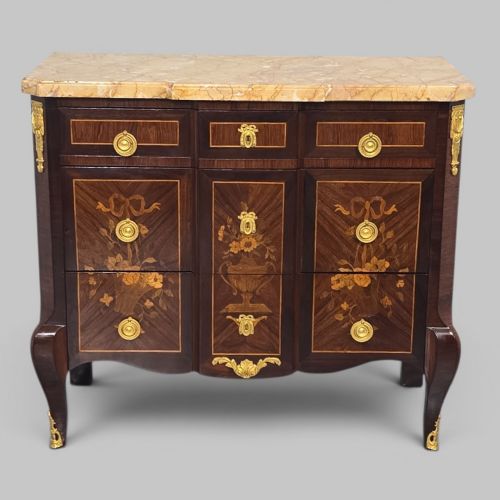
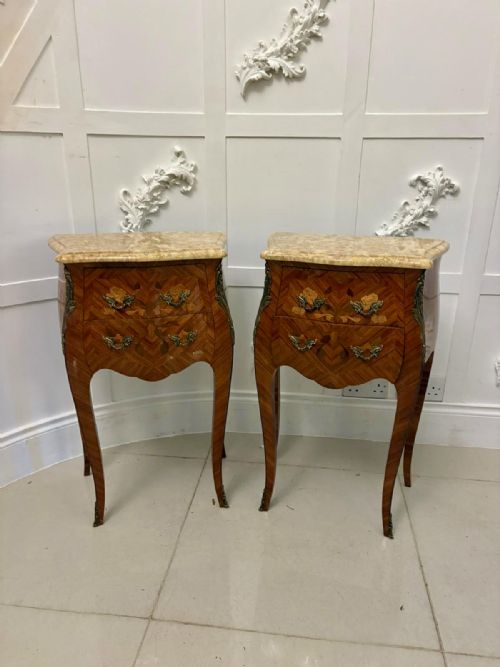
Most examples function as chests of drawers, commodes, or smaller bedside cabinets. These pieces balance practical bedside or parlour storage with ornamental marquetry, parquetry, and contrasting timber grains.
The regional makers and workshops behind these items utilised classical forms, pairing generous drawer capacity with decorative side cabinets and consoles. They sit comfortably in both traditional and modern interiors as focal storage units.
Materials and Construction Methods
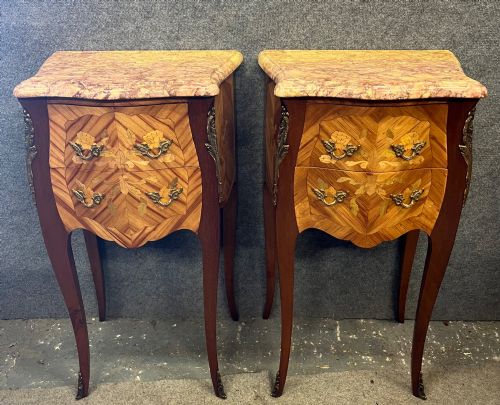
Cabinetmakers built the carcass using walnut and burr walnut veneers, often incorporating kingwood and rosewood to form geometric parquetry or floral marquetry patterns across the drawer fronts and sides. These timbers were selected for their rich grain movement and warm colour.
Many surfaces feature heavy marble tops in grey or rouge varieties, fitted flush to the wooden frame to provide a durable and cool upper surface. Gilt bronze, ormolu mounts, and cast brass handles accent the corners, key escutcheons, and drawer pulls.
Structural framing relied on traditional joinery methods suited to serpentine and bombe shapes, allowing the wood to accommodate seasonal changes while supporting heavy stone slabs without warping.
Marble tops appear in grey and rouge varieties, paired frequently with gilt bronze, ormolu, and brass hardware.
Distinctions in Execution and Detail
The refinement of the marquetry and the precision of the parquetry patterns distinguish standard production from exceptional work. Superior pieces display intricate, hand-cut floral or geometric veneer layouts that flow seamlessly across drawer dividers.
The integration of the hardware and stone dictates the piece's standing. High-grade items feature finely chased ormolu mounts that fit the contours of the walnut carcass precisely, alongside thick, well-polished marble slabs with profiled edges.
Internal construction, such as secondary softwood linings, hand-cut dovetails on the drawers, and smooth running actions, separates fine cabinetmaking from mass-produced decorative items.
The Walnut French Commode Cabinet Glossary
- Commode
- A low chest of drawers or cabinet originating in France, typically featuring multiple drawers and decorative mounts.
- Marquetry
- The art of applying decorative veneer pieces of different woods to a structure to form intricate pictorial designs.
- Ormolu
- Gilt bronze ornamentation applied to the mounts, handles, and feet of fine cabinet furniture.
- Serpentine
- A furniture front or top shaped with a central convex curve flanked by two concave curves.
- Demi-lune
- A half-moon shape used for console tables, chests, and side cabinets designed to sit flat against a wall.
Walnut French Commode Cabinet: Frequently Asked Questions
How do I style a commode in a modern room?
A walnut french commode cabinet anchors a modern room by introducing organic wood grain and historical texture against plain walls. Pair the piece with minimal lighting or contemporary art to balance the ornate marquetry.
The substantial surface accommodates lamps or books while concealing everyday items within the deep drawers. Its compact footprint suits hallways, bedrooms, or living spaces alike.
What is the difference between a commode and a bedside cabinet?
Commodes are larger chest units traditionally designed for principal rooms, offering wider drawers and greater height. Bedside cabinets scale down these proportions to fit alongside a bed.
Both forms share similar stylistic traits, such as marble tops and marquetry inlay, but serve entirely different spatial requirements.
How do I care for the marble top?
Marble surfaces require regular wiping with a soft, damp cloth and neutral soap to prevent staining from liquids or cosmetics. Avoid acidic cleaners that etch the polished stone finish.
Using coasters and mats protects the natural porous material from rings and marks during daily use.
How can I tell the period of a cabinet?
Dating relies on examining the construction methods of the drawers, the type of veneer backing, and the wear patterns on the internal timbers. Nineteenth-century examples often display hand-cut dovetails and distinct patination on the walnut.
Revival pieces from later decades imitate earlier Louis XV or XVI styles but employ machine-cut elements or different secondary woods beneath the veneer.