


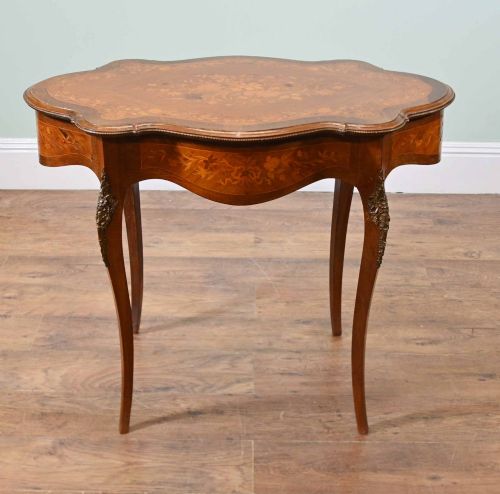
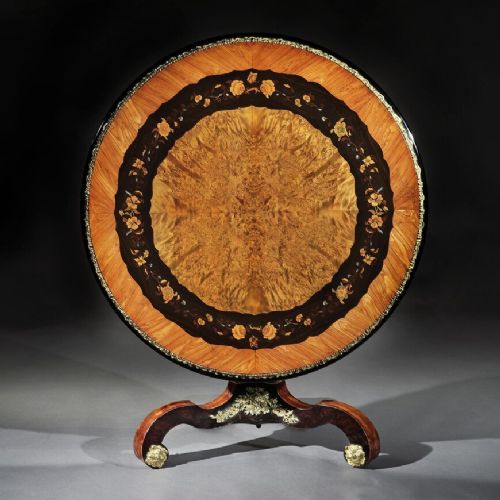
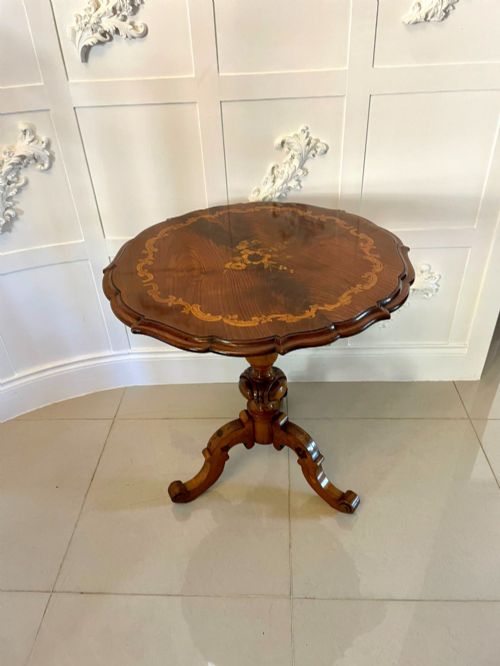
Walnut Floral Marquetry Table
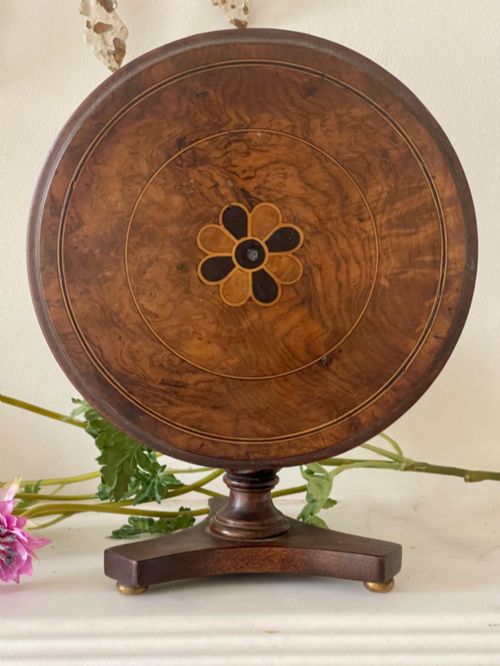
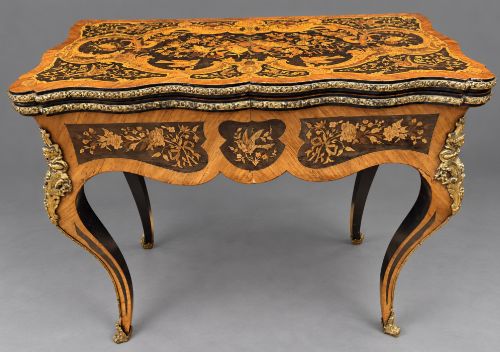
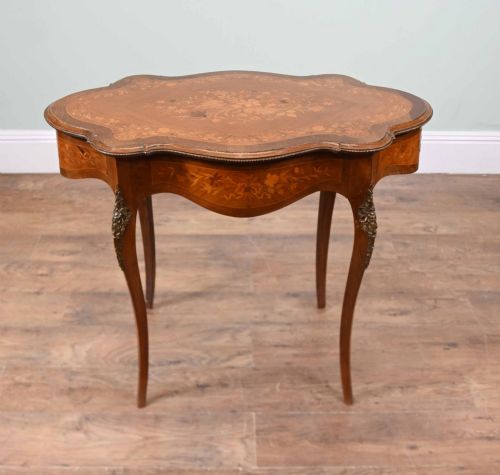
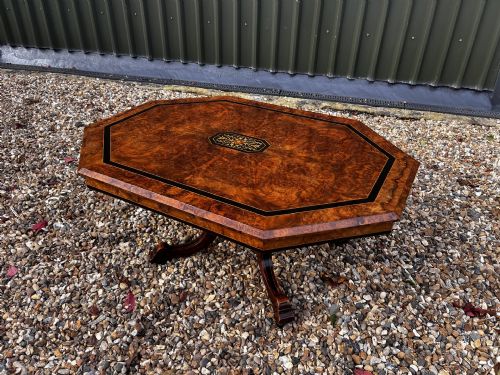
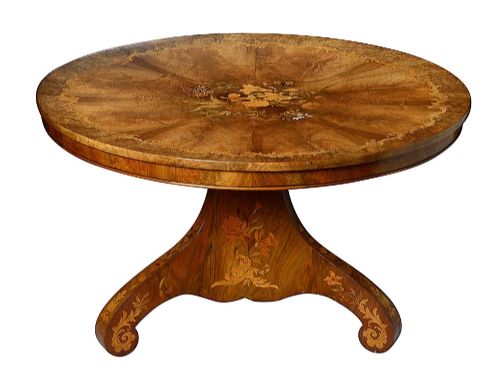
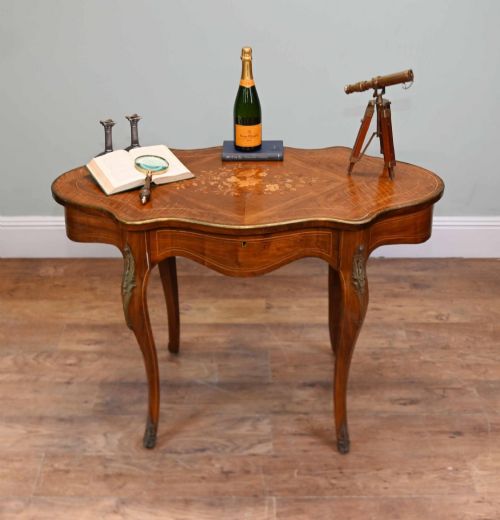
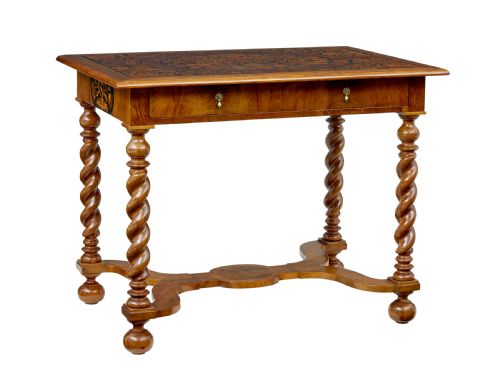
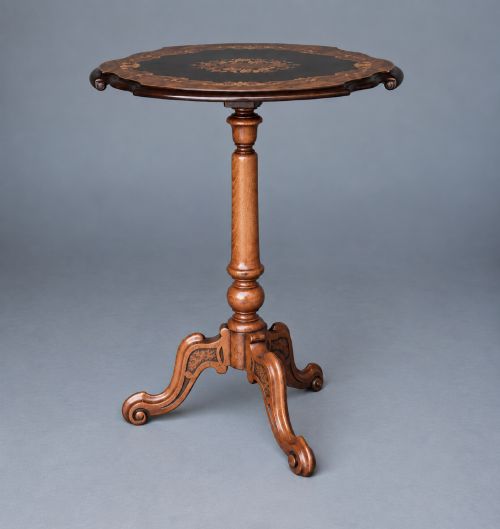
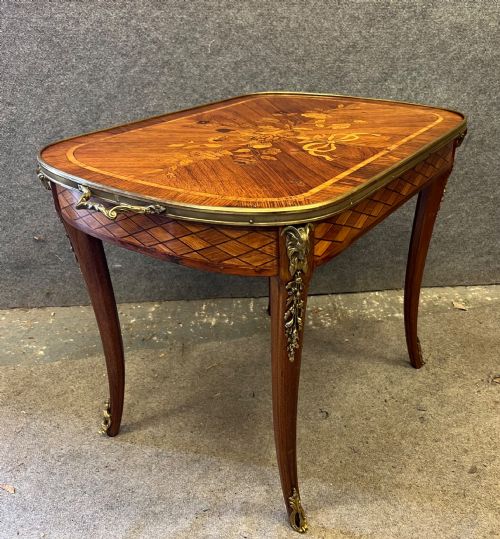
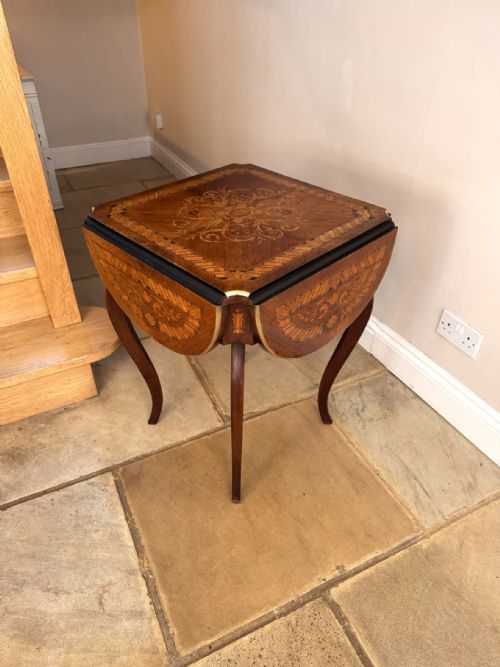
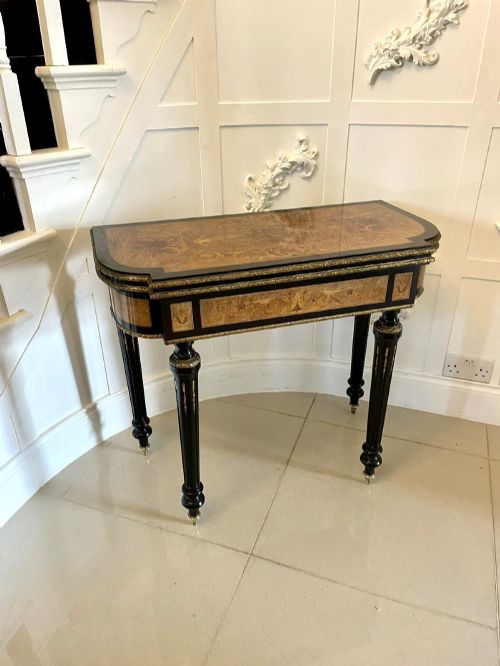
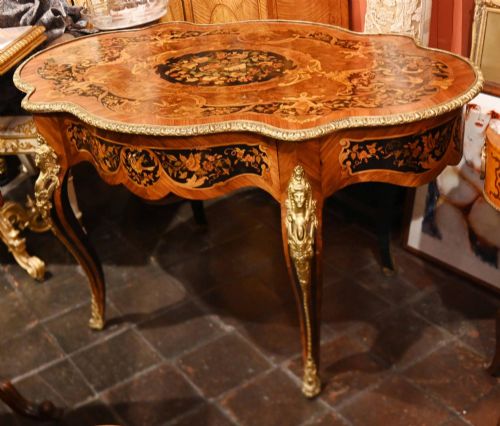
A walnut floral marquetry table brings together rich timber and intricate botanical inlay, offering a striking centrepiece for any room.
Walnut Floral Marquetry Table
A walnut floral marquetry table encompasses a range of functional furniture forms, most notably centre tables, side tables, and writing tables designed for display and daily use. These pieces span the eighteenth and nineteenth centuries, with Victorian examples and continental interpretations appearing frequently.
Buyers encounter diverse formats such as games tables, occasional tables, and occasional bedside chests alongside larger library and breakfast tables. The overarching feature remains the combination of walnut timber surfaces decorated with detailed floral marquetry inlay.
Origin and period heavily influence the character of each piece, ranging from English Victorian burr walnut productions to eighteenth-century Dutch rococo designs featuring birds and floral motifs.
Materials and technique
Craftsmen built these tables using walnut and burr walnut veneers applied to sound underlying timbers, creating patterned surfaces with rich natural figuring. Floral marquetry was executed by cutting intricate designs from various contrasting woods and fruitwoods, then fitting them precisely into the veneered ground.
Metal mounts in brass and ormolu often accented the edges, handles, and legs of French-inspired pieces, whilst marble tops appeared on specific console and bedside formats. The combination of varied timber tones gave the floral motifs depth and visual separation.
Walnut Floral Marquetry Table Retail Price Guide 2026
Typical asking prices for walnut floral marquetry table among the pieces listed under this phrase on Sellingantiques today, from the lower quarter to the upper quarter. They describe what is for sale here now, not the wider market.
Certain eighteenth-century Dutch tables sneak cheeky songbirds right into the floral marquetry, as if the local flora required extra supervision.
Judging execution and finish
Quality in a walnut floral marquetry table rests upon the precision of the inlay work and the choice of timber figure. Superior examples display tight, seamless joints within the floral patterns and utilise highly figured burr walnut that retains a warm, deep polish.
The sophistication of the design dictates the upper tier of the range, where shading on the wooden petals and realistic bird or floral arrangements demonstrate advanced craftsmanship. Lesser pieces rely on repetitive, simpler geometric borders with minimal variation in the contrasting woods.
Edward Holmes Baldock
The Walnut Floral Marquetry Table Glossary
- Marquetry inlay
- A decorative technique where small pieces of veneer are assembled into pictorial or floral patterns before being glued to a furniture surface. This method allows for complex multi-coloured designs using diverse timber species.
- Burr walnut
- A specialised cut of walnut timber taken from a tree growth, producing swirling, highly ornamental grain patterns. It provides a dramatic background texture for floral inlay.
- Centre table
- A freestanding table finished on all sides, intended to stand in the middle of a room rather than against a wall. These often feature elaborate marquetry across the entire top surface.
- Ormolu
- Gilded bronze ornamentation applied to furniture edges and mounts, frequently seen on French-influenced pieces from the nineteenth century. It adds metallic contrast to the dark timber.
- Sutherland table
- A narrow drop-leaf table with folding flaps supported by swinging legs. They became popular in the Victorian era for saving space while offering a large surface when opened.
Walnut Floral Marquetry Table: Frequently Asked Questions
How do I care for antique walnut furniture?
Keep wooden pieces away from direct sunlight and steady heat sources to prevent the walnut veneer and delicate marquetry from drying out or splitting. Routine dusting with a soft, dry cloth preserves the polished finish.
Avoid using silicone-based polishes or excessive moisture, opting instead for traditional beeswax applied sparingly when the timber appears dull.
How can I tell English and continental tables apart?
Continental examples, particularly Dutch and French pieces from the eighteenth and nineteenth centuries, often feature more exuberant rococo curves, birds among the florals, and extensive use of ormolu mounts. English productions tend to show more restrained proportions and focus heavily on burr walnut figuring.
Examining the secondary woods underneath and inside the drawers also helps confirm the regional workshop origin.
What is the difference between marquetry and inlay?
Inlay strictly refers to sinking pieces of material into a recessed cavity carved directly into solid wood. Marquetry is a form of veneer work where the entire decorative picture is assembled as a jigsaw puzzle before being applied to the carcase.
Most floral tabletops utilise marquetry techniques rather than traditional solid wood inlay.