

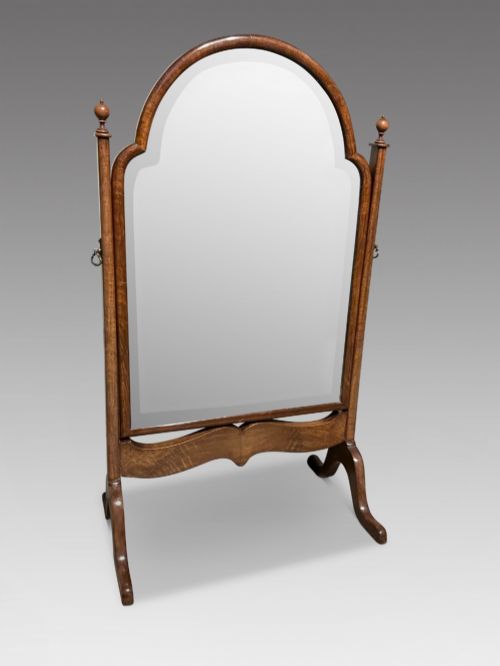


Walnut Dressing Table Stand
A walnut dressing table stand brings warmth and deep grain figure to a room, offering both a functional glass and a handsome period silhouette.
Walnut Dressing Table Stand
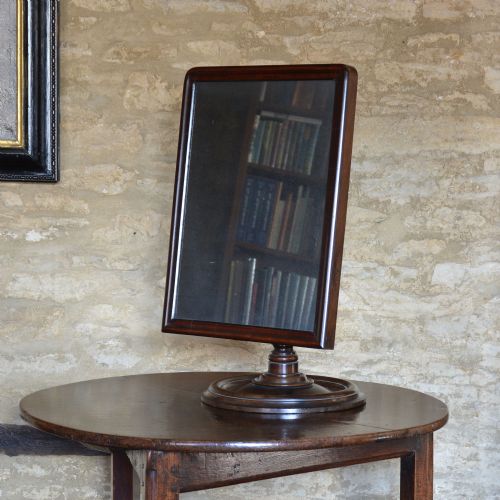
A walnut dressing table stand comprises several distinct forms designed for grooming and reflection, ranging from compact toilet mirrors that sit atop a chest to tall cheval mirrors and specialised shaving stands. When searching for a walnut dressing table stand, buyers encounter pieces spanning from the seventeenth century through to the art deco era, encompassing various regional tastes and decorative schemes.
The selection includes compact table mirrors framed in rich timber alongside grander console tables and dressing mirrors with adjustable glass. Originating across different periods including the Edwardian era and the nineteenth century, these objects demonstrate the enduring appeal of walnut in domestic furniture.
How they were made
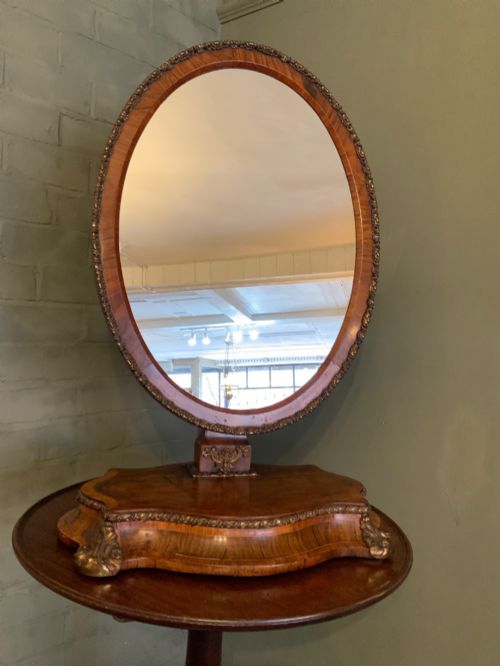
Craftsmen utilised solid walnut and burr walnut veneer over secondary timbers, often accentuating the figured grain patterns through careful matching and layout. Boxwood stringing, brass fittings, and ormolu mounts frequently complement the dark timber, adding fine linear detail or structural support to the frames.
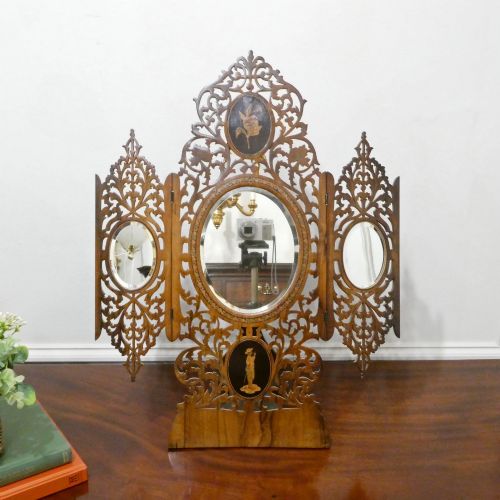
Mirrors utilise original or replacement mirror glass, sometimes set into fretted or arched crestings that reflect the prevailing style of the period, from Queen Anne revival to French Empire.
Walnut Dressing Table Stand Retail Price Guide 2026
Typical asking prices for walnut dressing table stand among the pieces listed under this phrase on Sellingantiques today, from the lower quarter to the upper quarter. They describe what is for sale here now, not the wider market.
Listings feature walnut dressing table stands spanning from the seventeenth century to art deco, utilising boxwood, brass, and mirror glass.
What varies in quality
The distinction between standard examples and superior pieces rests largely on the choice of timber figure, such as the richness of burr walnut veneer, and the crispness of any inlaid boxwood or carved detail. Proportion and balance dictate visual success, with finer stands displaying harmonious relationships between the mirror plate, the supporting standards, and the base drawers.
The integrity of the original brass hardware and the quality of the glass silvering also mark out the more distinguished items within the range.
The Walnut Dressing Table Stand Glossary
- Cheval mirror
- A full-length mirror hung in a frame that allows it to swing. This form stands independently on the floor or on a table top.
- Toilet mirror
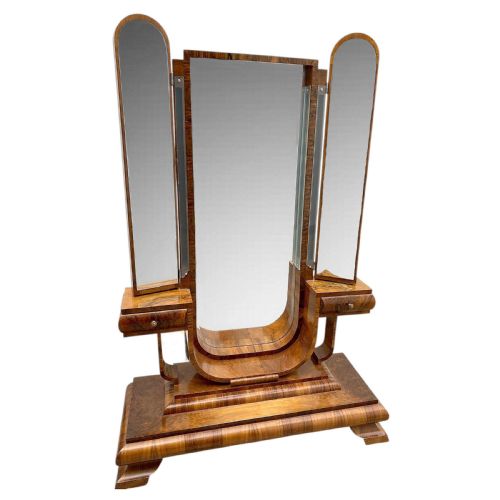
- A smaller mirror designed to sit on a dressing table or chest of drawers. These often incorporate small drawers in the base stand.
- Burr walnut veneer
- Thin slices of wood cut from a walnut tree growth or burl. This material produces intricate, swirling grain patterns highly prized by cabinetmakers.
- Boxwood stringing
- Narrow inlay lines of pale boxwood set into the darker walnut surface. It creates contrasting geometric borders along edges and panels.
Walnut Dressing Table Stand: Frequently Asked Questions
What is a dressing table stand?
A dressing table stand is a piece of furniture designed to hold a mirror for grooming, often featuring a small base with drawers for personal items.
These pieces sit upon larger surfaces or stand independently on the floor depending on their specific form.
How do I date a walnut stand?
Dating relies on observing construction techniques, wood types, hardware, and stylistic details characteristic of periods like the eighteenth century or art deco.
Changes in mirror bevels, backboards, and joinery methods help distinguish earlier examples from later revivals.
Where should I place it?
These stands suit bedrooms, dressing rooms, or hallways where they function as both practical mirrors and decorative accent tables.
Placing them near natural light enhances the reflective glass and highlights the figured walnut grain.
Are the mirrors original?
Mirror glass is frequently replaced over long periods due to deterioration of the silvering behind the plate.
Original glass often shows characteristic foxing or subtle surface distortion while retaining its historical context.