
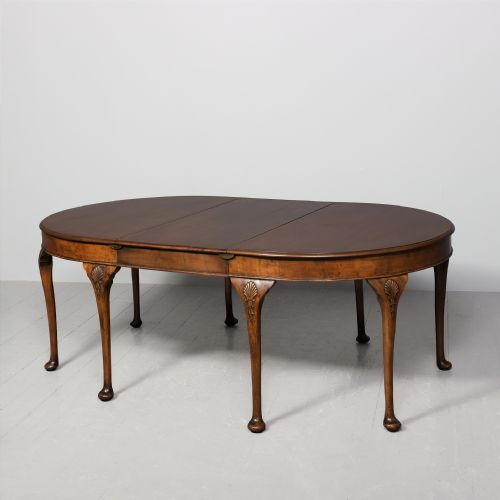


Walnut Dining Table Leaves
Walnut dining table leaves bring warmth and flexibility to a room, offering rich timber surfaces and clever mechanisms that adapt easily to gatherings.
Walnut Dining Table Leaves
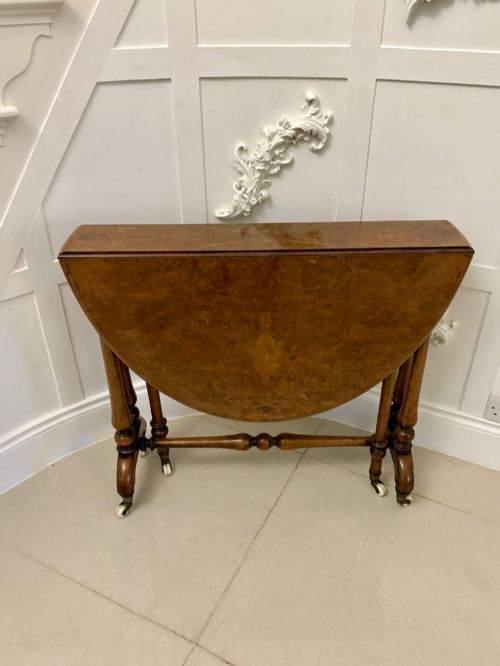
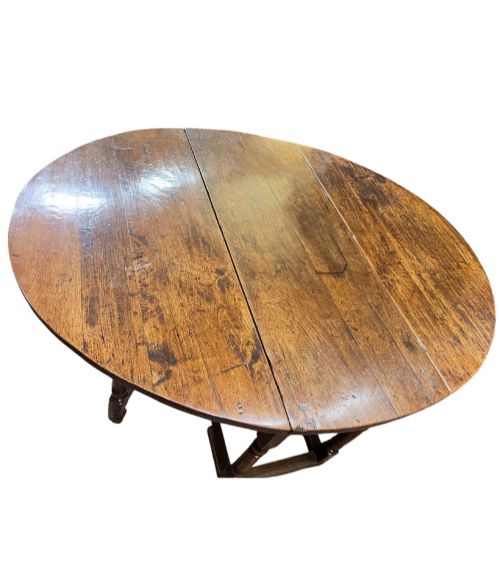
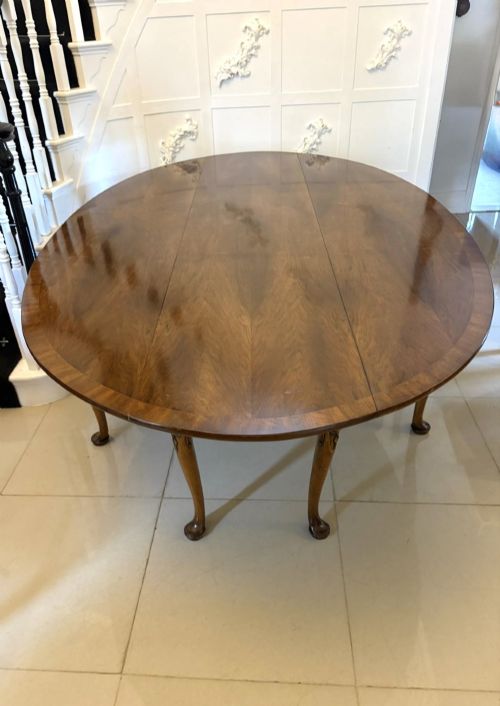
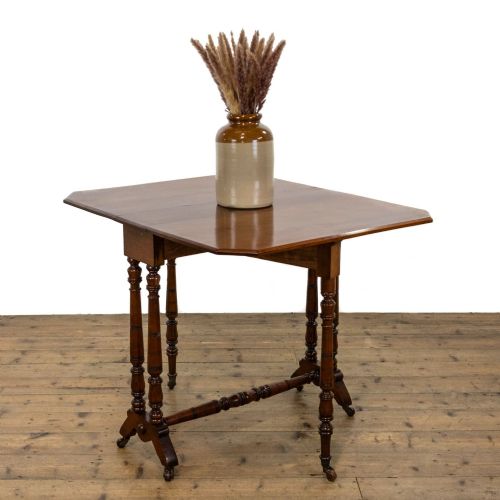
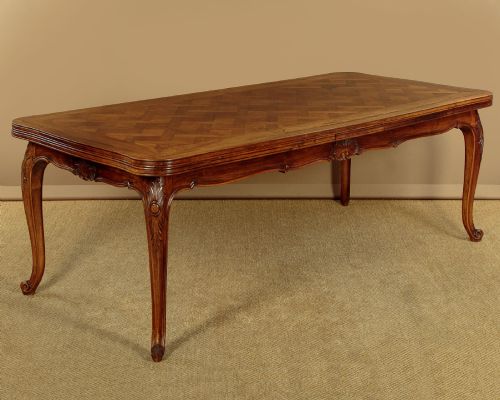
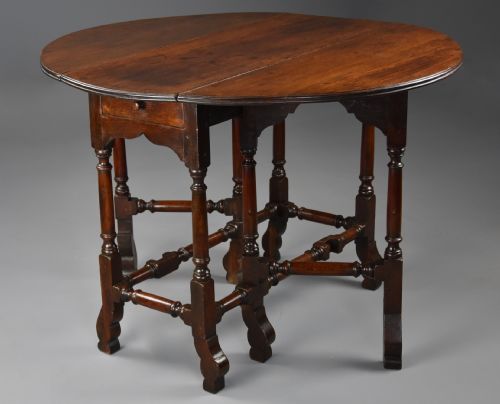
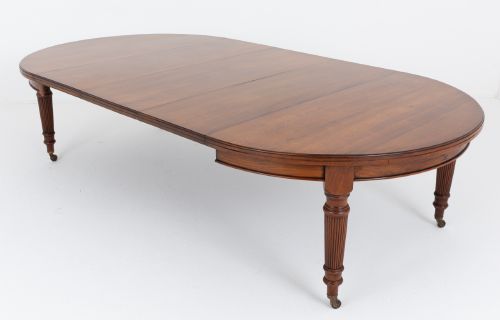
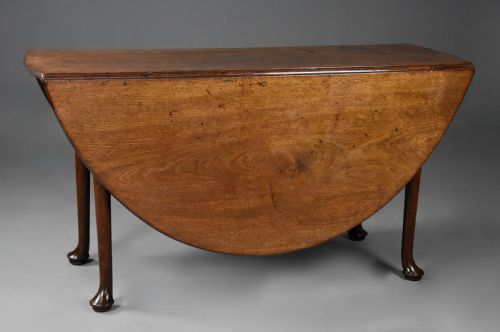
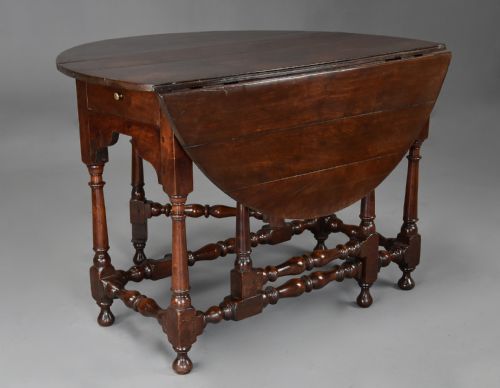
When you search for walnut dining table leaves, you encounter a mix of formal extending dining tables complete with their original extra boards, drop-leaf tables, and flexible gateleg designs. These pieces span from the late seventeenth century through the Victorian era and into the early twentieth century, reflecting shifting domestic needs for expandable dining space.
How they were made
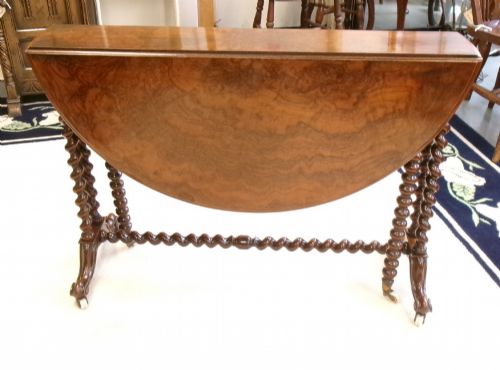
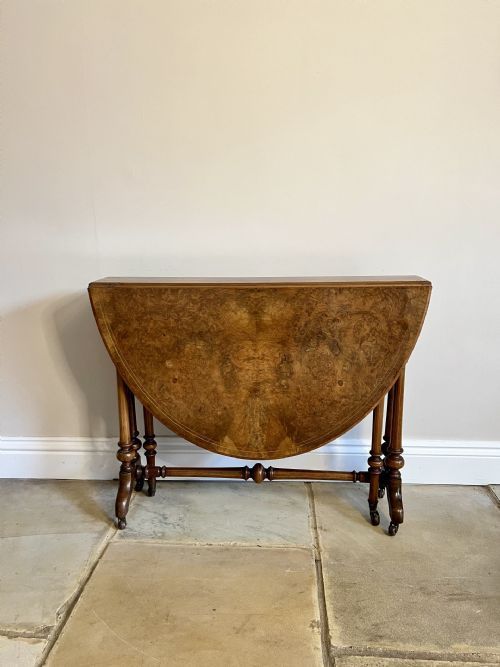
Makers utilised solid walnut, red walnut, and decorative burr walnut veneers laid over secondary timbers to achieve rich, figured surfaces on table tops and leaves. Brass fittings, including castor wheels, hinges, and winding mechanisms, were incorporated to support the movement of drop flaps and extension leaves.
Parquetry and inlay techniques occasionally adorn the surfaces, while carved bases and turned legs provide structural support for heavy extending frames and gateleg actions.
Materials recorded across the selection range from solid red walnut and figured burr walnut to brass hardware and ceramic castors.
What varies in quality
The distinction between tiers rests upon the choice of timber and the complexity of the mechanism, ranging from plain solid boards to highly figured burr walnut veneers paired with sophisticated wind-out gear. Finish and surface patination play a significant role, with untouched, faded patinas showing greater depth than heavily restored examples.
Structural integrity in the extending frames, the precision fit of removable leaves into the main table top, and the retention of original brass hardware separate everyday utility pieces from finer examples.
The Walnut Dining Table Leaves Glossary
- Burr walnut
- A prized wood harvested from the abnormal growth of a walnut tree, producing swirling, highly decorative grain patterns.
- Gateleg table
- A table with hinged leaves supported by swing-out legs that resemble a gate when opened.
- Wind-out table
- An extending dining table operated by a detachable metal handle that turns an internal screw mechanism to part the top and insert leaves.
- Drop-leaf table
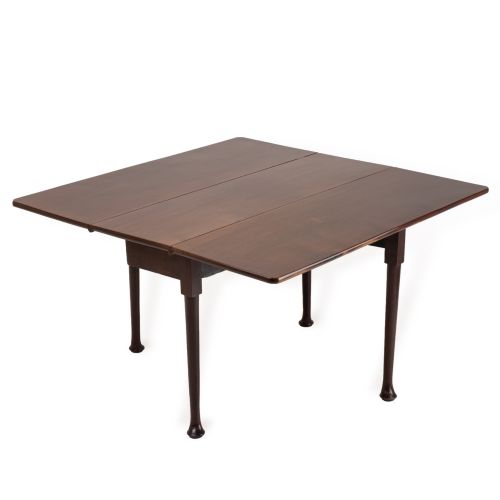
- A table featuring a fixed central section and hinged flaps that fold down at the sides when not in use.
- Parquetry
- Geometric wood mosaic work used to decorate furniture surfaces and table tops.
Walnut Dining Table Leaves: Frequently Asked Questions
How do extending walnut leaves work?
Many Victorian examples use a winding handle that turns internal wooden screws to pull the table halves apart, allowing extra boards to drop into the centre.
Other formats rely on drop leaves or gateleg actions where hinged side sections lift and lock into place on swinging supports.
Are older walnut leaves a good match for modern dining?
These tables and leaves offer practical solutions for hosting, as extending mechanisms allow surfaces to expand for dinner parties and shrink back for daily use.
Their warm timber tones and varied forms sit comfortably in both traditional and contemporary interiors.
How do I spot a period walnut table?
Look at the construction methods, timber choice, and hardware, noting that early pieces often feature solid red walnut or early gateleg frames, while later Victorian versions utilise burr veneers and wind-out gears.
Patina and wear patterns across the leaves and main frame also offer strong clues to age and authenticity.
What is a Sutherland table?
A Sutherland table is a narrow, drop-leaf occasional table with exceptionally deep leaves that fold down almost vertically, supported by swinging gate legs.
They were popular in the Victorian period for easy storage against walls when not in use.