

Walnut Commode Drawers
Selecting walnut commode drawers means choosing substantial storage pieces that combine rich, figured wood with Continental or British cabinet-making traditions.
Walnut Commode Drawers
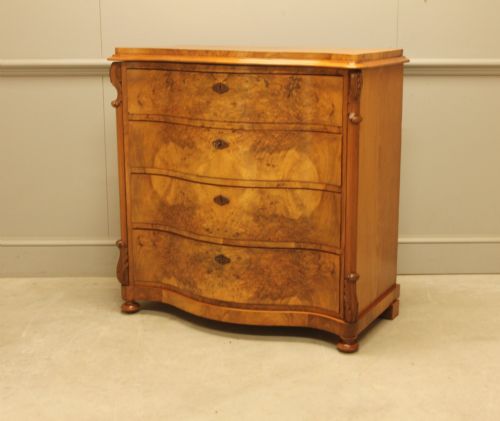
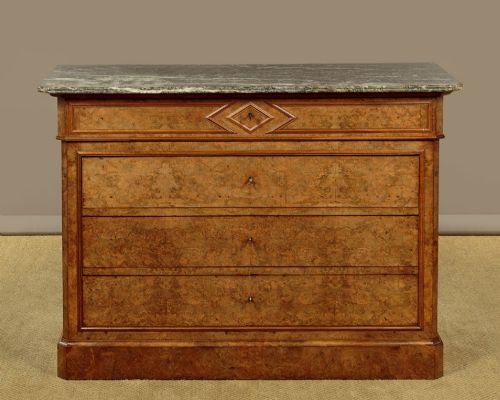
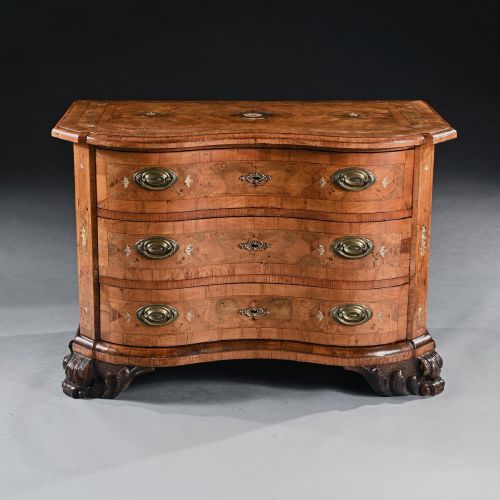
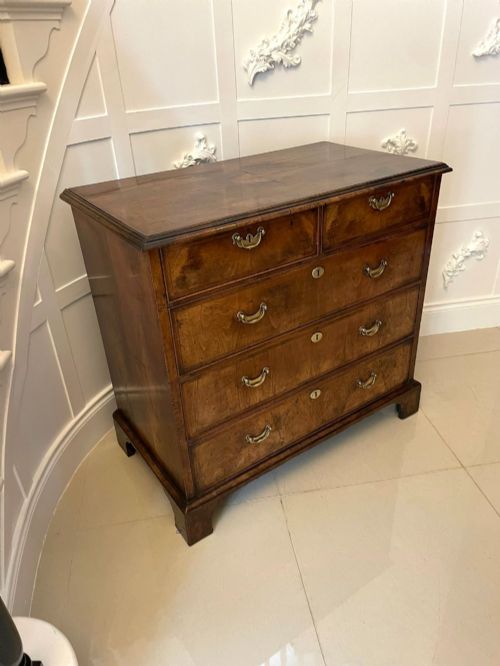
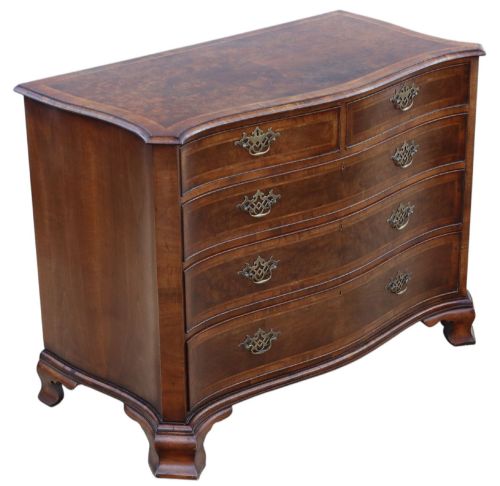
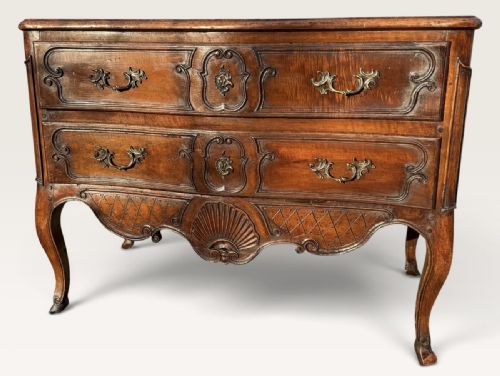
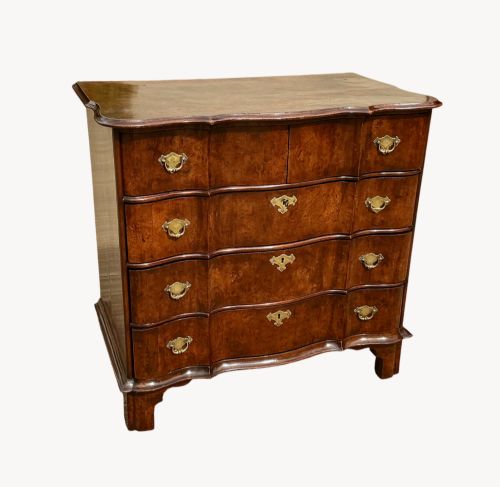
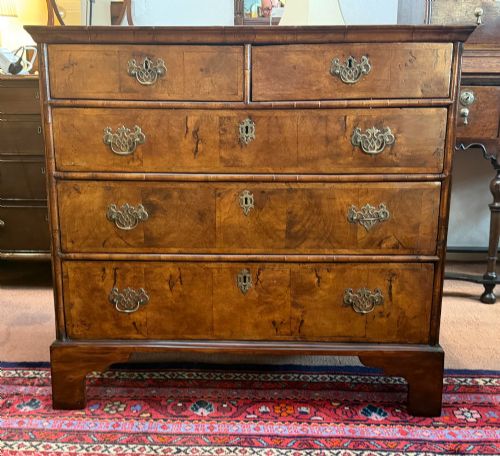
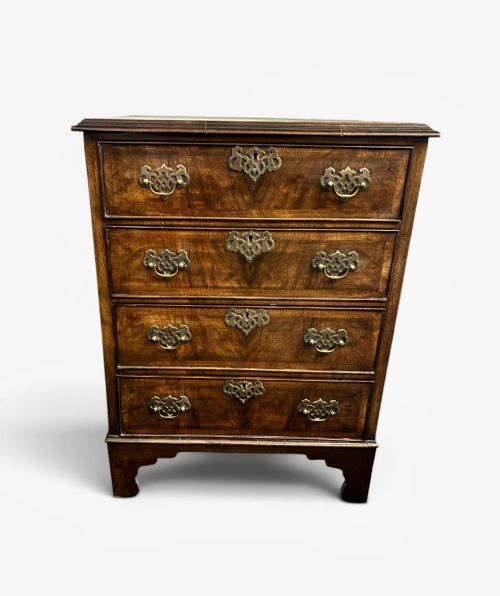
When searching for walnut commode drawers, buyers encounter a diverse range of storage furniture spanning from the late seventeenth century to the twentieth century. These pieces encompass English chest of drawers designs alongside continental commodes featuring serpentine, bombe or straight fronts.
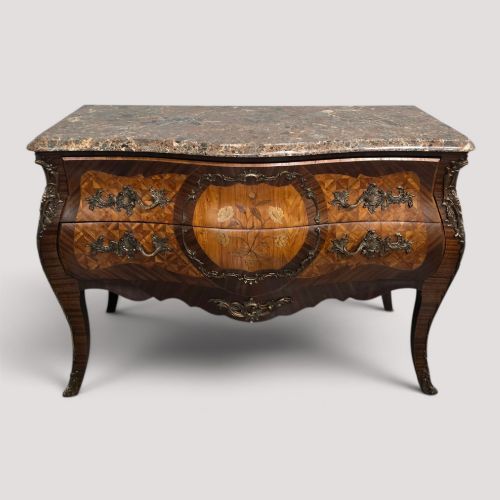
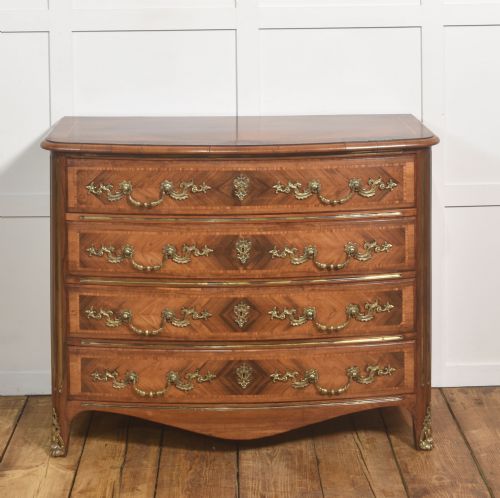
The selection frequently includes forms originating from French, Dutch, German and Italian workshops, alongside domestic Georgian and revival examples. Continental commodes often incorporate marble tops and elaborate mounts, whereas British equivalents rely on the natural grain of the timber for visual impact.
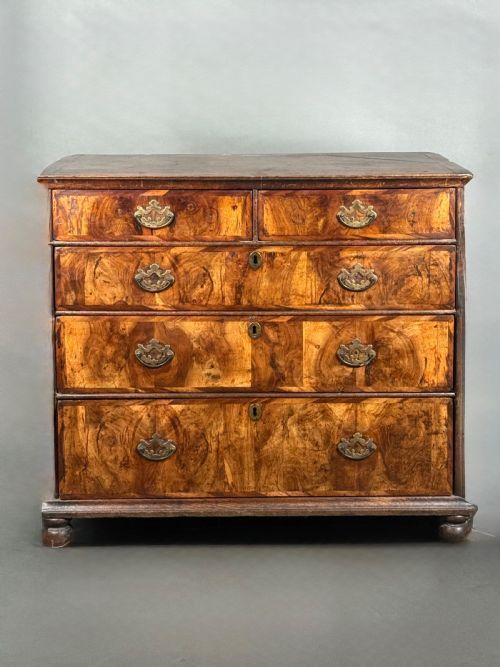
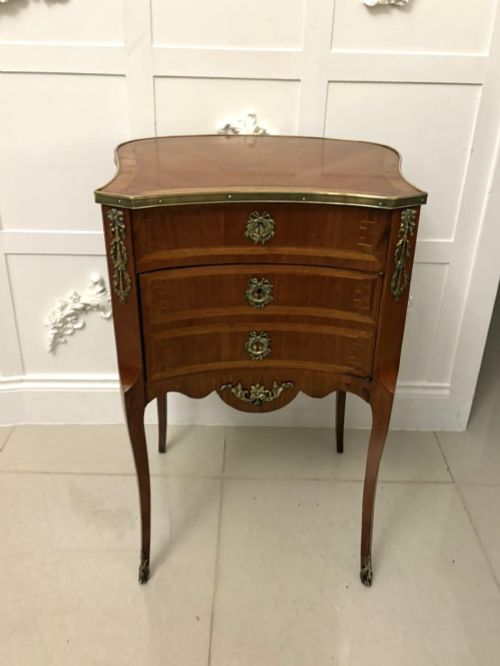
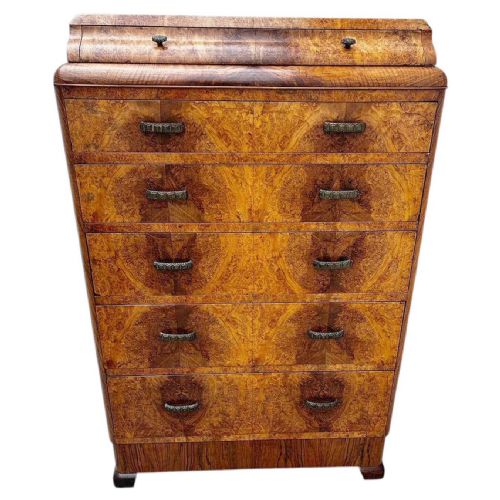
Object types stretch from compact bedside tables and side cabinets to tall multi-drawer chests and dressing pieces. Buyers will find both seventeenth-century walnut oyster-veneered items and later twentieth-century revival interpretations sharing the same fundamental storage purpose.
How They Were Made
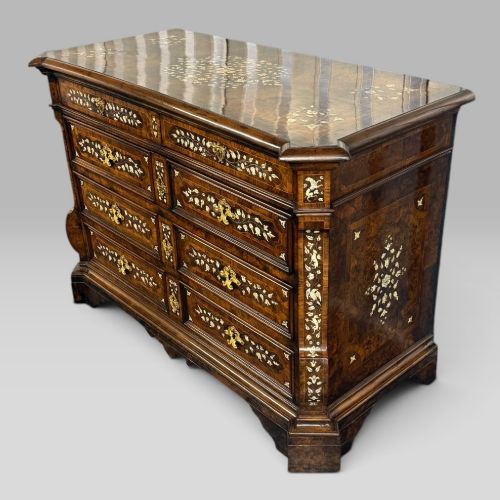
Cabinet-makers built these carcasses primarily using oak or pine as a stable secondary wood, applying figured walnut, burr walnut or plain walnut veneers to the visible exterior surfaces. Marquetry and parquetry designs integrate contrasting timbers such as ivory and kingwood, creating intricate geometric or pictorial motifs across the drawer fronts and tops.
Surface ornamentation often involves applied brass hardware, including keyplates and handles, alongside cast or chased ormolu mounts on continental examples. Marble tops in shades of grey and rouge sit flush on many commodes, while intricate inlay employs techniques like herringbone banding and featherbanding to frame the drawer borders.
Several clever continental commodes conceal secret drawers tucked discreetly beneath the top moulding, designed for keeping private treasures safe from wandering eyes.
What Varies in Quality
The tier of a piece rests heavily upon the selection of the timber veneers, where intensely figured burr walnut or carefully matched oyster veneers command greater visual authority than plain boards. The precision of the inlay work, such as fine herringbone banding and complex marquetry, signals the level of craftsmanship invested in the construction.
Structural integrity and the survival of original decorative elements also dictate the standing of an item. Superior examples retain their original brass or ormolu mounts, well-fitted drawers running smoothly within their carcases, and period marble slabs free from major alteration.
The Walnut Commode Drawers Glossary
- Commode
- A low chest of drawers or cabinet, originating in France during the seventeenth century. These pieces frequently feature marble tops and sophisticated veneer work.
- Burr Walnut
- A distinctive wood grain obtained from the wart-like growths on walnut trees, prized for its swirling patterns. Cabinet-makers sliced it into thin veneers for decorative drawer fronts.
- Serpentine
- A front shape curving inward centrally and outward at the sides in a continuous wave. This contour requires advanced carpentry skills to execute cleanly in solid wood and veneer.
- Oyster Veneer
- Circular slices cut transversely across small branches or roots of walnut to resemble oyster shells. When arranged closely together across a surface, they create a distinctive repeating pattern.
- Marquetry
- Decorative inlay work using various woods and materials to form pictorial or geometric designs. Artisans carefully cut and fitted these pieces into the primary veneer background.
Walnut Commode Drawers: Frequently Asked Questions
How do I date an old walnut commode?
Dating relies on examining construction methods, timber choices, and hardware styles alongside the overall silhouette. Earlier seventeenth and eighteenth-century examples display hand-cut dovetails and specific framing techniques.
Later revival pieces from the Victorian or Edwardian eras often incorporate machine-standardised components and distinct secondary woods. Comparing the veneer selection and decorative motifs against known historical periods clarifies the timeline.
Where were these chests traditionally used?
These storage pieces served primarily in bedrooms, drawing rooms, and formal parlours for holding clothing, linens, and personal valuables. Continental commodes with marble tops frequently stood in grand chambers and reception spaces.
Smaller side cabinets and bedside tables functioned as specialised bedside storage or decorative display surfaces. Their dual utility as furniture and art made them suitable for prominent rooms throughout the house.
How should I care for antique walnut?
Maintaining walnut furniture involves keeping pieces away from direct sunlight and sudden temperature shifts to prevent veneer lifting. Regular dusting with a soft, dry cloth preserves the finish without chemical buildup.
Occasional application of appropriate wax feeds the timber and protects the surface. Avoiding excess moisture safeguards both the wood and any integrated metal mounts.
What is the difference between a chest and a commode?
A chest of drawers typically refers to British forms featuring stacked horizontal drawers within a rectangular carcase. A commode generally denotes continental European furniture styles, often possessing a lower profile and serpentine or bombe contours.
While both share the core function of storage, continental commodes frequently incorporate decorative marble tops and ormolu mounts. Terminology often overlaps depending on the regional origin and specific cabinet-maker.