

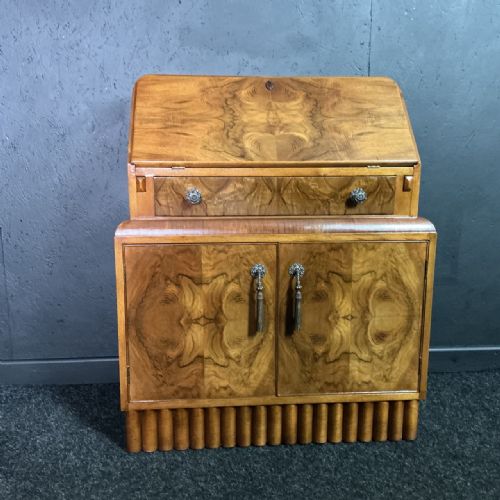

Walnut Cabinet with Desk
A walnut cabinet with desk combines upper storage and a drop-front writing surface, offering period elegance alongside practical work space.
Walnut Cabinet with Desk
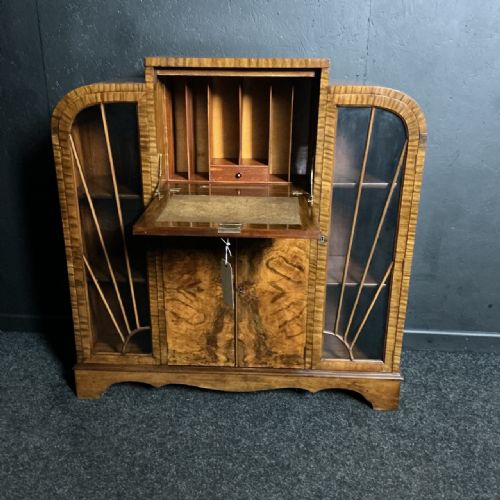
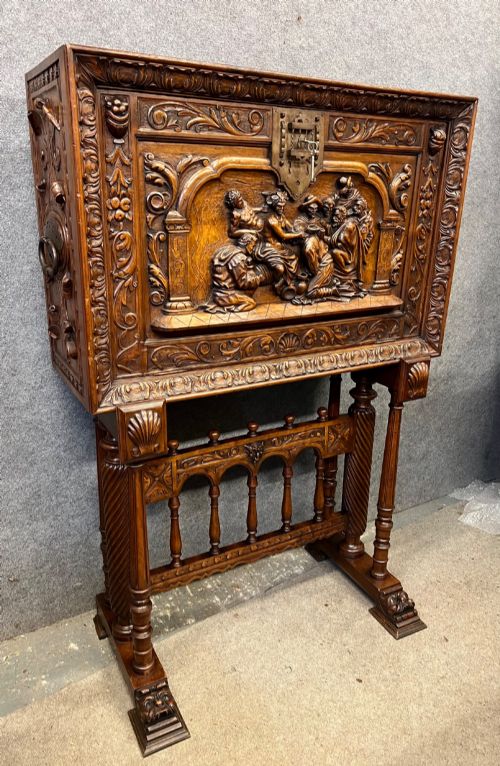
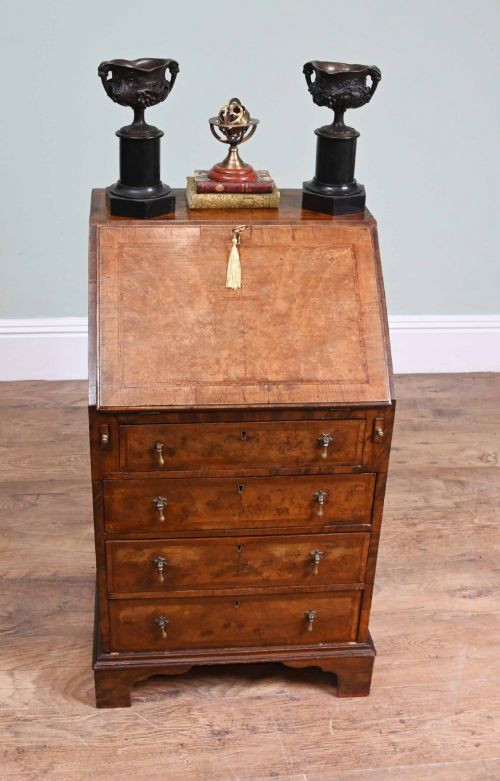
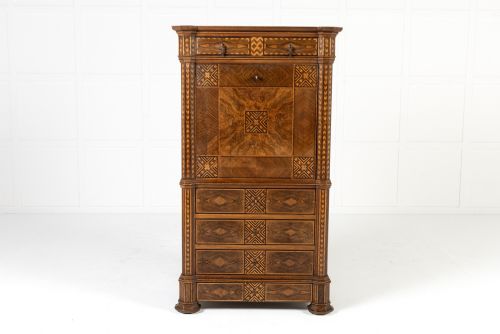
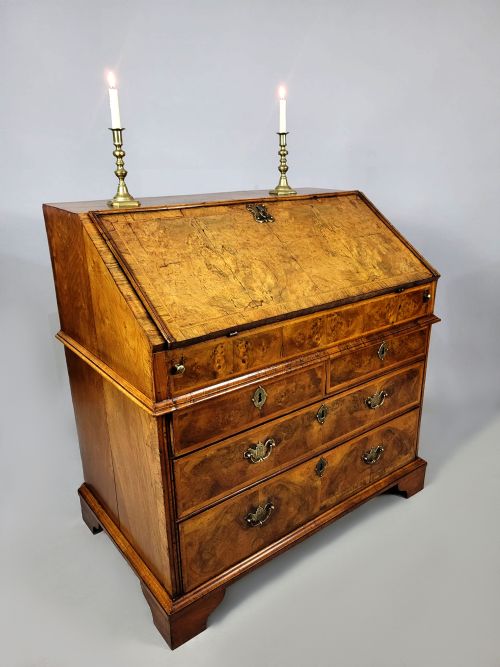
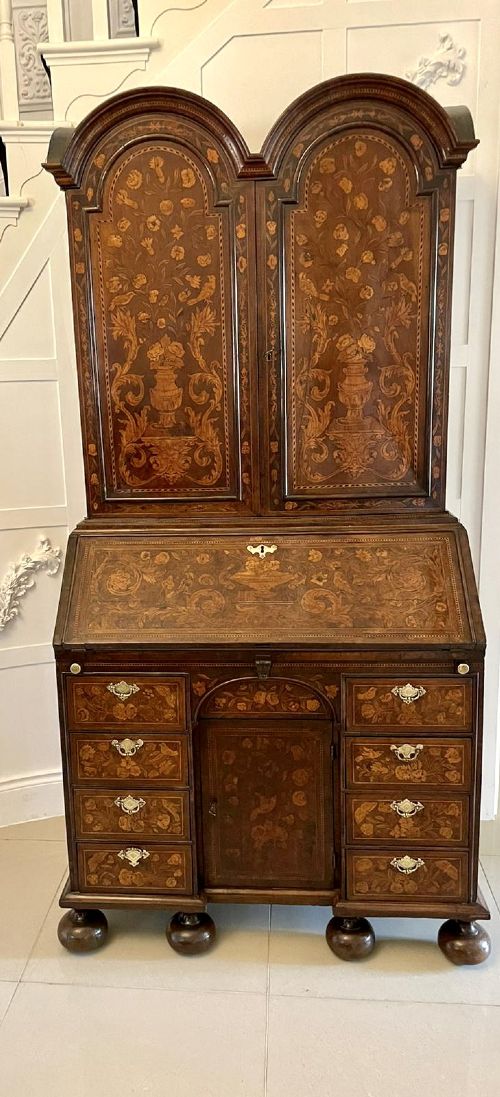
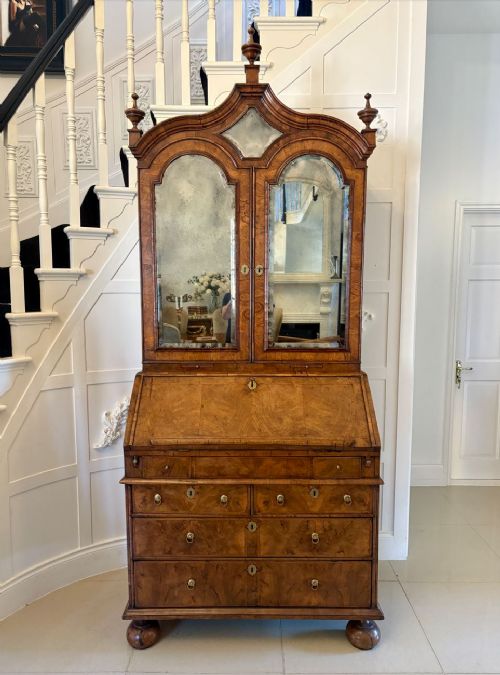
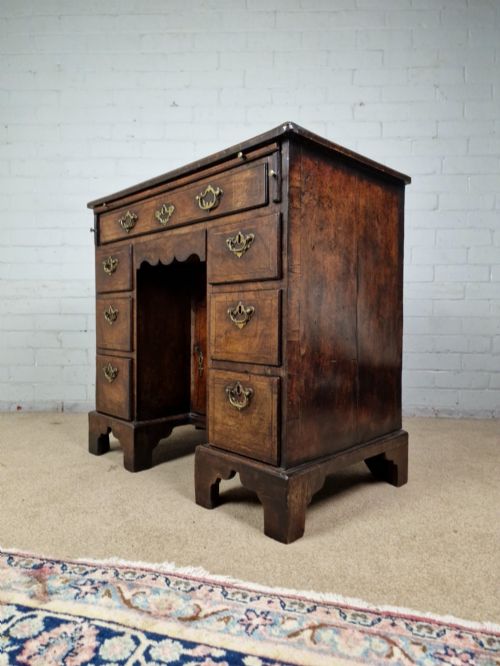
A walnut cabinet with desk encompasses bureau bookcases, escritoires, and secretaire cabinets originating primarily from the seventeenth, eighteenth, and nineteenth centuries. These pieces pair an enclosed upper shelving or cabinet section with a fold-down or pull-out writing surface concealing fitted internal drawers and pigeonholes.
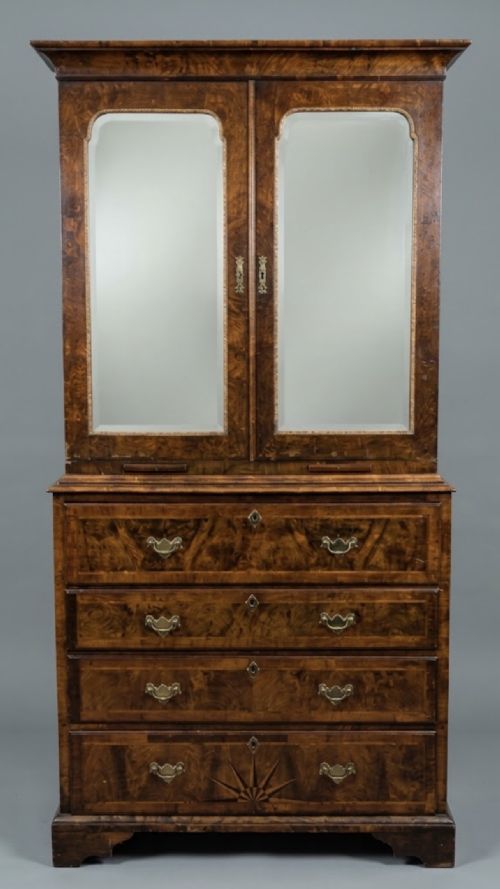
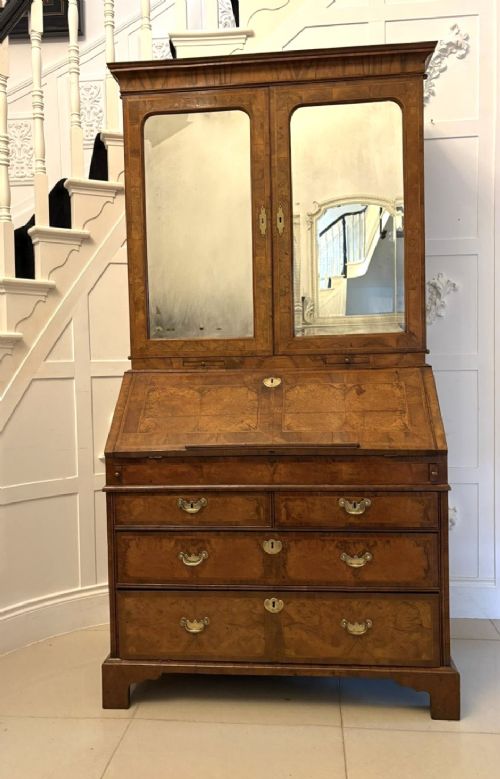
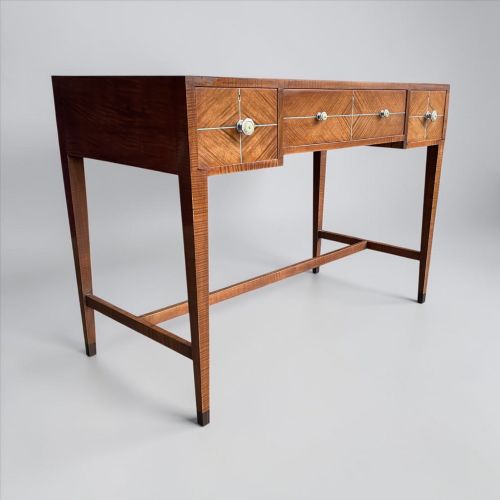
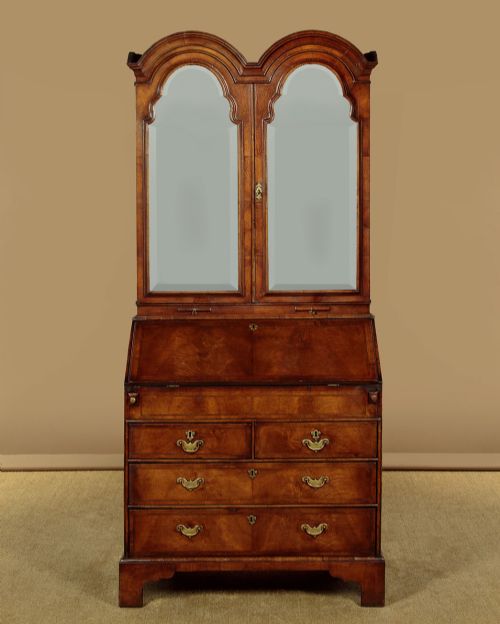
Bureau bookcases dominate the selection, spanning Queen Anne, George I, and Georgian periods in rich burr walnut veneers. Smaller writing desks and Davenport forms from the Victorian era also appear frequently, utilising brass, glass, and leather to complement the timber figures.
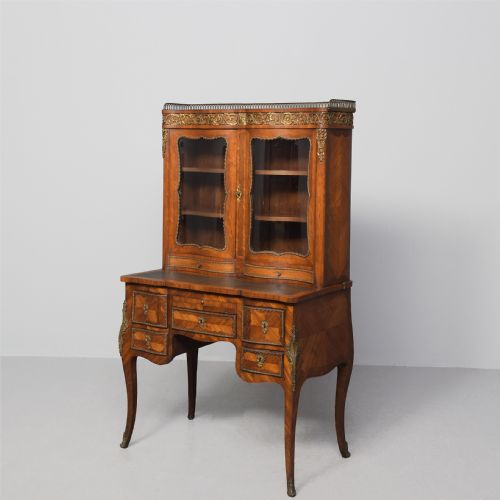
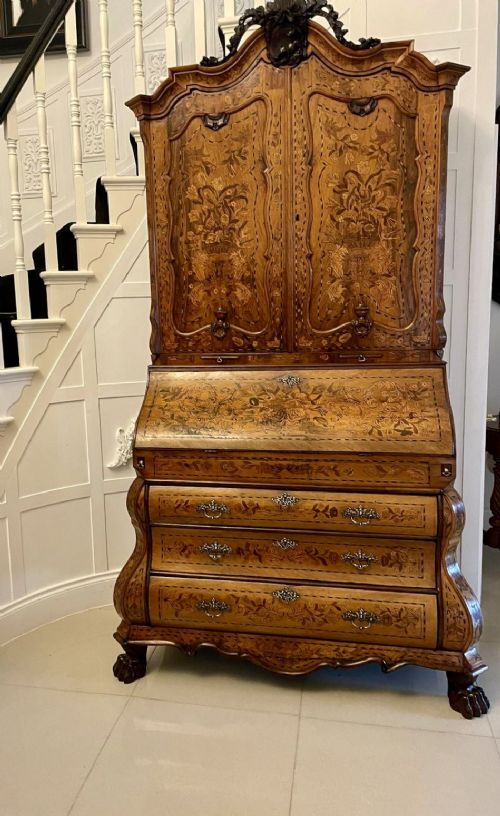
Regional variations include Dutch bombe profiles, French Louis Philippe styles, and English double dome constructions. Buyers encounter everything from tall architectural bureau bookcases to compact Victorian table top escritoires.
How they were made
Cabinetmakers constructed these forms using solid oak or pine carcases overlaid with decorative burr walnut and figured walnut veneers. Crossbanding and feather banding frequently edge the drawer fronts and writing flaps to frame the distinct grain patterns.
Internal components incorporate pigeonholes, secret compartments, and small drawers built from secondary timbers such as oak. Brass drop handles, escutcheons, and occasional ormolu mounts secure the doors and drawers while providing functional contrast to the dark wood.
Walnut Cabinet with Desk Retail Price Guide 2026
Typical asking prices for walnut cabinet with desk among the pieces listed under this phrase on Sellingantiques today, from the lower quarter to the upper quarter. They describe what is for sale here now, not the wider market.
Several pieces conceal hidden internal compartments designed for safely storing private correspondence and family valuables.
What varies in quality
The choice and matching of walnut veneers set individual pieces apart, with highly figured burr walnut and symmetrical grain patterns representing superior craftsmanship. The depth of the original patina and the crispness of inlaid marquetry or feather banding further distinguish finer workshops.
Internal complexity dictates overall standard, particularly the architectural arrangement of central doors, hidden compartments, and stepped pigeonholes within the writing compartment. Original brass hardware, intact mirrored doors, and sound structural joinery elevate the standing of a piece.
Gillow & Co
The Walnut Cabinet with Desk Glossary
- Bureau bookcase
- A writing cabinet featuring a shelved or glazed upper section above a fall-front desk base. This form evolved during the late seventeenth century and remains prominent in eighteenth-century British furniture.
- Escritoire
- A tall writing cabinet with a fall-front flap enclosing compartments. The term derives from French and often describes pieces from the late seventeenth and early eighteenth centuries.
- Burr walnut
- Timber sliced from walnut tree growths or burls, yielding highly decorative swirling grain patterns. Cabinetmakers utilised these veneers prominently on primary display surfaces during the Queen Anne and George I periods.
- Davenport
- A compact Victorian desk featuring a sloping writing surface above a pedestal of drawers. It typically incorporates a stationery compartment on the upper rear section.
Walnut Cabinet with Desk: Frequently Asked Questions
What is a walnut cabinet with desk?
A walnut cabinet with desk is a dual-purpose furniture form that integrates an enclosed storage cabinet or bookcase with a dedicated writing surface. These pieces range from tall eighteenth-century bureau bookcases to compact Victorian Davenport desks.
They provide concealed workspace alongside display or storage capacity, utilising walnut solids and burr veneers throughout their construction.
Where were these cabinets placed in a home?
These cabinets served primarily in studies, libraries, and formal drawing rooms as functional writing furniture and status items. The upper glazed or solid doors housed books and valuable papers.
The drop-front desk provided a private space for correspondence and estate management before being folded away when not in use.
How do I care for antique walnut furniture?
Antique walnut requires stable indoor humidity and protection from direct sunlight to prevent veneer cracking and fading. Regular dusting with a soft, dry cloth preserves the finish.
A light application of traditional beeswax helps maintain the timber's moisture and nourishes the historic patina without damaging the original surface.