



Walnut Blanket Box
A walnut blanket box brings rich timber grain and deep storage to a room.
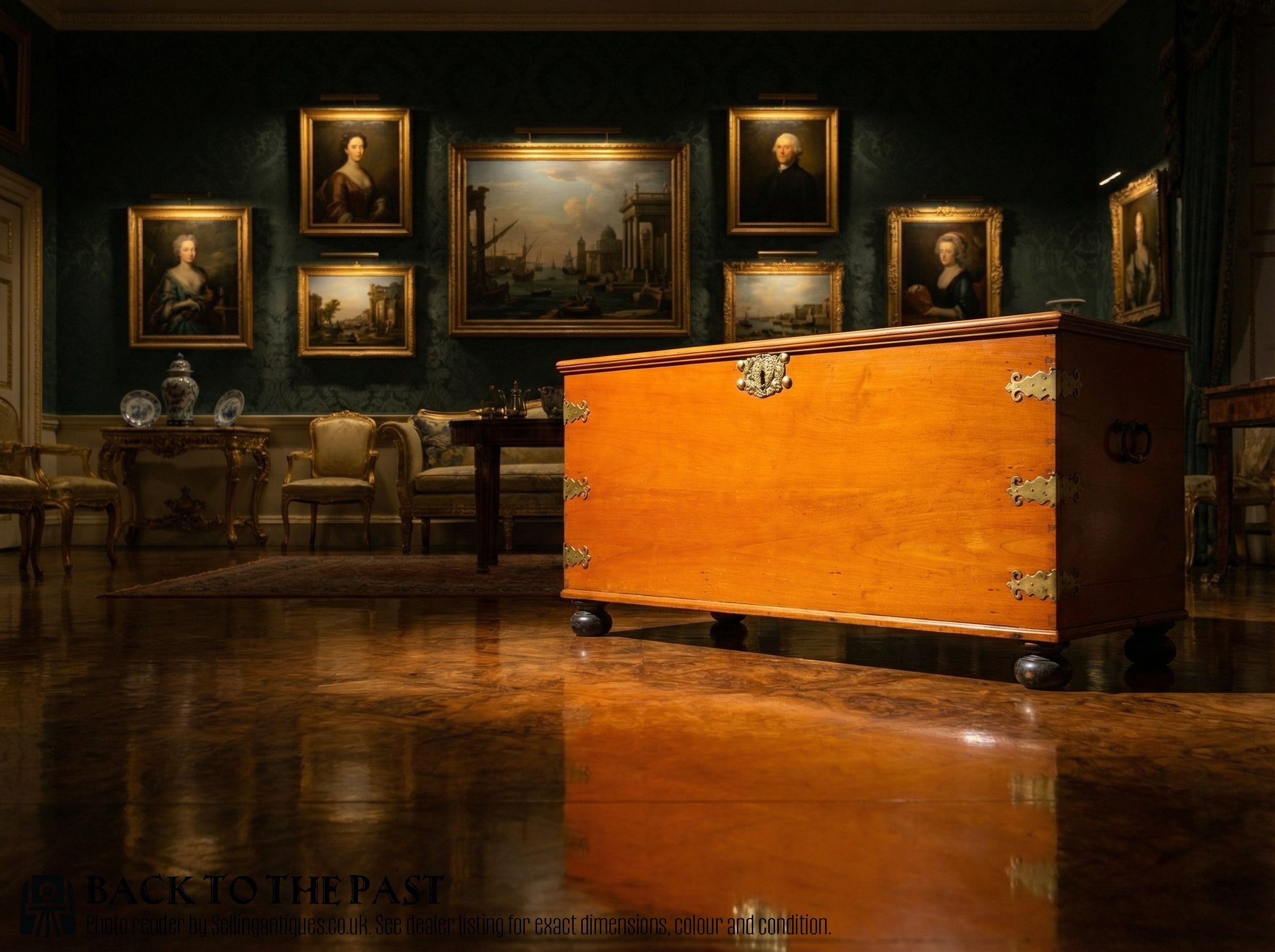
What walnut blanket boxes are
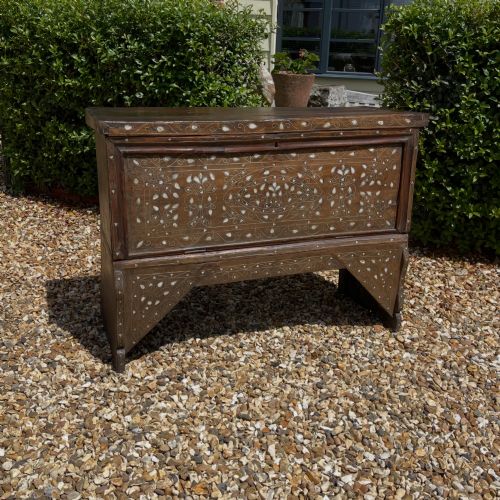
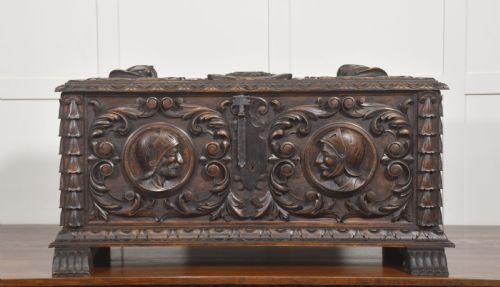
When you search for walnut blanket box, you encounter robust storage pieces spanning several centuries. The selection ranges from carved Continental cassones to eighteenth-century colonial chests and twentieth-century interpretations.
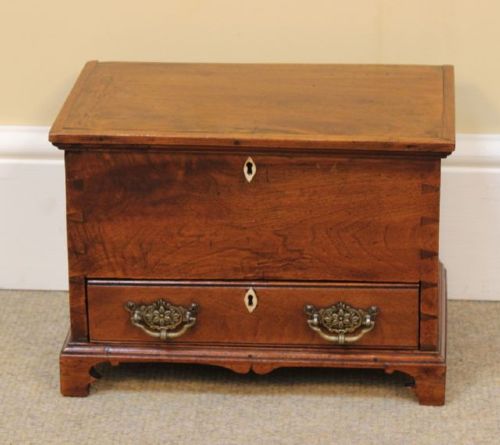
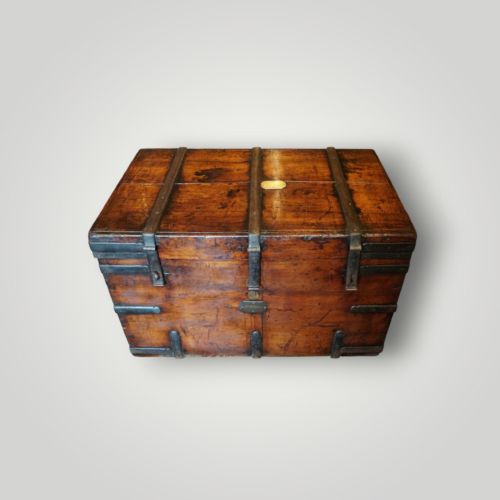
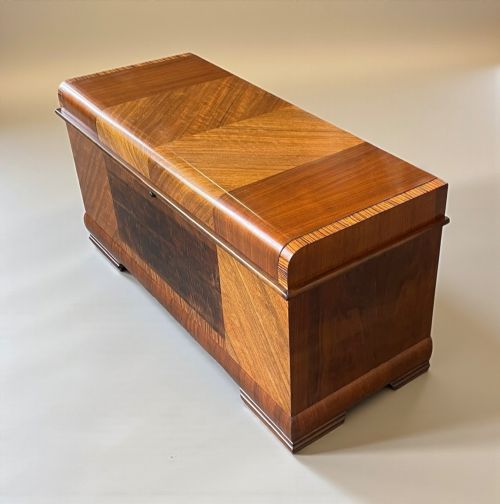
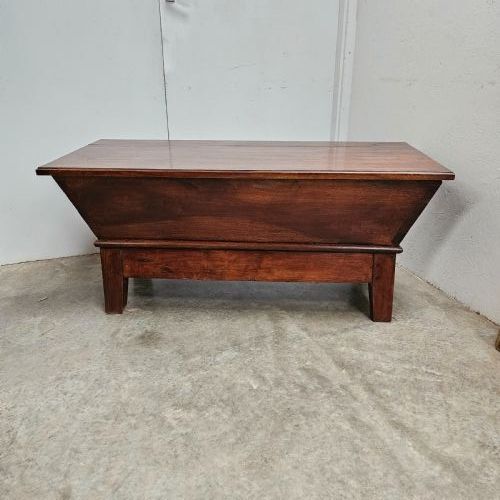
The versions you are most likely to meet on this page include seventeenth-century Continental examples, eighteenth-century chests with brass hardware, and twentieth-century art deco pieces. These items function equally well as storage chests or surface tables.
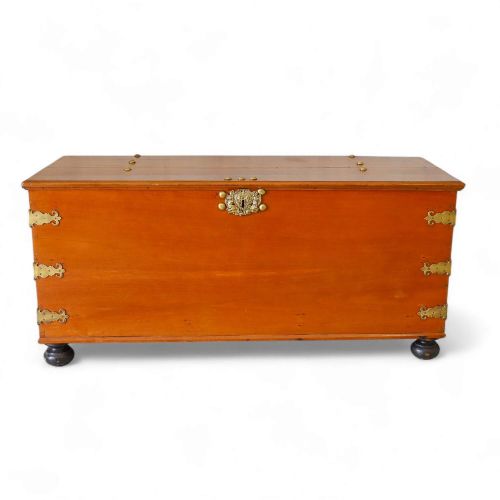
Makers shaped these chests in various regional traditions, including Spanish, French, and colonial workshops. Their forms encompass simple blanket boxes, figural coffer chests, and large colonial storage chests.
What varies in quality
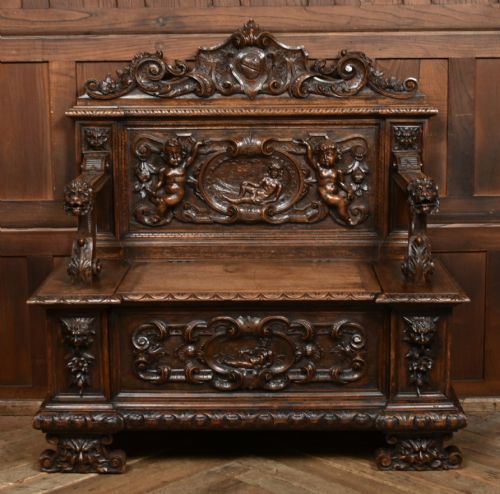
The standard of carving and the selection of timber veneers separate standard utility chests from superior examples. Finely figured walnut grain and deep sculptural relief on panels distinguish the upper tier.
Original hardware, such as period brass mounts and iron hinges, elevates the integrity of a piece. The depth of historical patination across the walnut surfaces indicates how well the wood has aged.
Retail Price Guide 2026
Typical UK retail prices for walnut blanket box, calculated from the Sellingantiques database of over a million retail prices indexed since 2003. This retail price guide relies exclusively on Sellingantiques data; no external sources or auction records are used, so the figures do not describe the wider market.
Some seventeenth-century walnut chests contain hidden interior compartments once reserved for secret family recipes and smuggled lace.
The Walnut Blanket Box Glossary
- Cassone
- A large Italian chest or coffer traditionally used for storing household linen and valuables. These pieces often feature elaborate carving or painted decoration.
- Veneer
- A thin layer of superior walnut timber applied to a secondary wood carcase. This technique allows cabinetmakers to display striking grain patterns.
- Coffer
- A chest used for holding valuables, distinguished from a simple blanket box by more formal construction and decoration. Many feature hinged lids and sturdy locks.
- Medallion
- A circular or oval decorative panel containing carved figural scenes. These ornamental motifs appear frequently on nineteenth-century walnut coffers.
Frequently Asked Questions
What is a walnut blanket box used for?
These pieces provide deep interior storage for blankets, textiles, and household items. They also function practically as coffee tables or low display surfaces in living spaces.
Their robust timber construction ensures they endure daily domestic use while maintaining a distinct historical presence in a room.
How do I date a walnut blanket box?
Dating relies on observing construction methods, hardware types, and stylistic details such as colonial framing or art deco geometric lines. Seventeenth-century examples often display heavy relief carving and ironwork, whereas eighteenth-century pieces feature brass mounts.
Archival comparisons and known regional cabinetmaking traits help narrow the period of origin.
Are these chests made of solid walnut?
Makers constructed these boxes using a combination of solid walnut, secondary woods, and walnut veneer. Cabinetmakers applied decorative veneers to achieve striking grain patterns across large flat panels.
Examining the interior and edges reveals the underlying timber structure and construction methods used by the maker.
How do I care for walnut wood?
Maintain walnut surfaces by keeping them away from direct heat sources and strong sunlight, which can dry out the timber. Regular dusting with a soft, dry cloth preserves the natural patination.
Avoid using harsh chemical polishes that might damage historical finishes or delicate veneer layers.