





Walnut Banded Side Table
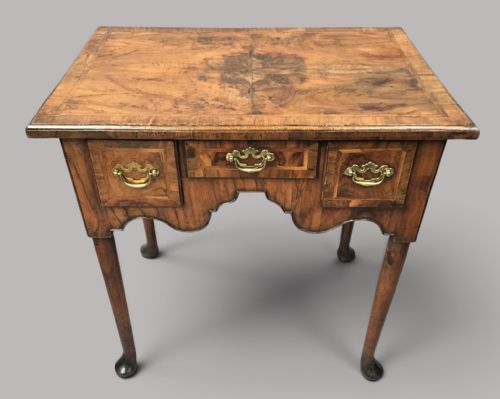
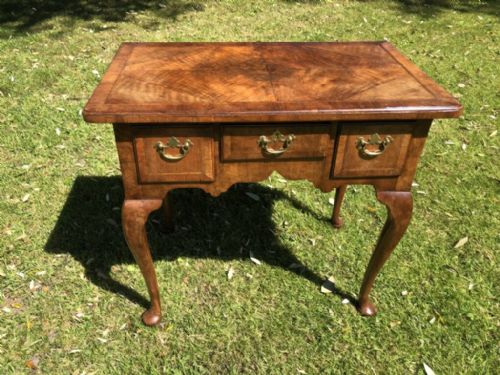
A walnut banded side table brings warm timber grain and practical surface space to a room, offering the classic proportions of eighteenth-century cabinet making.
Walnut Banded Side Table
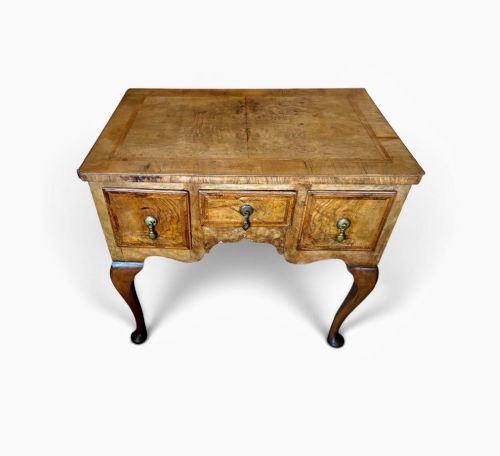
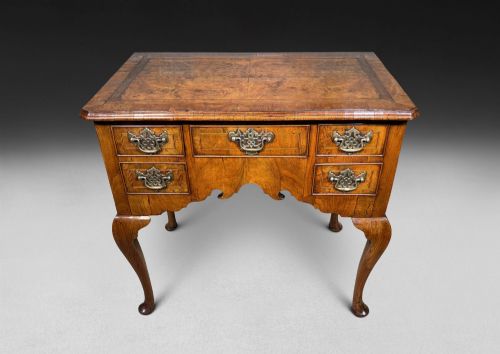
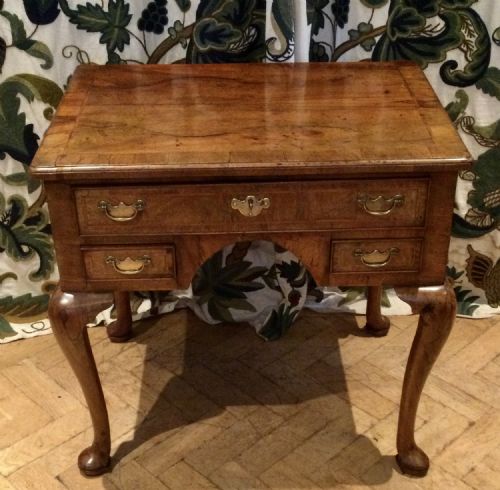
When you search for a walnut banded side table, you encounter lowboys, nesting coffee tables, and traditional console pieces originating from the eighteenth century up through the Edwardian period and the 1930s. The lowboy form dominates the selection, serving as a compact table with drawers typically set on slender cabriole or straight legs.
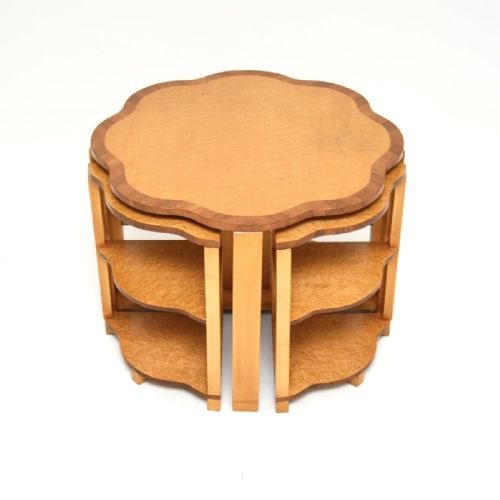
Examples range from solid timber constructions to elaborate veneered surfaces displaying figured walnut and birds eye maple. Styles span from early Georgian and Queen Anne revivals to Art Deco interpretations, showing how makers adapted the form across different eras.
The banding and cross-banding on these tables frame the top surface with contrasting grain patterns, giving the timber a distinct border. Buyers select these items for their compact footprint and the rich texture of the walnut grain.
How they were made
Cabinet makers utilised walnut timber, burr walnut veneer, and birds eye maple, applying fine banding techniques to outline the edges of table tops and drawer fronts. Secondary timbers such as oak often provided structural stability for the internal framing and drawer linings.
Brass hardware, including drop handles and escutcheons, was fitted to the drawers of period pieces to complement the dark tones of the wood. Veneers were carefully laid over solid cores to create symmetrical grain patterns across the main surfaces.
Walnut Banded Side Table Retail Price Guide 2026
Typical asking prices for walnut banded side table among the pieces listed under this phrase on Sellingantiques today, from the lower quarter to the upper quarter. They describe what is for sale here now, not the wider market.
Listings feature eighteenth-century pieces alongside Edwardian revivals and 1930s Art Deco examples, constructed from walnut, burr walnut, and oak.
What varies in quality
The sophistication of the timber figure and the precision of the banding set the standard for these tables, with highly figured burr walnut and neat feather banding representing the more intricate examples. The choice between solid walnut construction and veneered surfaces also marks a difference in material complexity.
Originality of surface finish and the preservation of period brass handles influence the character of each piece. Tables retaining their early patination and untouched construction details demonstrate the longevity of the original cabinet work.
The Walnut Banded Side Table Glossary
- Bandings
- Thin strips of wood inlaid around the border of a table top to create a contrasting frame. This decorative technique highlights the edge of the surface.
- Lowboy
- A small table with one or more rows of drawers, commonly used as a dressing table or side table in eighteenth-century interiors. They typically feature graceful cabriole legs.
- Burr walnut
- Wood taken from the growth excrescence of a walnut tree, yielding a swirling, highly decorative grain pattern. Cabinet makers used veneers of this material on prominent surfaces.
- Feather banding
- Inlaid strips of veneer arranged diagonally to resemble the spine of a feather. This intricate detail frames the primary wood panels on period furniture.
- Quarter veneered
- A method where four matching slices of veneer, cut sequentially from the log, are arranged symmetrically to create a patterned surface. This technique produces a balanced, repeating design.
Walnut Banded Side Table: Frequently Asked Questions
What is a lowboy?
A lowboy is a small, low table equipped with drawers, traditionally used in the eighteenth century as a dressing table or side table. Their compact dimensions allow them to fit easily into smaller hallways or living spaces.
Most examples feature short cabriole legs and multiple drawers beneath the top surface. They function well today as decorative accent tables or writing desks.
How do I identify Georgian walnut?
Georgian walnut furniture displays rich brown tones with varied grain patterns, often enhanced by decorative banding and quarter-veneered panels. The timber feels dense and shows the natural warmth typical of eighteenth-century cabinet work.
Makers of this era frequently combined solid walnut with burr veneers on primary surfaces. Examining the drawer construction and timber choice helps confirm the period.
Where should I place a side table?
These compact tables suit entryways, hallways, or living rooms where surface space is needed without blocking walkways. Their shallow depth allows them to sit flush against a wall beneath a mirror or artwork.
They also work well beside seating areas to hold lamps or small decorative objects. The finished back and sides on many examples mean they can stand away from the wall if required.
What does banded mean?
Banding refers to a narrow strip of contrasting timber inlaid around the perimeter of a table top or drawer front. This decorative border frames the central wood panel and provides visual definition.
Techniques like feather banding arrange the wood grain in a V-shape to create a textured pattern. This detail distinguishes finer pieces of cabinet work from plain surfaces.