


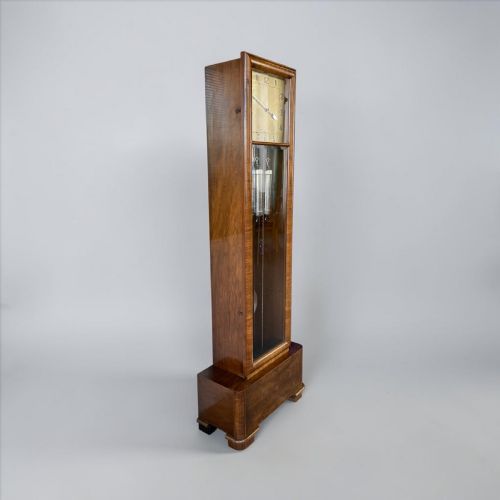

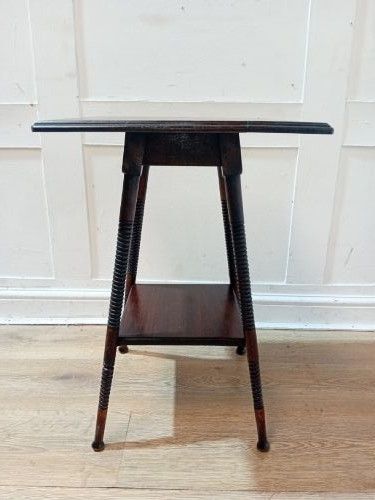
Walnut Art Stand
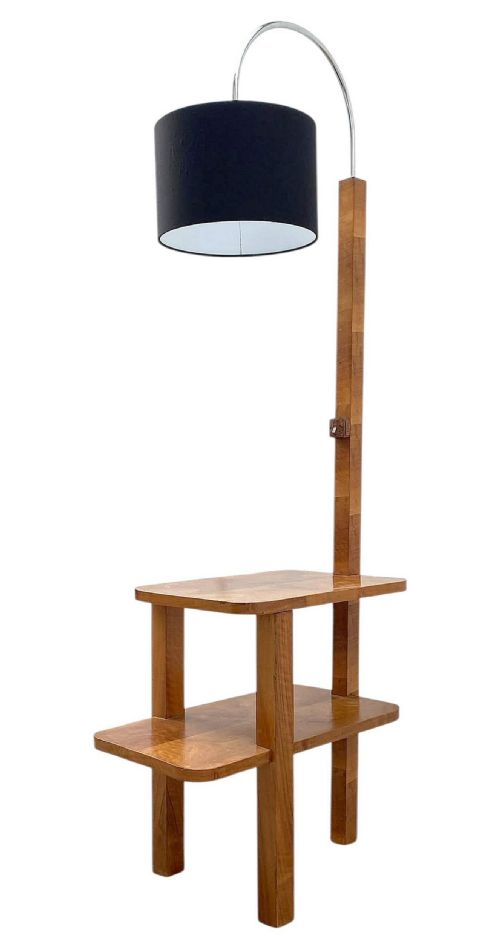
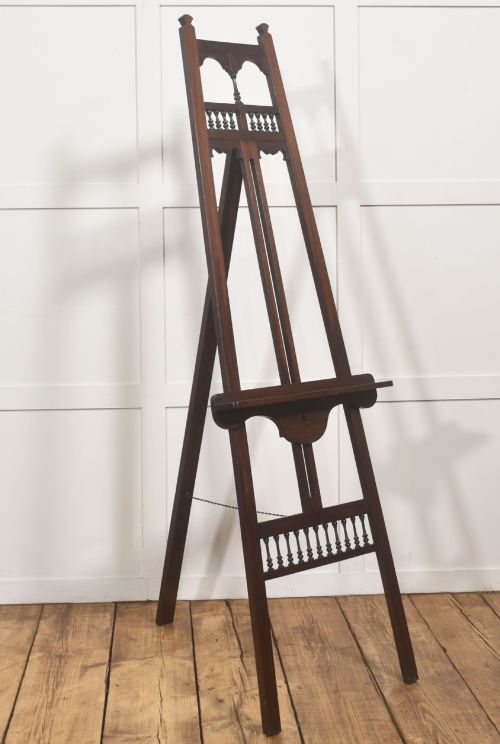
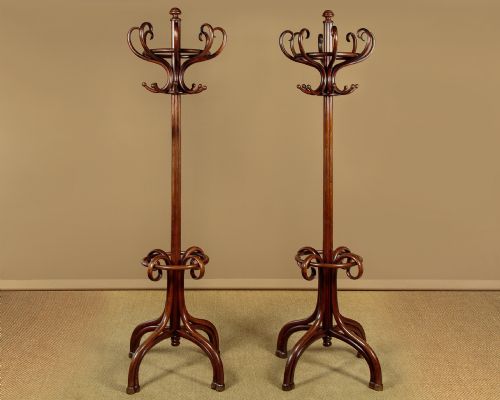
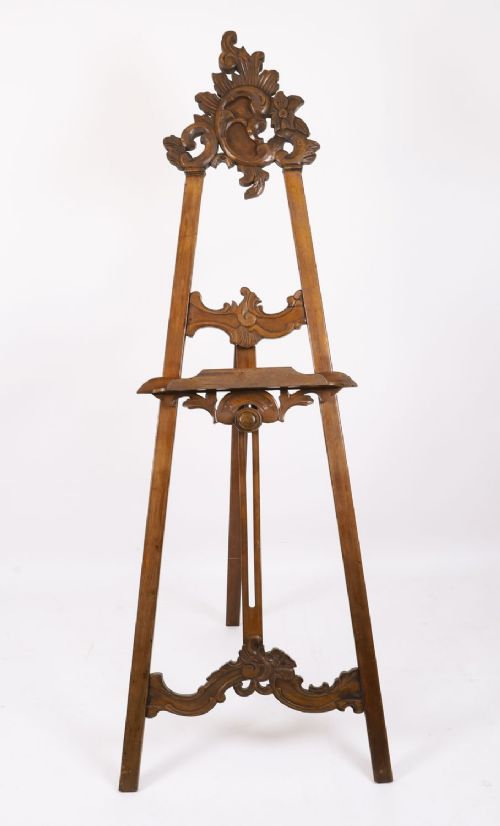
These walnut art stand pieces encompass floor lamps, easels, and occasional tables spanning the Victorian era through the Art Deco period.
Walnut Art Stand
When searching for a walnut art stand, buyers encounter various supports including standard lamps, occasional tables, planters, and display easels. These utilitarian and decorative supports emerge from periods spanning the Victorian era, the Edwardian years, and the 1930s.
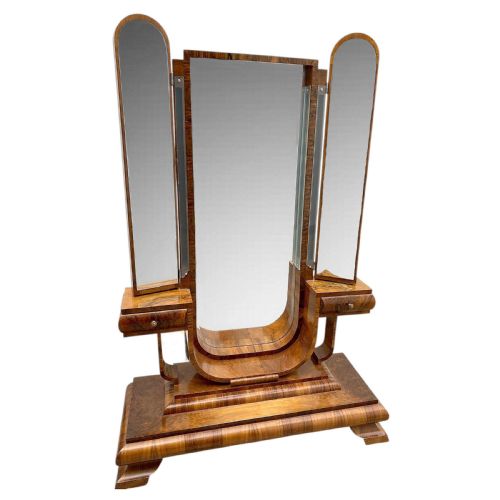
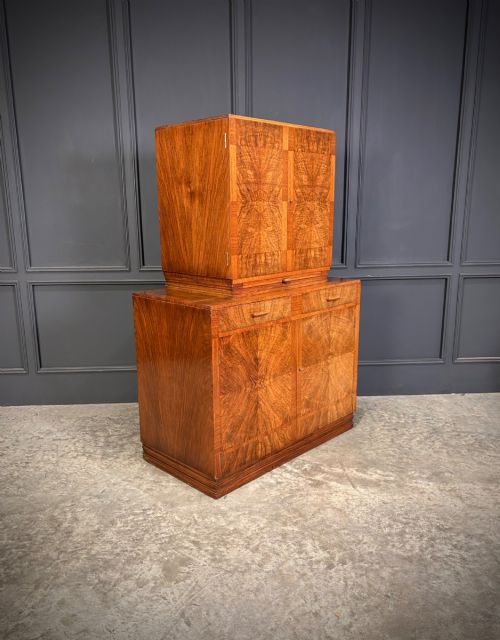
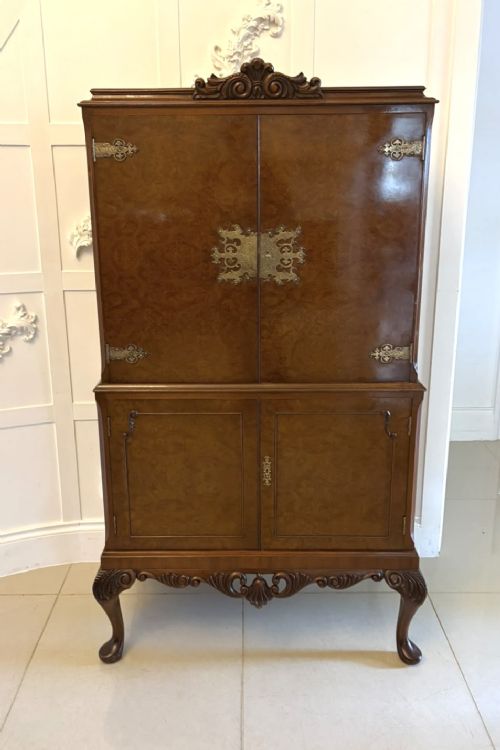
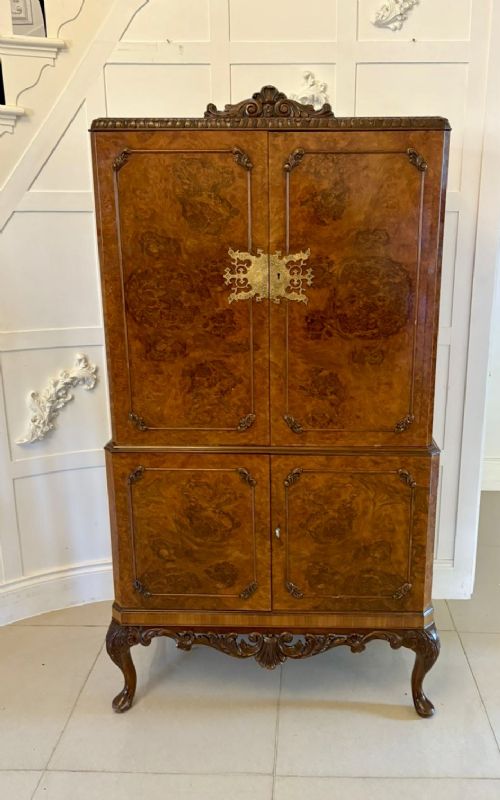
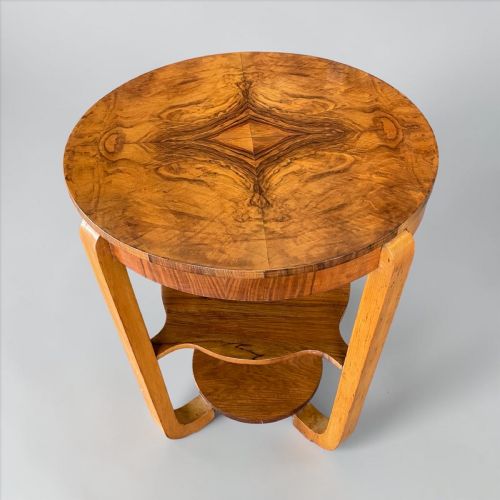
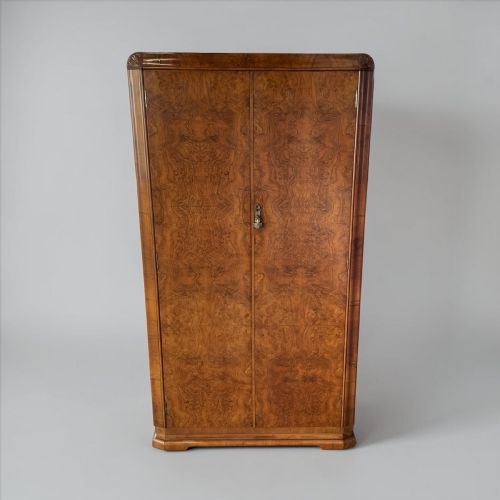
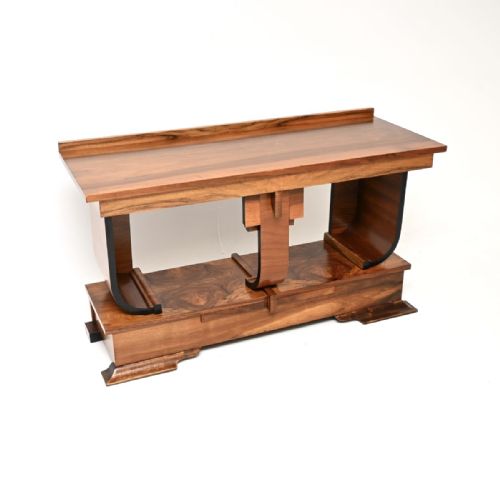
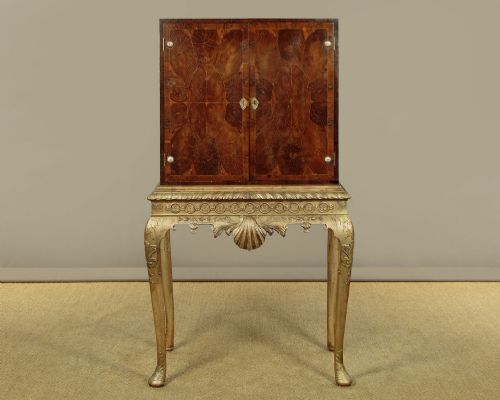
The most common forms on this page include Art Deco floor lamps, occasional tables, and cocktail or bedside cabinets utilising walnut and burr walnut veneers. Pieces such as chevalet artists easels, music cabinets, and folio stands also appear under this grouping.
Origins stretch across English workshops and French studios, reflecting styles from Art Nouveau and Arts and Crafts to Rococo Revival and Queen Anne Revival. Buyers find pieces ranging from simple carved jardiniere stands to grand pedestals and torchiere columns.
Materials and Construction
Makers construct these stands using solid walnut, oak, and wood frameworks overlaid with figured burr walnut veneers to create striking surface patterns. Secondary materials like brass, glass, chrome, and metal appear in mounts, handles, and structural supports.
Techniques involve detailed hand carving, particularly on Victorian and Arts and Crafts pieces, alongside geometric veneering seen on Art Deco standard lamps and pedestals. Inlays of ivory and ebony accent specific nineteenth-century easels and tables.
Walnut Art Stand Retail Price Guide 2026
Typical asking prices for walnut art stand among the pieces listed under this phrase on Sellingantiques today, from the lower quarter to the upper quarter. They describe what is for sale here now, not the wider market.
One exceptional easel includes ebony veneered walnut with delicate ivory inlay, hailing from Italy in the late nineteenth century.
Assessing Quality
Quality rests upon the selection of timber veneers, where highly figured burr walnut and Macassar ebony indicate superior craftsmanship over plain plain-sawn wood. The crispness of hand-carved details on nineteenth-century stands distinguishes master craftsmanship from simpler production.
Structural integrity and the retention of original elements, such as brass fittings, glass tiers, or rewiring on floor lamps, separate standard items from exceptional examples. The reputation of specific makers active in London and Paris further elevates a piece's standing.
Heals·LIBERTY of LONDON·WILLIAM BIRCH·Hille·Harry and Lou Epstein
The Walnut Art Stand Glossary
- Burr Walnut
- A specialised wood veneer taken from the warted growths on walnut trees, prized for its swirling, highly decorative grain patterns.
- Chevalet
- A portable or standing artist's easel designed to hold canvases securely while painting or displaying finished works.
- Torchiere
- A tall standing floor lamp or pedestal designed to direct light upwards or support decorative objects at eye level.
- Jardiniere
- An ornamental stand or receptacle specifically built to hold plants and floral arrangements within a room.
- Folio Stand
- A specialised piece of furniture featuring an adjustable trough designed to hold large books, prints, and paper folios.
Walnut Art Stand: Frequently Asked Questions
What is a walnut art stand used for?
These pieces serve multiple functions depending on their specific form, ranging from illuminating rooms as standard lamps to displaying paintings on easels. Others act as tables for drinks or books.
Collectors utilise them to hold plants, display decorative objects, or organise large folios and prints in domestic interiors.
How do I date a walnut art stand?
Dating relies on stylistic markers and construction methods, such as the curved flowing lines of Art Nouveau versus the geometric symmetry of Art Deco. Victorian pieces often feature heavy hand carving.
Materials also help establish age, with figured burr walnut veneers becoming particularly prominent during the 1920s and 1930s.
Where were these stands made?
The pieces originate primarily from British and French workshops, reflecting the dominant design movements of their respective periods. London firms and Parisian studios produced many of the finest examples.
Regional workshops throughout England also contributed significant Arts and Crafts and Victorian items to the broader market.
How do I care for walnut furniture?
Maintain walnut surfaces by keeping them away from direct sunlight and extreme temperature fluctuations to prevent veneer cracking. Regular dusting with a soft cloth preserves the finish.
Apply appropriate wood waxes sparingly to nourish the grain without buildup, avoiding harsh chemical cleaning agents entirely.