

Wall Mounted Taxidermy
Wall mounted taxidermy brings preserved animals onto interior walls, combining historical natural history with traditional lodge decoration.
Wall Mounted Taxidermy
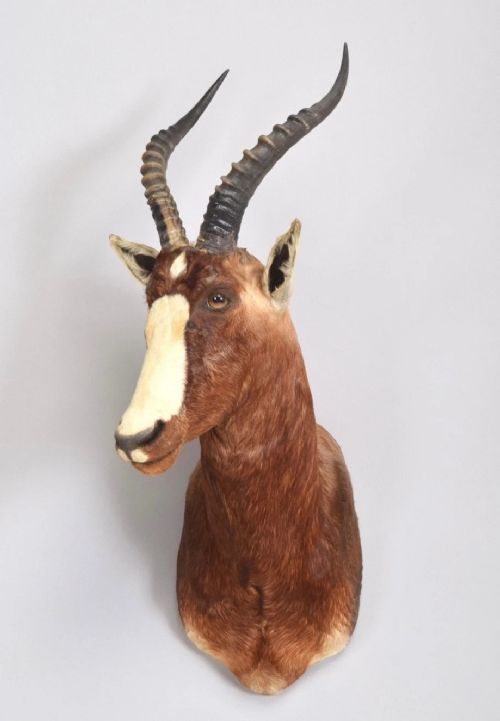
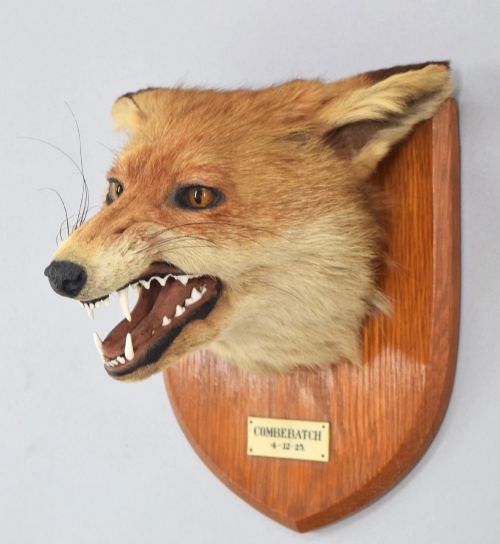
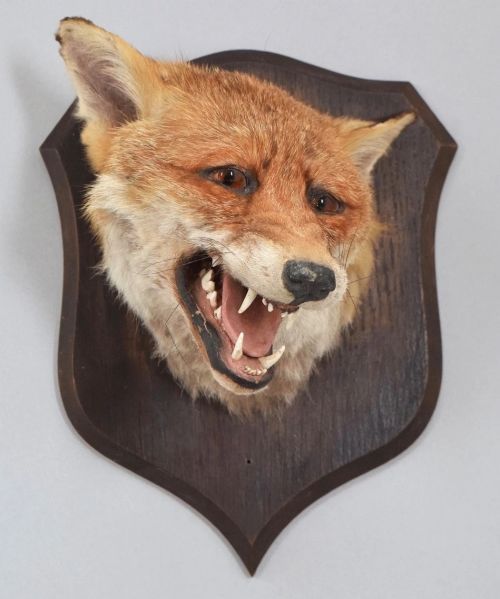
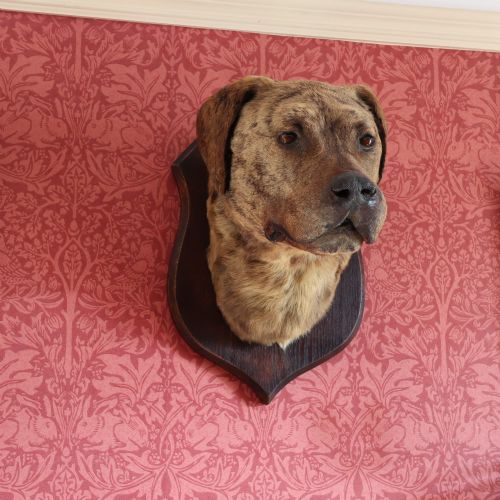
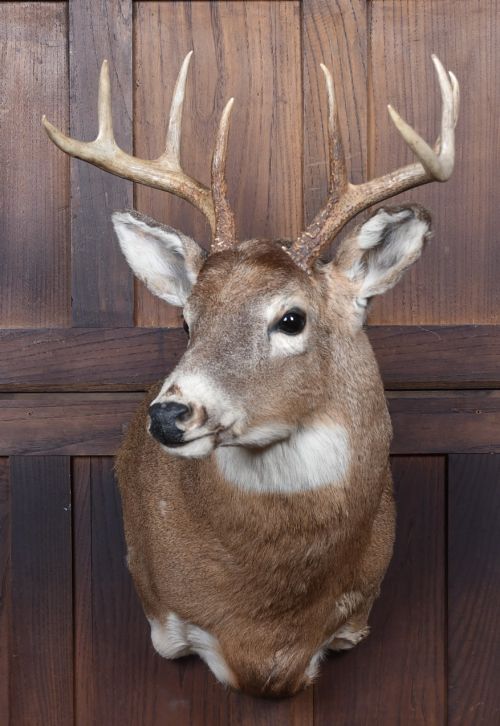
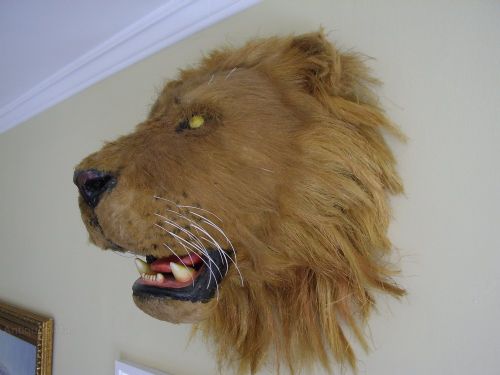
Wall mounted taxidermy encompasses preserved animal specimens and animal parts secured to wooden shields, frames, or directly to walls. When searching for wall mounted taxidermy, buyers encounter mounted heads, horns, masks, and cased birds from the nineteenth and early twentieth centuries. These objects reflect period interests in natural history, hunting, and domestic display within country houses and shooting lodges.
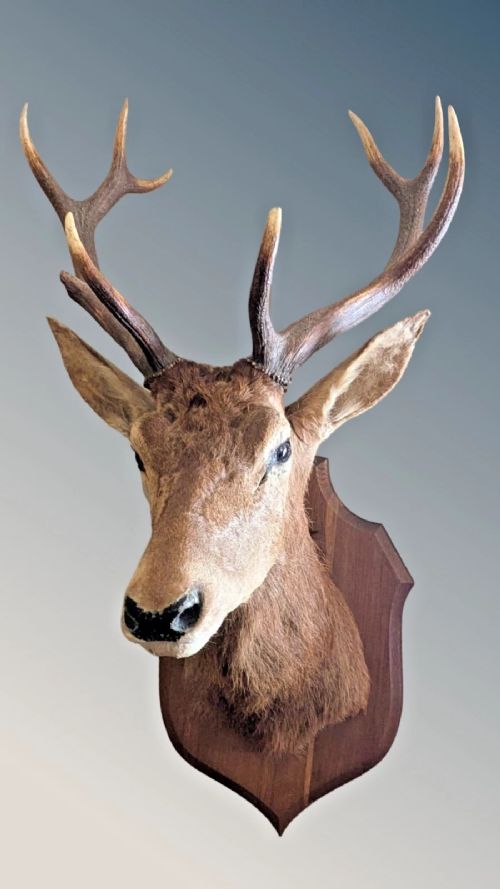
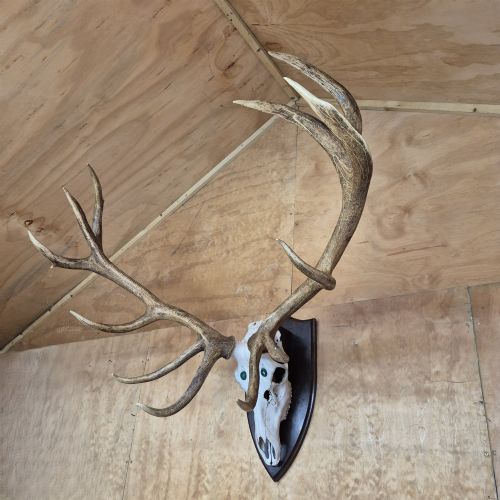
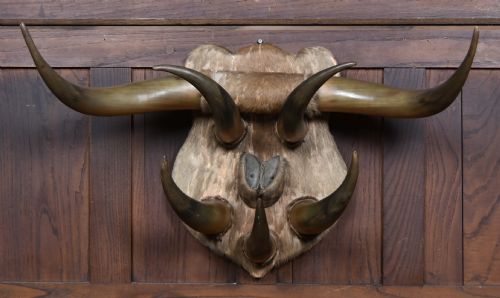
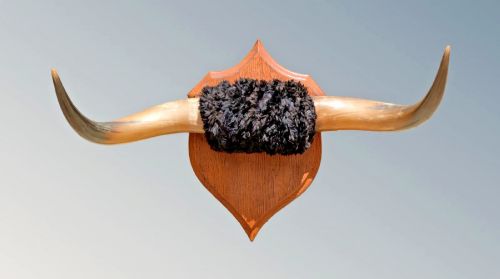
The selection ranges from Victorian fox masks and stags' heads to African antelopes and cased fish or birds. Oak shields and carved wooden supports frequently anchor these mounts, connecting them to Black Forest, Victorian, and Edwardian aesthetic traditions. Pieces span from the 1880s through the 1930s, alongside nineteenth-century arrangements of horns, hooves, and turtle shells.
Materials and construction methods
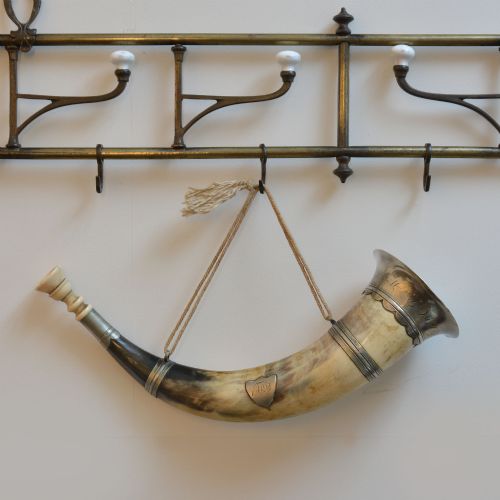
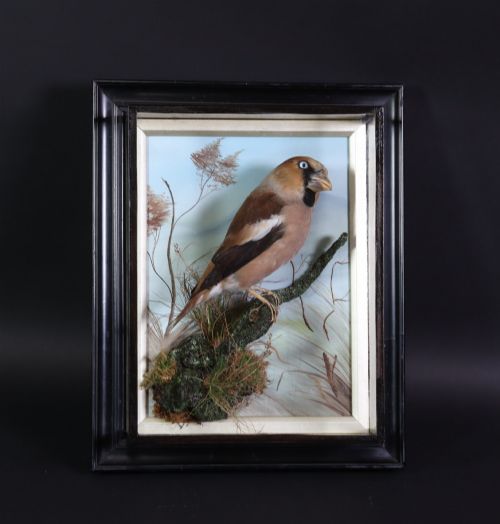
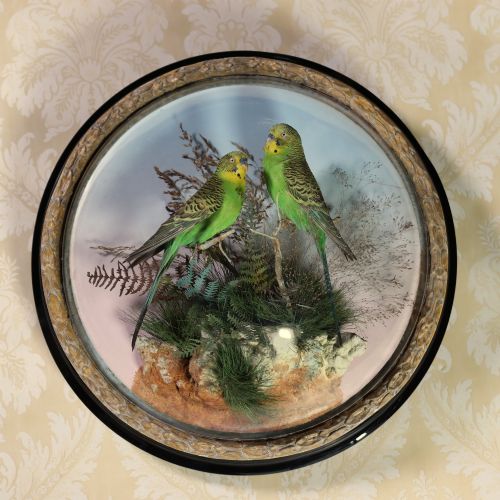
Taxidermists utilised preserved hides, taxidermy hide, bone, and horn mounted over internal forms, securing the specimens to wooden shields or panels of oak and general wood. Ebonised picture frame cases and glass domes protected smaller avian and aquatic specimens, keeping dust away from delicate feathers and scales. Silver plate mounts occasionally appear on associated hunting equipment such as hunting horns.
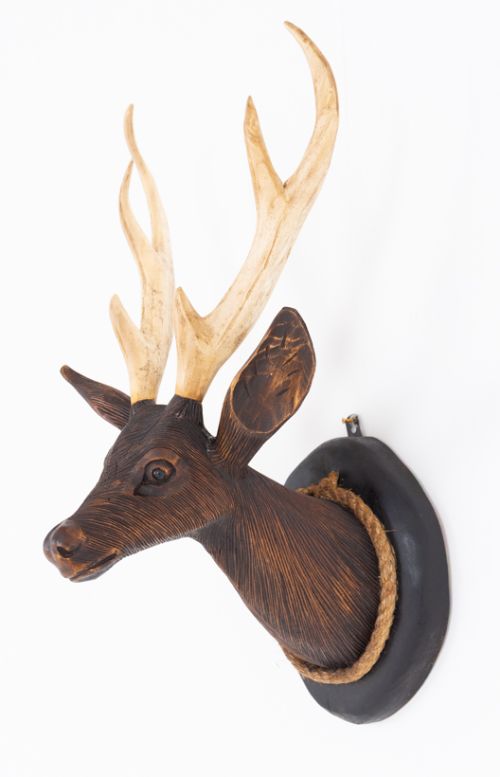
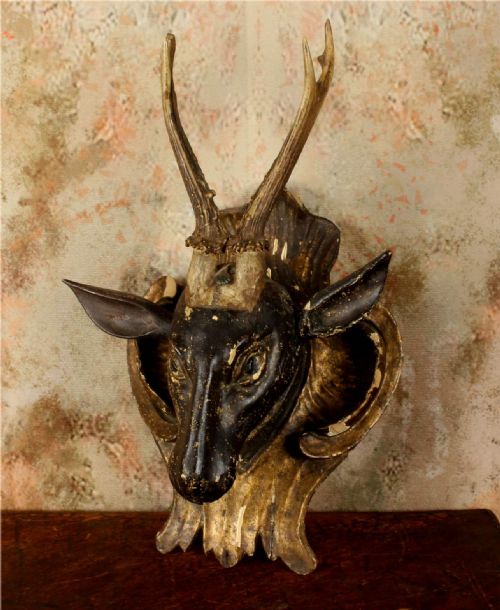
Carved wooden elements, particularly in Black Forest styles, show hand-carving applied to the supporting shields and deer heads. Taxidermists shaped mounts using period methods to maintain realistic musculature and posture in mammals like foxes, stags, and antelopes.
Wall Mounted Taxidermy Retail Price Guide 2026
Typical asking prices for wall mounted taxidermy among the pieces listed under this phrase on Sellingantiques today, from the lower quarter to the upper quarter. They describe what is for sale here now, not the wider market.
Listings feature periods from the 1880s to the 1930s, incorporating materials such as oak, glass, horn, antler, and taxidermy hide.
Factors influencing quality
Quality in wall mounted taxidermy rests upon the anatomical accuracy of the mount and the reputation of the taxidermist who prepared it. Recognisable taxidermists achieve superior form and facial expression in mammals and birds compared to anonymous workshop output. The condition of the hide, fur, or feathers, alongside the stability of the original wooden backing shield, marks the difference between well-preserved examples and degraded pieces.
Rowland Ward·Bill Cox·P. Spicer·Gerrard & Sons·J. Cooper & Sons·W.F. Homer
The Wall Mounted Taxidermy Glossary
- Shield
- A wooden backing board, frequently made of oak, shaped to support a mounted animal head or horns for wall hanging.
- Mask
- The head and neck portion of an animal, commonly a fox, prepared as a wall trophy.
- Carapace
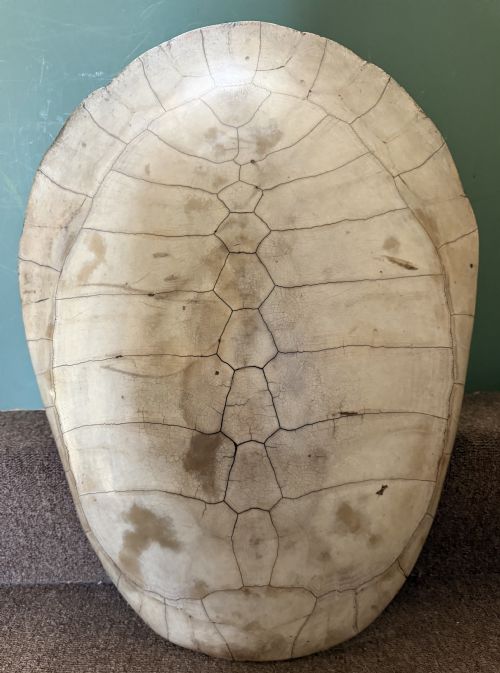
- The upper shell of a turtle or tortoise, utilised historically as a wall display piece.
- Taxidermy Hide
- The preserved skin of an animal prepared for mounting over a form.
Wall Mounted Taxidermy: Frequently Asked Questions
How do I hang wall mounted taxidermy safely?
Heavy mounts require secure fixings into wall studs or solid masonry using appropriate weight-bearing screws and brackets. The wooden shield or backing plate distributes the weight of the specimen against the wall.
Check that the hanging wire or integrated metal loops on the back of the shield are structurally sound before mounting. Balance the piece carefully to ensure it hangs level and secure.
What periods do these taxidermy mounts come from?
The available pieces primarily originate from the Victorian, Edwardian, and early twentieth-century periods, specifically spanning from the 1880s through the 1930s. Styles reflect the natural history collecting habits of these eras.
Maker signatures, framing techniques, and the style of the wooden backing shields help confirm the age of individual pieces.
How should I clean taxidermy mounts?
Dust mounts gently using a soft brush or a low-suction vacuum with a brush attachment, moving in the direction of the hair or feathers. Avoid water or chemical cleaners on the hide and fur.
Keep pieces away from direct sunlight and damp environments to protect the natural materials from fading and deterioration.
What animals are commonly found in these mounts?
Common species include red deer, roe deer, fallow deer, foxes, and various antelopes such as springbok, blesbok, and waterbuck. Smaller specimens feature birds like jackdaws and budgerigars, as well as fish like tench.
Many of these animals reflect nineteenth and early twentieth-century British sporting traditions and global exploration trophies.