



Wall Hanging Plate Shelf
A wall hanging plate shelf keeps kitchen pottery organised and on display.
Wall Hanging Plate Shelf
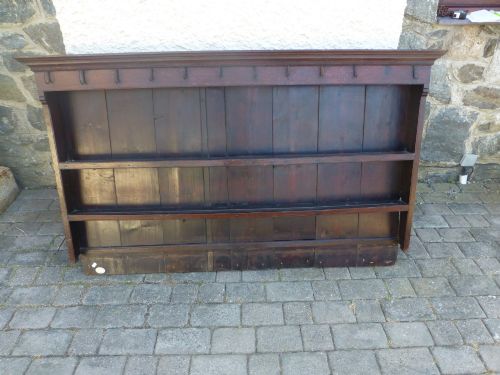
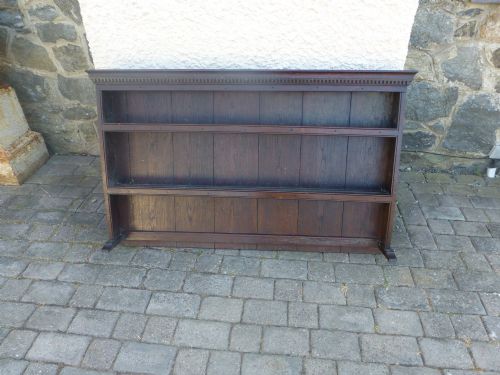
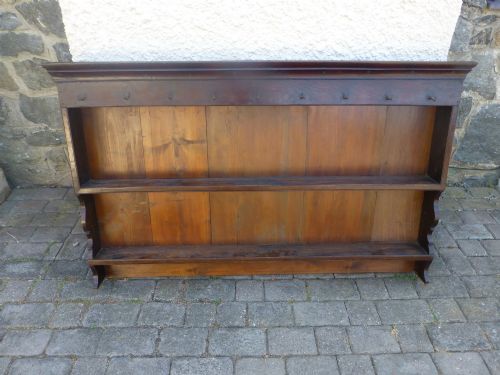
A wall hanging plate shelf provides open storage for displaying ceramics and kitchenware while keeping plates upright and secure. These fixtures range from simple timber racks to more ornate display shelves mounted directly onto walls.
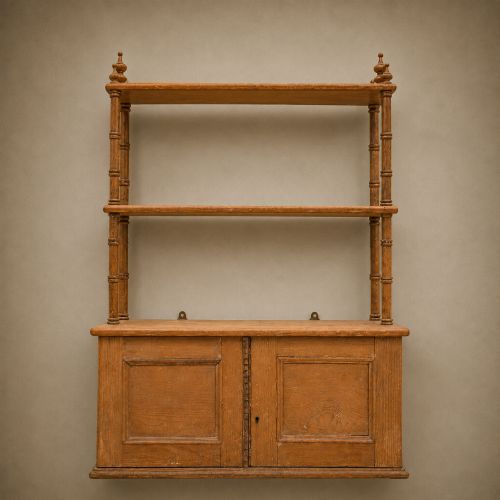
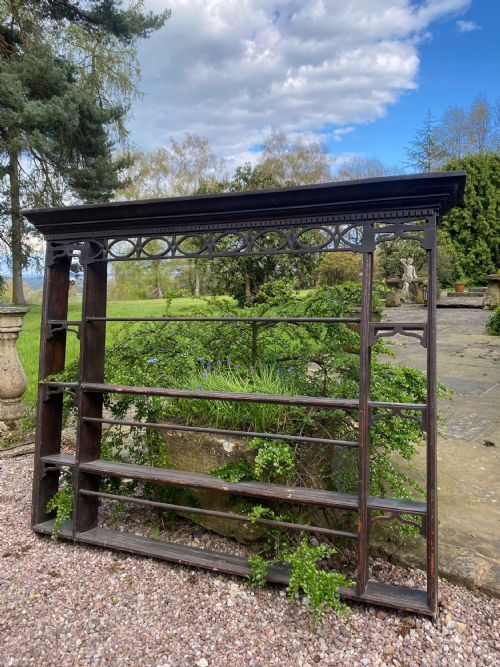
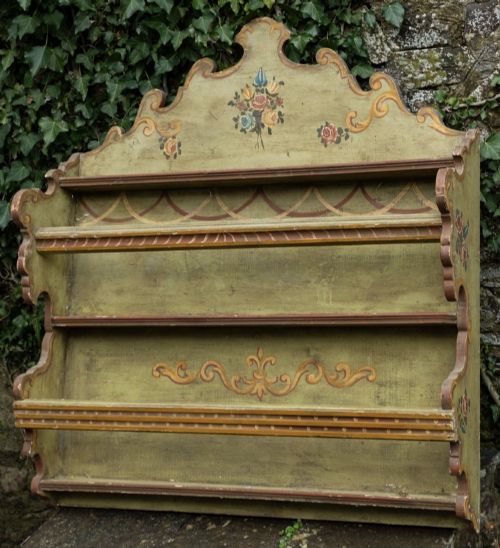
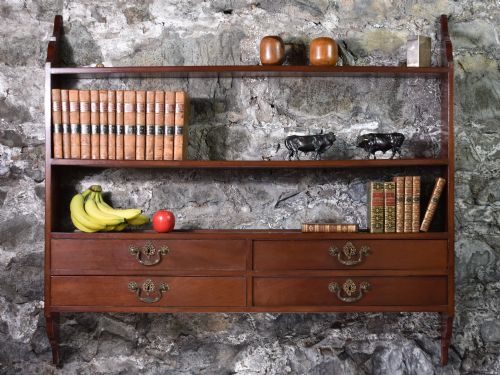
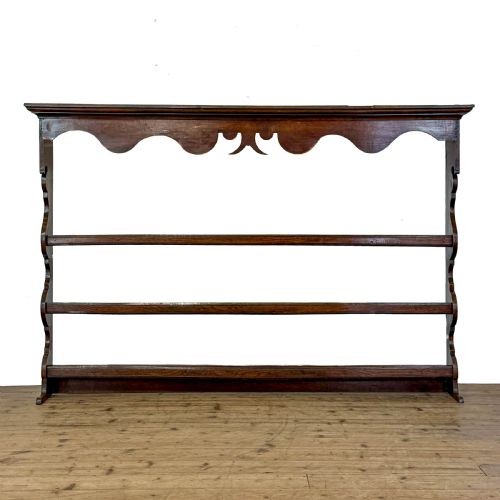
The selection includes Georgian mahogany hanging shelves alongside robust Victorian pine wall shelves and country variants. Simpler folk art examples sit alongside pieces featuring fretwork or small cupboards.
What varies in quality
The distinction between standard utility pieces and finer examples lies in timber selection and secondary details. Mahogany and George III pieces generally display more refined joinery and proportion compared to plain pine kitchen racks.
Decorative additions such as fretwork panels, marquetry inlay, or integrated small cupboards elevate a piece beyond basic utility. The integrity of the hanging mechanism and the original condition of the wood surface further define the character of each shelf.
One twentieth-century display shelf arrives painted in a specific Little Greene heritage shade.
The Wall Hanging Plate Shelf Glossary
- Delft rack
- A specialised wall shelf designed with narrow ledges and retaining rails to display tin-glazed earthenware plates safely. These fixtures were standard in kitchens for holding everyday ceramics.
- Fretwork
- Openwork ornamentation cut into thin timber boards using a scroll saw or piercing technique. This decorative technique often appears on the friezes or side panels of Georgian and eighteenth-century racks.
- Marquetry
- The art of applying decorative veneer pieces to a structure to form geometric or pictorial patterns. This technique appears on select nineteenth-century display shelves.
- George III
- The stylistic period spanning the reign of George III from 1760 to 1820. Furniture from this era often utilises mahogany and exhibits classical proportions.
Wall Hanging Plate Shelf: Frequently Asked Questions
How do I hang a heavy plate shelf safely?
Wall hanging plate shelves require secure fixing directly into wall studs or masonry using appropriate brackets. The weight of stacked ceramics places significant strain on the mounting points.
Ensure the fixings match the wall type to support both the timber structure and the heavy plates placed upon the ledges.
Were these shelves made for kitchens?
These racks served primarily in domestic kitchens and dining spaces to store and dry ceramic tableware. The open design allowed everyday plates to remain accessible.
Later Victorian and Edwardian examples often transitioned into living rooms and hallways for ornamental display rather than heavy utility.
How do I tell Georgian shelves from Victorian ones?
Georgian shelves frequently utilise mahogany or oak with formal proportions and classical decorative details like fretwork. They often date from the eighteenth century.
Victorian pieces tend to use pine or mixed woods, sometimes with painted finishes, reflecting country domestic tastes of the nineteenth century.
Can these shelves hold modern heavy plates?
Most antique plate racks feature deep grooves and sturdy wooden rails designed to support heavy earthenware and stoneware. Solid oak and mahogany versions offer substantial load-bearing capacity.
Check the depth of the plate ledge and the angle of the restraining rail to ensure contemporary dinnerware sits securely.