




Oak Kitchen Display Rack
An oak kitchen display rack brings honest country character and practical open storage to a room through time-tested timber and traditional joinery.
Oak Kitchen Display Rack
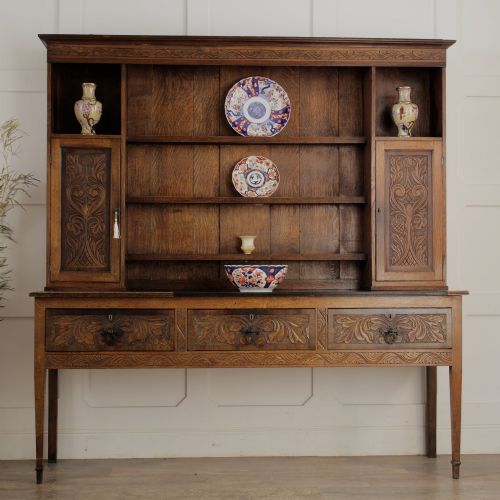
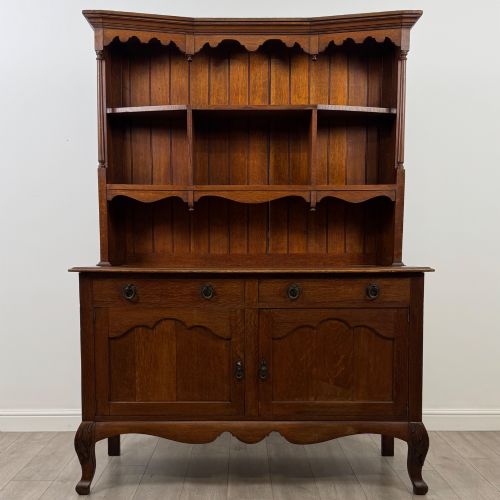
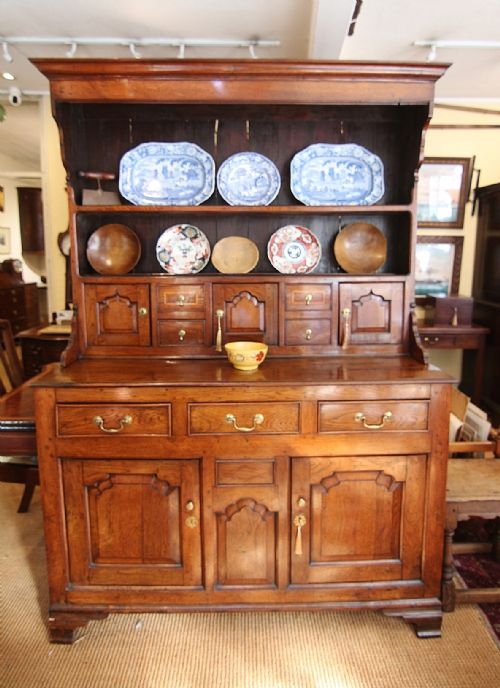
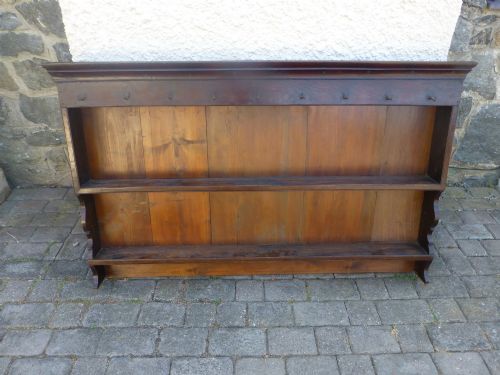
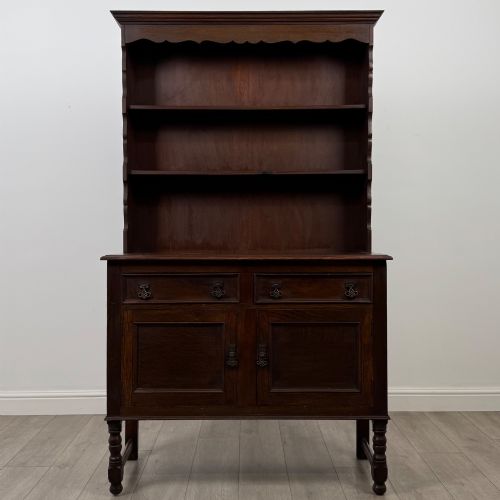
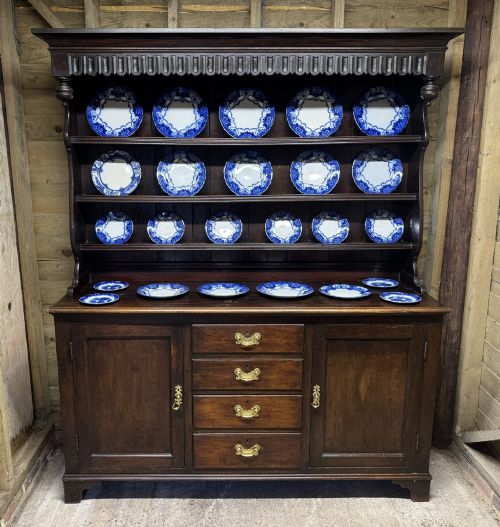
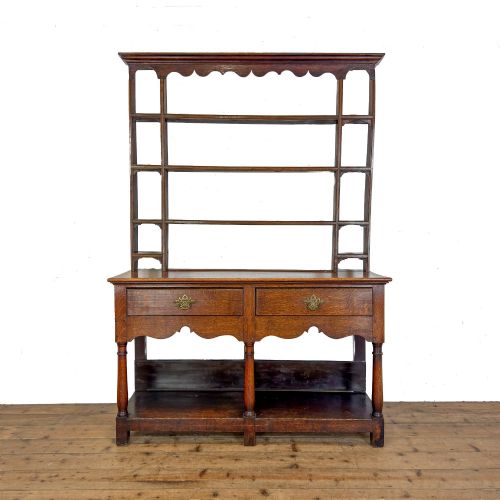
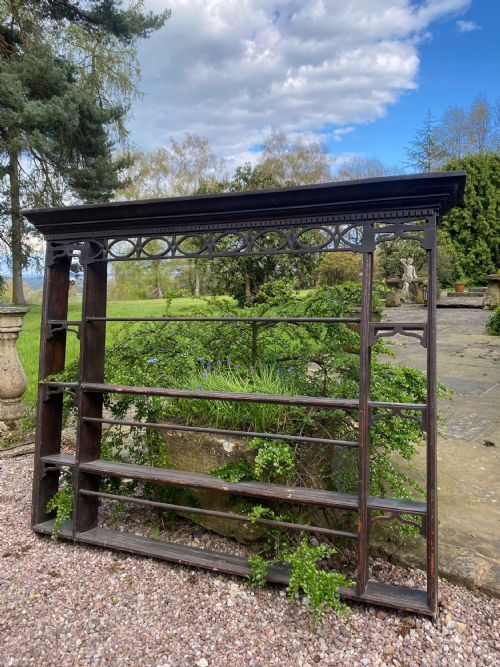
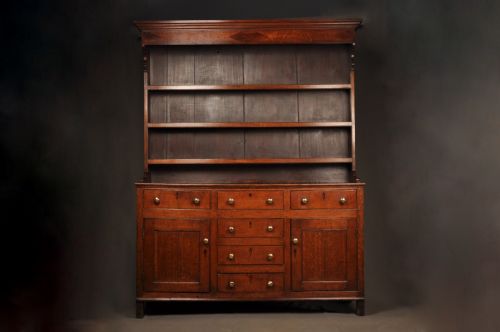
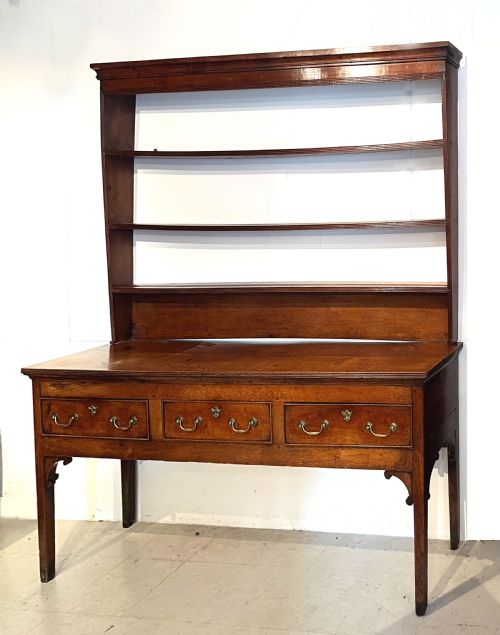
When you search for an oak kitchen display rack, you encounter a range of regional forms primarily comprising wall-mounted plate racks, spoon racks, and full dresser bases topped with open display shelving. These pieces originate predominantly from the eighteenth and nineteenth centuries, spanning Georgian and Victorian periods, along with later twentieth-century revivals.
The regional variations reflect traditional British country craftsmanship, particularly from Wales and English country workshops, where timber storage was essential for daily domestic life. Many examples survive as two-part dressers where the upper display rack sits upon a base of drawers and cupboards, while others remain strictly as wall-hung plate racks designed to exhibit pottery and delftware.
Materials and Construction
Makers relied primarily on solid oak, occasionally supplemented with secondary woods such as pine or mahogany, alongside durable metal hardware in brass and iron. Timber was selected for its grain and strength, often joined using traditional pegged mortise and tenon joints that allowed the wood to expand and contract naturally over decades of use.
Carved details, inlay work, and shaped friezes were executed by hand using standard cabinet-making tools of the period. Surfaces received natural finishes or simple waxes that highlighted the figuring of the oak without masking the organic texture of the wood.
The listings span the eighteenth, nineteenth, and twentieth centuries, featuring materials such as oak, brass, iron, and pine across various regional styles.
Factors That Separate Examples
The distinction between standard utility furniture and superior examples lies in the proportion of the piece, the integrity of the timber, and the presence of original components. Pieces that retain their matching upper display rack and lower base together hold greater architectural harmony than assembled marriages of different periods.
Subtleties in hand-carving, such as crisp mouldings, peg construction, and regional details like potboards or shaped friezes, separate straightforward workshop items from finer provincial masterworks.
The Oak Kitchen Display Rack Glossary
- Delft rack
- An open wall-mounted shelving unit designed specifically to display plates and ceramic tableware upright. These often feature grooved plate rails and small hooks for hanging cups.
- Potboard
- A lower open shelf built near the floor between the legs of a dresser base, traditionally used for storing heavy pots and pans. This structural feature is common in Welsh country furniture.
- Dresser base
- The lower cabinet portion of a dresser, typically fitted with drawers above cupboards. It provides enclosed storage beneath the open display shelving of the rack.
- Peg construction
- The traditional method of securing joinery using wooden dowels rather than modern steel fasteners. It is a reliable indicator of older cabinet-making techniques.
Oak Kitchen Display Rack: Frequently Asked Questions
How do I hang a wall rack?
Wall-mounted racks require secure anchoring directly into masonry or timber studs using appropriate heavy-duty brackets due to the combined weight of the oak and the ceramics displayed upon it.
Ensure the fixing points engage the main structural frame of the rack rather than decorative mouldings to support the load safely.
Are these racks suitable for everyday use?
These pieces were built for active kitchens and remain entirely practical for holding modern dishware, mugs, and everyday kitchen items.
Solid oak construction handles daily domestic life well, provided the timber is kept away from excessive moisture and direct heat sources.
How do I date an oak rack?
Dating relies on observing construction methods, tool marks, timber shrinkage patterns, and overall regional style characteristics rather than strict numerical stamps.
Hand-cut pegs, backboards made of mismatched plank widths, and Georgian or Victorian proportions help narrow down the period of manufacture.
What is a Welsh dresser?
A Welsh dresser combines a lower storage cabinet with an integrated upper plate rack designed as a single unit or a two-part assembly.
Originating in Welsh country homes, these pieces served as both practical storage and a display space for family ceramics.