


Virgin Mary Sculpture
A virgin mary sculpture brings centuries of devotion into the home, shaped in wood, terracotta, or metal by hands that understood reverence.
Virgin Mary Sculpture
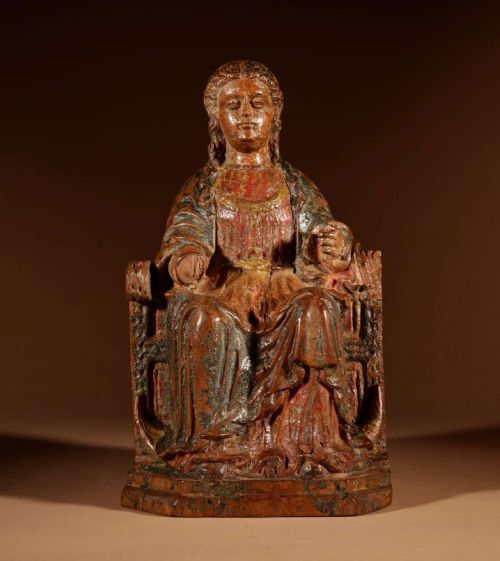
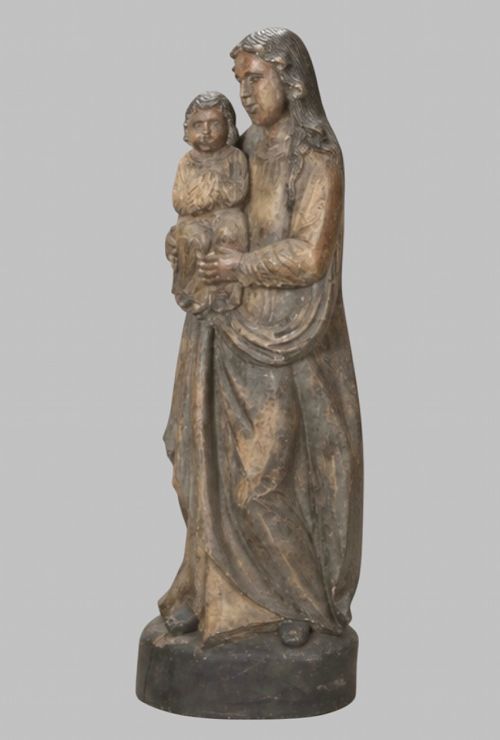
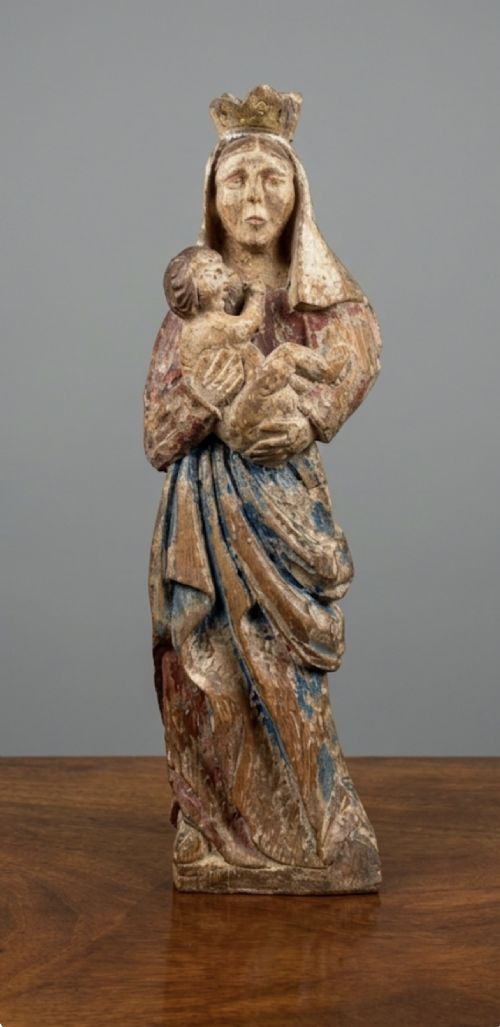
A virgin mary sculpture encompasses devotional figures created across several centuries, ranging from medieval altar panels to later terracotta and porcelain interpretations. The examples met most frequently on this page are carved from oak or softwoods, often depicting the Madonna seated on a throne or holding the Christ child.
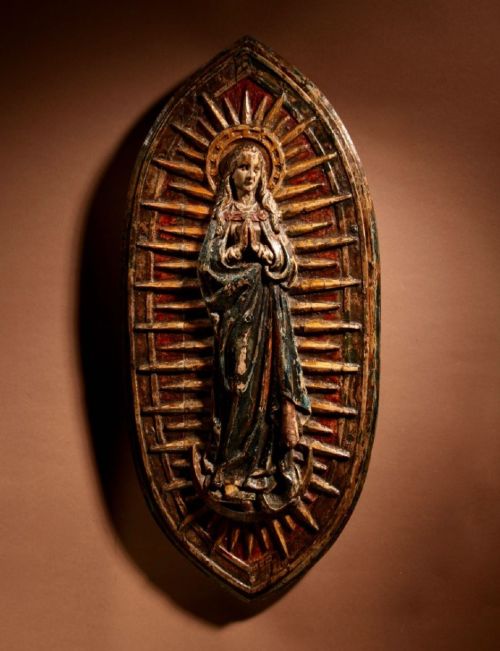
The historical scope reaches from pre-sixteenth century Gothic works up to twentieth-century pieces, including devotional fragments and wall-mounted panels. Makers across Europe approached the subject through distinct regional lenses, yielding everything from austere Spanish baroque representations to expressive French and Italian carvings.
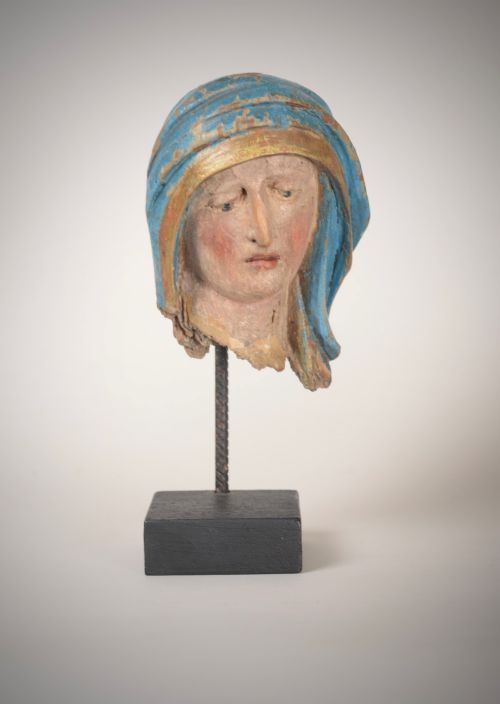
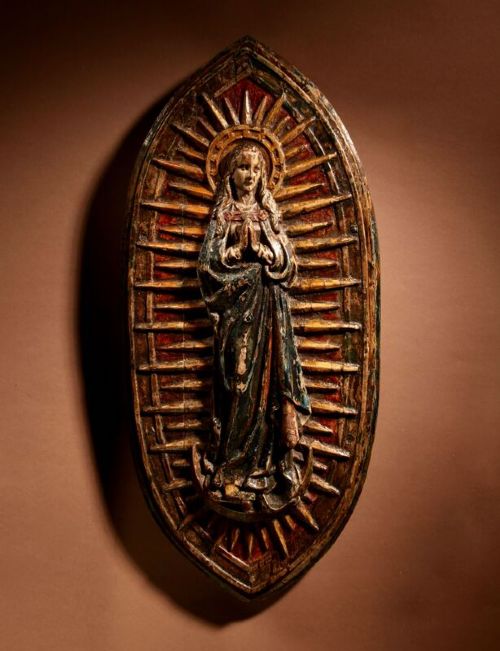
Formats vary from solitary standing statues and elaborate pieta groupings to architectural fragments salvaged from larger altarpieces. Buyers encounter both monumental figures intended for sacred spaces and smaller domestic pieces designed for private contemplation.
Materials and construction
Carved wood forms the foundation of the tradition, with oak, walnut, applewood, and various hardwoods shaped by chisel and gouge. Artisans frequently applied gesso as a smooth base layer before adding polychrome paint or laying delicate gold leaf across the surface.
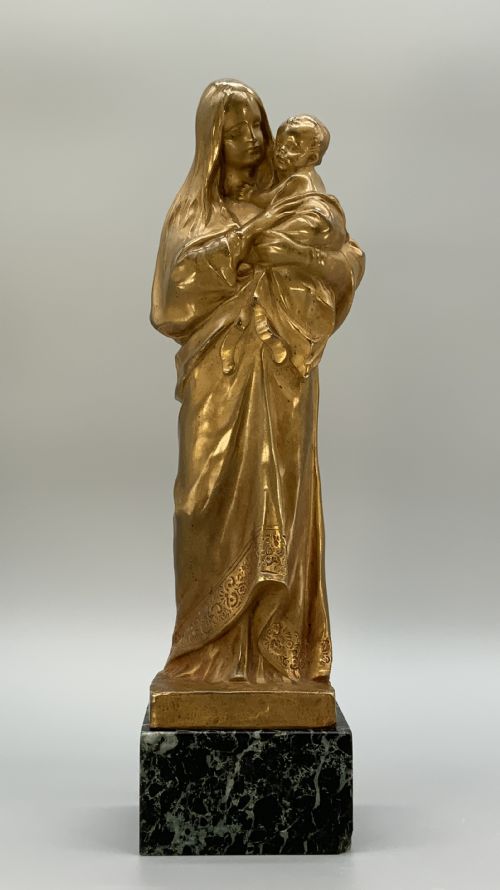
Later periods introduced alternative mediums including terracotta, limestone, gilt bronze, and parianware, expanding the technical repertoire. Pigments applied to early wooden surfaces were often built up in thin layers to render robes and flesh tones with lifelike depth.
Materials recorded across the archive include traditional oak and walnut alongside applewood, limestone, gilt bronze, and parianware.
Distinguishing quality in devotional sculpture
Quality rests in the anatomical confidence of the carving and the emotional resonance captured in the facial expression of the figure. Master carvers achieved fluid drapery folds that suggest weight and movement beneath, whereas lesser pieces display stiff and repetitive lines.
The survival of original surface treatments, such as polychrome pigment or gilding, heavily influences the standing of a piece. Traces of historical gesso and paint layers demonstrate authenticity and preserve the visual intent of the original workshop.
Hans Müller·George Kemper
The Virgin Mary Sculpture Glossary
- Polychrome
- Painted in several colours. This term describes wooden and terracotta sculptures decorated with pigments to imitate life.
- Pieta
- A subject depicting the Virgin Mary supporting the dead body of Christ. These compositions emphasise sorrow and maternal grief.
- Gesso
- A plaster mixture used as a smooth surface for painting or gilding. It provides a stable base on carved wood.
- Parianware
- A fine-grained white ceramic resembling marble. It gained popularity during the nineteenth century for statuary.
- Altarpiece
- A structure set behind an altar. Central panels from these large wooden assemblies often survive as independent wall sculptures.
Virgin Mary Sculpture: Frequently Asked Questions
How do I date a wooden figure?
Dating relies upon tool marks, wood species, and stylistic conventions associated with specific centuries. Examination of the underlying gesso and preparation layers also offers clues to the age of the piece.
Early works often display adze or hand-chisel marks unique to medieval and renaissance joinery. Comparing the drapery style and facial carving to documented examples helps narrow the period of origin.
Were these statues originally painted?
Many early wooden and terracotta figures featured extensive polychrome paint schemes designed to look realistic. Over the centuries, subsequent owners often stripped or repainted these surfaces.
Traces of original pigment hiding in the recesses of carved folds indicate an untouched or early surface. Finding remnants of gold leaf beneath later finishes confirms a high-status commission.
Where were these sculptures displayed?
Devotional figures originally stood within churches, private chapels, and roadside shrines across Europe. Smaller domestic carvings were kept in bedchambers for private prayer and reflection.
Wall sculptures and altarpiece panels formed part of larger ecclesiastical architectural schemes before becoming detached. Freestanding statues occupied niches or sat upon dedicated wooden thrones.
How should I care for antique wood?
Maintain stable humidity and temperature away from direct sunlight and heat sources to prevent the wood from splitting. Avoid applying modern oils or polishes that can damage fragile historical finishes.
Dust gently with a soft, dry brush rather than a cloth that might snag on splintered or flaking gesso. Professional conservation is recommended for securing loose polychrome paint.