


Vintage Yorkshire Landscape
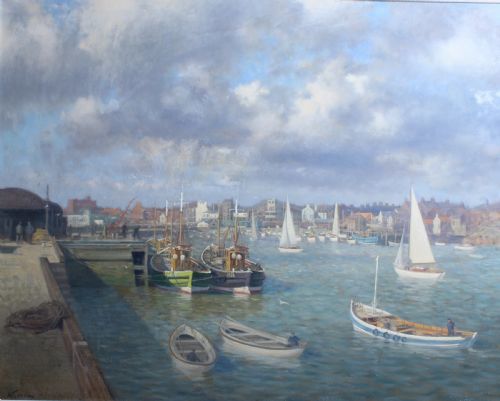
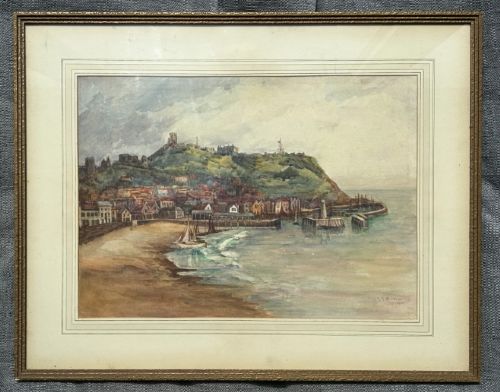
These vintage yorkshire landscape paintings capture the rugged beauty of northern valleys and coastal harbours through the brush of regional artists.
Vintage Yorkshire Landscape
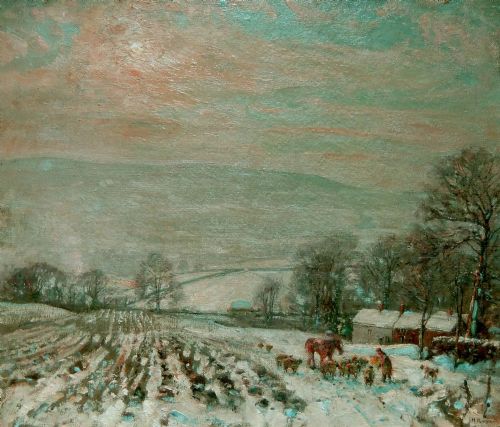
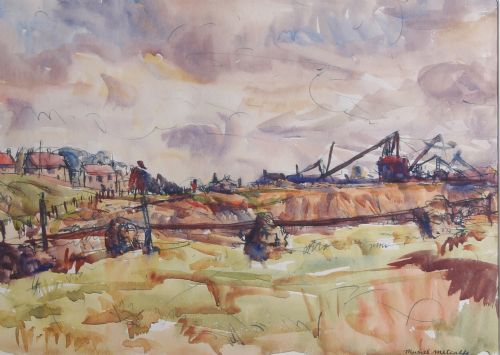
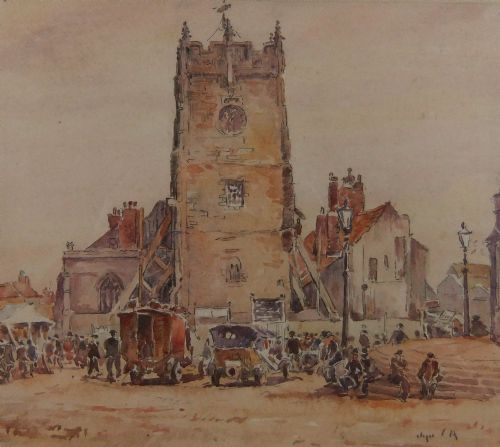
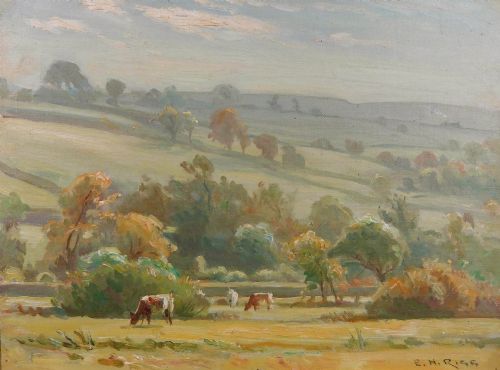
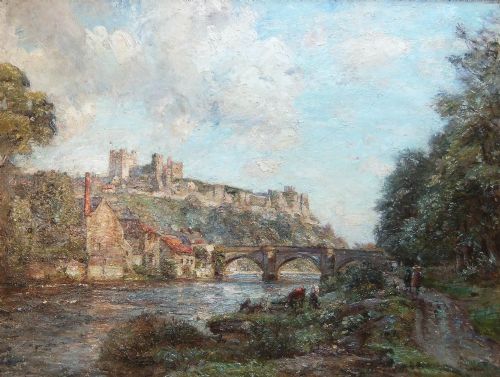
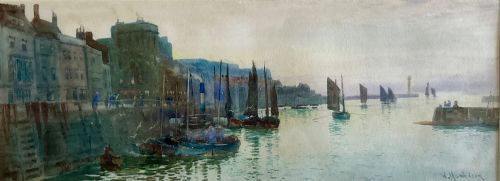
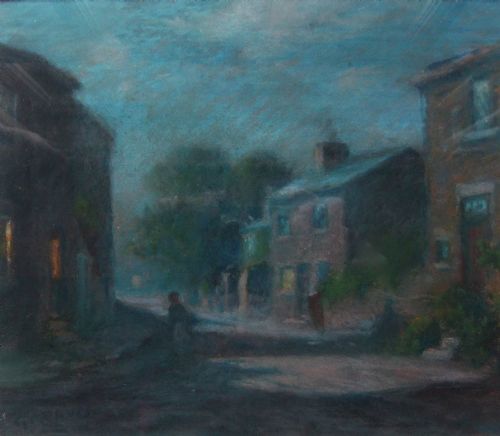
A vintage yorkshire landscape captures the distinct topographies of the northern dales, rolling moors, and bustling fishing ports through early to mid-twentieth-century eyes. Buyers encounter framed oil paintings on canvas or board alongside delicate watercolours and pastels depicting familiar local landmarks.
The subjects range from quiet farmsteads near Wharfedale and Bolton Abbey to dramatic coastal scenes around Whitby and Staithes. These original works record rural life, agricultural routines like haytime, and historic Yorkshire villages before modern development altered their character.
How They Were Made
Artists applied rich oil paint to canvas, wood panel, or board to build textured surfaces that captured changing northern weather and evening light. Watercolour pigment and ink on paper allowed painters to work rapidly out in the field, recording transient effects of light on river valleys and moorland streams.
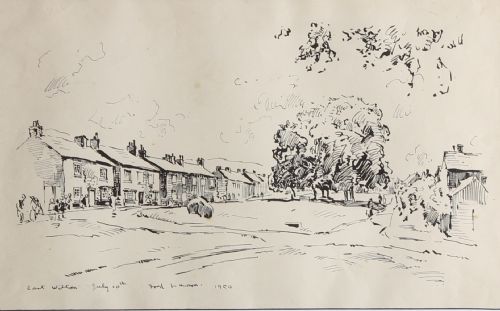
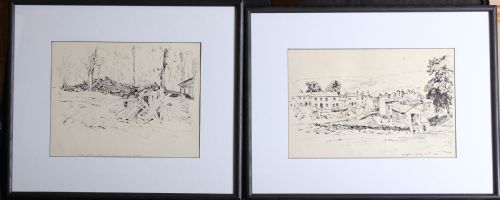
Pastel and pencil drawings provided a direct method for sketching local architectural details and coastal views directly from nature. Framing typically involved period wooden mouldings selected to complement the specific palette of the landscape.
Mediums range from traditional oil on canvas and watercolour to pastels, ink drawings, and pencil sketches.
What Varies in Quality
Quality rests upon the artist's ability to command light and atmosphere rather than the mere scale of the canvas or the fame of the view. Stronger pieces display confident brushwork and a sure sense of tonal balance that fixes the specific mood of a dales morning or an overcast harbour.
The relationship between the medium and the subject determines the visual success of the composition, as seen in how effectively watercolour wash conveys open skies or heavy oils capture dense moorland foliage.
Herbert Royle·Fred Lawson·Ernest Higgins Rigg·Owen Bowen·Angus Rands
The Vintage Yorkshire Landscape Glossary
- Impressionism
- A style of painting emphasising spontaneous brushstrokes and the shifting qualities of natural light. British practitioners adapted these techniques to capture native rural scenery.
- Diptych
- A painting divided into two distinct panels designed to be displayed together. These matched sections often present paired coastal views or adjacent historic landmarks.
- Coble
- A traditional type of open fishing boat native to the north-east coast of England. These distinctive vessels frequently appear in harbour scenes around Whitby and Runswick Bay.
- Provenance
- The documented history of ownership tracing a work from the artist's studio to the current collection. Studio sales often provide direct links to the creator's family or estate.
Vintage Yorkshire Landscape: Frequently Asked Questions
What locations appear most often?
The surviving works concentrate heavily on Wharfedale, the North York Moors, and coastal spots such as Whitby and Staithes. Painters returned repeatedly to these specific valleys and harbours for their varied topography.
Familiar village scenes near Bolton Abbey, Richmond, and Robin Hoods Bay also feature prominently across the recorded pieces.
How should these paintings be displayed?
Oil paintings on canvas or board benefit from stable indoor environments away from direct sunlight and excessive humidity. Traditional wooden frames support the weight of these historic pieces safely.
Watercolours and pastels require conservation mounting under glass to protect the paper and pigments from atmospheric moisture.
Are these works signed by the artists?
Many examples bear the artist's signature, frequently placed discreetly in a lower corner of the canvas or paper. Some pieces include additional inscriptions, dates, or titles written on the reverse.
Unsigned works often share distinct stylistic traits, brush techniques, and framing origins that link them directly to known regional studios.
How do watercolours differ from oils here?
Watercolour paintings utilise fluid washes on paper to create luminous, immediate impressions of weather and open skies. They offer a lighter, more delicate record of rural lanes and village squares.
Oil paintings employ thicker pigments built up on canvas or board, allowing artists to convey the heavy textures of moorland heather and rolling agricultural fields.