


Vintage Yorkshire Artwork
Vintage yorkshire artwork captures the rugged character of northern landscapes through oil, watercolour and ink.
Vintage Yorkshire Artwork
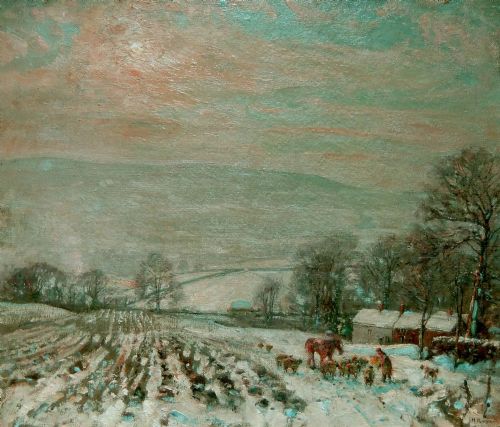
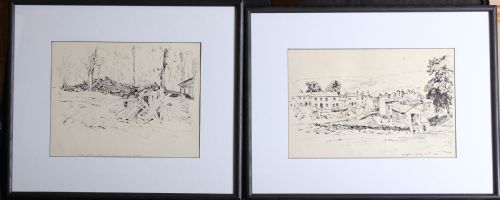
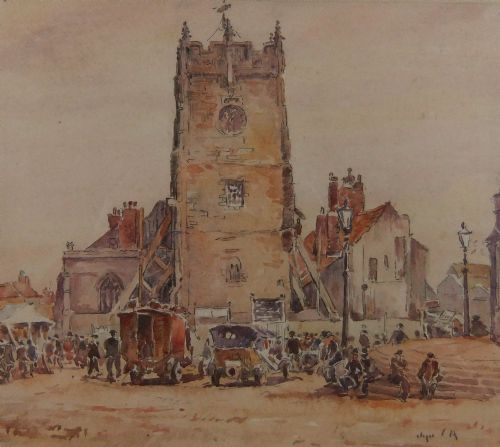
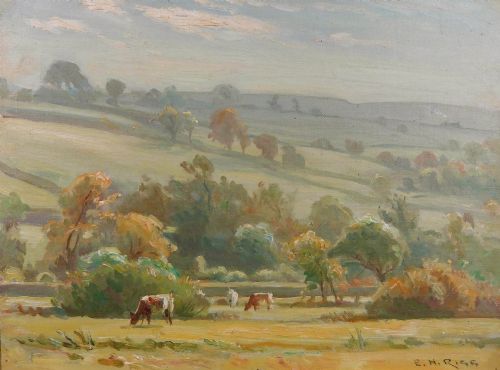
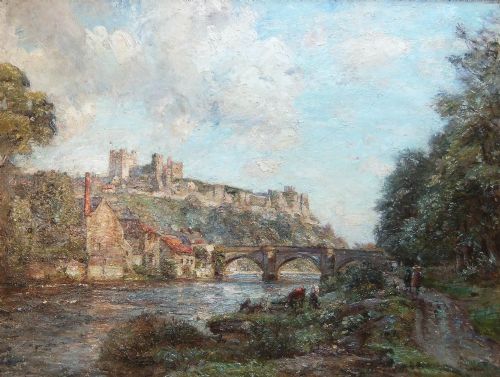
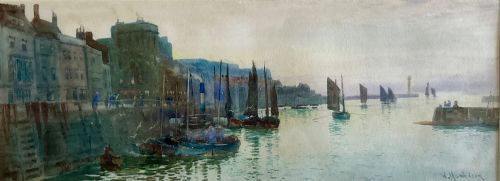
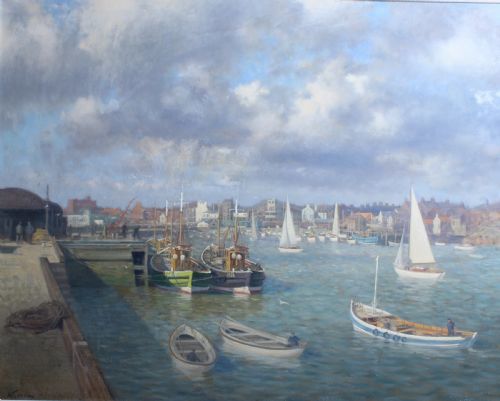
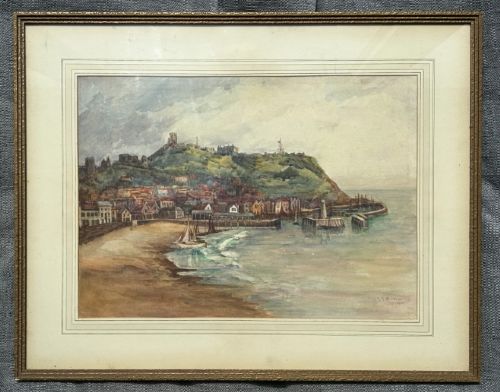
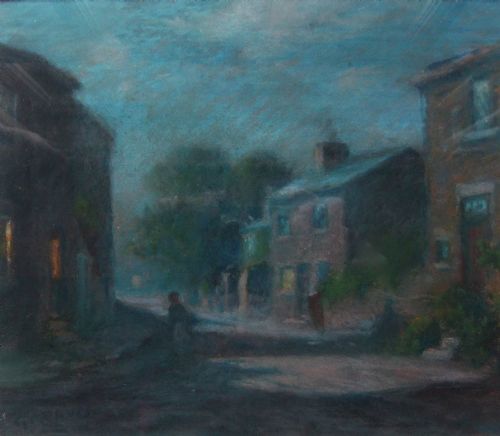
Vintage yorkshire artwork comprises regional paintings, watercolours and drawings created across the late nineteenth and mid twentieth centuries. These pieces record rural valleys, coastal harbours and moorland scenes through traditional British visual idioms.
The selections available here lean heavily toward early twentieth century landscape painting and marine watercolours. Artists working in this tradition sought to capture the distinct light and topography of northern England.
Common subjects include stone farmsteads, riverbanks in Wharfedale, and bustling fishing ports like Whitby and Staithes. Works range from intimate ink studies to substantial oil paintings on canvas and board.
Materials and Methods
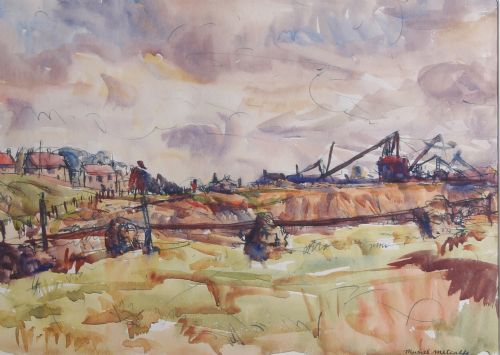
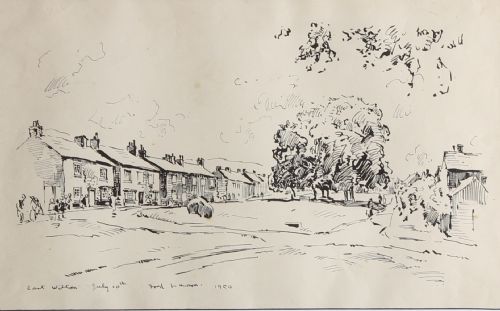
Painters utilised oil and watercolour pigments applied to canvas, wood panels, paper and card. Canvas supports often carried heavier layers of oil paint built up with brushes and knives, while paper received transparent washes of watercolour or fluid ink.
Framing and support materials reflect standard studio practices of the Edwardian and mid twentieth century periods. Many boards and canvases bear period inscriptions, artist signatures and remnants of early studio sales.
Works on paper and canvas are represented alongside less common supports like wood panels and artist boards.
Distinctions in Quality
Quality rests upon the artist's handling of local atmosphere and light, distinguishing lively en plein air observation from formulaic studio production. Stronger works demonstrate confident brushwork and a secure grasp of northern topography.
Material stability and the preservation of original pigments also divide pieces, as exposed watercolours or poorly sealed oils suffer from fading and surface darkening.
Herbert Royle·Fred Lawson·Ernest Higgins Rigg·Owen Bowen·Florence Hess
The Vintage Yorkshire Artwork Glossary
- Watercolour
- A painting method where water-soluble pigments are suspended in a water-based solution on paper. This technique allows for transparent washes and fine linear details.
- Oil paint
- A slow-drying medium composed of pigment particles suspended in a drying oil, typically linseed. It permits rich colour saturation and textured impasto surfaces.
- Gouache
- An opaque water-based paint that includes white pigment to create solid, flat areas of colour. It often appears combined with watercolour in mixed media drawings.
- Impasto
- Paint applied thickly to a canvas or panel so that it stands out from the surface. This technique preserves the physical gesture of the brush or palette knife.
- Provenance
- The documented history of ownership surrounding an artwork. It provides evidence of a piece's origin and exhibition record.
Vintage Yorkshire Artwork: Frequently Asked Questions
What periods do these artworks cover?
The pieces span from the late nineteenth century through to the mid twentieth century, encompassing Edwardian and mid-century movements.
Most items date from the decades between eighteen ninety and nineteen fifty.
How should I care for vintage watercolours?
Watercolours require protection from direct sunlight to prevent fading of the delicate pigments on paper.
Mounting them behind protective glass with acid-free materials ensures long-term preservation.
Where were these scenes typically painted?
Artists focused heavily on the Yorkshire Dales, coastal towns such as Whitby and Staithes, and surrounding moorlands.
Local landmarks like Bolton Abbey and the river Wharfe appear frequently across the collection.
How do I identify a Yorkshire artist's work?
Many pieces feature specific regional place names inscribed by the artist on the front or reverse.
The subject matter itself often depicts recognizable northern landscapes, farmsteads and marine harbours.