
Vintage Yellow Gold Necklace
A vintage yellow gold necklace brings together warm metal and enduring design, offering an accessible route into historical jewellery.
Vintage Yellow Gold Necklace
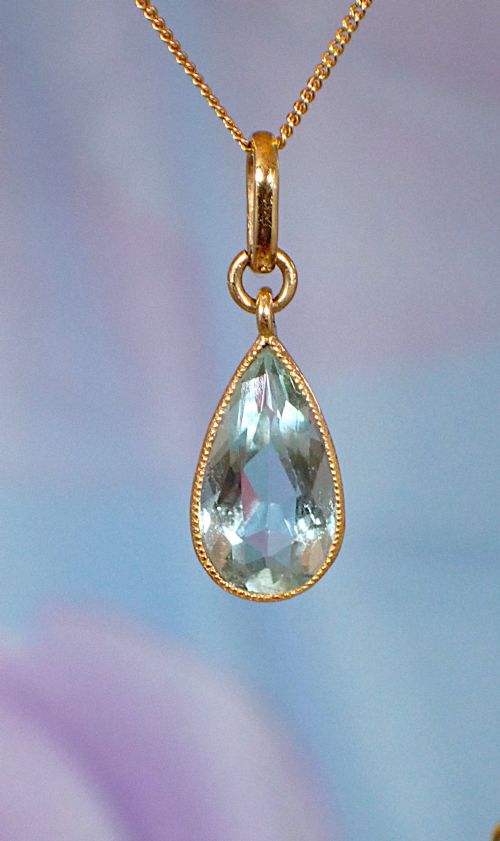
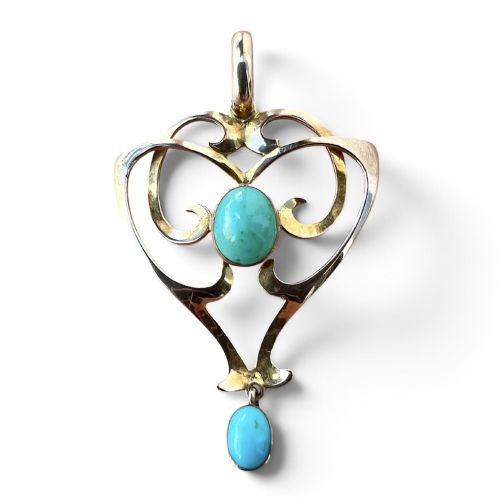
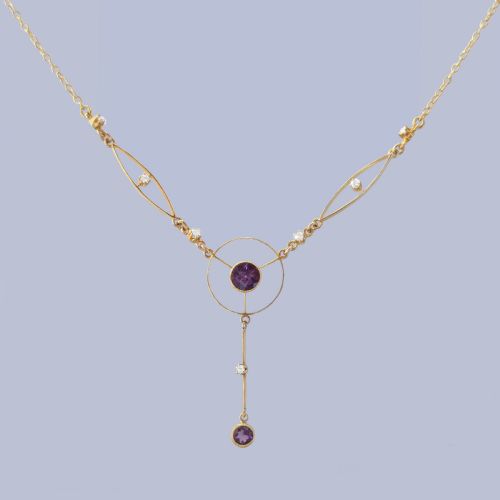
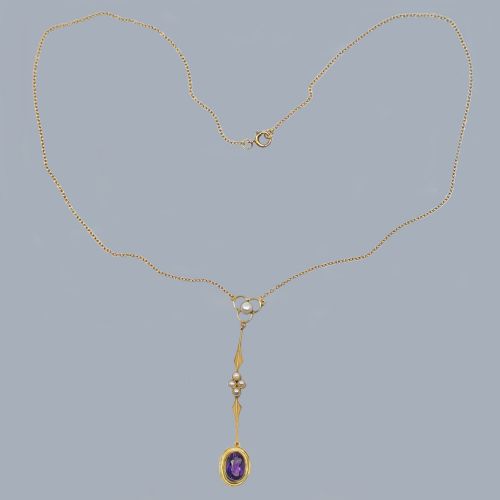
A vintage yellow gold necklace spans delicate pendants, elaborate lockets, and substantial watch chains adapted for modern wear. When exploring a vintage yellow gold necklace, buyers encounter diverse forms ranging from Edwardian lavalier designs to mid-century charm pendants.
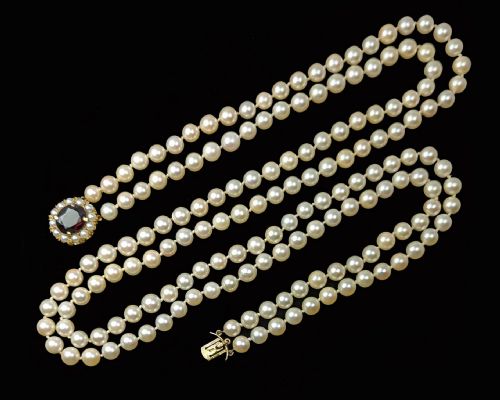
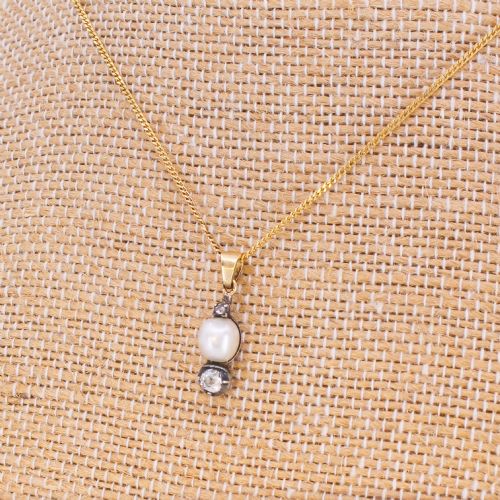
The selection encompasses pieces originating from the nineteenth century through to the nineteen-sixties, reflecting changing tastes in gold purity and decorative motifs. Surviving examples frequently combine yellow gold with gemstones such as amethyst, aquamarine, and seed pearls.
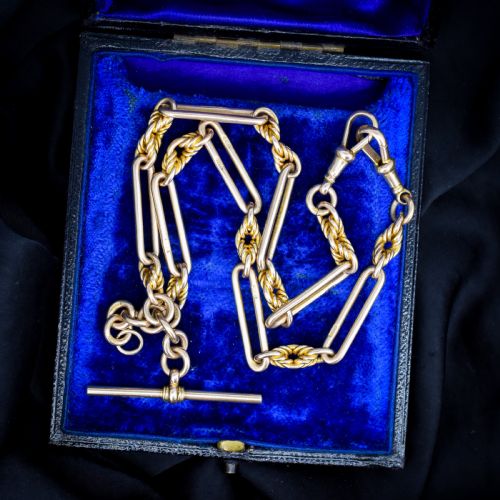
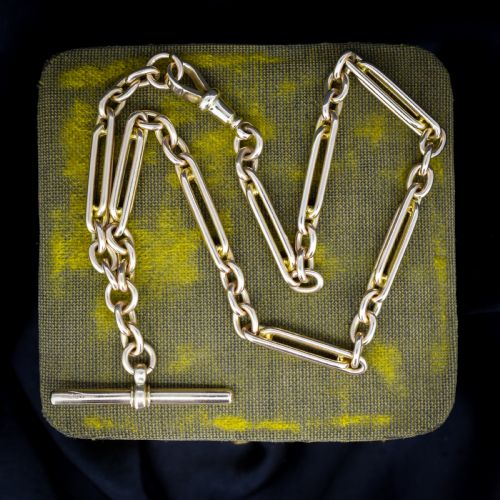
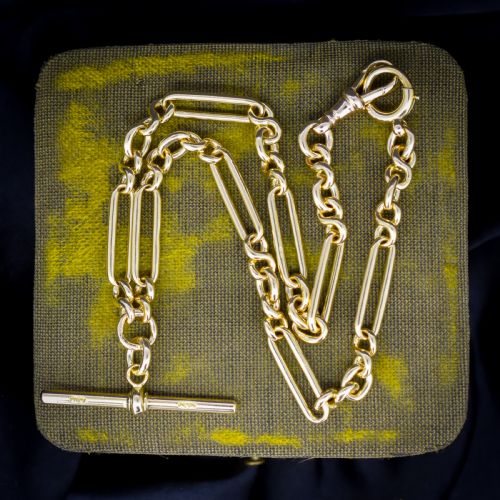
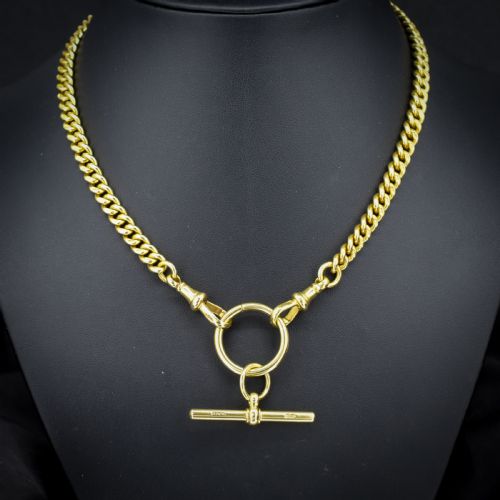
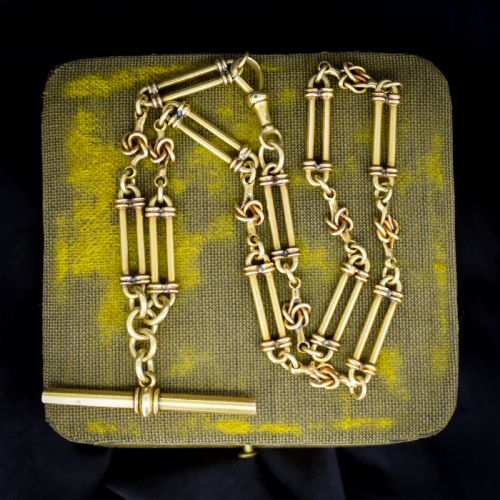
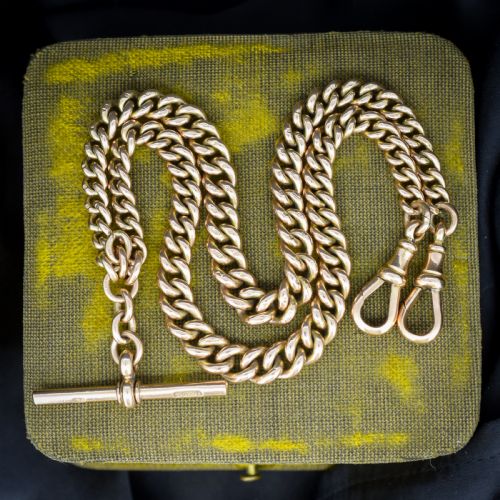
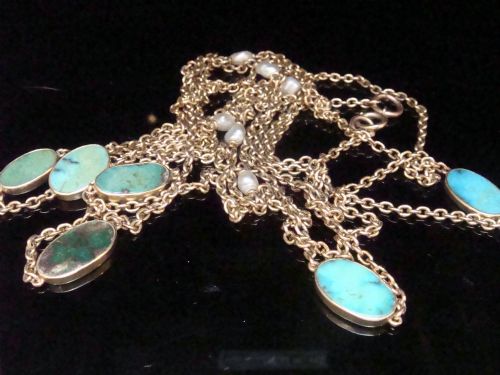
Shorter choker lengths and longer guard chains both appear regularly, alongside trombone and curb link chains fitted with traditional dog clips. These items serve as both wearable history and functional accessories suited to everyday use.
How they were made
Goldsmiths utilised various purities of gold, predominantly nine-carat, fifteen-carat, and eighteen-carat yellow gold, shaped into hollow or solid links, bezels, and wirework. Individual links on chains were frequently hallmarked separately, demonstrating meticulous attention to detail during manufacture.
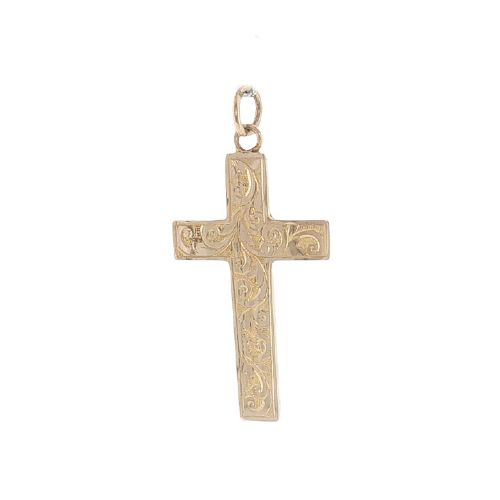
Gemstones such as turquoise, diamonds, rubies, and pearls were hand-set into open or closed-back mounts using claw, collet, or flush settings. Art Nouveau and Edwardian pieces often integrated flowing naturalistic motifs with finely chased or engraved surface decoration.
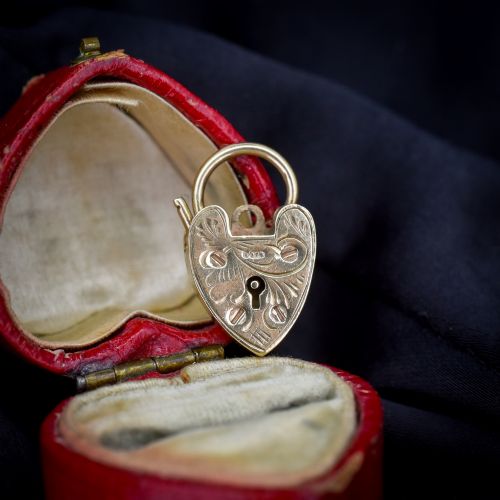
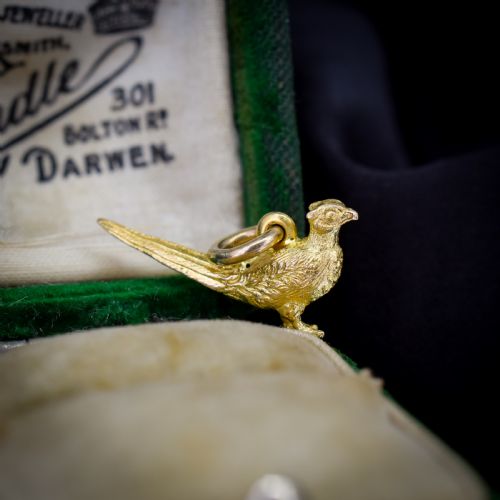
Surviving evidence includes a gold pheasant, a spaniel, an abacus, and a tiny sliding padlock.
What varies in quality
The standard of a piece depends heavily on the crispness of its hand-engraving and the structural integrity of its links, clasps, and settings. Heavier gram weights and fully hallmarked components distinguish superior chains and pendants from lighter mass-produced alternatives.
The selection of stones also dictates value, with natural pearls, well-matched diamonds, and unblemished coloured gemstones elevating the overall standard of the jewellery. Original components, such as intact dog clips and matching T-bars, preserve the integrity of converted watch chains.
Deakin & Francis·Cartier
The Vintage Yellow Gold Necklace Glossary
- Albert chain
- A heavy watch chain traditionally worn by men in the nineteenth century, now frequently repurposed as a necklace.
- Dog clip
- A spring-loaded swivel clasp commonly found on antique watch chains and guard chains.
- Lavalier
- A pendant necklace featuring a central drop stone suspended below a decorative mounting, popular during the Edwardian period.
- Seed pearl
- A tiny, naturally small pearl often used in clusters or strung en masse in antique jewellery.
- Trombone link
- An elongated rectangular metal link with rounded ends, characteristic of antique chains.
Vintage Yellow Gold Necklace: Frequently Asked Questions
How do I wear a watch chain as a necklace?
Many antique watch chains measure shorter lengths around sixteen inches, allowing them to be fastened directly around the neck. The original dog clip and T-bar can be linked together or left to dangle as a decorative feature at the front.
Longer guard chains spanning over thirty inches can be doubled over the head to create a layered effect. This adaptability makes historical chains practical for contemporary wardrobes.
What is the difference between Victorian and Edwardian necklaces?
Victorian pieces tend to feature heavier metals, deeper yellow or rose gold tones, and romantic motifs such as intertwined hair compartments or padlock clasps. Gemstones like amethyst and garnet frequently anchor these substantial designs.
Edwardian jewellery shifts towards lighter, airier aesthetics dominated by platinum-topped gold, seed pearls, and aquamarines. The style favours lace-like filigree and delicate lavalier drops over the robust forms of the preceding era.
Are these necklaces suitable for daily wear?
Solid gold chains and sturdy pendant mounts handle regular daily use quite well when treated with care. Hollow-formed links and delicate seed pearl settings require a gentler approach to avoid denting or moisture damage.
Checking spring rings, bolt rings, and dog clips regularly ensures that antique clasps remain secure during wear. Storing pieces flat in individual boxes prevents chains from kinking or tangling.
How can I tell the gold purity without a hallmark?
British pieces often carry clear stamps indicating nine, fifteen, or eighteen-carat gold alongside town assay marks and date letters. Items lacking visible stamps may require professional acid testing or X-ray fluorescence analysis by a specialist.
Colour alone offers a rough guide, as lower carat gold often exhibits a slightly paler hue compared to high-carat varieties, though plating complicates visual identification.