


Vintage Writing Flap Desk
A vintage writing flap desk offers clever surfaces and concealed compartments, bringing traditional craftsmanship and practical workspace into modern rooms.
Vintage Writing Flap Desk
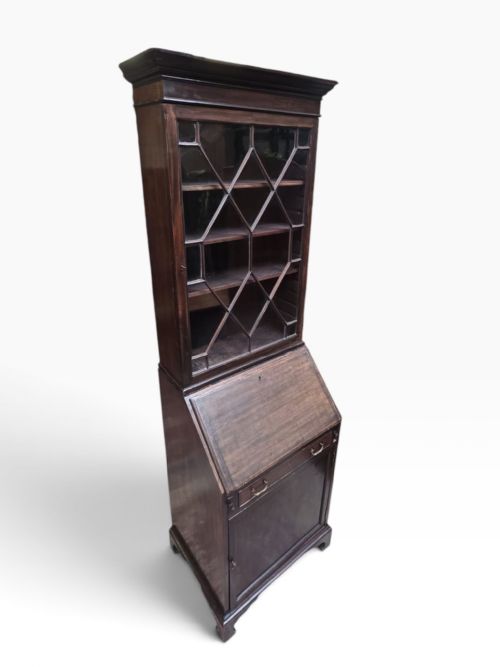
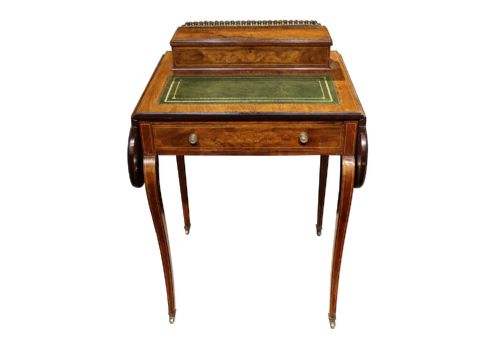
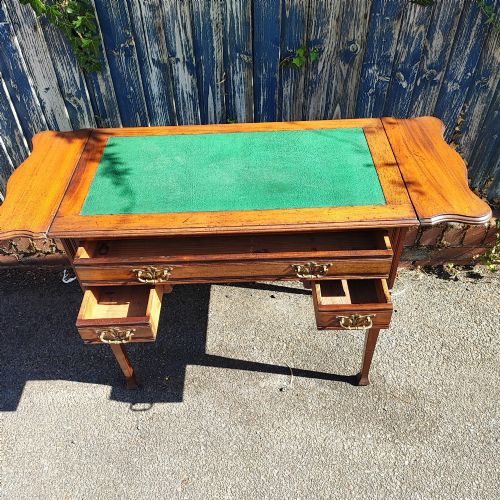
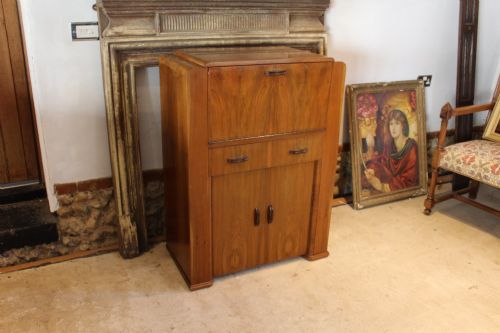
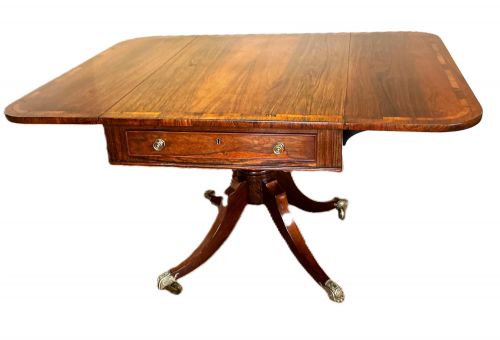
When searching for a vintage writing flap desk, buyers encounter a diverse selection of furniture spanning multiple centuries and regional workshops. The pieces on this page include bureau bookcases, drop leaf tables, sofa tables, and compact writing tables originating from Georgian, Victorian, Edwardian, and Art Deco periods.
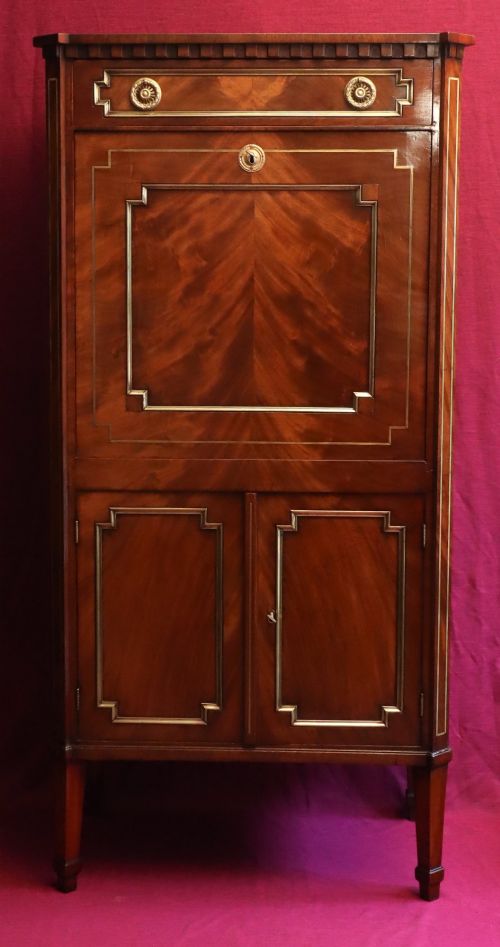
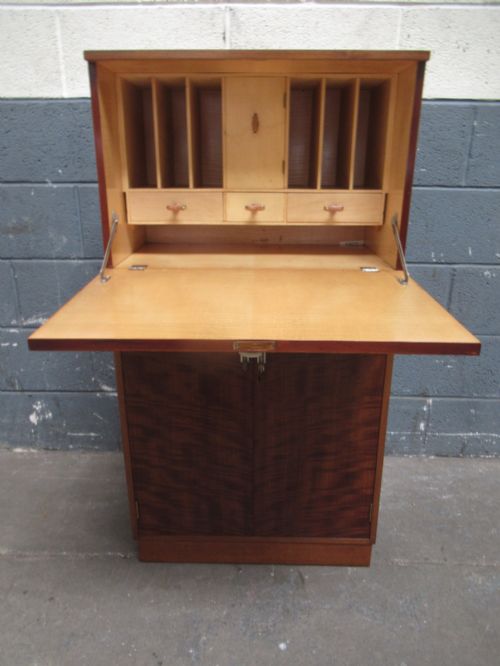
The most common formats combine a sloping or folding writing flap with internal stationary compartments, drawers, and lower storage. These designs range from narrow oak bureau cabinets to rosewood lady's writing tables and walnutescritoires.
Makers and designers from different eras approached the writing flap mechanism with distinct priorities, resulting in campaign style desks alongside formal Regency library tables. Examining the specific construction helps distinguish between a bureau bookcase and a folding drop leaf table.
Materials and construction methods
Makers utilised dense hardwoods such as mahogany, walnut, rosewood, and oak to build the primary carcass and structural elements of each desk. Brass handles, hinges, and campaign mounts frequently secure the folding flaps and drawers.
Inlaid stringing, decorative veneers, and specialised leather writing surfaces provide the detailed finish characteristic of finer writing furniture. Joinery techniques varied according to the period, from Georgian cabinet making to early twentieth century production methods.
Several desks manage to hide entire secret compartments behind innocent-looking pigeonholes, perfect for stashing love letters or modern chocolate stashes.
Distinguishing quality in writing furniture
Superior pieces display thoughtful integration of internal fitted compartments beneath the writing flap, ensuring that stationary cubbies and small drawers operate smoothly. The choice of timber grain and the precision of inlaid woodwork distinguish workshop standards.
The rigidity of drop side flaps and folding mechanisms indicates the integrity of the original hinges and supporting framework. Higher grade examples maintain structural balance when the writing surface is fully extended.
F.H. Marshall & Co Glasgow·Druce & Co.
The Vintage Writing Flap Desk Glossary
- Bureau
- A desk featuring a sloping hinged flap that opens to reveal a fitted interior with small drawers and pigeonholes. These items often sit atop a chest of drawers or a cabinet base.
- Escritoire
- A tall writing cabinet or desk containing a folding writing surface and multiple internal compartments. The term derives from French vocabulary for writing furniture.
- Sofa Table
- A rectangular table designed to stand in front of or beside a sofa, typically featuring drop leaves on either end. Regency and Georgian versions often include small drawers beneath the top.
- Drop Leaf
- A hinged flap attached to the side or front of a table or desk that can be raised to extend the surface area. Supporting brackets or swing legs hold the leaf in position.
- Fitted Interior
- The arrangement of small drawers, pigeonholes, and secret compartments concealed behind a writing flap or fall front. This internal architecture organises correspondence and writing materials.
Vintage Writing Flap Desk: Frequently Asked Questions
How do I use a flap desk?
Lower the hinged writing flap to reveal the internal compartments and create a flat surface for correspondence. Many designs allow you to fold the flap back up when not in use to conceal writing materials.
Ensure that drop leaves or folding supports are properly secured before placing heavy items on the extended workspace.
What is a bureau bookcase?
A bureau bookcase combines a lower writing desk featuring a sloping flap with an upper shelving cabinet enclosed by doors. These taller pieces served as combined workspaces and libraries in traditional homes.
The lower section provides a concealed writing surface with internal drawers, while the upper shelves display books or decorative objects.
How do I date these desks?
Examine the timber species, handle styles, and construction techniques to identify the period of origin. Georgian and Regency pieces often feature distinct mahogany or rosewood grains alongside hand-cut dovetails.
Edwardian and Art Deco examples introduce lighter oak finishes, walnut veneers, and alternative hardware designs that reflect early twentieth century tastes.
Where should I place a drop leaf table?
Drop leaf writing tables and sofa tables suit smaller rooms because their folding flaps allow you to adjust the footprint. Position them against a wall with one leaf down, or pull them into the centre of a room when fully open.
Keep wooden surfaces away from direct heat sources and strong sunlight to protect the polish and prevent timber warping.