

Vintage Woven Chairs
Vintage woven chairs bring texture and honest construction into a room, spanning rustic rush seats and refined cane bergères.
Vintage Woven Chairs
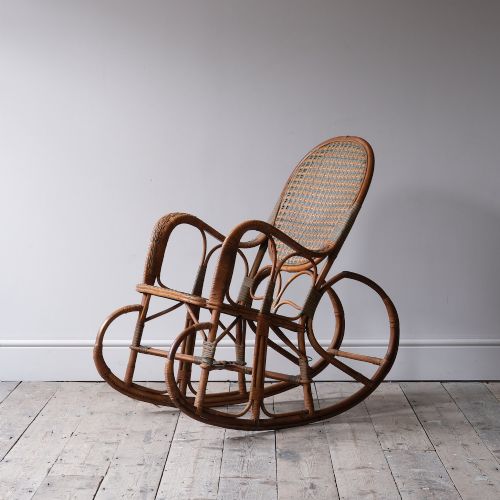
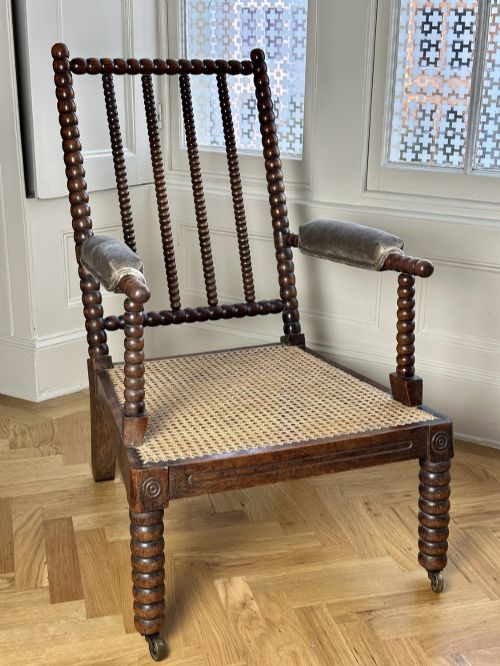
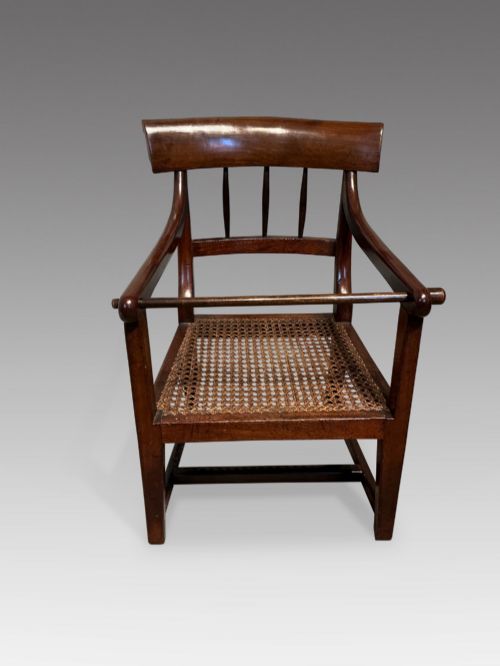
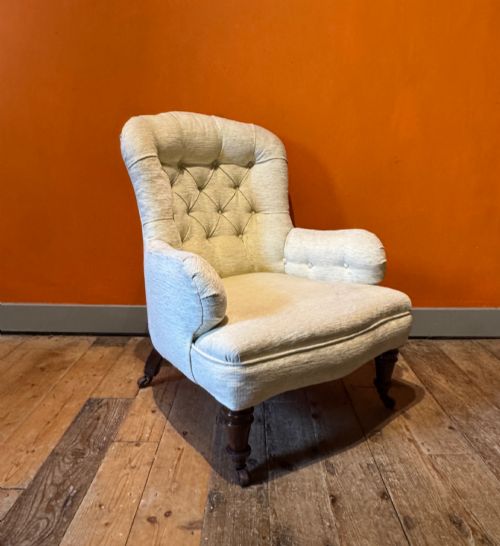
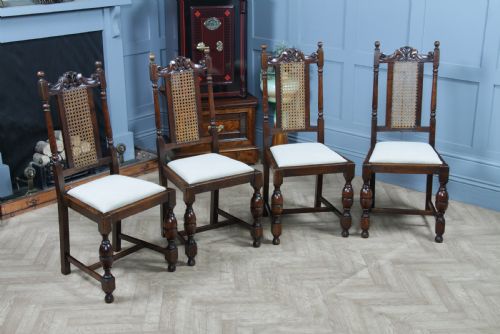
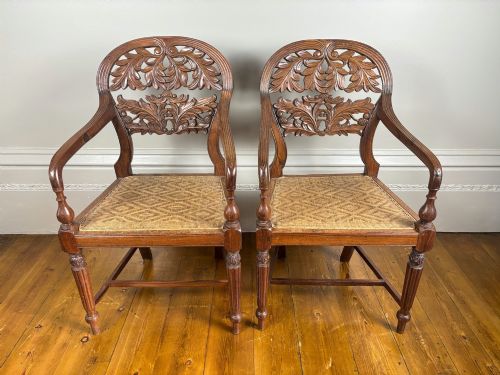
When searching for vintage woven chairs, buyers encounter a diverse selection of seating ranging from simple rustic dining chairs to elaborate parlour armchairs. The forms span armchairs, dining chairs, rocking chairs, side chairs, and settees produced across various periods.
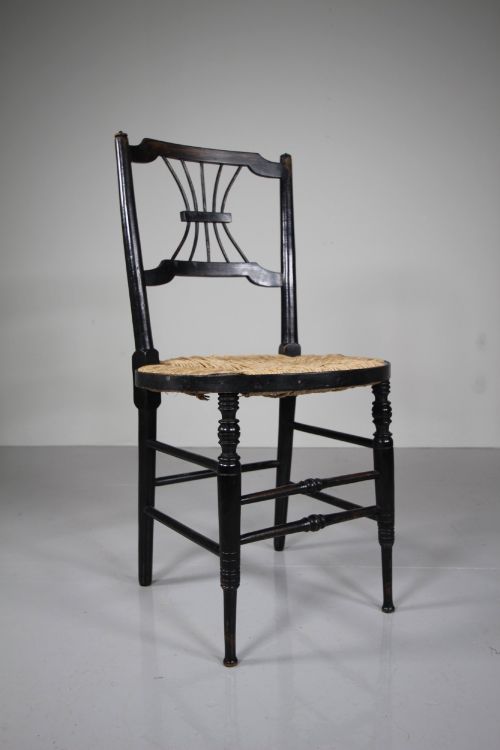
The most common examples on this page date from the nineteenth and early twentieth centuries, reflecting Victorian, Edwardian, and Arts and Crafts movements. Pieces frequently combine traditional frames with woven elements like rush, cane, and rattan.
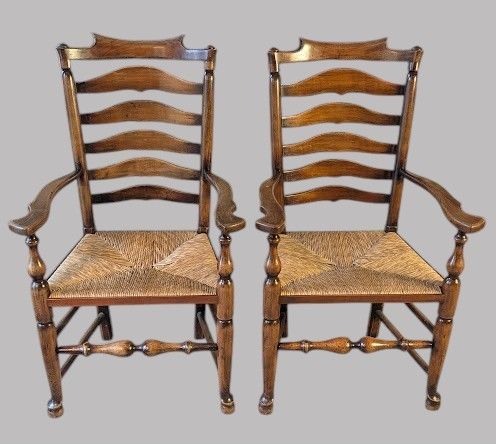
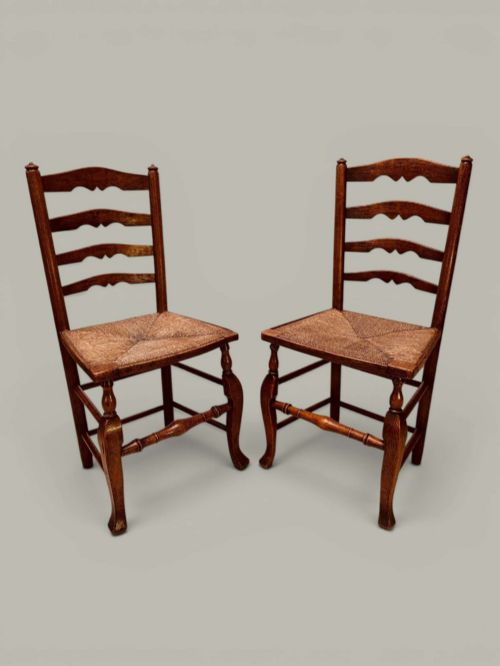
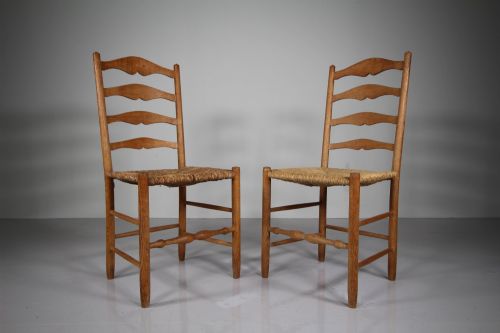
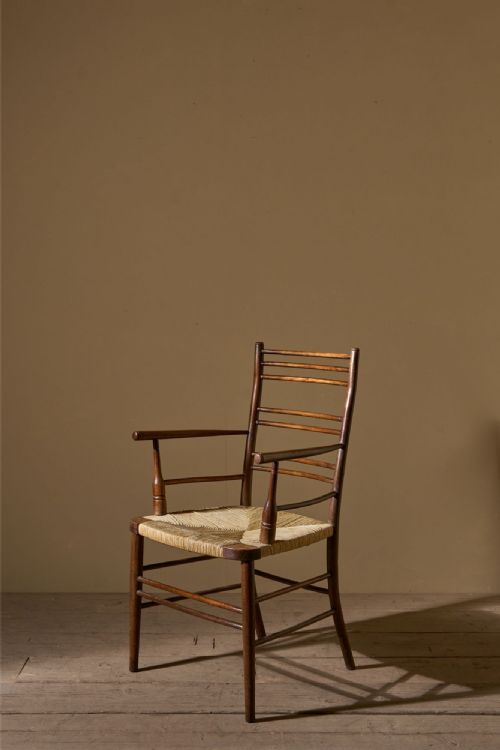
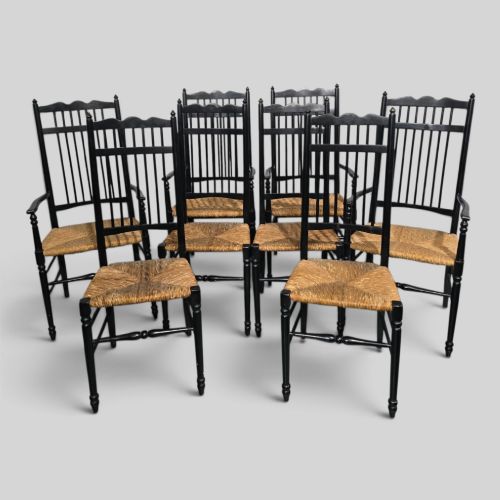
Origins vary from English country workshops to continental makers and specific retailers like Liberty and Heals. Buyers find everything from ladderback dining sets to reclining garden armchairs and specialised seating.
Standards of craftsmanship
The distinction between standard production and exceptional work lies in the tightness of the weave and the selection of timber. Finer pieces demonstrate precise joinery and sympathetic carving that endure through decades of use.
Maker attribution and retail provenance elevate certain examples above standard vernacular pieces. Stamped signatures, retail tags, or documented workshop origins indicate higher tiers of manufacture.
Vintage Woven Chairs Retail Price Guide 2026
Typical asking prices for vintage woven chairs among the pieces listed under this phrase on Sellingantiques today, from the lower quarter to the upper quarter. They describe what is for sale here now, not the wider market.
The selection includes pieces manufactured for institutional use, such as marked seating from St Paul's Cathedral.
Neville Neal·William Morris·Morris and Co·Angraves of Leicester·Dryad of Leicester·Heals of London
The Vintage Woven Chairs Glossary
- Bergere
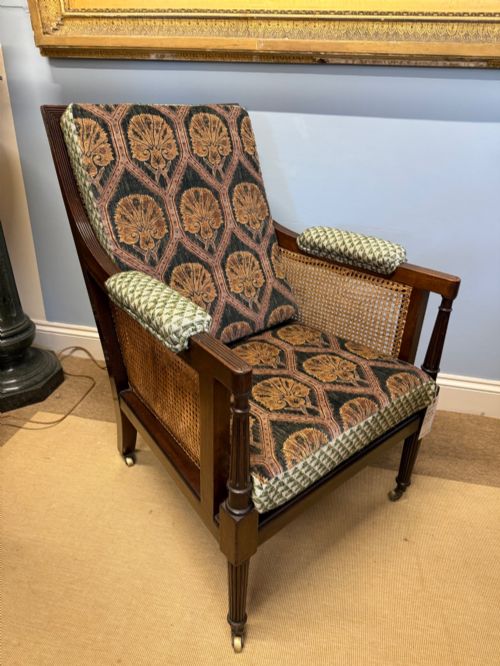
- An upholstered armchair with enclosed sides, where the back and sides typically feature cane work. The wooden frame is often exposed and polished.
- Rush
- A marsh plant used for bottoming seating. It is twisted into cords and hand-woven to form durable seats.
- Cane
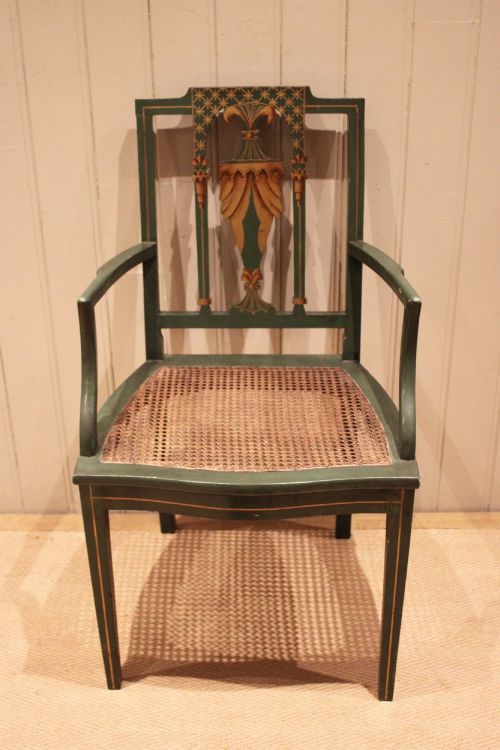
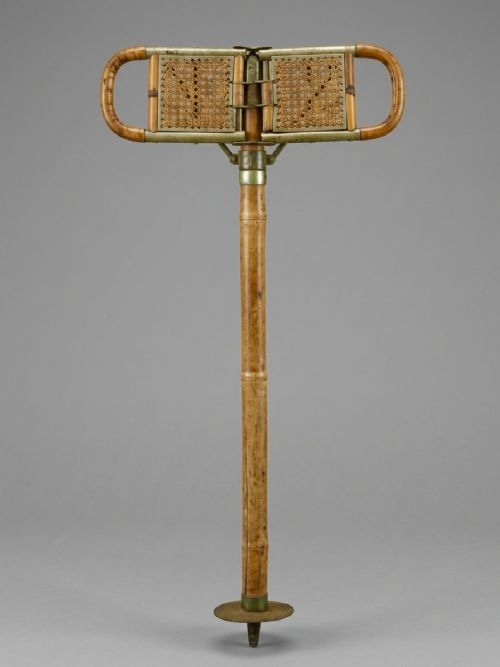
- Strips derived from the outer bark of rattan palms. It is traditionally split and woven into patterned panels for chair backs and seats.
- Ladderback
- A chair style featuring horizontal slats resembling a ladder across the back. These often support rush seating in dining or armchair forms.
- Bentwood
- Wood heated with steam and bent into curved shapes. This technique defines various rocking and dining chairs from the nineteenth and twentieth centuries.
Vintage Woven Chairs: Frequently Asked Questions
How do I care for vintage cane seats?
Keep cane work hydrated by wiping it occasionally with a damp cloth to prevent the natural fibres from becoming brittle.
Avoid placing these chairs near direct heat sources or in overly dry rooms, which can cause the woven material to snap.
Were rush seated chairs used for dining?
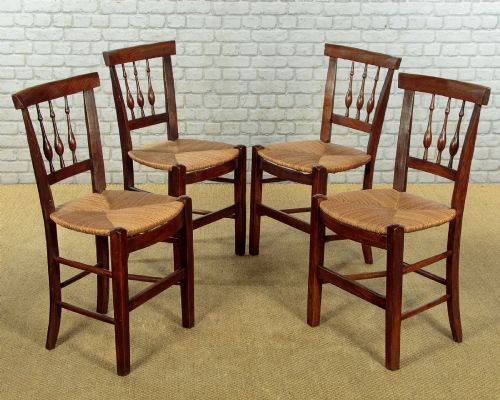
Rush seated chairs appear frequently in sets intended for dining tables, often taking the form of traditional ladderbacks.
Their sturdy natural seats were designed to withstand daily domestic use while offering comfortable support.
What is the difference between cane and rush?
Cane uses thin strips from the outer skin of rattan palms, typically woven into open geometric patterns for panels.
Rush consists of twisted marsh grasses woven into dense, solid mats that form the entire seat base.
Can these chairs be used outdoors?
Most antique woven chairs are designed for interior use and lack weather-resistant treatments on their frames and natural fibres.
Specific wicker reclining garden armchairs exist, but standard indoor cane and rush pieces deteriorate quickly if left outside.