
Vintage Worcester Porcelain
Vintage worcester porcelain brings together centuries of painted fruit plates, figures, and cabinet pieces shaped by English kilns.
Vintage Worcester Porcelain
Vintage worcester porcelain spans domestic table pieces, cabinet plates, and decorative figures produced across multiple British eras. Buyers pursuing this search phrase encounter everything from eighteenth-century Dr Wall blue and white wares to twentieth-century hand-painted fruit compositions.
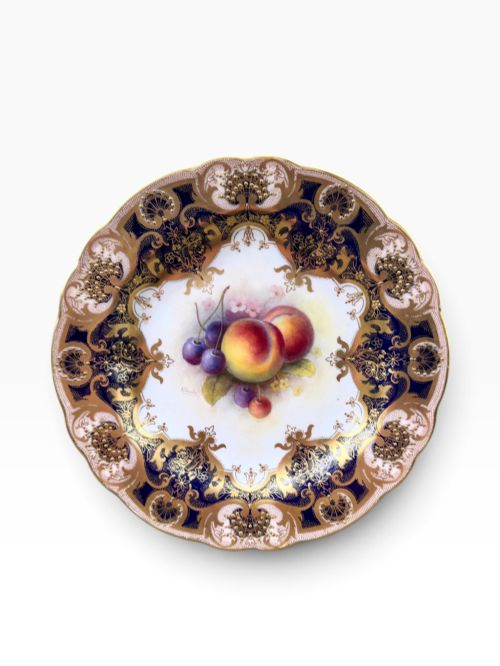
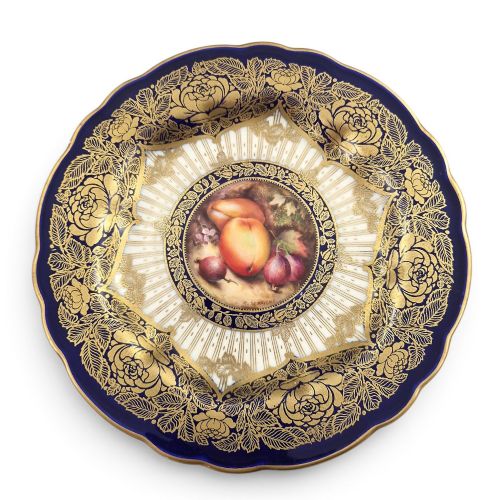
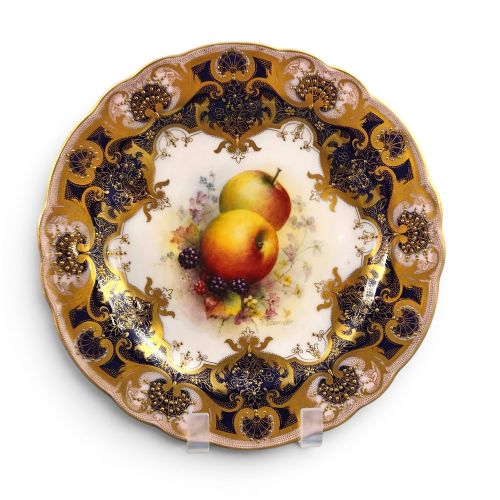
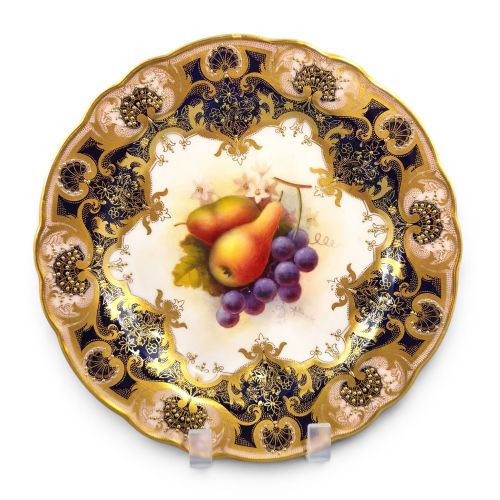
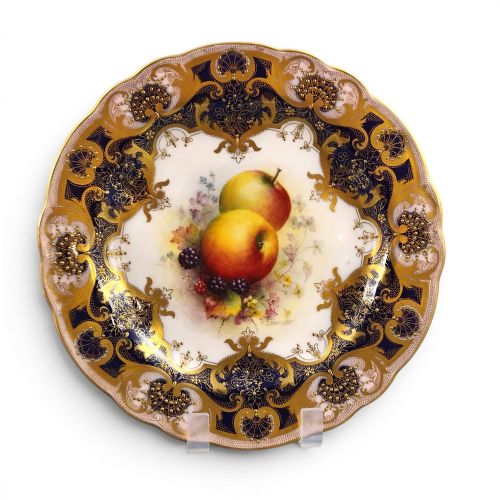
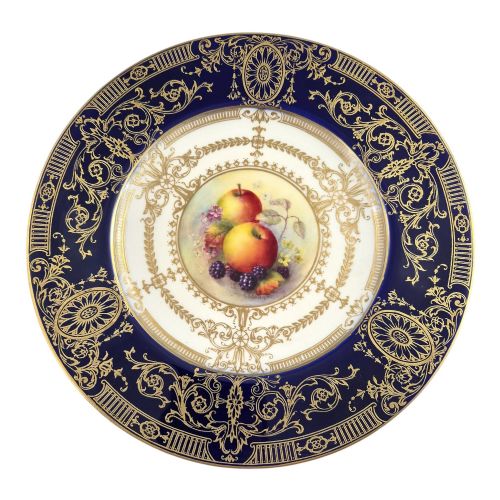
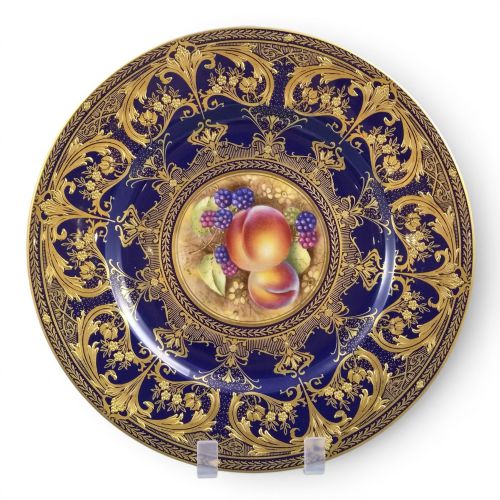
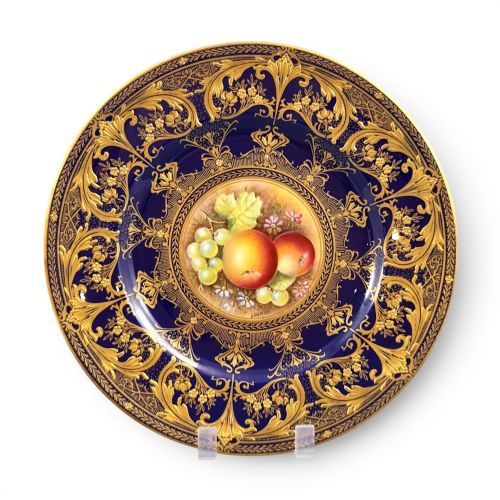
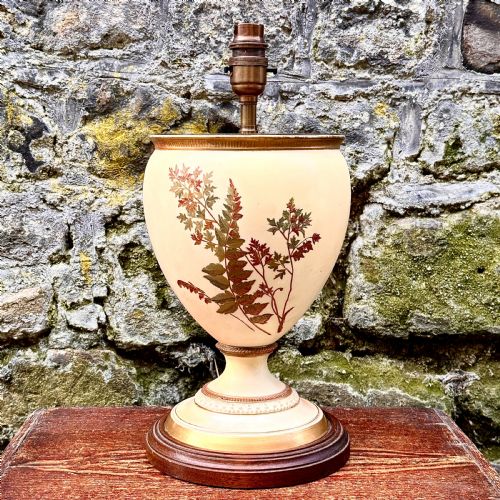
The selection here frequently centres on Royal Worcester cabinet plates signed by notable artists alongside Victorian figures and table lamps. Pieces range from early soft-paste dessert dishes to mid-twentieth-century bone china items.
Collector interest divides between the early Worcester periods featuring scale grounds and floral transfer prints, and the later signed fruit painting tradition. Each era brings distinct marks, forms, and decorative vocabularies to the table.
Materials and Technique
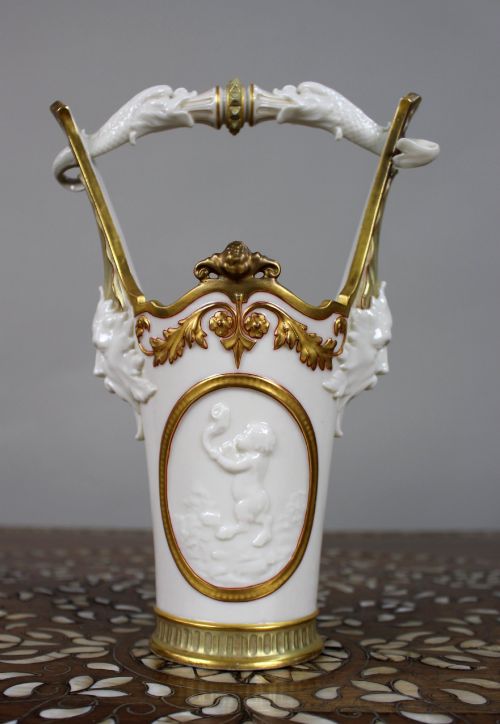
Makers utilised both soft-paste porcelain in the eighteenth century and refined bone china in later periods, shaping vessels and figures through throwing, moulding, and casting. Artisans applied cobalt blue underglaze, polychrome enamels, and rich gilding to achieve the characteristic surfaces.
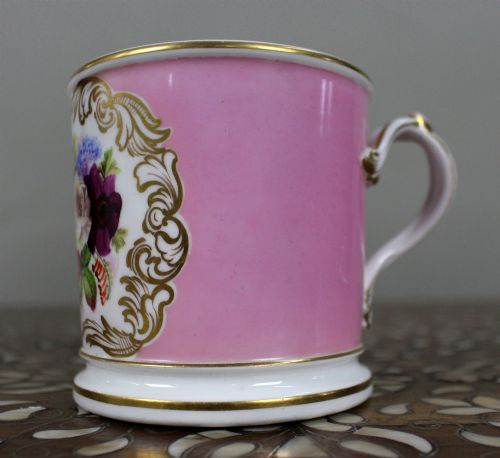
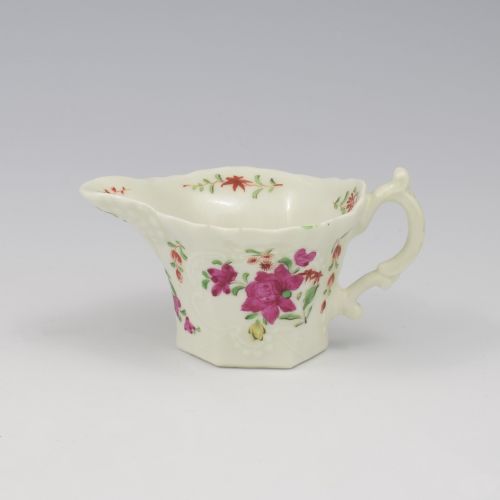
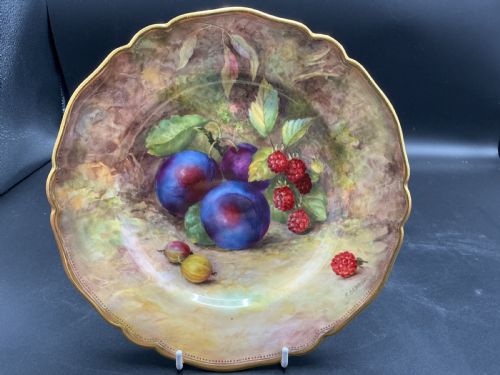
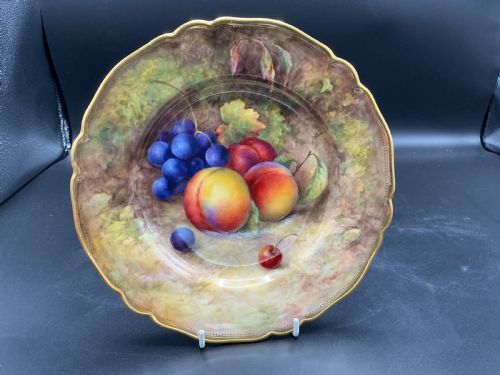
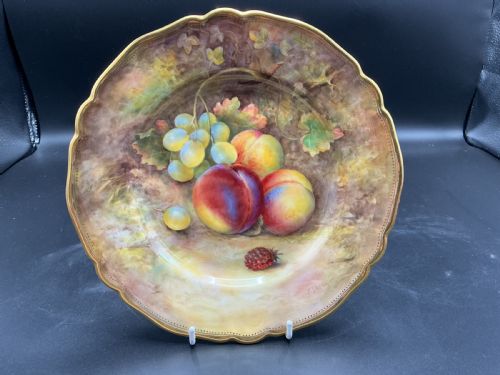
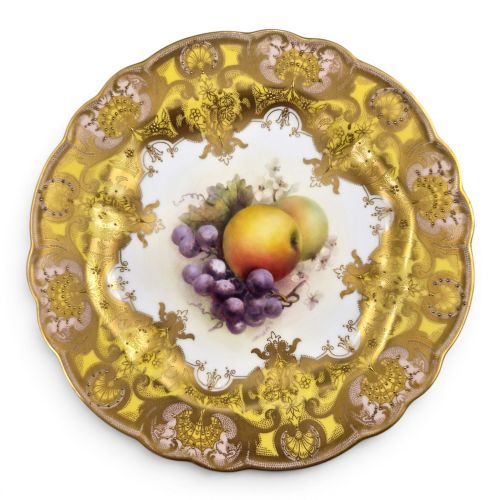
Hand-painted decoration defined the high workshops, where artists painted fruit, birds, and cattle directly onto the white ground before multiple kiln firings. Gold leaf and heavy gilding edge many of the plates, vases, and cream jugs recorded in the listings.
Materials recorded across the inventory include bone china, soft-paste porcelain, gold leaf, and enamel.
Evaluating the Pieces
The standard of a piece rests heavily on the mastery of the hand-painted decoration, particularly in signed fruit studies by known studio artists. Crisp detail in modelled figures and the preservation of original gold leaf gilding distinguish superior examples.
Early eighteenth-century bodies display distinct potting traits and glaze pooling that contrast with the precise bone china bodies of the Edwardian and later periods. The complexity of the ground colour, whether rose pompadour, blue scale, or green, influences the overall visual impact.
Grainger Worcester·Royal Worcester·Chamberlain Worcester
The Vintage Worcester Porcelain Glossary
- Dr Wall Period
- The initial phase of Worcester porcelain production, lasting from 1751 to 1783 under the direction of Dr John Wall. This period is renowned for soft-paste bodies and fine blue and white printing.
- Soft-paste Porcelain
- An artificial ceramic body composed of white clay and glass frit, fired at lower temperatures than hard paste. It creates a warm, slightly creamy translucence common in eighteenth-century pieces.
- Cabinet Plate
- A decorative plate intended for display in a cabinet rather than for daily dining use. These often feature elaborate hand-painted fruit or scenic centres.
- Blue Scale
- A patterned dark blue ground resembling fish scales, applied underglaze with reserved panels containing floral or bird motifs. It is a hallmark of eighteenth-century Worcester craftsmanship.
- Bone China
- A type of porcelain incorporating bone ash into the paste, developed to increase strength and whiteness. Most nineteenth and twentieth-century pieces utilise this durable material.
Vintage Worcester Porcelain: Frequently Asked Questions
How do I date vintage worcester porcelain?
Dating relies heavily on printed factory marks, impressed cresent symbols, and style periods such as the Dr Wall era or the twentieth-century date codes. Examining the paste composition, whether soft-paste or bone china, also helps establish the era of manufacture.
Artist signatures and retailer stamps provide further clues for specific nineteenth and twentieth-century decorative cabinet plates and vases.
What is the difference between soft paste and bone china?
Soft-paste porcelain contains glass frit and white clay, creating a softer body with a warm translucent glow typical of eighteenth-century pieces. Bone china introduces bone ash into the mixture, resulting in a stronger, whiter ceramic body used from the nineteenth century onward.
Both materials carry the intricate painted decoration characteristic of the factory across different centuries.
How should I display cabinet plates safely?
Cabinet plates look best mounted on secure wall brackets or displayed upright in glass-fronted furniture designed to protect delicate porcelain surfaces from dust and accidental knocks. Ensure any display stand supports the base evenly without putting pressure on the gilded rim.
Keep pieces away from direct sunlight to preserve the vibrant enamel colours and hand-painted fruit details over time.
Are painted fruit plates hand-painted?
The finest examples feature genuine hand-painted studies of fruit executed by specialist artists such as Richard Sebright or Harry Stinton. Each artist brought individual brushwork to the apples, grapes, and peaches resting against mossy backgrounds.
Signatures on the front or factory marks on the reverse confirm the hand-painted nature of these cabinet pieces.