

Vintage Wool Hearth Rug
When you search for a vintage wool hearth rug, you are looking at small-format floor coverings designed for warmth and character.
Vintage Wool Hearth Rug
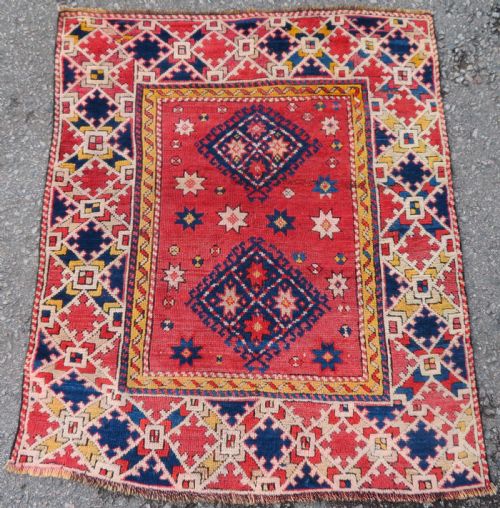
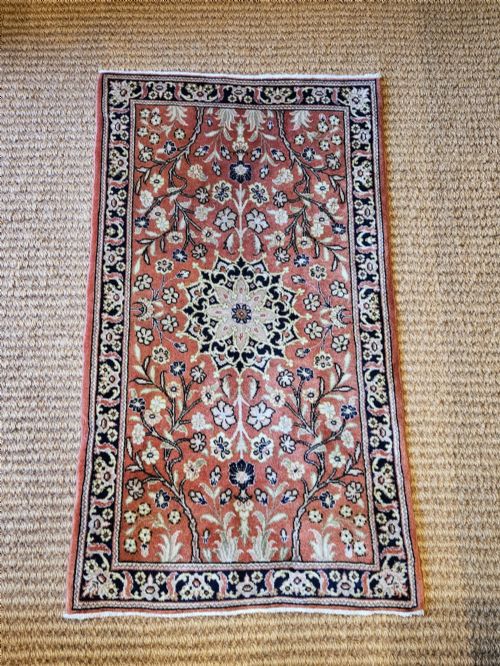
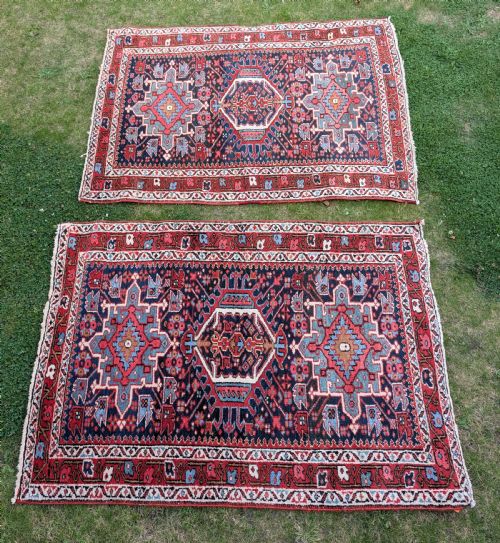
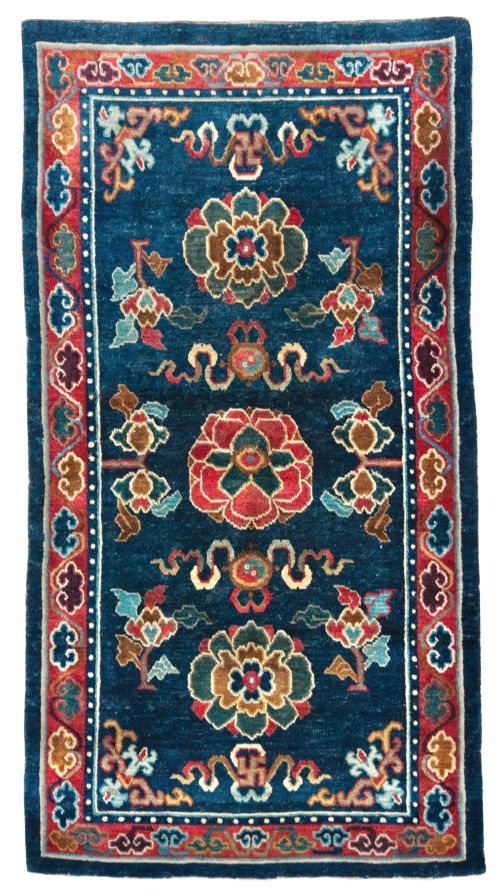
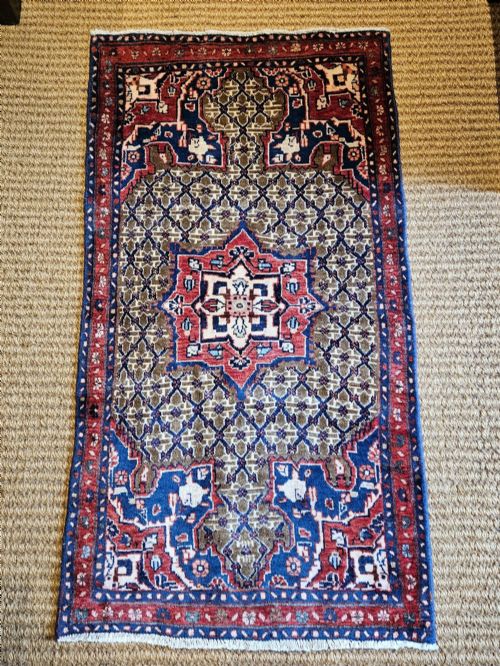
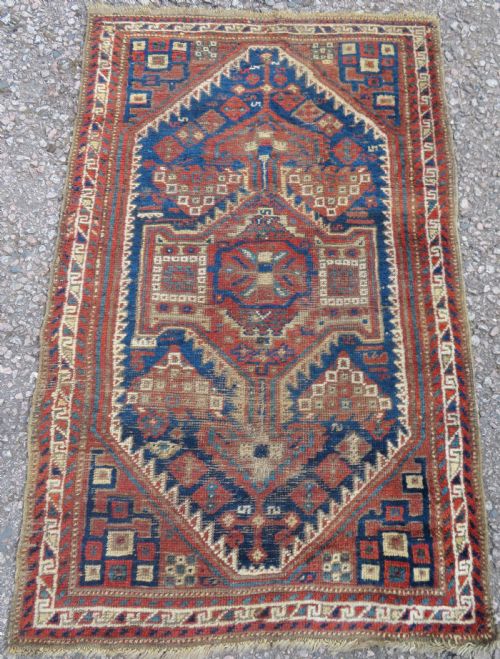
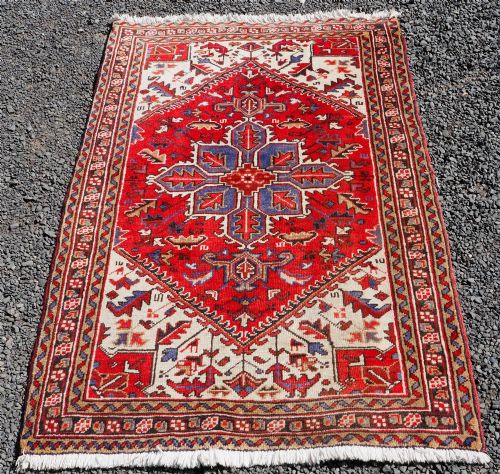
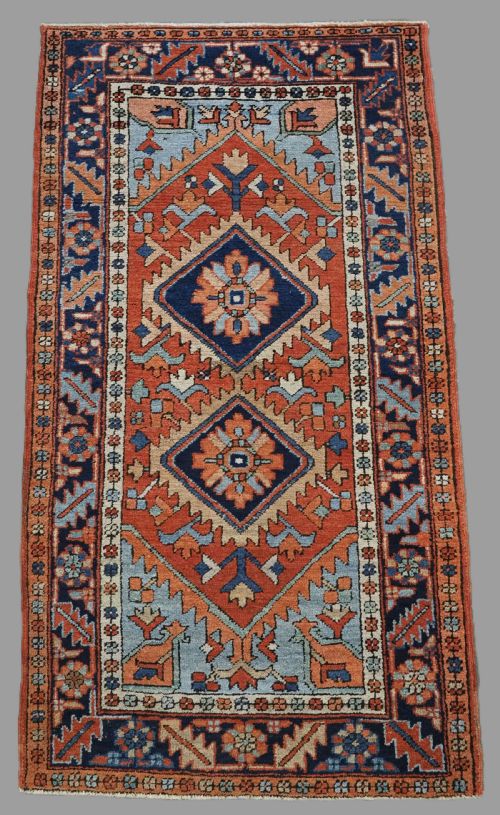
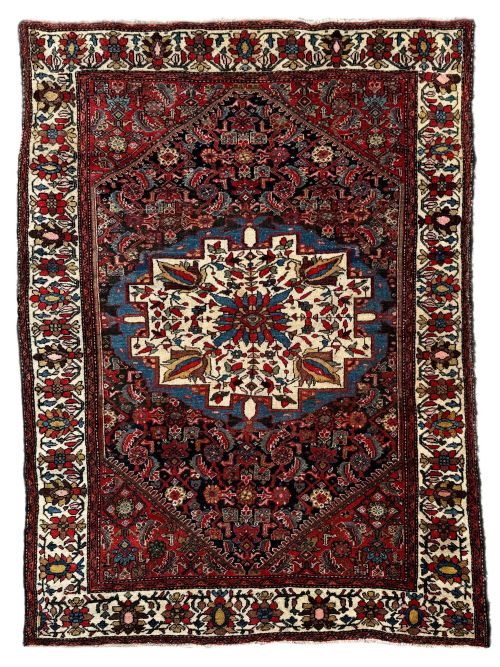
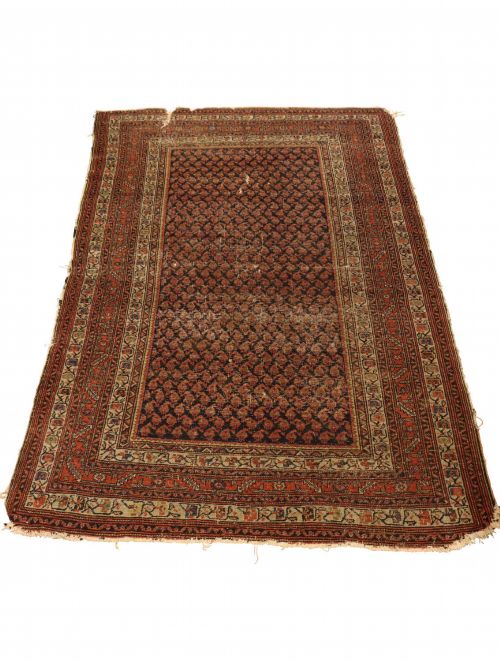
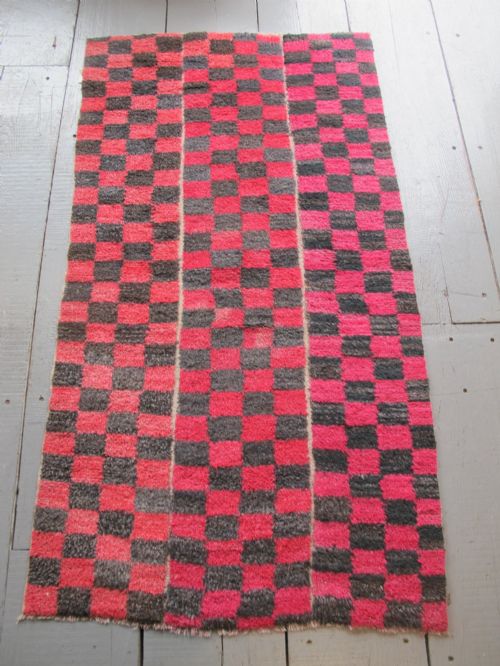
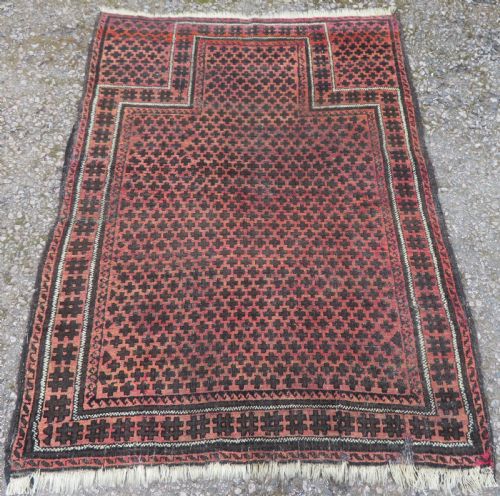
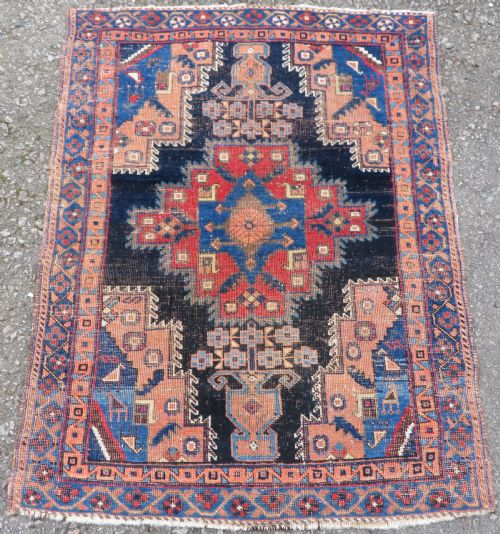
A vintage wool hearth rug encompasses smaller floor coverings scaled specifically for placement in front of a fireplace or in compact residential spaces. When exploring this category, you encounter pieces originating from Persian, Anatolian, Caucasian, and Tibetan traditions, spanning from the late nineteenth century into the twentieth century.
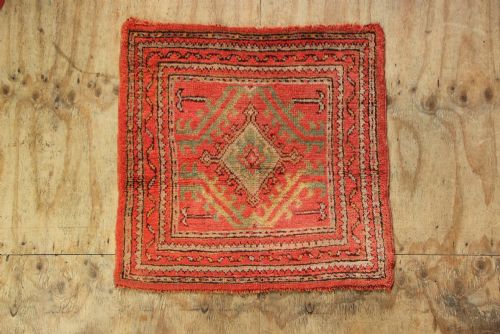
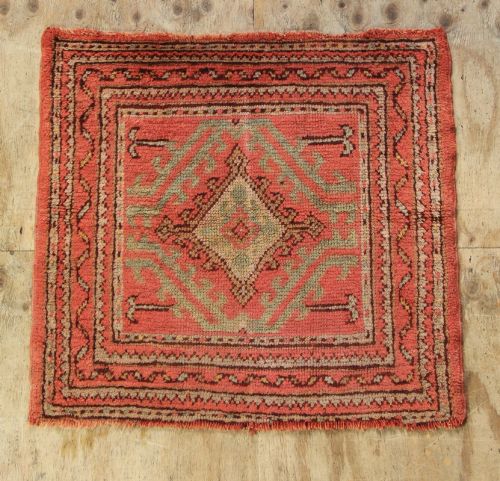
The selections available on this page reflect diverse regional styles, including tribal village pieces with geometric motifs and city-woven carpets reduced to mat proportions. These items function practically to protect flooring while introducing texture and historical depth to an interior.
Most examples date across the Edwardian era and the interwar decades, showing the hand-knotted and flat-woven techniques typical of traditional weaving communities. Buyers often select these smaller formats to anchor sitting areas or add warmth to hearthside spaces.
Materials and construction methods
The construction relies predominantly on natural wool pile secured to foundation threads made of cotton or wool. Artisans utilised hand-spun wool and dense knots to create resilient surfaces capable of withstanding heavy foot traffic.
Supporting structures frequently incorporate cotton warp and weft threads, while certain regional pieces utilise jute or burlap foundations. Natural dyes provide the palette, yielding stable tones that soften gracefully over decades of use.
Some nineteenth-century nomads deliberately wove small rugs around the fireside to keep their tea kettles from burning the tent floor.
Quality distinctions in woven floor coverings
Quality in these textiles depends heavily on knot density, tension consistency, and the grade of wool employed in the pile. Superior examples demonstrate precise geometric or curvilinear execution by the weaver, reflecting disciplined regional traditions.
The handling of materials also dictates longevity, with tightly packed foundations preventing distortion over time. Furthermore, the clarity of design and the depth of natural dye saturation distinguish finer workshop productions from simpler village output.
The Vintage Wool Hearth Rug Glossary
- Hearth rug
- A small rug traditionally placed in front of a fireplace. These formats are proportioned to fit narrow hearth spaces rather than entire rooms.
- Warp
- The vertical foundation threads stretched lengthwise on a loom. Weft threads pass through these to secure the knots.
- Medallion
- A central decorative motif placed in the middle of a rug field. This design element often takes geometric or floral medallion forms.
- Prayer rug
- A small textile featuring a niche design representing the mihrab. These pieces were traditionally used for individual prayer.
- Pile
- The raised, soft surface of a rug formed by the cut ends of knots. Thick pile provides greater insulation and underfoot cushioning.
Vintage Wool Hearth Rug: Frequently Asked Questions
How do I place a hearth rug?
These compact rugs fit neatly in front of an open fireplace or wood burner. They also work well in narrow hallways, bathrooms, or beside a bed.
Ensure you use a suitable rug underlay to prevent slipping on hard wooden floors or stone hearths.
Are these rugs durable for daily use?
Traditional hand-knotted wool textiles are remarkably resilient against standard domestic wear. The natural lanolin in the wool helps repel dirt and sustains the fibres.
Routine gentle vacuuming without a rotating brush roll keeps the pile clean and prevents fibre degradation.
How do I identify the regional style?
Regional origins appear through specific colour palettes, border arrangements, and foundational weaving structures. Persian pieces often show intricate floral motifs, whereas Anatolian and Caucasian examples favour bold geometry.
Comparing the knotting style and secondary support materials helps confirm the geographical source.
Do antique wool rugs shed fibres?
Older wool textiles may release loose surface fibres initially, particularly if the pile has experienced dry conditions. This settling process reduces steadily with gentle, regular care.
Avoid aggressive shaking or beating, which can strain historical foundation threads.