


Oriental Hearth Mat
An oriental hearth mat brings warmth and deep pattern to a room, offering small-scale rugs suited to fireside placement.
Oriental Hearth Mat
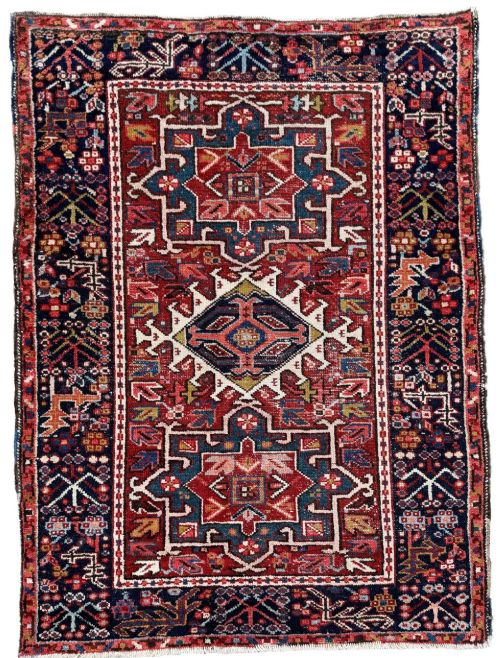
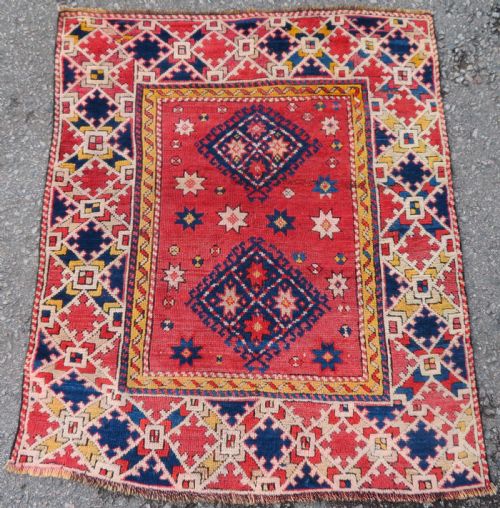
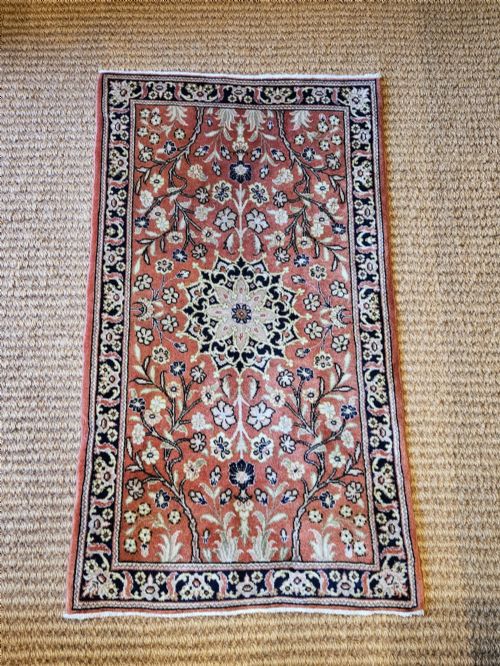
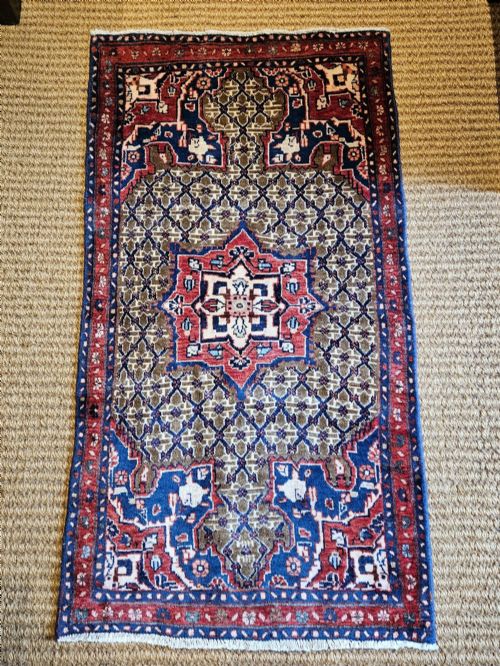
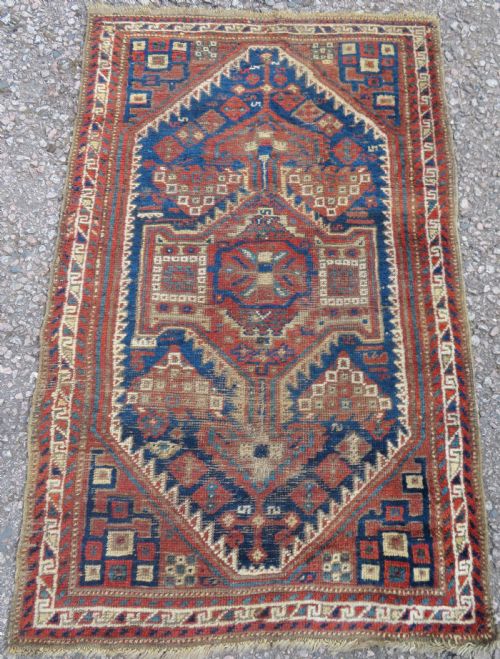
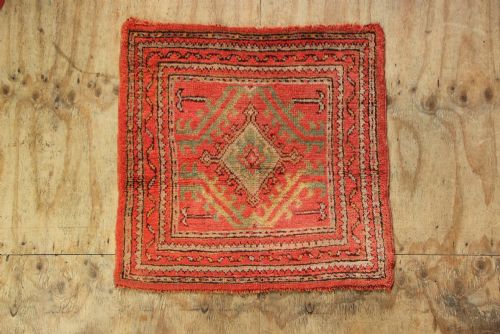
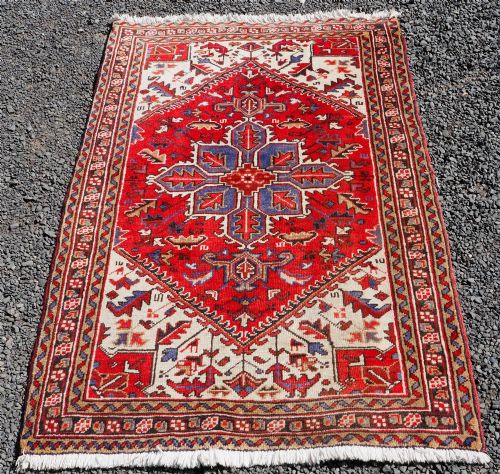
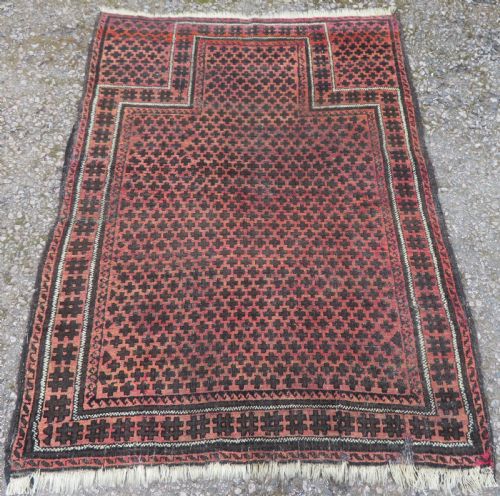
An oriental hearth mat spans small rug formats designed for floor placement near fireplaces, including specific regional formats like scatter rugs and prayer rugs. The pieces seen here cover work from Persian, Anatolian, Caucasian, and Afghan traditions, often sharing compact dimensions that fit small floor spaces.
You will encounter village and tribal weaves dating from the nineteenth century through the early twentieth century, including Edwardian-era pieces. These items include named regional types such as Heriz, Sarouk, Bergama, and Baluch rugs.
The format prioritises utility combined with traditional motifs, serving as both a functional floor covering and a decorative textile. Most examples measure under a metre and a half in length, making them distinct from larger room carpets.
Materials and construction methods
The physical build relies primarily on wool, including hand-spun wool and pure wool piles, supported by cotton foundations in many specimens. Artisans knotted these materials by hand within tribal and village workshops across the Near East and Central Asia.
Dyes and wool quality dictate the handle and resilience of the pile, with natural animal fibres providing durability under foot traffic. The structural weave varies from rustic village loops to finer urban workshop knots depending on the geographical origin.
Some nineteenth-century weavers hid tiny intentional asymmetry in their borders to ward off the evil eye.
Distinctions in quality and execution
Quality separates through the integrity of the wool, the precision of the knotting, and the depth of the regional design vocabulary. Finer examples display tightly packed piles and crisper geometric or floral layouts.
Condition and character play a major role, distinguishing evenly worn village pieces from distressed or heavily restored specimens. The sophistication of the border design and the balance of the natural palette further distinguish standard examples from finer works.
Karaja·Bergama·Saroq·Sarouk·Khamseh·Oushak·Baluch·Heriz·Senneh·Mashad·Ghiordes·Kula·Shirvan·Taimani Sistan
The Oriental Hearth Mat Glossary
- Prayer rug
- A small rug featuring a mihrab or arch design indicating the direction of prayer, common in Islamic textile traditions. These formats often served personal devotional use.
- Seneh
- A Persian weaving style originating from western districts, known for fine execution and intricate boteh motifs. These pieces reflect urban or advanced village workshop standards.
- Heriz
- A Persian carpet type characterised by bold geometric medallions and robust structural wool. They are easily recognised by their substantial feel and strong rectilinear designs.
- Bergama
- An Anatolian weaving region noted for archaic village designs and saturated rustic wool palettes. Pieces from this area frequently employ strong primary colours.
- Baluch
- A tribal weaving attribution associated with nomadic groups inhabiting regions across Afghanistan and Persia. Their work often incorporates dark wools and characteristic geometric field patterns.
Oriental Hearth Mat: Frequently Asked Questions
What is an oriental hearth mat?
An oriental hearth mat is a small antique rug traditionally placed in front of a fireplace. These pieces measure under a few feet and protect flooring while adding concentrated pattern to a room.
They encompass various regional village and tribal styles from Persia, Anatolia, and the Caucasus. Each mat uses durable wool construction suited to moderate floor use.
How do I identify a tribal rug?
Tribal rugs show geometric motifs, asymmetric designs, and a heavier reliance on symbolic or ancestral patterns rather than court layouts. They originate from nomadic or village groups rather than city workshops.
The wool often feels rustic and hand-spun, bearing subtle variations in colour from natural dye batches. Irregularities in the straightness of the edges are common and mark handmade production.
Are these rugs suitable for daily use?
These wool rugs withstand everyday foot traffic when placed in low-to-moderate traffic zones like bedrooms or firesides. Their dense pile provides natural resilience against standard wear.
Antique textiles require gentle maintenance, including soft brush vacuuming without rotating beater bars. Professional cleaning helps preserve the historic wool fibres over time.
How are different regional styles told apart?
Regional attribution relies on specific colour palettes, knotting structures, and border motifs. For instance, Heriz rugs display bold geometric medallions, while Shirvan pieces lean towards crisp Caucasian geometries.
Examining the weave density and foundation threads offers further clues to origin. Village workshops in Anatolia present distinct characteristics compared to Persian urban centres.