







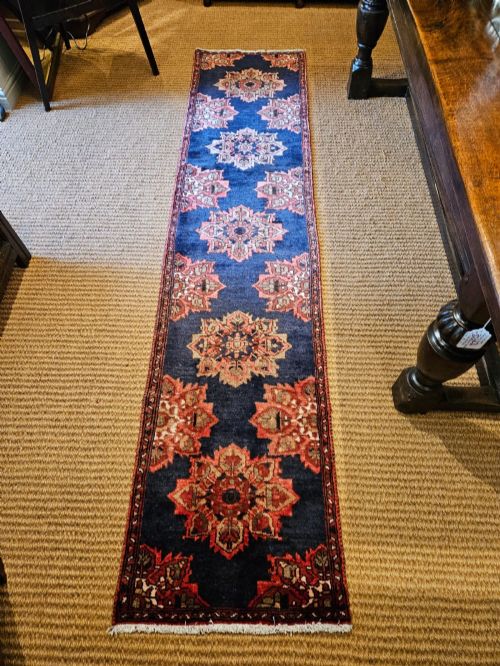
Vintage Wool Hallway Rug
When choosing a vintage wool hallway rug, you are selecting a handwoven runner that brings historic texture and pattern to a passage.
Vintage Wool Hallway Rug
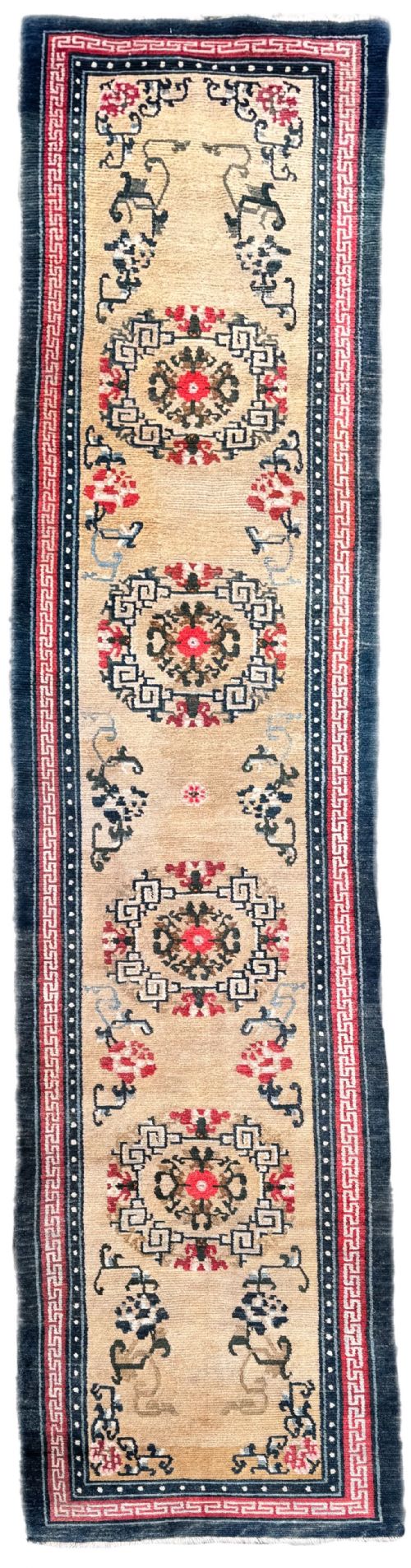
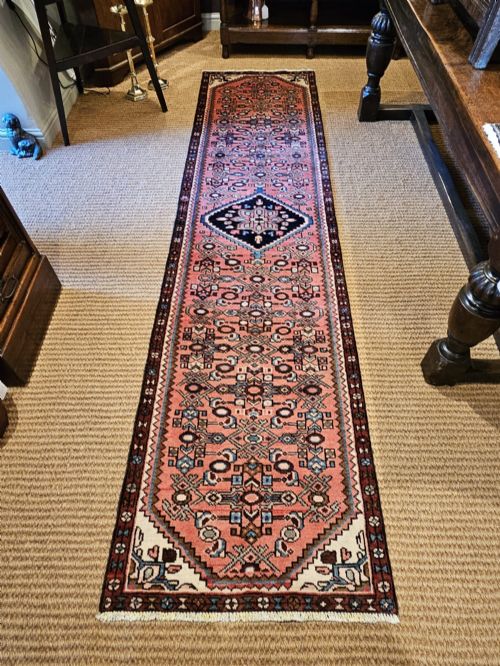
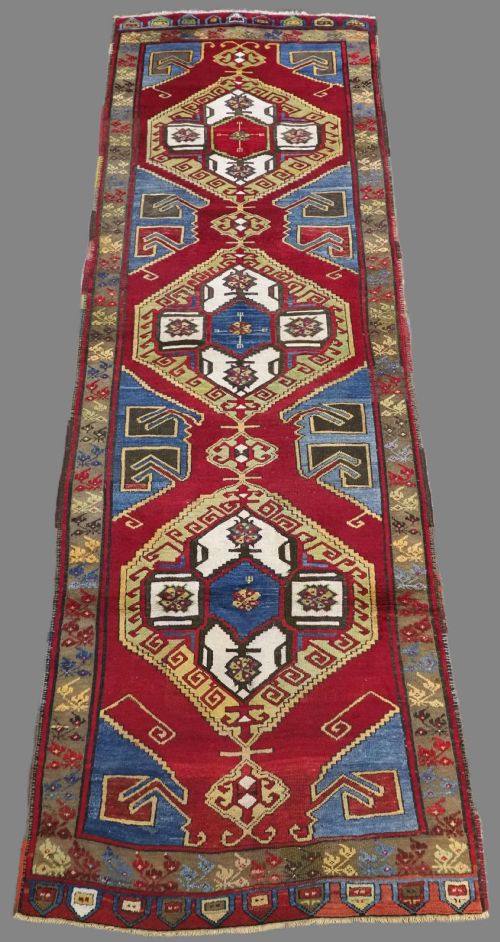
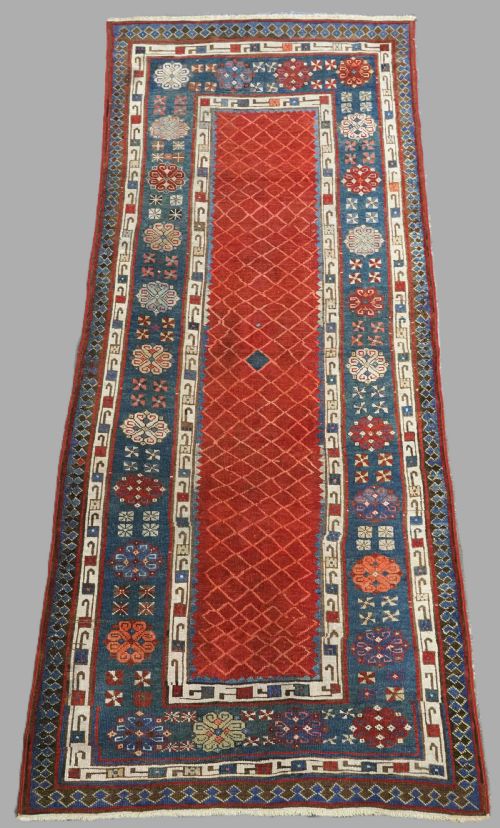
A vintage wool hallway rug takes the form of long, narrow runner rugs and carpets designed specifically for passages, halls, and landings. These pieces span from the late nineteenth century through the early decades of the twentieth century, originating primarily from Persian, Turkish, Caucasian, and Tibetan weaving traditions.
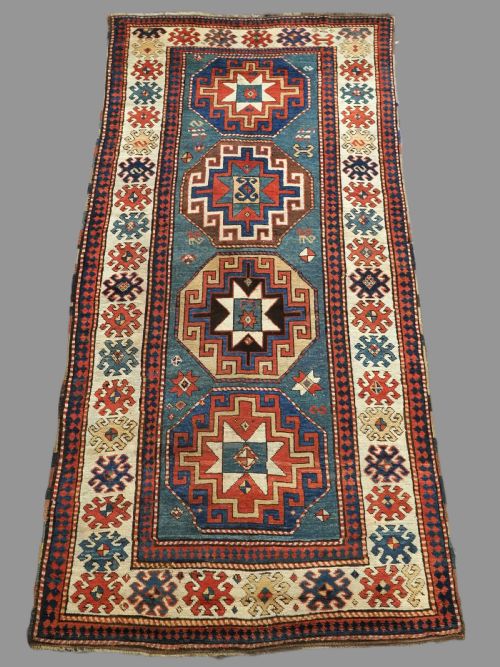
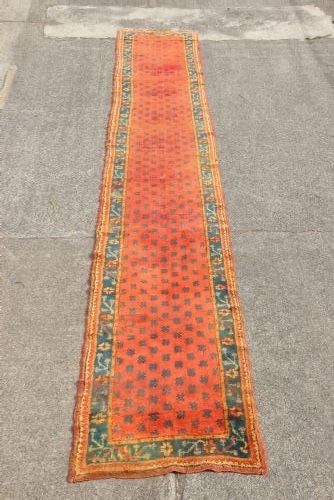
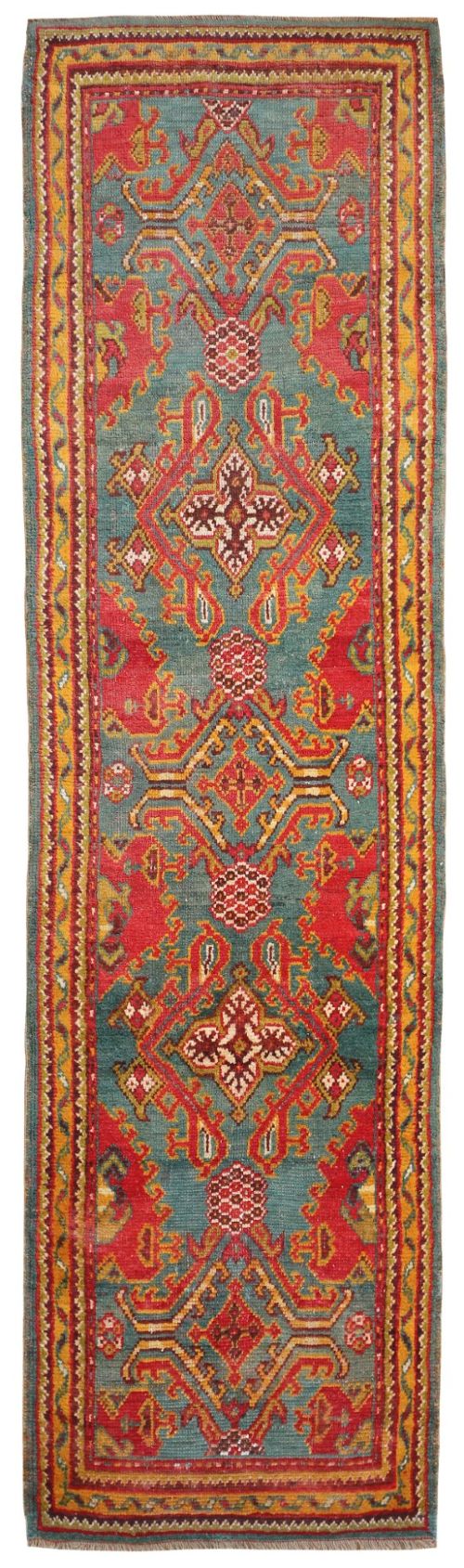
The buyer encounters specific regional styles in these listings, including Kurdish, Heriz, Ushak, Caucasian, and Afshar pieces. Formats vary from standard nine-foot lengths to exceptionally long runners stretching past thirty feet, all sharing a wool construction suited to heavy foot traffic.
How they were made
These runners are produced using wool for both the pile and the structural foundation, paired with cotton in various regional examples. Artisans knot or weave the wool by hand on traditional looms, employing natural dyes that produce deep tones of navy blue, olive green, and earthy reds.
The construction relies on durable handwoven techniques developed across Anatolia, the Caucasus, and Persia. This results in resilient floor coverings built to withstand the sustained wear of corridors and entranceways.
The listings span nineteenth- and twentieth-century production, incorporating wool and cotton materials across Persian, Caucasian, and Turkish regional styles.
What varies in quality
Quality in these runners rests on the tightness of the knotting and the fineness of the wool used in the pile. Tighter weaves allow intricate geometric and floral motifs, such as lattice designs and Mina Khani patterns, to maintain crisp definition.
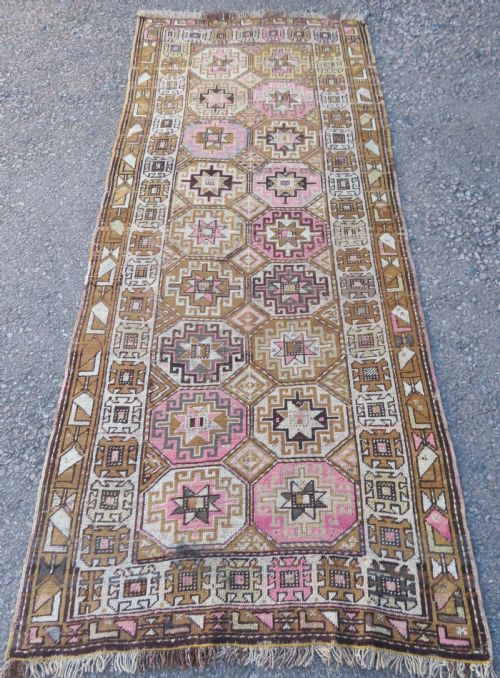
The handling of age also influences the character of each piece. Distressed surfaces resulting from generations of use show the genuine patina of antique textiles, whereas examples with intact piles retain bolder colour saturation.
The Vintage Wool Hallway Rug Glossary
- Runner
- A long, narrow carpet format designed to fit hallways, corridors, and staircases. These pieces measure significantly longer than they are wide.
- Pile
- The upright yarn loops or cut ends that form the soft surface of a rug. Wool pile provides cushioning and durability underfoot.
- Knot
- The individual loops of wool tied around the warp threads by hand. Higher knot counts generally permit more detailed pattern work.
- Warp
- The vertical foundation threads stretched lengthwise on the loom. Cotton and wool serve as the primary materials for these structural elements.
- Patina
- The surface sheen and softening of colour developed through age and regular use. It indicates the authentic history of an older textile.
Vintage Wool Hallway Rug: Frequently Asked Questions
How do I measure for a hallway runner?
Measure the usable length and width of your floor space, leaving a clear border of exposed wood or tile around the edges. Take measurements from wall to wall while ensuring doors can still swing open freely over the pile.
Account for any radiators, baseboards, or irregular corners in older hallways. Selecting a runner slightly shorter than the full passageway length maintains a balanced look.
Where should I place a long wool runner?
These runners belong in high-traffic passageways such as entrance halls, corridors, and wide landings. Their durable wool construction protects high-wear floorboards while dampening sound in hollow corridors.
Avoid placing them in areas prone to dampness without proper ventilation. Regular placement in straight hallways allows the geometric and tribal designs to be viewed properly.
How do I care for an antique wool runner?
Vacuum the rug gently on a low suction setting without using a rotating brush roll to protect the wool fibres. Lift the nozzle rather than dragging it across the edges and fringe.
Rotate the runner periodically to ensure even wear from foot traffic across the length. Professional cleaning suited for antique textiles preserves the natural lanolin in the wool.
How do I identify a tribal rug design?
Tribal designs typically feature geometric medallions, repeating latch-hook motifs, and stylised animal or plant forms rather than precise court-style florals. These patterns reflect the nomadic or village traditions of the weavers in regions such as the Caucasus, Kurdistan, and Anatolia.
The asymmetry and spontaneous colour shifts within the patterns indicate handmade village production. Artisans wove these runners from memory rather than using rigid paper cartoons.