
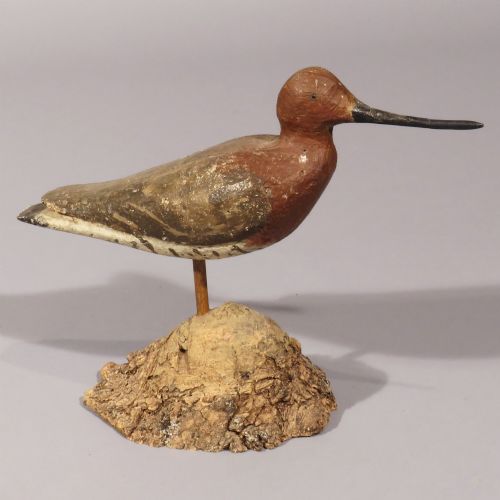


Vintage Wooden Wildfowl
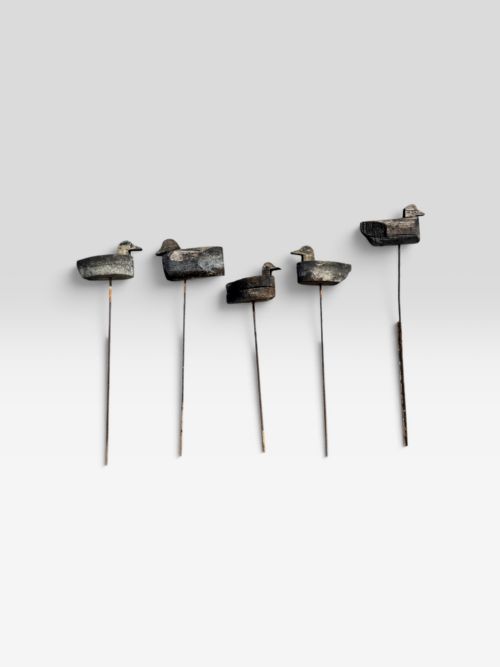
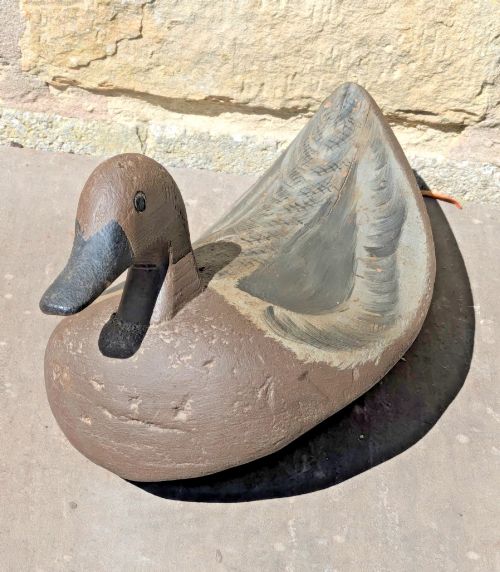
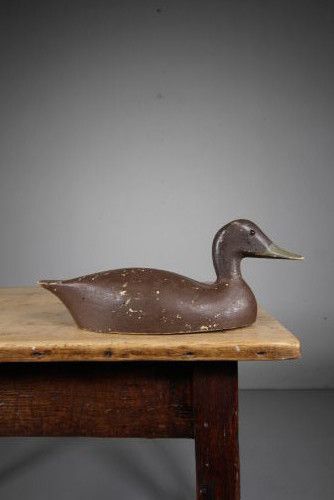
These vintage wooden wildfowl are hand carved and painted decoys, sought after for their rustic charm and direct link to traditional shooting practices.
Vintage Wooden Wildfowl
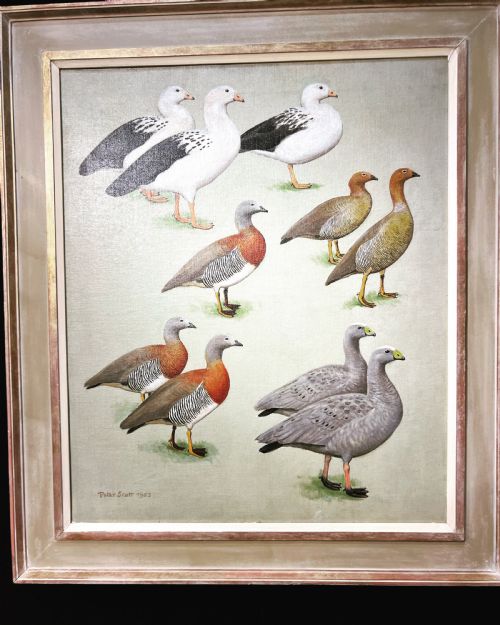
When you search for vintage wooden wildfowl, you encounter carved and painted decoys alongside related paintings that capture sporting subjects. The objects on this page span the nineteenth century through the mid twentieth century, drawing from Edwardian and various decades of the twentieth century. Forms range from single decoy ducks and sets of carved wood decoys to specific species like black tailed godwits and loons with chicks.
Makers shaped these pieces within folk art, English country folk art, British naturalism, and British sporting art traditions. Geographic origins include England and France, creating a varied selection of decorative sculptures and decorative objects. You are most likely to meet individual decoy ducks constructed to mimic waterfowl for field use.
Methods and materials of construction
Carvers shaped blocks of timber and wood into naturalistic bird forms using hand tools before applying layers of paint or oil paint. Many examples integrate canvas to build texture or durability, reflecting the functional demands placed upon working water bird decoys. Glass was utilised for lifelike eyes, bringing an observant quality to the carved heads.
Iron components occasionally formed internal or external hardware to secure parts or anchor the decoys during use. The combination of carved wood and layered paint defines the physical presence of these items, showing tool marks and surface wear accrued over decades of handling.
Listings feature items from the 1900s, 1910s, 1920s, and 1930s, alongside broader nineteenth-century and Edwardian pieces.
Distinctions in quality and finish
Quality rests in the anatomical accuracy of the carving and the preservation of the original hand painted surface. Decoys displaying spirited folk art character or sensitive naturalistic painting stand apart from plainer utilitarian versions.
The integrity of the timber and the honesty of the surface patination dictate desirability among collectors. Examples retaining their early painted decoration without excessive modern interference command greater appreciation for their historical survival.
Sir Peter Markham Scott
The Vintage Wooden Wildfowl Glossary
- Decoy
- A carved bird used by sportsmen to attract wildfowl within range. These objects transitioned from working gear into collected decorative sculptures.
- Folk art
- Art produced from an indigenous cultural tradition or by untrained artisans. This style informs much of the rustic charm found in nineteenth and early twentieth century carvings.
- Naturalism
- A style focused on the accurate depiction of nature and wildlife. British naturalism influenced how makers observed and rendered bird forms.
- Sporting art
- Artistic depiction of field sports, hunting, and game. Paintings and sculptures in this category record the cultural context of wildfowling.
Vintage Wooden Wildfowl: Frequently Asked Questions
What are vintage wooden wildfowl?
These items are carved and painted wooden decoys originally made to attract birds during shooting. They now function as decorative objects appreciated for their craftsmanship and folk art character.
The selection includes individual ducks, pairs, and groups representing various species from different periods across the nineteenth and twentieth centuries.
How were decoy ducks used?
Shooters placed wooden decoys upon the water or shoreline to simulate resting flocks and entice wildfowl within range. Their silhouettes and painted surfaces needed to appear convincing from a distance.
After their working lives ended, many survivors entered homes as decorative sculptures due to their strong sculptural forms and weathered paint.
How do I display decoys at home?
Decoys sit comfortably on shelves, mantelpieces, or tables where their carved wooden forms and aged paint finishes can be viewed closely. Their neutral tones and rustic textures complement both traditional and modern interiors.
Keep them away from direct heat sources and strong sunlight to protect the aged timber and original paint surfaces from drying or fading.
How can I tell the age of a decoy?
Age is indicated by the style of the carving, the type of timber used, and the composition of the paint layers. Earlier nineteenth-century examples often exhibit heavier hand tool work and simpler, worn surfaces.
Edwardian and later twentieth-century pieces may show more refined naturalism or specific regional traits associated with British and French folk art traditions.