


Vintage Wooden Wall Rack
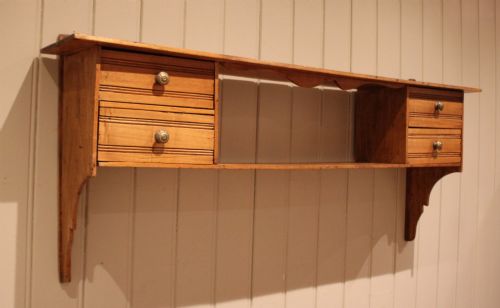
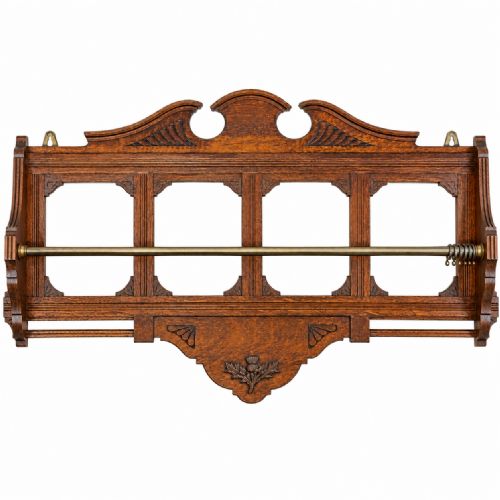
A vintage wooden wall rack organises everyday items with period character, ranging from country pine plate displays to mahogany hall hanging shelves.
Vintage Wooden Wall Rack
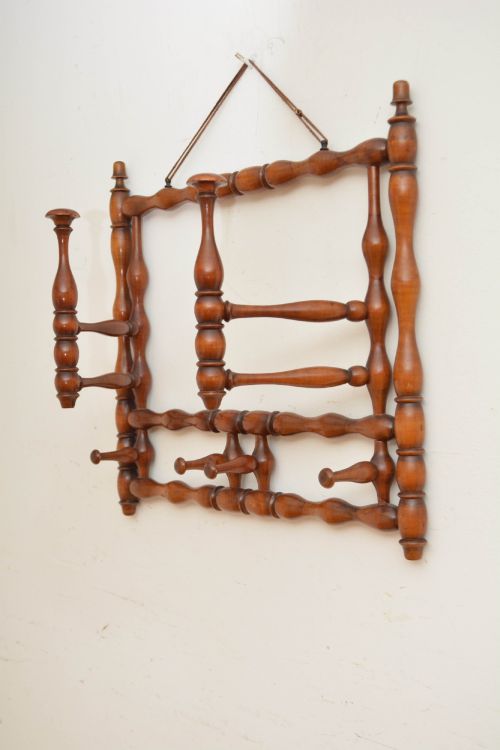
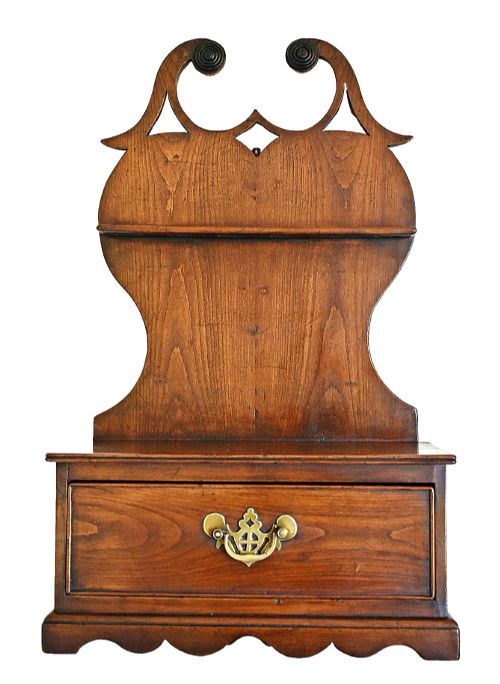
When you search for a vintage wooden wall rack, you encounter a practical hanging fixture designed to hold coats, plates, books, or towels. These utilitarian objects span periods from the eighteenth century through to the art deco era, reflecting changing domestic needs across generations.
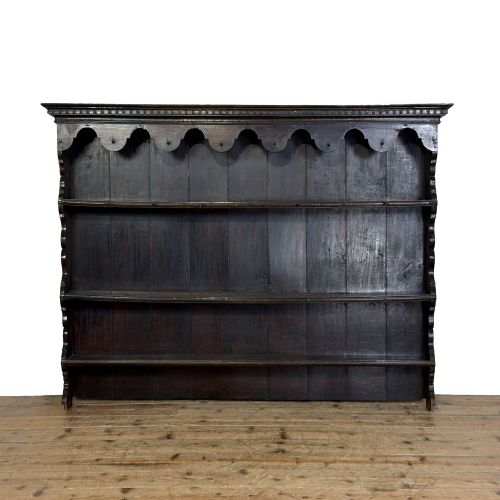
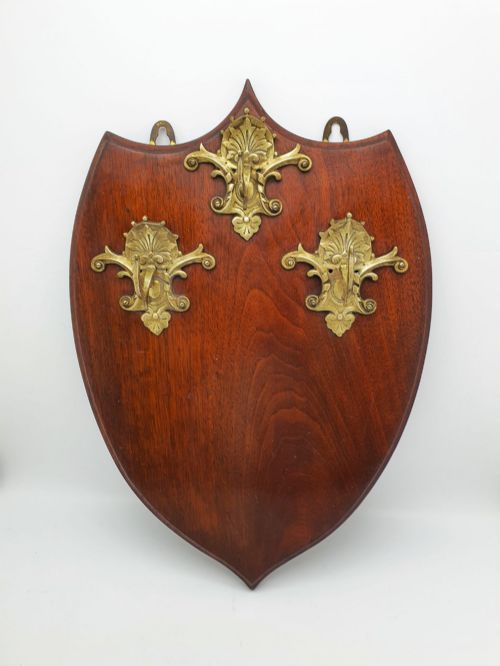
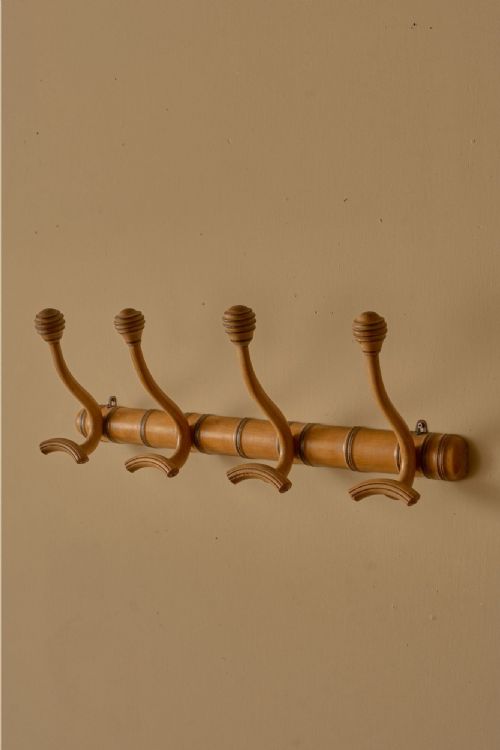
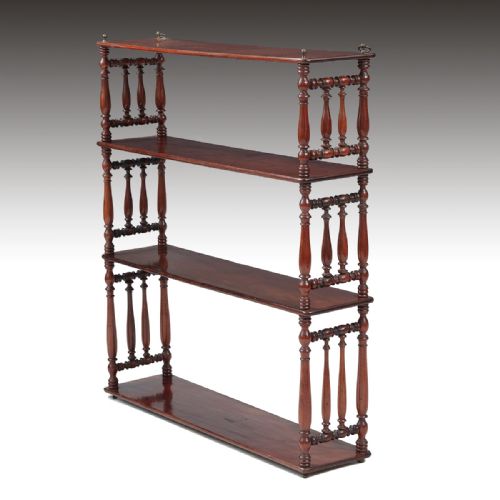
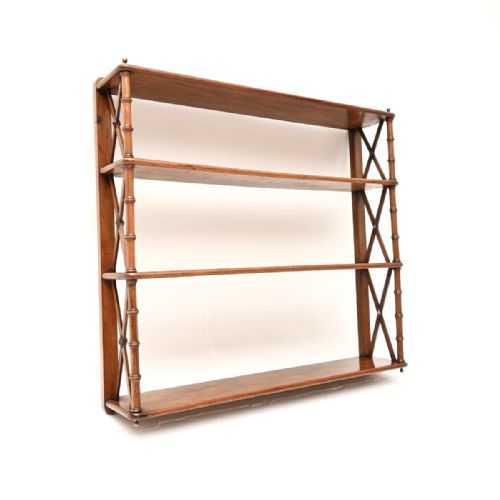
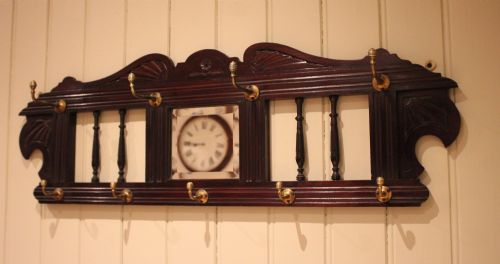
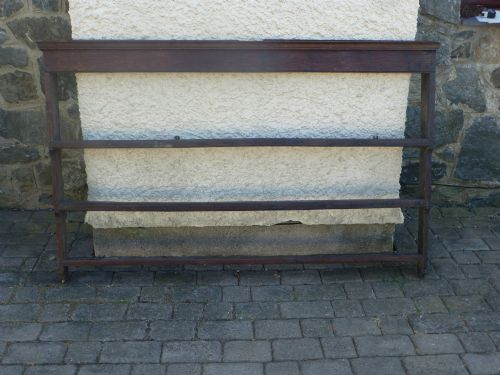
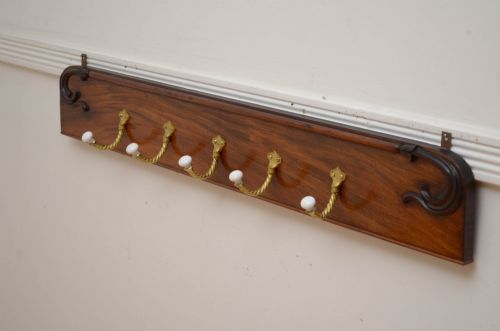
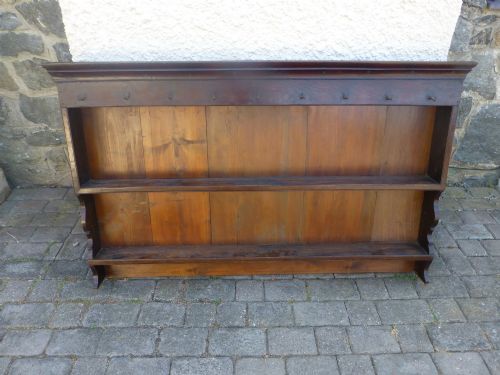
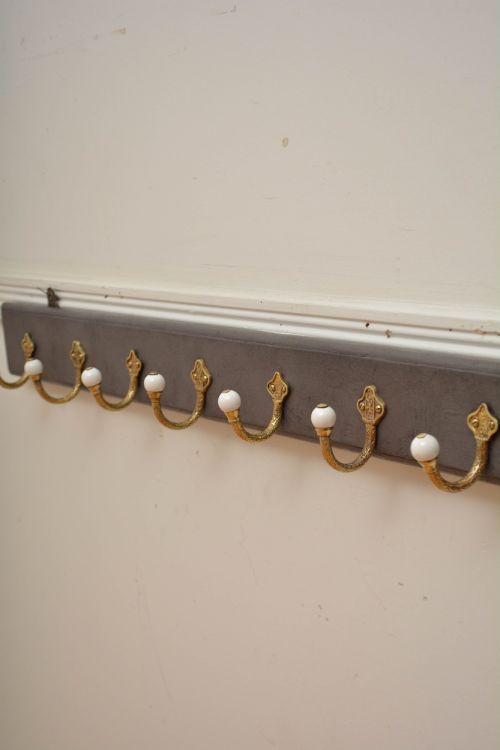
The most common examples on this page are coat racks mounted on timber backboards, often fitted with brass or ceramic hooks. Alongside these, you find open wall shelves, delft plate racks in oak, and hanging bookcases originating from Georgian, Victorian, and Edwardian workshops.
Regional variations appear regularly, including French country designs alongside English and rustic country pieces. Materials shift from local pine and heavy oak to polished mahogany and walnut, depending on whether the rack served a scullery, a hallway, or a formal library.
Materials and construction methods
Cabinet makers and local joiners relied primarily on solid hardwoods and softwoods such as oak, mahogany, walnut, and pine. Timber selection dictated the function, with sturdy oak and pine supporting heavy plate racks and coat fixtures, while fine mahogany and walnut suited delicate hanging shelves and bookcases.
Metal and ceramic hardware complete the construction, featuring cast brass hooks, ceramic coat knobs, and occasionally wrought iron framework. Backboards were frequently shaped with simple moulding or left plain, secured to walls via integrated brackets or screw apertures set directly into the wood.
Vintage Wooden Wall Rack Retail Price Guide 2026
Typical asking prices for vintage wooden wall rack among the pieces listed under this phrase on Sellingantiques today, from the lower quarter to the upper quarter. They describe what is for sale here now, not the wider market.
Some nineteenth-century models happily combine coat hooks with taxidermy or horseshoe motifs for rugged hallway charm.
What separates the finest examples
Quality in these hanging fixtures rests upon the integrity of the timber and the original matching of hardware. Pieces that retain their period brass hooks, ceramic inserts, and structural joints without modern replacements command greater attention from collectors.
Subtlety of proportion and joinery distinguishes workshop pieces from later utility items. Hand-cut dovetails, sound backboards free from excessive splitting, and original surface patination indicate careful manufacture and enduring utility.
The Vintage Wooden Wall Rack Glossary
- Backboard
- The flat vertical timber panel that supports mounted hooks or shelving brackets. It distributes the weight evenly against the wall.
- Delft rack
- A specialised wall-mounted shelving unit designed to display ceramic plates upright in grooves with protective front rails.
- Pigeon holes
- Small compartmentalized openings within a desk organizer or wall cabinet used for sorting correspondence and documents.
- Bentwood
- Wood softened by steam and bent into curved structural forms, commonly utilised in lightweight coat rack frames.
- Faux bamboo
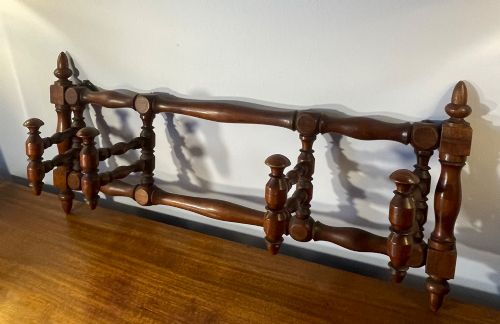
- Wood turned and carved to imitate natural bamboo stalks, popular during the aesthetic movement and late Victorian periods.
Vintage Wooden Wall Rack: Frequently Asked Questions
How do I hang a heavy wooden wall rack safely?
Secure the fixture directly into wall studs or utilise appropriate masonry fixings matched to the weight of the timber and its intended load.
Verify that the mounting points on the backboard align securely with your chosen fixings before placing heavy items upon the shelves or hooks.
Are these racks suitable for modern hallways?
These pieces integrate easily into contemporary interiors, providing functional hanging space for coats, hats, and bags while adding distinct historical character.
Ensure the dimensions and hook spacing suit your available wall space and the volume of items you intend to store daily.
What is the difference between an oak plate rack and a coat rack?
Plate racks feature specialised wooden ledges and narrow grooves to hold ceramic plates upright without slipping.
Coat racks rely on protruding metal, wood, or ceramic hooks affixed to a horizontal backboard specifically for hanging garments.
How should I clean antique wood and brass hooks?
Dust the timber surfaces gently with a dry, soft cloth and avoid chemical polishes that can degrade original wax finishes and patination.
Leave brass and ceramic hooks unpolished unless cleaning is strictly necessary, preserving the natural oxidation accumulated over decades of use.