



Vintage Wooden Swing Mirror
A vintage wooden swing mirror brings genuine warmth and proportion to a dressing room or chest.
Vintage Wooden Swing Mirror
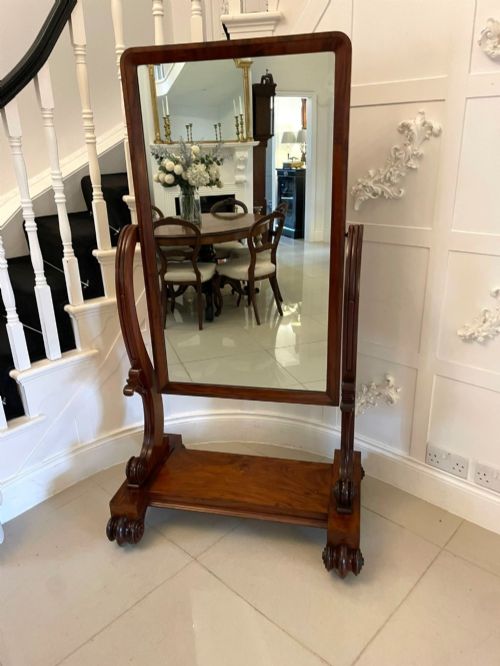
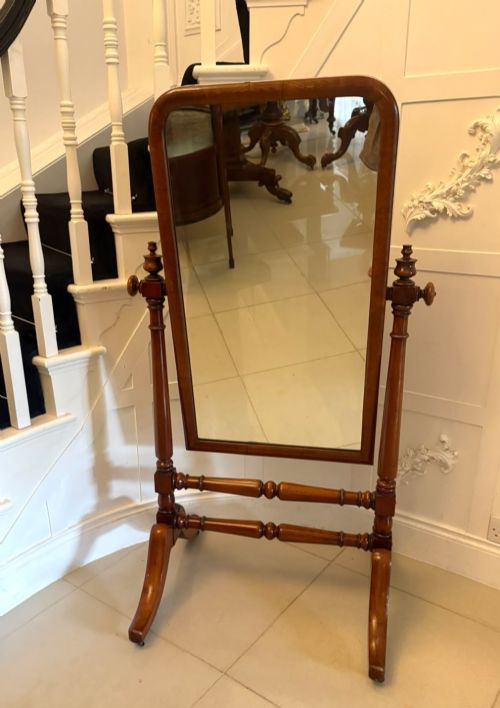
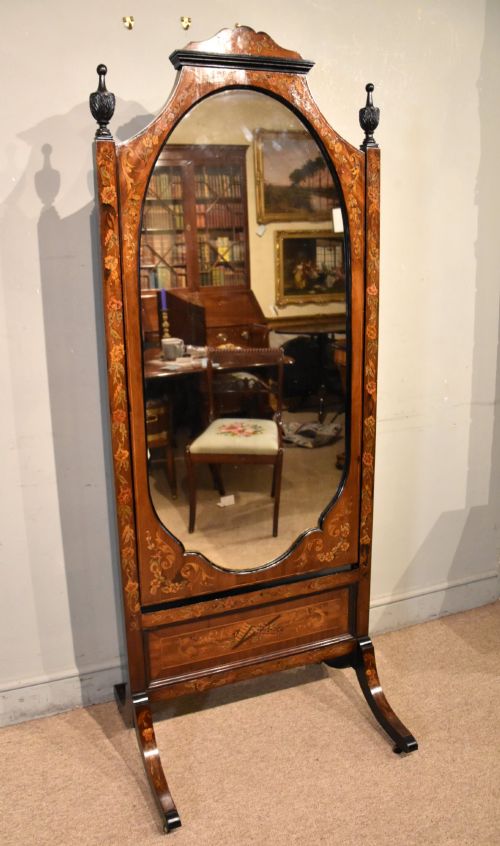
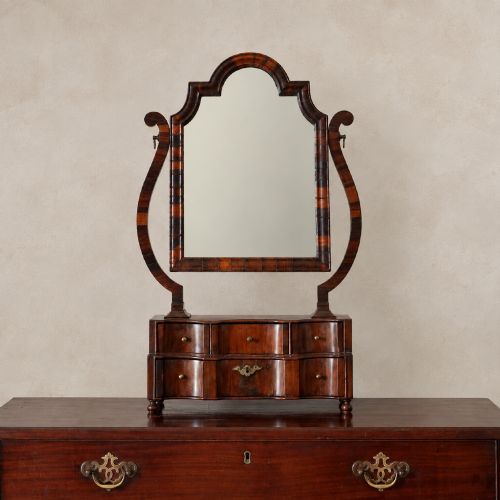
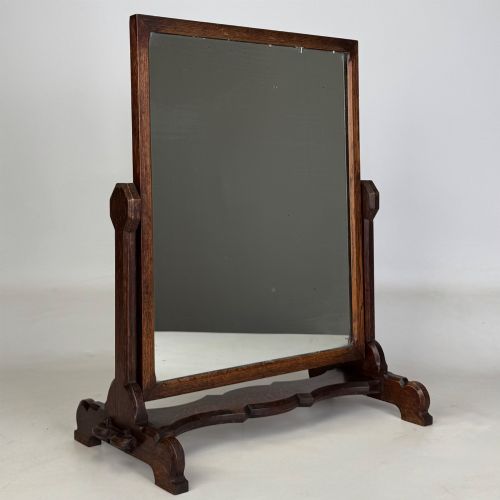
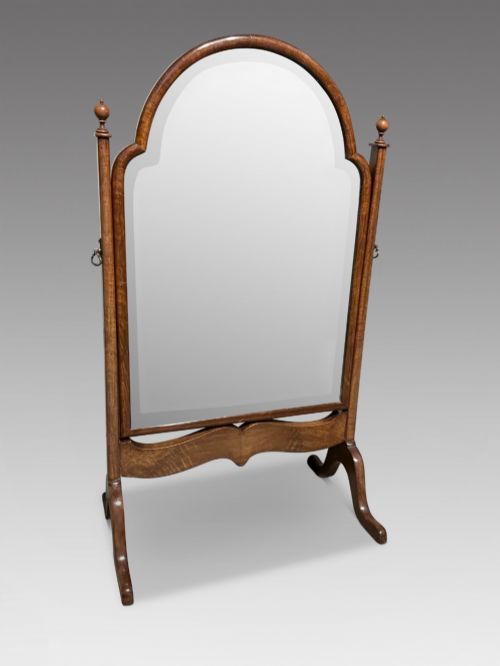
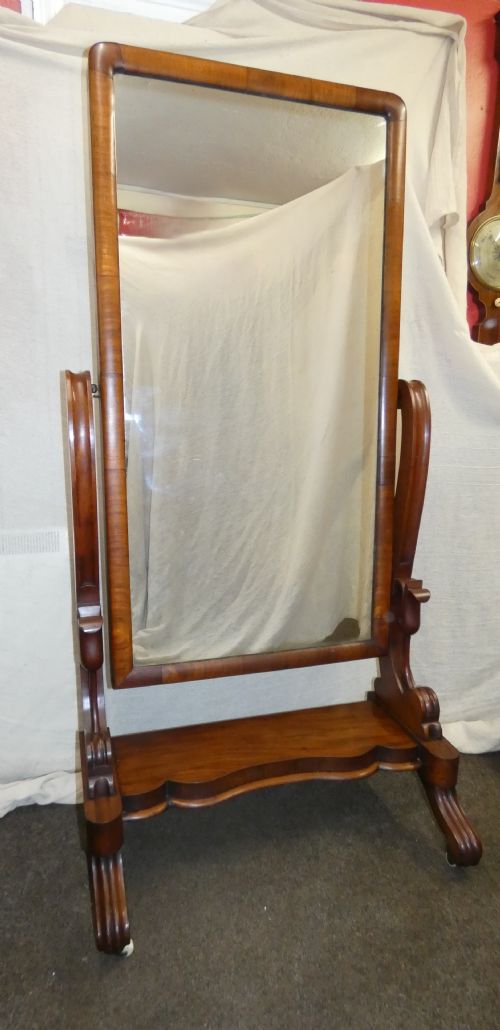
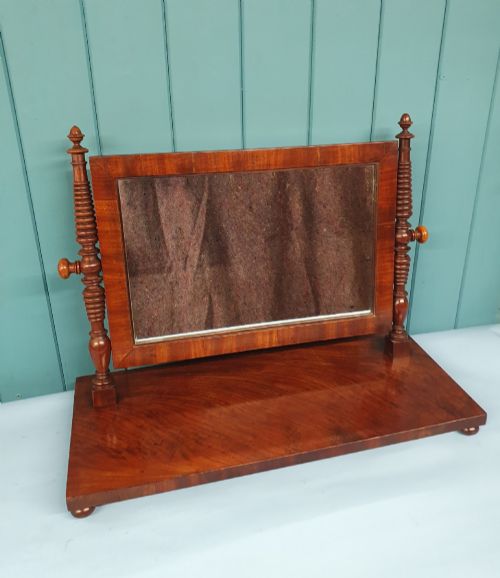
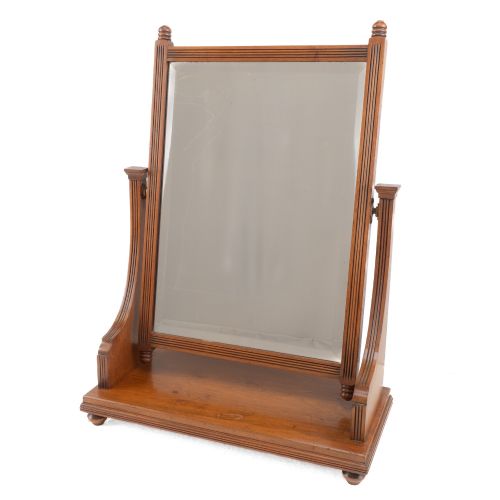
A vintage wooden swing mirror is a pivoting glass plate set within a supportive timber frame, designed to sit upon a table or stand independently as a floor-standing cheval mirror. When you search for a vintage wooden swing mirror, you encounter pieces intended for personal grooming on dressing tables or chest tops across several centuries.
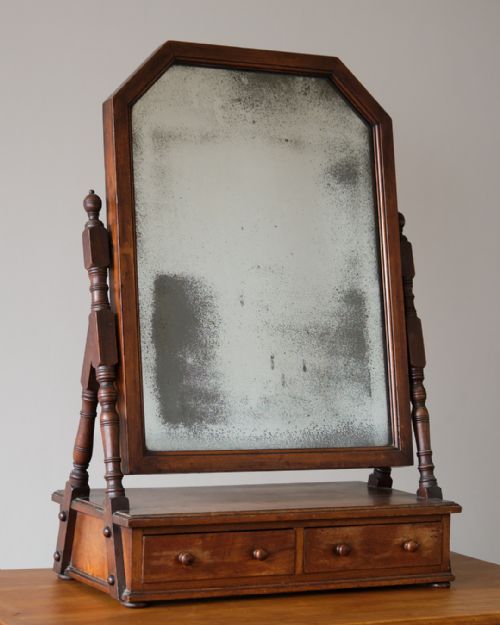
The selection ranges from compact table-top box mirrors with small drawers to substantial floor-standing cheval mirrors designed to reflect the full figure. Victorian and Edwardian examples appear frequently alongside earlier Georgian and Regency forms, reflecting centuries of domestic joinery.
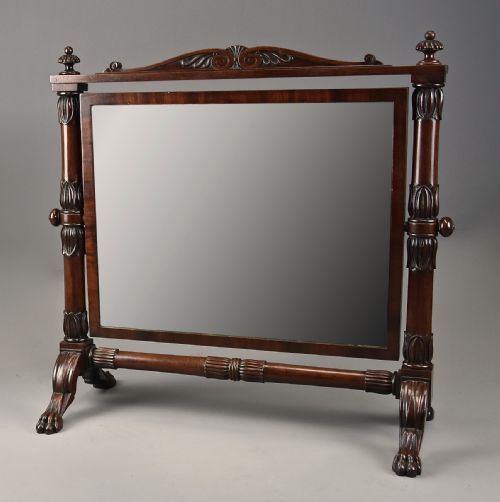
Many of these mirrors feature adjustable pivots that tilt the glass plate to the desired angle, mounted on upright standards above a shaped base or drawer box. This combination of utility and cabinetry makes them enduring additions to traditional and modern interiors alike.
Materials and construction
Cabinetmakers constructed these frames primarily from dense hardwoods such as mahogany, walnut and laburnum, often selecting figured veneers for visual depth. Brass fixtures, including pivot screws and candle sconces, provide durable mechanical joints and subtle contrast against the dark timber.
Joinery techniques relied on dovetailed box construction for the bases and mortise and tenon joints for the upright frames to ensure stability. Original mirror plates are typically silvered glass, sometimes showing slight foxing or oxidation that marks their age.
Judging quality and proportion
Quality in a vintage wooden swing mirror rests upon the crispness of the timber mouldings, the thickness of the base carcase and the harmony of the overall proportions. Finer examples display carefully chosen wood grain on both front and back surfaces, along with well-executed inlay or marquetry.
The sophistication of the brass pivot hardware and the integrity of the original backing boards further distinguish better workshops from mass-produced output. Superior pieces retain their original mirror plates, which cast a clear reflection without distorting the surrounding room.
Heal & Sons·P & MA Nicholson
The Vintage Wooden Swing Mirror Glossary
- Cheval mirror
- A large floor-standing dressing mirror supported by four legs and a pair of upright posts that allow the entire glass frame to swing fully. This form became popular in the late 18th century for full-length attire checks.
- Box mirror
- A small table-top swing mirror where the supporting frame sits directly upon a shallow wooden box or base containing small drawers. These compartments were traditionally used for storing trinkets and cosmetics.
- Marquetry
- The decorative craft of applying small pieces of varied wood veneers to a structure to form intricate pictorial designs. Dutch makers frequently utilised floral marquetry on walnut carcases for dressing mirrors.
- Serpentine front
- A curved furniture front featuring a convex centre flanked by two concave curves, creating a gentle undulating line. This shape adds considerable expense and complexity to the construction of a mirror base.
- Laburnum
- A dense hardwood prized for its contrasting dark heartwood and pale sapwood, frequently used in decorative oyster-veneered patterns during the late 17th and early 18th centuries.
Vintage Wooden Swing Mirror: Frequently Asked Questions
How do I date a wooden swing mirror?
Dating relies on examining the timber species, construction joints, backboards and the bevel or clarity of the glass plate. Earlier 18th-century pieces often employ walnut and secondary pine with hand-cut dovetails, whilst Victorian and Edwardian examples frequently use mahogany and machine-sawn components.
The style of the base, such as bracket feet, ogee mouldings or serpentine drawers, also corresponds closely to the prevailing furniture fashions of the period in which the mirror was built.
Were these mirrors meant for tables or floors?
Smaller mirror frames with integrated box bases were designed specifically to sit upon dressing tables, chests of drawers or writing desks. They provided a convenient movable glass for close personal grooming.
Larger cheval mirrors stood independently on the floor, supported by heavy scrolling legs or trestle frames. These taller versions allowed users to inspect their complete outfit before leaving the room.
How do I care for an antique mirror?
Keep the timber clean by dusting regularly with a soft, dry cloth and occasionally feeding the wood with a traditional wax to maintain its lustre. Avoid placing the mirror in direct sunlight or near heat sources, which can dry out the timber and crack the old polishes.
When cleaning the glass, apply a mild glass cleaner to a cloth rather than spraying directly onto the surface, preventing moisture from seeping behind the old silvered backing.
What is a box mirror used for?
A box mirror combines an adjustable swing glass with a small compartmentalised chest or drawer base. Historically, the drawers held small valuables, letters, or cosmetics used during morning dressing routines.
Today, these versatile pieces sit neatly on dressing surfaces or side tables, offering both a functional mirror and hidden storage for modern trinkets.