
Vintage Wooden Storage Coffer
A vintage wooden storage coffer offers robust utility and storied character, keeping homes tidy while anchoring a room with centuries of tactile history.
Vintage Wooden Storage Coffer
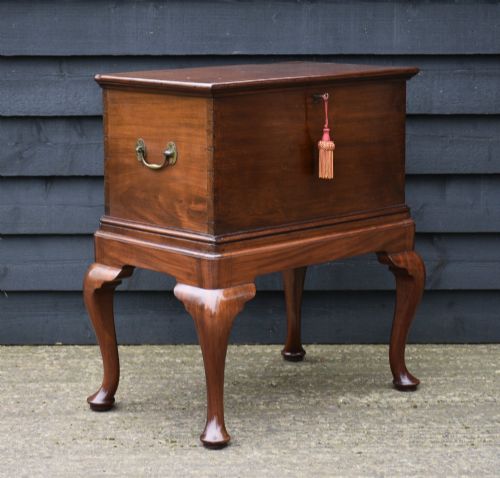
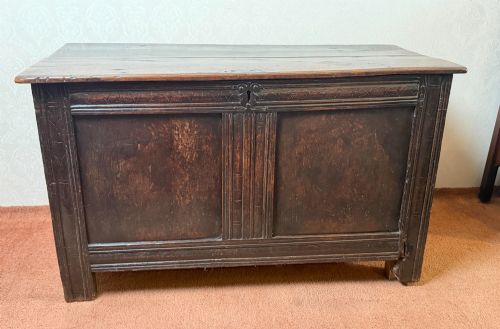
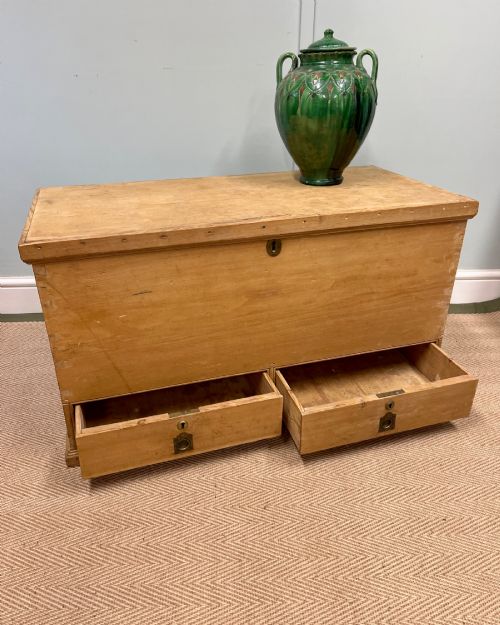
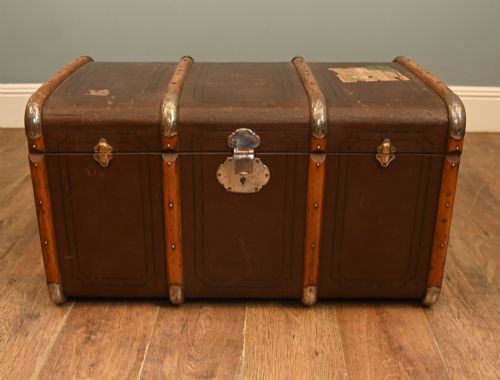
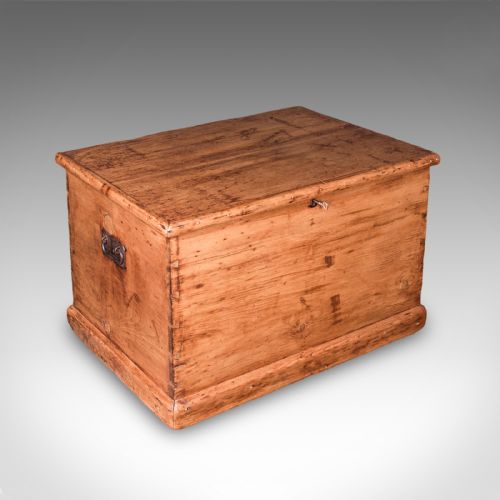
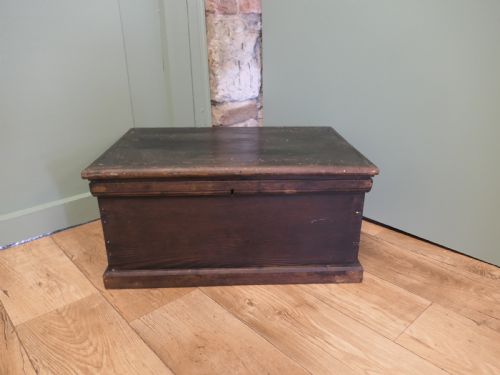
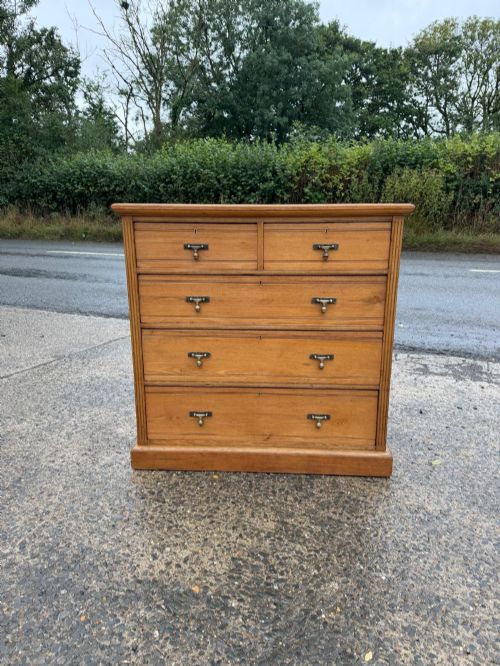
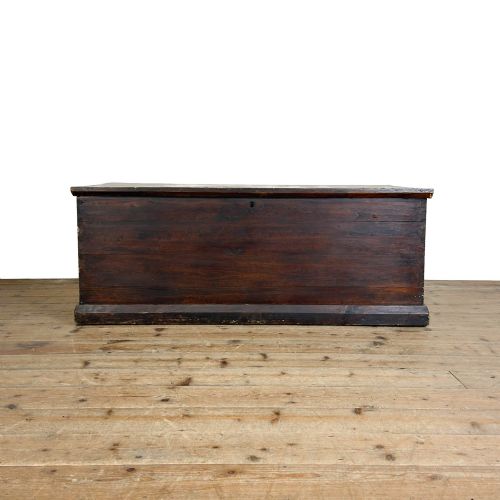
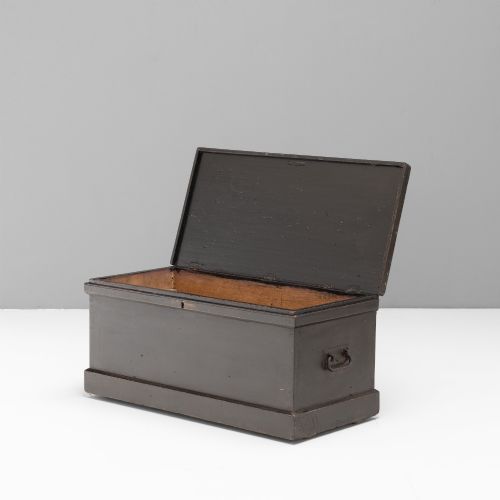
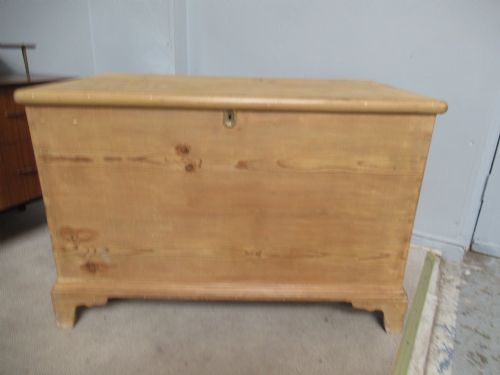
A vintage wooden storage coffer serves as a sturdy receptacle for blankets, linens, and household goods, developed across centuries for practical utility. When searching for a vintage wooden storage coffer, buyers frequently encounter pine blanket boxes, heavy oak coffers, and camphor wood travel trunks spanning the eighteenth, nineteenth, and early twentieth centuries.
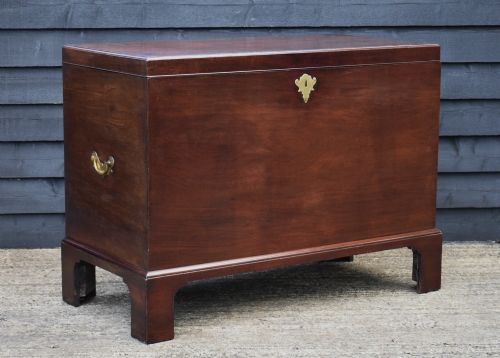
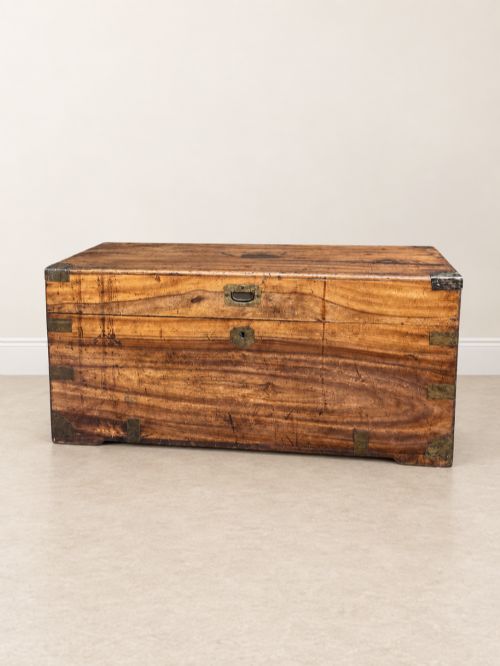
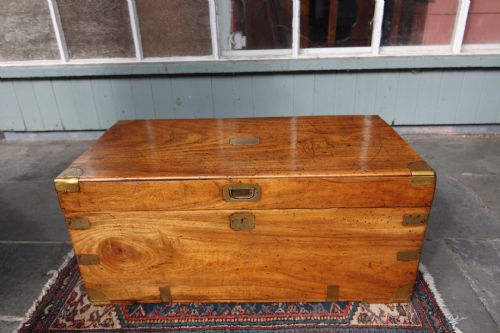
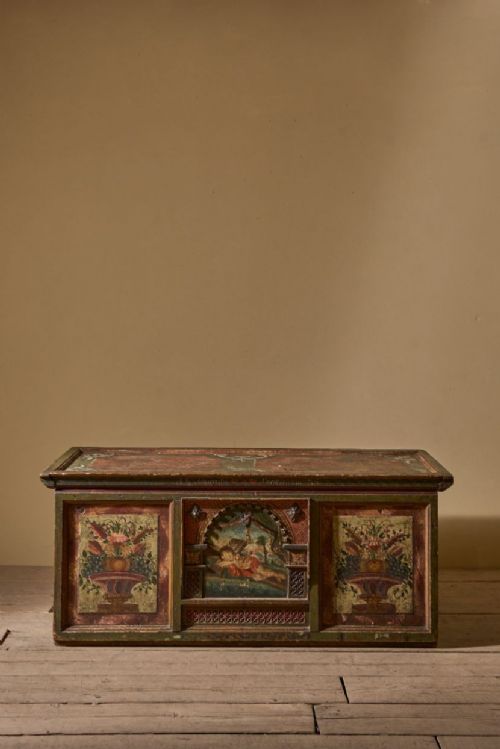
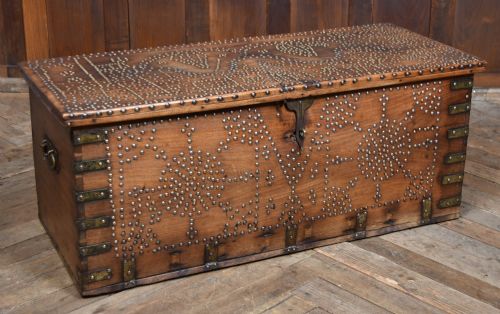
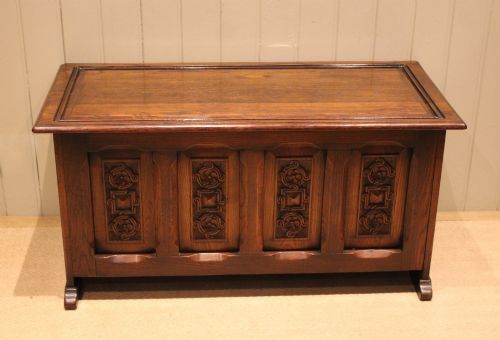
The pieces on this page span diverse utilitarian forms, from rustic farmhouse pine trunks to brass-bound campaign chests and carved Jacobean revival coffers. Domestic pine and oak examples rub shoulders with exotic hardwoods like camphor, teak, and padouk, reflecting both local British country workshops and global trade routes.
How they were made
Construction relies heavily on solid native and imported timbers, utilising heavy oak, pine, elm, and fragrant camphor wood joined with traditional methods. Carpenters built these chests to withstand heavy travel or domestic service, employing dovetailed corners, pegged joints, and solid timber panels.
Iron and brass feature prominently as functional hardware, incorporating hand-forged strapwork, reinforced corners, and secure carrying handles. Surviving pieces often retain original painted finishes, carved ornamentation, or inlaid mother-of-pearl details applied by period craftspeople.
The selection encompasses diverse regional origins, featuring English country pieces alongside Middle Eastern and Anglo-Indian trunks.
What varies in quality
The distinction between ordinary utility boxes and finer examples rests upon the selection of timber and the sophistication of the joinery. Solid figured woods, intricate hand-carving, and untouched original brass or iron mountings elevate a simple storage chest into a piece of notable craftsmanship.
Proportion and integrity dictate enduring appeal, favouring items that retain their original hinges, interior till boxes, and uncompromised structural timber. Alterations to the base or replaced hardware alter the historical honesty of a coffer, separating untouched survivors from heavily restored examples.
The Vintage Wooden Storage Coffer Glossary
- Campaign trunk
- A portable chest built in sections with recessed brass handles and corner brackets, designed for military officers on the move during the eighteenth and nineteenth centuries.
- Coffer
- A heavy wooden chest traditionally used for storing valuables, linens, or documents, often featuring a flat lid and robust panelled construction.
- Till
- A small internal compartment or lidded box built into the corner of a larger chest to hold small valuables or documents.
- Strapwork
- Decorative metal bands or strap-like patterns applied across the exterior of a trunk or chest to reinforce the wooden structure.
Vintage Wooden Storage Coffer: Frequently Asked Questions
What is the difference between a coffer and a blanket box?
A coffer traditionally denotes a heavily constructed, panelled wooden chest used for storing valuables or household goods, often featuring more architectural joinery. A blanket box generally refers to simpler domestic storage chests, frequently fashioned from pine, dedicated to holding linens.
While both serve the primary function of concealed storage, coffers often display more elaborate carved ornamentation or date from earlier centuries. Blanket boxes tend toward utilitarian domestic service in bedrooms and landings.
How do I care for a camphor wood chest?
Camphor wood requires minimal maintenance due to the natural aromatic oils within the timber that deter insects and preserve the wood. Keep the chest away from direct heat sources and strong sunlight to prevent the timber from drying out or splitting.
Allowing the wood to breathe and occasionally wiping the interior with a dry cloth helps maintain the distinctive scent without damaging the surface. Avoid using harsh chemical polishes on the historic exterior finish.
Were campaign trunks made for military use?
Campaign trunks were specifically engineered for British military officers and colonial administrators needing to transport personal belongings across difficult terrain. They feature protective brass corners, robust iron bindings, and flush-fitting handles to withstand frequent transit.
These clever boxes often break down into modular units or open to reveal fitted compartments for stationery, uniforms, and daily necessities. Their rugged construction made them equally popular for civilian travel on steamships and railways.
How do I date an antique wooden chest?
Dating relies on examining the timber species, tool marks left by saws and planes, and the construction methods used in the joints. Hand-cut dovetails, hand-forged iron nails, and pegged frame-and-panel assembly point to earlier centuries before industrial manufacturing.
Stylistic clues like Jacobean carving, Georgian proportions, or Victorian brass bindings help narrow the period of origin. Original locks, hinges, and patination accumulated over generations provide further evidence of age.