


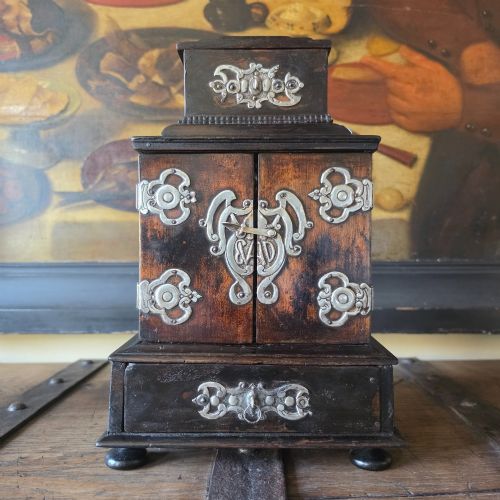


Vintage Wooden Silver Chest
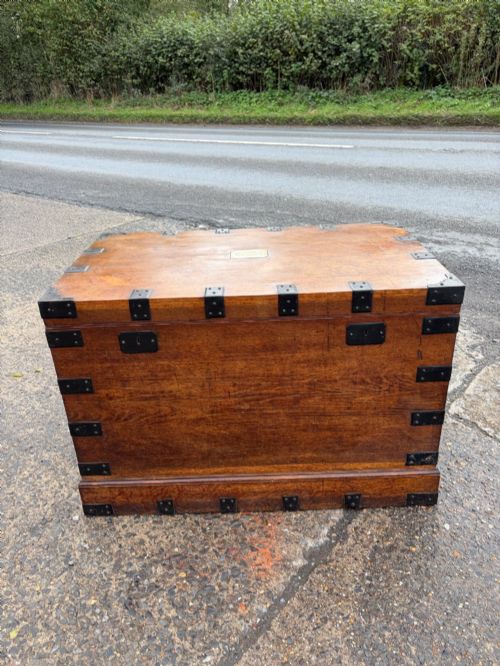
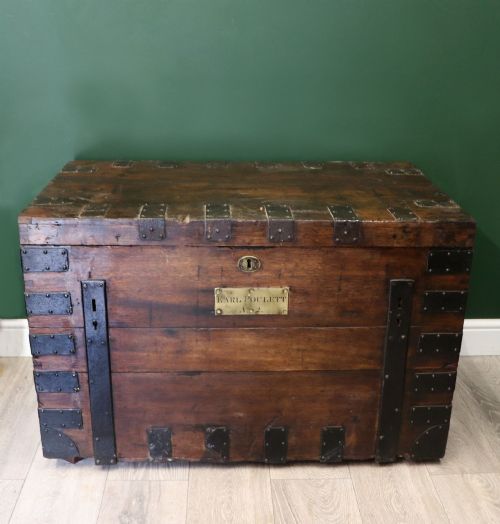
A vintage wooden silver chest secures domestic luxury, bringing heavy oak and iron banding together for functional storage.
Vintage Wooden Silver Chest
A vintage wooden silver chest functions primarily as a robust storage box or shipping trunk designed to protect valuable flatware and holloware. These substantial containers span multiple periods, with Victorian and Edwardian examples appearing frequently alongside earlier Georgian pieces.
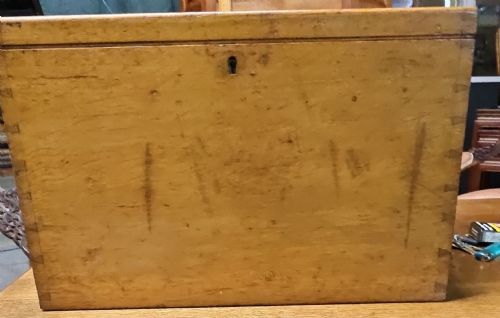
Builders constructed these sturdy pieces using durable timbers such as oak, walnut, mahogany, and blond oak, often reinforcing the corners and edges with heavy iron or steel banding. Many interiors feature fitted compartments lined to secure specific cutlery canteens, tea caddies, or barware.
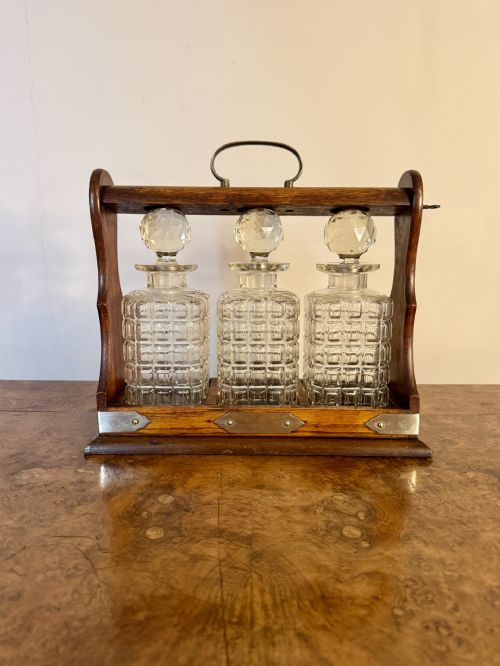
Beyond traditional flatware storage, the category encompasses related forms like jewellery cabinets, cigar boxes, and tantalus dry bars. Buyers find both utilitarian travel chests bearing maker labels and refined domestic boxes intended for stationary country house use.
Materials and construction methods
Craftsmen built these protective chests around solid timber carcasses, predominantly utilising oak, walnut, and mahogany. Carpenters reinforced structural joints and vulnerable corners using heavy iron, brass, or steel banding fastened with robust screws and rivets.
Interiors often showcase fitted wooden layouts designed to cradle specific silver pieces, complete with textile linings and brass hardware. Finer examples incorporate specialised details like mother of pearl inlay, silver stringing, or sterling silver mounts.
Vintage Wooden Silver Chest Retail Price Guide 2026
Typical asking prices for vintage wooden silver chest among the pieces listed under this phrase on Sellingantiques today, from the lower quarter to the upper quarter. They describe what is for sale here now, not the wider market.
Some nineteenth-century oak chests retain the original travel labels of nobility, quietly hinting at grand railway journeys across Victorian Britain.
Judging the quality of a chest
Quality rests upon the integrity of the timber carcass and the durability of the metal reinforcements. Superior examples display tight joinery, intact iron or steel bands, and original brass carrying handles that withstand heavy loads.
Internal complexity elevates a piece significantly. Chests featuring complete, original fitted trays, working locks with keys, and legible maker labels or historical ownership markings command greater interest than plain, unformatted boxes.
Gillows of Lancaster·Walker and Hall
The Vintage Wooden Silver Chest Glossary
- Silver chest
- A heavy wooden storage box specifically reinforced for transporting or storing household silver. These items typically feature iron bands and sturdy drop handles.
- Tantalus
- A locking beverage cabinet that displays decanters while preventing unauthorized access to the contents. Edwardian versions often combine this function with a games compendium.
- Canteen
- A fitted box or cabinet designed to hold a complete set of cutlery. They range from compact tabletop cases to large floor-standing chests.
- Campaign chest
- Portable furniture built in sections with recessed hardware for ease of travel. These pieces reflect the pragmatic needs of 19th-century officers and travellers.
- Stringing
- A narrow inlay of contrasting wood or metal used to outline panels on a box. This decorative technique adds subtle definition to mahogany and rosewood surfaces.
Vintage Wooden Silver Chest: Frequently Asked Questions
What were silver chests originally used for?
Silver chests served as secure containers for storing and transporting valuable family silverware. Households relied on their thick wooden walls and iron bindings to protect precious metal during travel or estate moves.
Over time, many of these trunks transitioned from utilitarian travel gear to permanent fixtures within country house dining rooms. Their robust construction ensured flatware remained organised and tarnish-free.
How do I identify a Victorian silver chest?
Victorian silver chests typically feature heavy oak bodies secured with robust iron or steel banding. Look for recessed brass drop handles and sturdy locking mechanisms designed for heavy loads.
Many examples from this era also display interior partitions or fitted trays lined to hold specific cutlery sets. Stamped hardware or period shipping labels often confirm the nineteenth-century origins.
Can I use a silver chest as a coffee table?
A sturdy vintage silver chest provides an alternative coffee table option with built-in interior storage. Their flat wooden tops and low profiles suit modern living spaces well.
When using one in this manner, ensure the lid remains stable and protect the antique timber surface from moisture. The internal space conveniently holds blankets, books, or games.
What is the difference between a silver chest and a tea caddy?
A silver chest is a large, heavy trunk reinforced with iron for storing bulk flatware or travel goods. These pieces prioritize maximum structural strength and carrying capacity.
By contrast, a tea caddy is a smaller tabletop box intended strictly for storing dry tea leaves. Caddies frequently include internal compartments and delicate wood veneers rather than heavy metal banding.