





Vintage Wooden Religious Figures
Vintage wooden religious figures bring centuries of devotion into a room, spanning rustic folk carvings and gilded temple statues.
Vintage Wooden Religious Figures
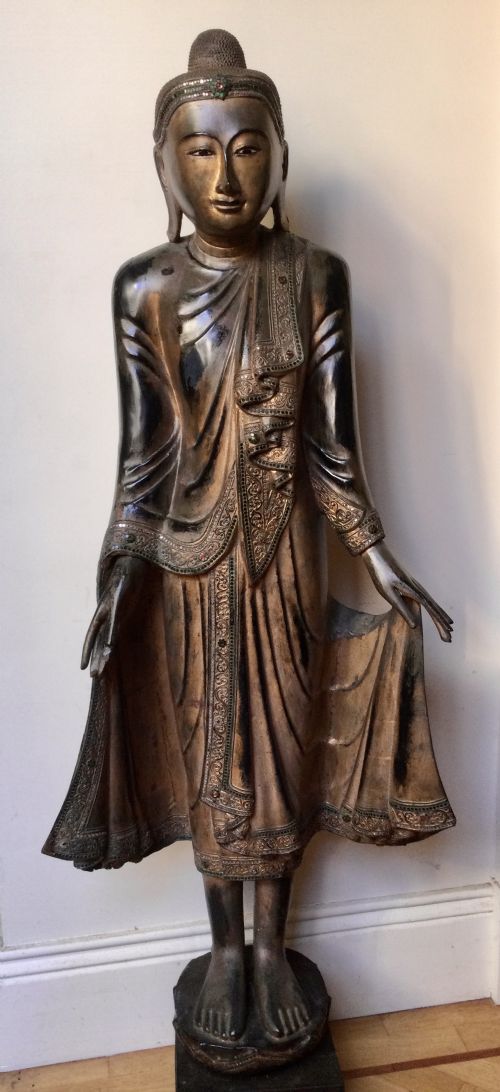
Vintage wooden religious figures encompass devotional carvings and statues created across diverse cultures and eras, capturing both solemn ecclesiastical subjects and vibrant folk traditions. These pieces range from European saints and processional angels to Asian Buddhas and temple deities carved from solid timber. Buyers seeking vintage wooden religious figures encounter everything from large life-size devotional works to intimate household shrines.
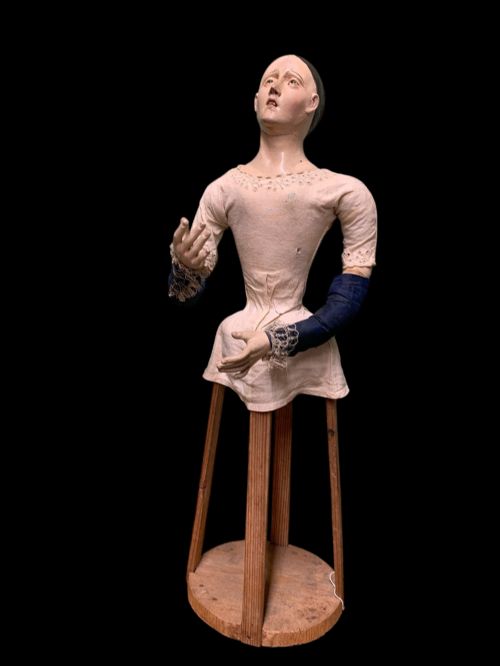
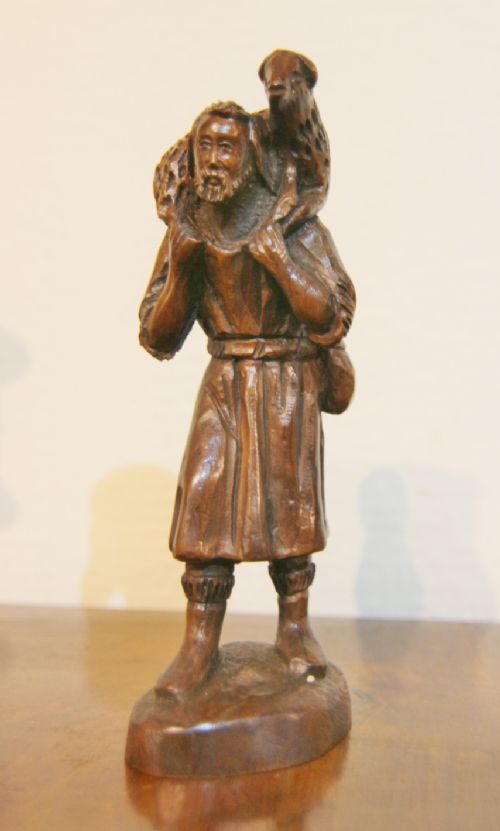
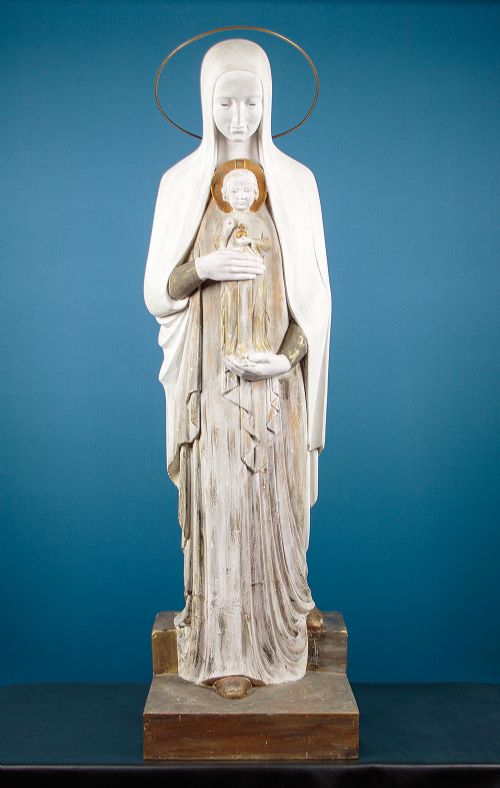
The selections span distinct geographical origins and stylistic approaches, including Italian folk art, Anglo-Indian craftsmanship, and Southeast Asian antique sculpture. Common forms involve depictions of the Madonna and child, individual saints, crucifixes, and figures of deities holding infant children. Many examples reflect the vernacular interpretations of regional makers rather than formal court workshops.
How they were made
Makers shaped these sculptures from various hardwoods and softwoods using traditional hand-carving chisels and gouges. Artisans frequently applied a preparation layer of gesso directly onto the timber base to create a smooth surface for subsequent decoration.
Many surfaces received layers of polychrome paint to render garments and flesh tones with realistic depth. Craftsmen often embellished robes and halos with delicate gold leaf to catch the candlelight in dimly lit chapels and temples.
Vintage Wooden Religious Figures Retail Price Guide 2026
Typical asking prices for vintage wooden religious figures among the pieces listed under this phrase on Sellingantiques today, from the lower quarter to the upper quarter. They describe what is for sale here now, not the wider market.
Materials recorded across the selection include polychrome paint, gold leaf, and gesso applied over traditional carved timber bases.
What varies in quality
The preservation of original surface treatments plays a major role in the integrity of the piece. Fine examples retain their early polychrome pigment and gold leaf without heavy modern overpainting masking the grain of the wood.
Bohumil Kafka
The Vintage Wooden Religious Figures Glossary
- Polychrome paint
- Decoration applied in multiple colours directly onto wood or gesso surfaces. This technique brings depth and life to the carved garments and faces of saints.
- Gesso
- A plaster mixture applied to wooden sculptures to provide a smooth base for gilding and painting. It helps seal the timber before decoration takes place.
- Gold leaf
- Extremely thin sheets of beaten gold applied to surfaces for ornamentation. It highlights the divine attributes of figures under ambient light.
- Santos
- A carved figure representing a saint or holy person, often utilised in domestic or processional worship. These statues frequently wear actual fabric garments in traditional practice.
- Ecclesiastical
- Pertaining to the Christian church and its formal liturgy. These objects were originally commissioned for clerical use in chapels and monasteries.
Vintage Wooden Religious Figures: Frequently Asked Questions
What are vintage wooden religious figures?
These pieces are hand-carved statues and sculptures depicting holy figures, deities, and saints created for devotional or decorative purposes.
They encompass diverse global traditions, ranging from European church furnishings to Asian temple art and rustic folk carvings.
How were these figures used originally?
Many served as focal points for prayer within churches, household shrines, and processional rituals.
Others stood within temples or domestic spaces to honour specific deities and invoke protection.
How should I care for wooden statues?
Keep wooden sculptures away from direct heat sources and dramatic humidity fluctuations to prevent the timber from splitting.
Dust them gently with a dry, soft cloth and avoid chemical cleaning products that might damage old paint layers.
How do I identify different periods?
Stylistic clues, tool marks, and the condition of underlying gesso help indicate the era of manufacture.
Earlier pieces often display more hand-wrought tool textures, while later examples reflect distinct regional revival styles.