
19th Century Folk Carving
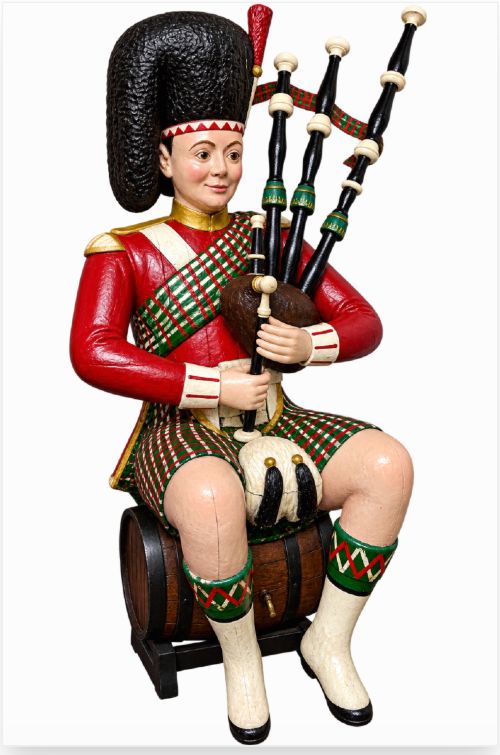
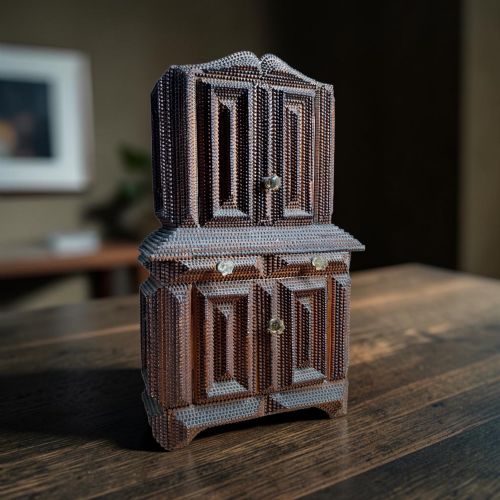
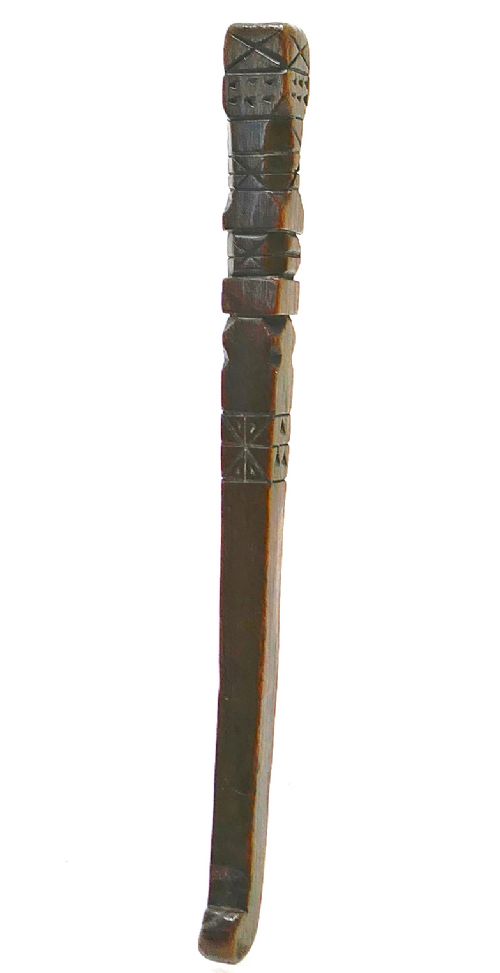
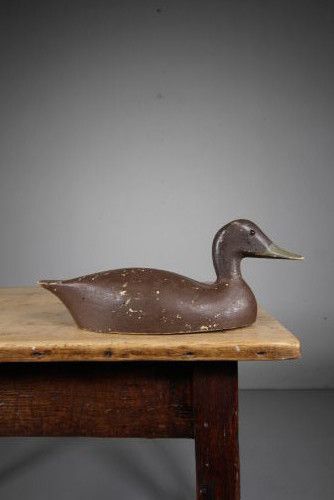
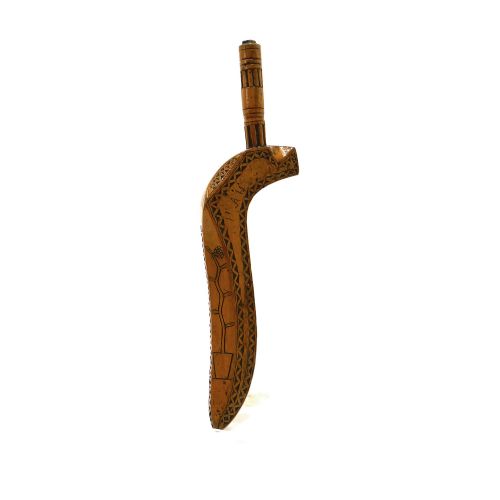
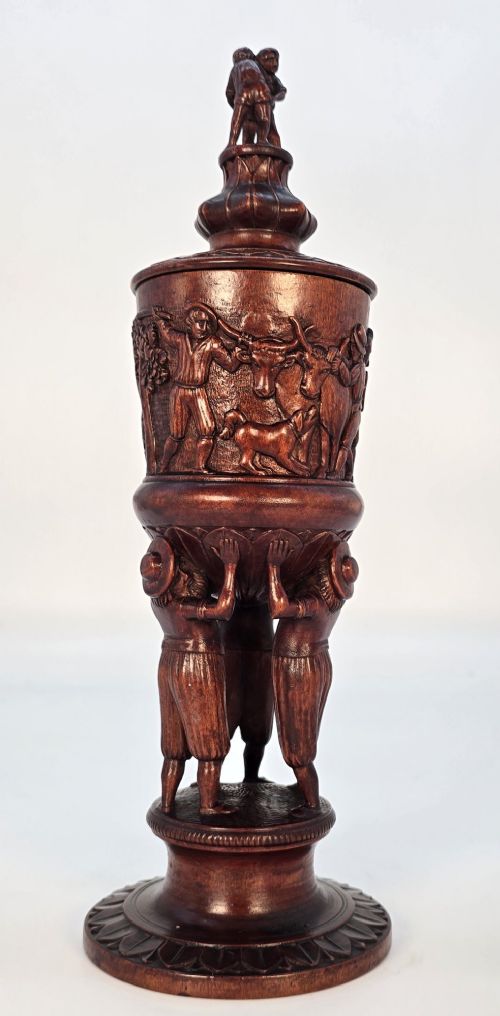
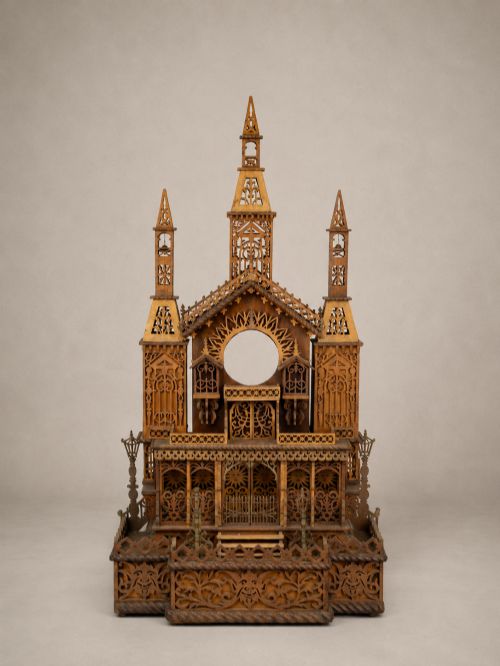
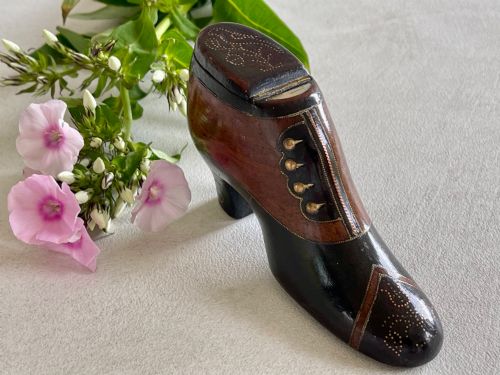
These pieces of 19th century folk carving range from whimsical treen snuff boxes to robust animal sculptures crafted by hands far removed from academic training.
19th Century Folk Carving
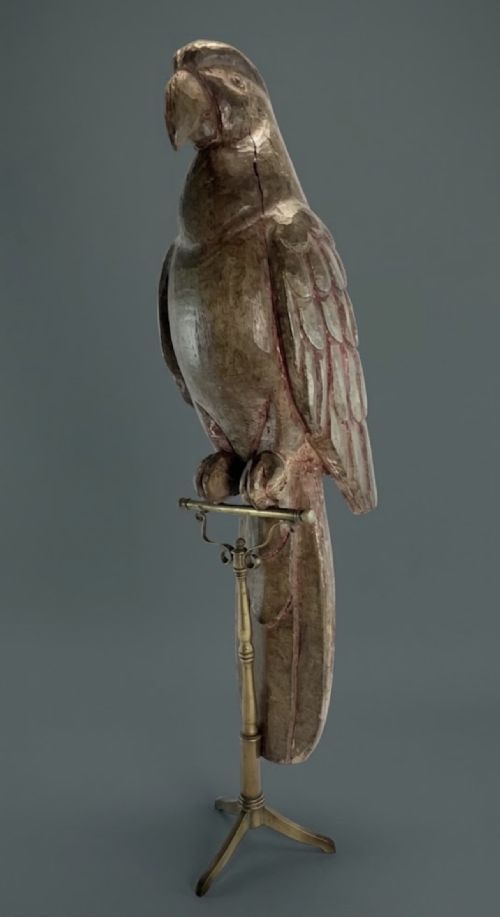
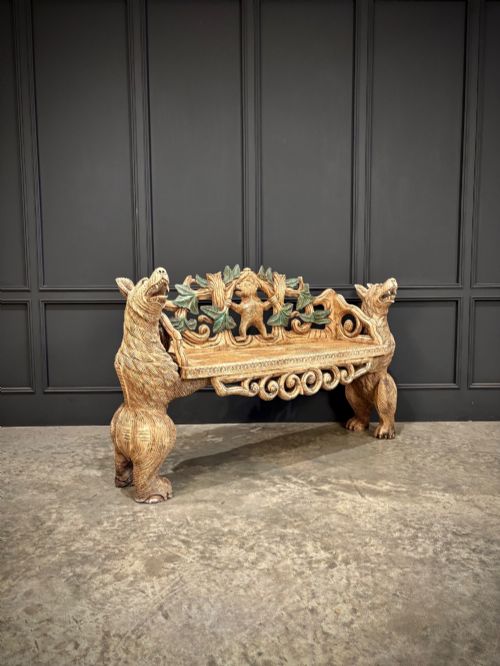
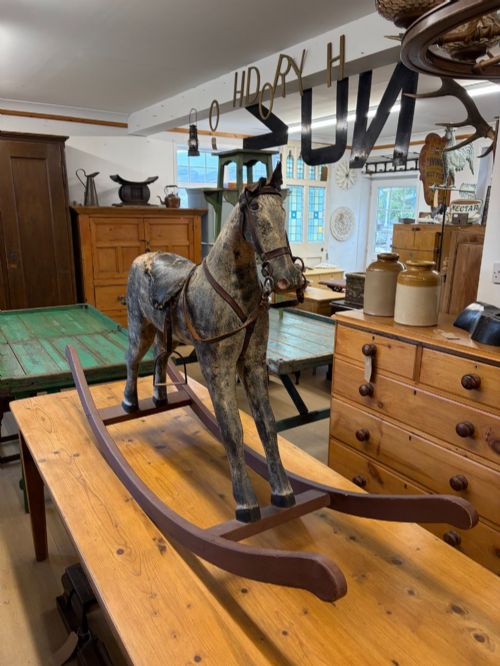
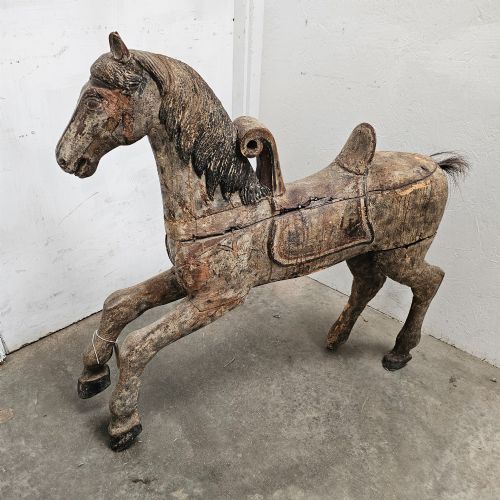
When you search for 19th century folk carving, you encounter utilitarian objects and decorative sculptures shaped by rural makers, sailors and tradesmen working outside academic traditions. The forms span practical household items like fruitwood knitting sheaths and snuff boxes to ambitious sculptural works including carousel horses, decoy ducks and Black Forest bears.
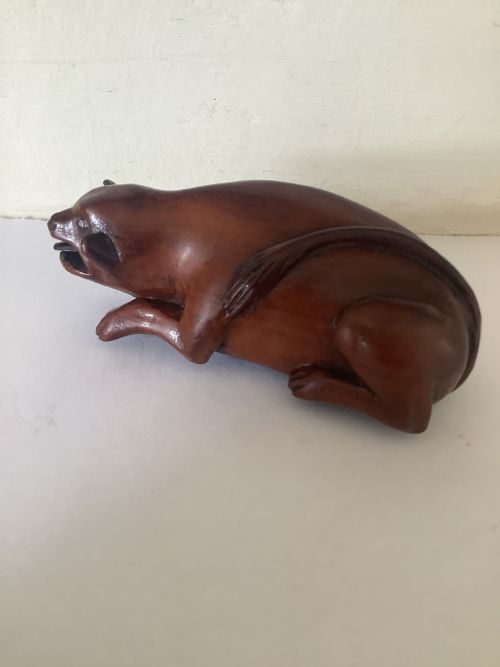
You are most likely to meet smaller treen items such as chip-carved boxes and lovespoons alongside domestic animal figures on this page. These pieces carry the straightforward utility of everyday life combined with inventive surface decoration, punchwork or incised line patterns.
Materials and methods of the carvers
Makers utilised available local woods, predominantly turning to dense fruitwoods for small personal items like knitting sheaths and snuff boxes. Hardwoods such as walnut and oak served larger sculptures, architectural clock cases and nutcrackers.
Surface treatment relied on simple hand tools for punchwork, incised lines, chip carving and bone inlay. Many examples retain traces of original paint, polychrome wax decoration or natural patination built up through decades of handling.
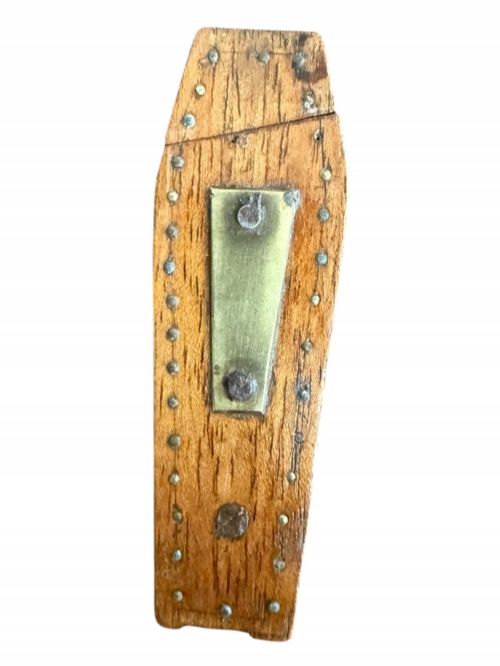
Several items double as puzzles, including a snuff coffin puzzle box designed to test the finder's wits.
Distinctions in quality and execution
The degree of anatomical confidence and expressive detail separates standard workshop production from inspired individual sculpture. A naive carving succeeds when the maker captures the essence of a bird, horse or human figure with rhythmic tool marks rather than rigid symmetry.
The survival of original surface finishes, such as polychrome paint or aged patination, distinguishes pieces kept in domestic care from those stripped or over-restored. Intricate secondary decoration like bone inlay, precise chip carving or dated inscriptions elevate utilitarian objects into significant collector pieces.
The 19th Century Folk Carving Glossary
- Treen
- Small handmade wooden objects for domestic and personal use. This category includes items like spoons, boxes, bowls and knitting sheaths.
- Knitting sheath
- A small wooden holder tucked into a belt or apron to secure a knitting needle while working. They often take imaginative forms such as shoes or animals.
- Mangle board
- A carved wooden board used in Scandinavian countries with a rolling pin to smooth linen. They typically feature a prominent carved handle shaped like a horse.
- Lovespoon
- A decorated wooden spoon carved as a token of affection or engagement. Makers often incorporated intricate cut-outs, initials, dates and chain links from a single piece of wood.
- Diorama
- A three-dimensional scene constructed with miniature figures and painted backgrounds. Examples frequently depict maritime subjects inside glazed wooden cases.
19th Century Folk Carving: Frequently Asked Questions
What is 19th century folk carving?
These items are non-standardised decorative and utilitarian objects made by rural craftsmen, sailors and domestic workers using traditional woodworking methods.
The category covers everything from miniature coconut flasks and puzzle boxes to large architectural clock cases and trade figures.
How were treen objects used?
Objects like snuff boxes, lovespoons and knitting sheaths served everyday personal and domestic functions in homes and workplaces.
Owners carried them daily or kept them in active service, which accounts for the warm handling patination found on the wood.
How do I care for wooden carvings?
Keep wooden pieces away from direct sunlight and sudden humidity changes to prevent the material from splitting or warping.
Dust them gently with a dry, soft cloth and avoid applying modern polishes that can alter the historic surface.
Are these pieces signed by makers?
Signatures are uncommon because most nineteenth-century rural carvers operated anonymously outside formal guild structures.
When maker details do appear, they usually take the form of initials, dates or specific regional motifs carved directly into the wood.