

Vintage Wooden Pot
A vintage wooden pot brings warmth and practical utility to a room through honest timber and straightforward domestic design.
Vintage Wooden Pot
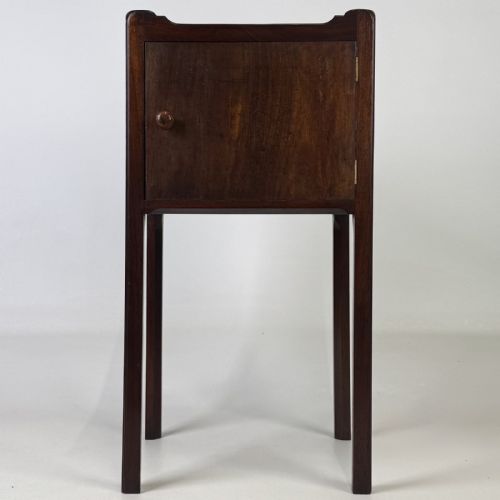
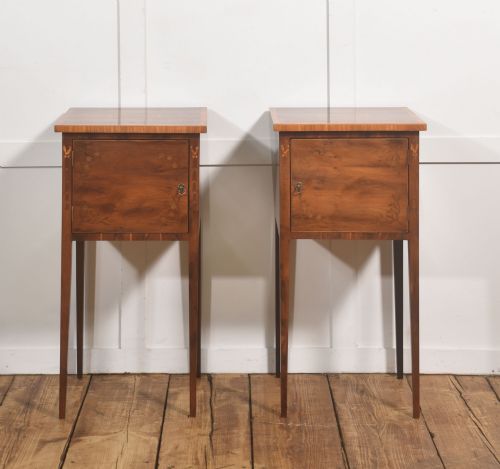
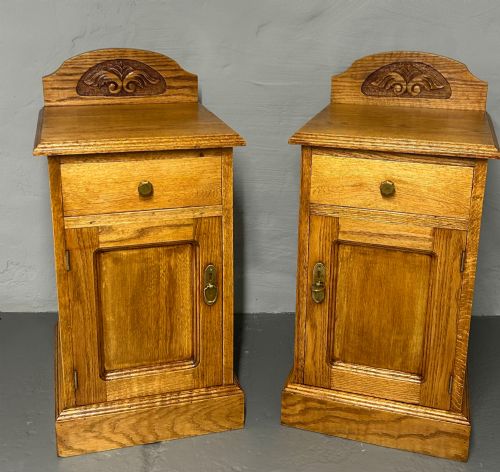
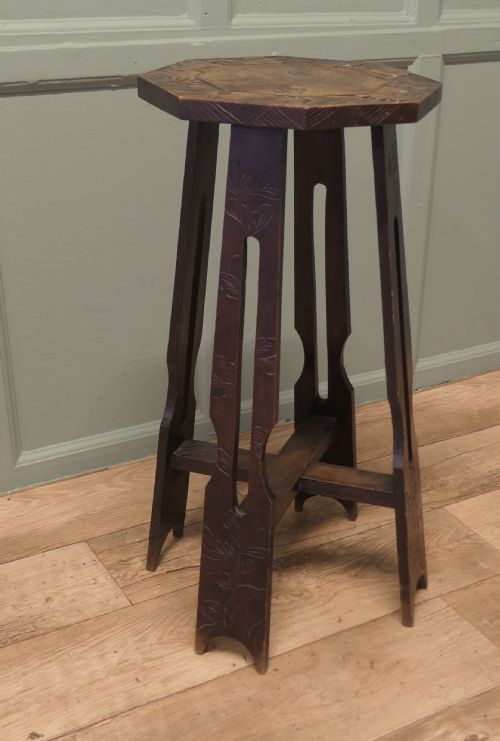
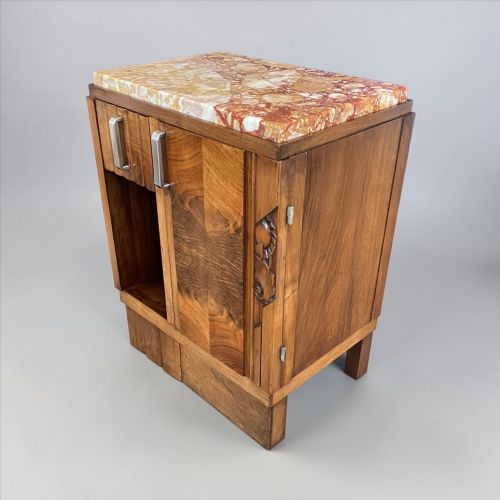
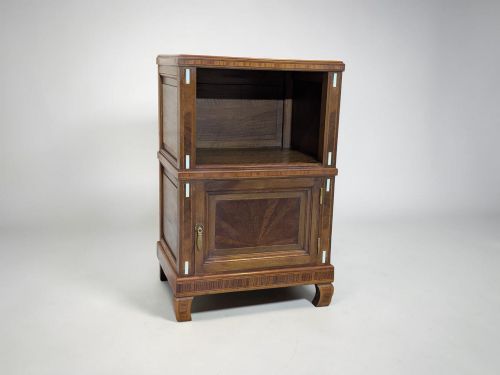
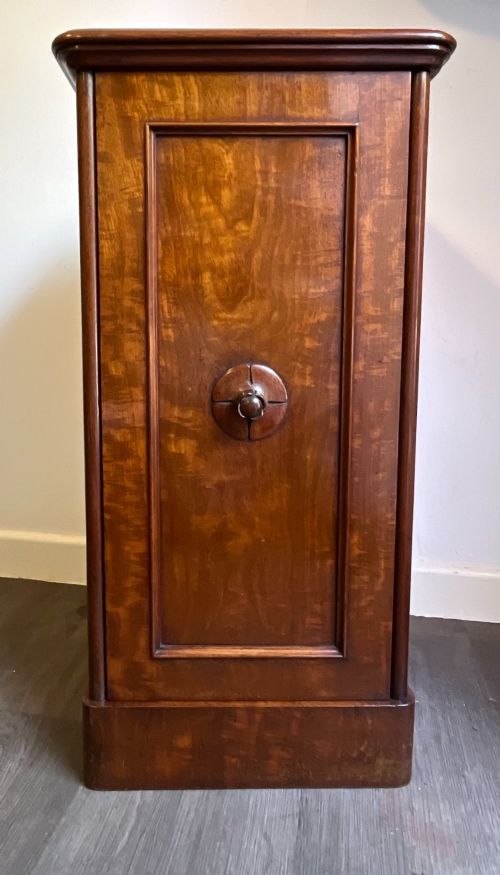
When you search for a vintage wooden pot, you encounter items designed for practical household storage, from tobacco jars and treen containers to larger bedside cupboards and plant stands. The selection spans the nineteenth century through the art deco period, taking forms such as carved elm plant stands, walnut tobacco jars, and oak bedside cabinets.
The pieces originating from the Victorian and Edwardian eras dominate the selection, often rendered in oak, mahogany, or pine. Smaller items like treen and carved boxes sit alongside functional furniture items such as pot cupboards and jardiniere stands.
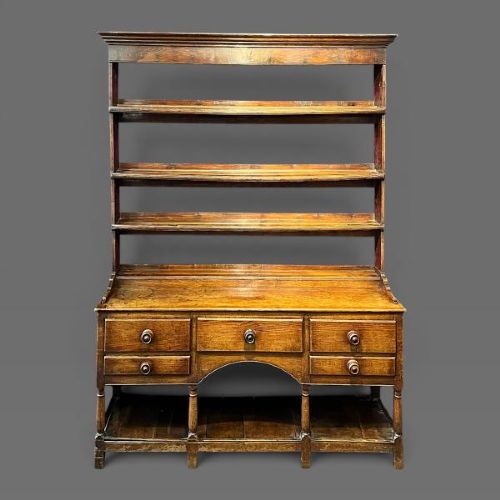
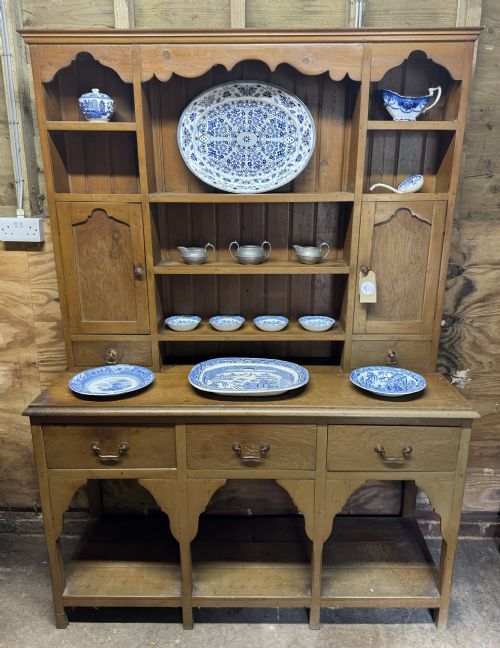
Makers and origins vary widely, including Liberty and Co pieces alongside regional vernacular items like Welsh pine dressers and French cherrywood bedside cupboards. Each object reflects the domestic habits of its period, whether used for holding tobacco, supporting plants, or storing bedside essentials.
Materials and construction
Makers relied primarily on native and imported hardwoods and softwoods, utilising oak, mahogany, walnut, pine, and elm. These timbers were selected for their grain and durability, whether polished to a fine sheen or left with an original painted finish.
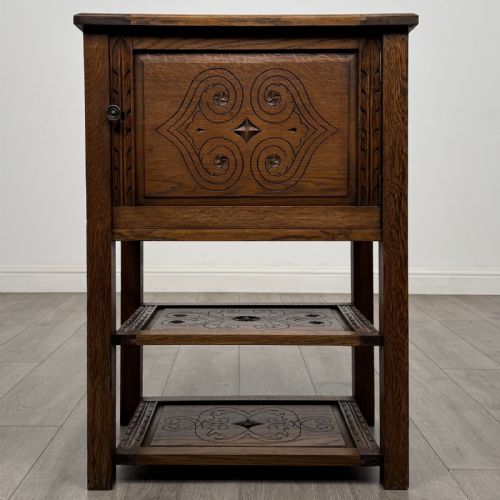
Construction techniques combined traditional joinery with decorative detailing such as boxwood inlay, marquetry, brass fittings, and naive carving. Surfaces received finishes ranging from waxed polishes to original paint and satinwood stains.
Vintage Wooden Pot Retail Price Guide 2026
Typical asking prices for vintage wooden pot among the pieces listed under this phrase on Sellingantiques today, from the lower quarter to the upper quarter. They describe what is for sale here now, not the wider market.
A Black Forest carved bear stands ready to guard your tobacco with unwavering wooden vigilance.
Quality variations
Quality rests in the integrity of the timber selection and the precision of the joinery rather than mere age. Pieces featuring well-figured burr walnut, crisp carving, or intact original paint surfaces command greater attention than heavily restored examples.
The distinction between standard domestic items and superior examples lies in subtle decorative details, such as inlaid marquetry borders, quality brass hardware, or attribution to notable workshops like Liberty and Co.
Liberty and Co
The Vintage Wooden Pot Glossary
- Treen
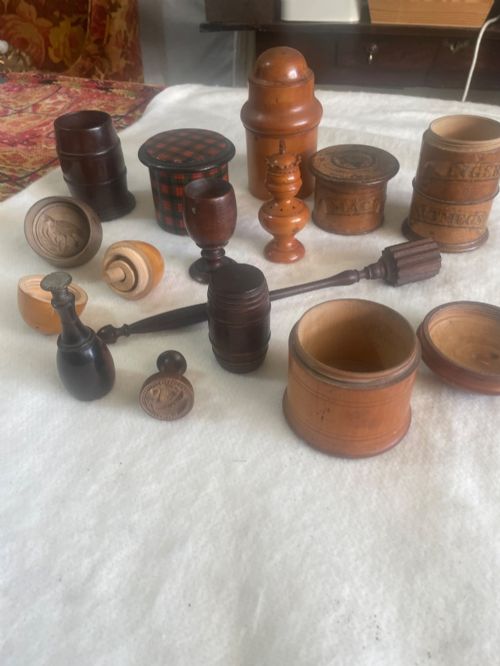
- Small handmade wooden domestic objects. These items range from utilitarian kitchenalia to carved boxes and tobacco jars.
- Jardiniere
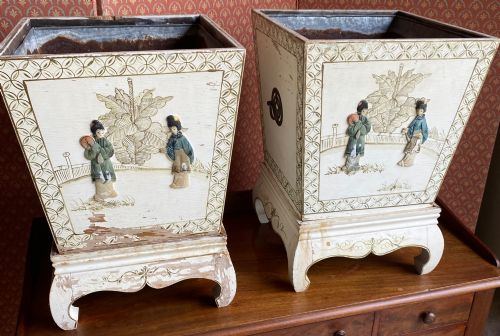
- An ornamental pot or stand for holding plants or flowers. These objects appear frequently in Edwardian and Victorian collections.
- Pot cupboard
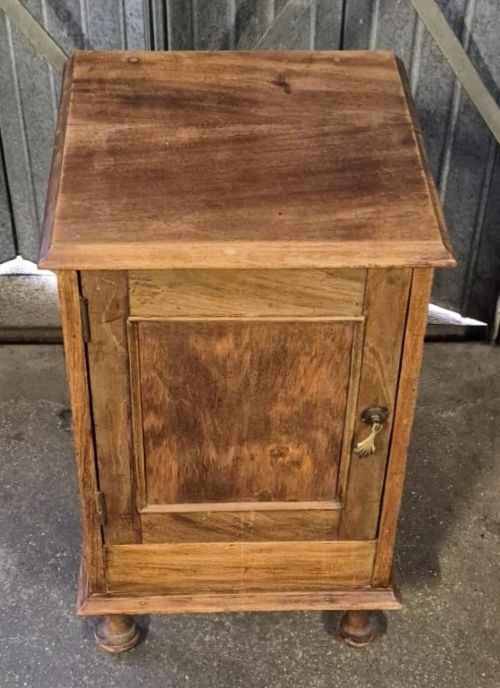
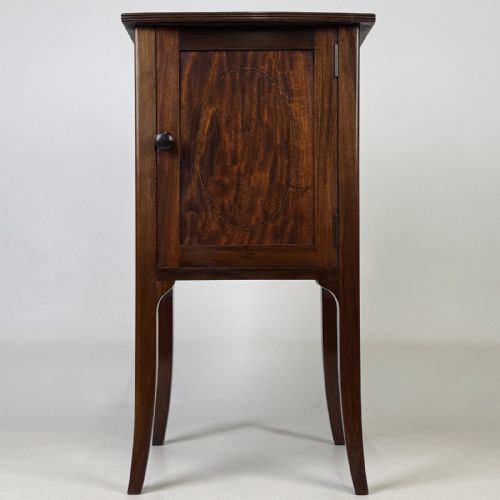
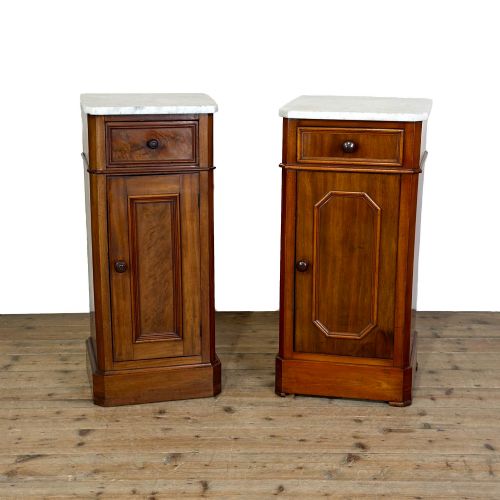
- A small bedside cabinet originally designed to house a chamber pot. They frequently feature a single door and drawer above.
- Marquetry
- Decorative veneer work arranged in pictorial or geometric patterns. Makers utilised contrasting timbers to create detailed surface designs.
- Patina
- The surface sheen and colour developed through age, use, and waxing. Original patination indicates minimal interference with the timber.
Vintage Wooden Pot: Frequently Asked Questions
What is a pot cupboard?
A pot cupboard is a small bedside cabinet designed during the Victorian and Edwardian periods to enclose a chamber pot discreetly.
Over time, these versatile pieces transitioned into standard bedside tables and lamp stands while retaining their compact proportions and enclosed storage.
How do I date a wooden plant stand?
Dating relies on observing the timber choices, construction methods, and stylistic cues such as Arts and Crafts carving or Edwardian inlay.
Earlier nineteenth-century pieces often show simpler vernacular turning, while later examples incorporate specific period motifs like brass detailing or faux bamboo.
How should I care for vintage timber?
Maintaining vintage wooden items requires protecting them from direct sunlight and sudden humidity changes to prevent the timber from splitting.
Regular applications of a traditional beeswax maintain the moisture of the wood and preserve the original surface patina.