


Vintage Wooden Mini Cabinet
These vintage wooden mini cabinet pieces offer compact storage, bringing centuries of skilled joinery and miniature form directly to your desk or tabletop.
Vintage Wooden Mini Cabinet
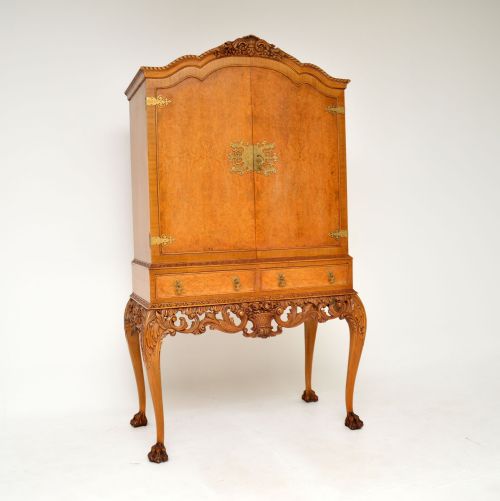
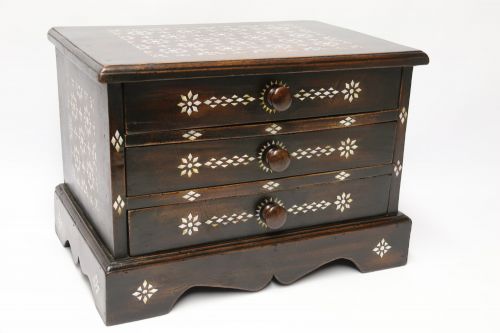
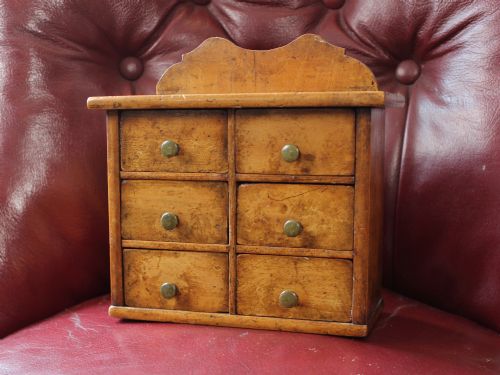
A vintage wooden mini cabinet serves collectors and admirers of small-scale furniture, providing structured storage for specimens, spices, jewellery, and small keepsakes. When you search for a vintage wooden mini cabinet, you encounter forms ranging from spice drawers and tabletop specimen cases to miniature chests and desktop cigar humidors.
The pieces listed on this page span several distinct periods, including Victorian, Edwardian, Georgian, and Regency eras, alongside items from the 1900s, 1910s, 1920s, and 1930s. Styles vary from Queen Anne Revival and Victorian Country to Anglo-Indian and Anglo-Indian Colonial designs, reflecting diverse regional tastes.
Object types on offer include collectors cabinets, spice cabinets, tabletop cabinets, miniature furniture, drinks cabinets, and collector chests. Oak and mahogany appear frequently, joined by fruitwood, burr walnut, hardwood, pine, elm, and deal.
Materials and construction methods
Cabinet makers utilised a variety of timbers such as oak, mahogany, fruitwood, burr walnut, and exotic hardwoods to construct these compact units. Selected woods provided both structural stability for small drawers and fine grain patterns for visible exterior surfaces.
Metal fittings like brass drop handles and hinges appear alongside bone details and inlaid elements. These functional and decorative additions completed the assembly of desktop collector cases, jewellery chests, and spice drawers.
Cabinet forms include spice drawers, cigar humidors, jewellery chests, and tabletop specimen cases showcasing Anglo-Indian and Queen Anne Revival styles.
Distinctions in quality and execution
The standard of a vintage wooden mini cabinet rests on the precision of its joinery and the selection of its timber. Finer examples display carefully matched wood grains, such as burr walnut or figured mahogany, integrated smoothly into miniature proportions.
Hardware selection and decorative inlay further separate standard utility pieces from higher quality specimens. Original brass handles, precise dovetail joints, and well-fitted internal drawers demonstrate superior workshop practice.
The Vintage Wooden Mini Cabinet Glossary
- Specimen case
- A small cabinet or chest designed to hold natural history specimens, coins, or small collectibles in shallow drawers. These cases often feature glass or panelled doors.
- Spice cabinet
- A compact kitchen or pantry unit containing multiple small drawers for storing culinary spices and herbs. They frequently appear in woods such as pine, oak, or fruitwood.
- Dovetail joint
- A traditional woodworking joint characterised by interlocking wedge-shaped fingers. It provides exceptional tensile strength for drawer construction in antique furniture.
- Tabletop cabinet
- A miniature piece of furniture proportioned to sit upon a desk, table, or sideboard rather than stand on the floor. These items served various organisational purposes in domestic and office settings.
Vintage Wooden Mini Cabinet: Frequently Asked Questions
What were vintage wooden mini cabinets used for?
These compact pieces served a variety of domestic and professional storage needs. Owners used them to organise precious specimens, kitchen spices, jewellery, and personal correspondence.
Their small scale made them suitable for desktop use in studies, libraries, and parlours. They provided secure, orderly storage for items requiring careful handling.
How do I date a wooden mini cabinet?
Dating relies on observing timber choices, construction techniques, and stylistic markers. Pieces from the Georgian and Regency periods often feature specific mouldings and cabinet proportions distinct from later Victorian or Edwardian examples.
Hardware styles, such as brass drop handles, and secondary woods inside the drawers also offer clues to the era of manufacture.
How should I clean a wooden mini cabinet?
Maintenance involves gentle dusting with a soft, dry cloth to protect the timber surface and any applied polish. Avoid harsh chemical cleaners and excessive moisture, which can damage old wood and metal fittings.
Applying a traditional beeswax polish occasionally helps nourish older hardwoods like mahogany, oak, and burr walnut.
Where should I place a mini cabinet at home?
These versatile items sit comfortably on top of larger furniture pieces, such as sideboards, desks, and chests of drawers. Their compact dimensions allow them to function effectively in rooms with limited floor space.
Keep them away from direct sunlight and heat sources to prevent the timber from warping or splitting over time.