

Vintage Wooden Games
These vintage wooden games bring traditional parlour and lawn pastimes into modern homes with tactile materials and historic craftsmanship.
Vintage Wooden Games
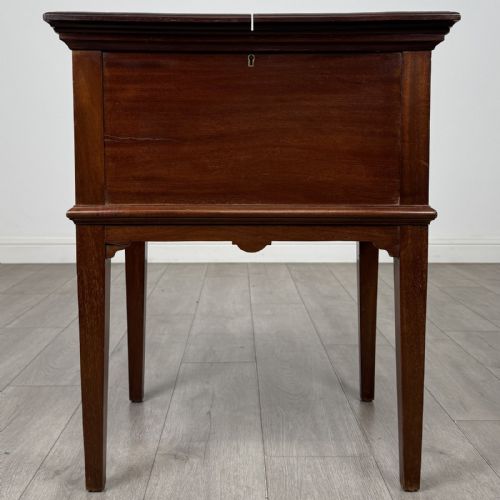
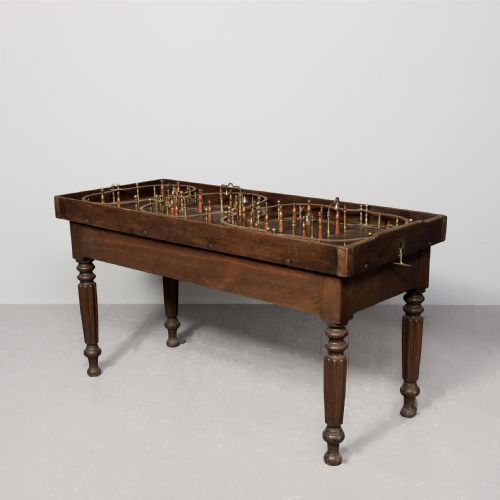
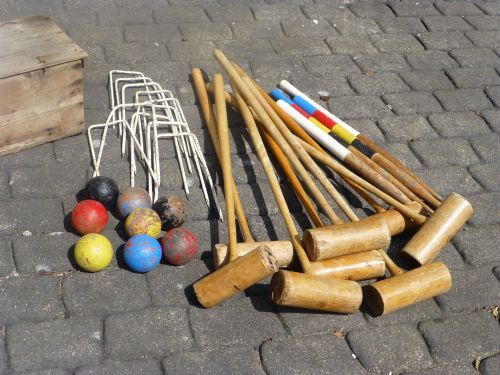
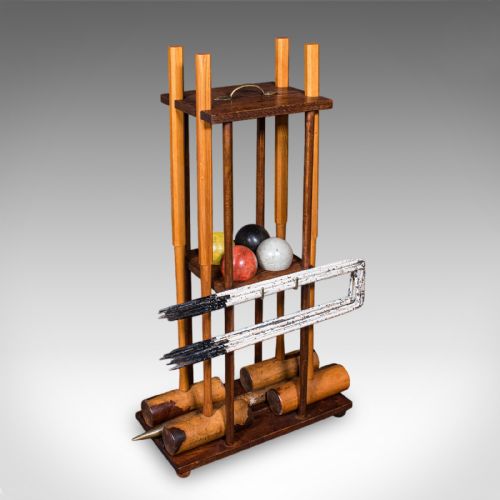
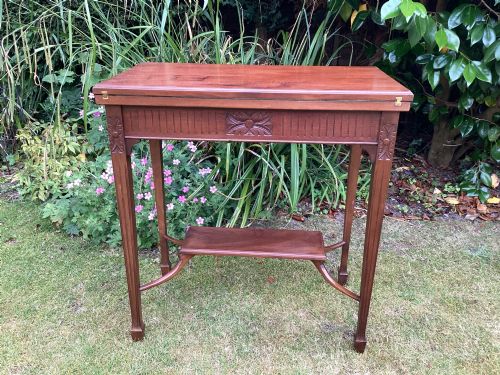
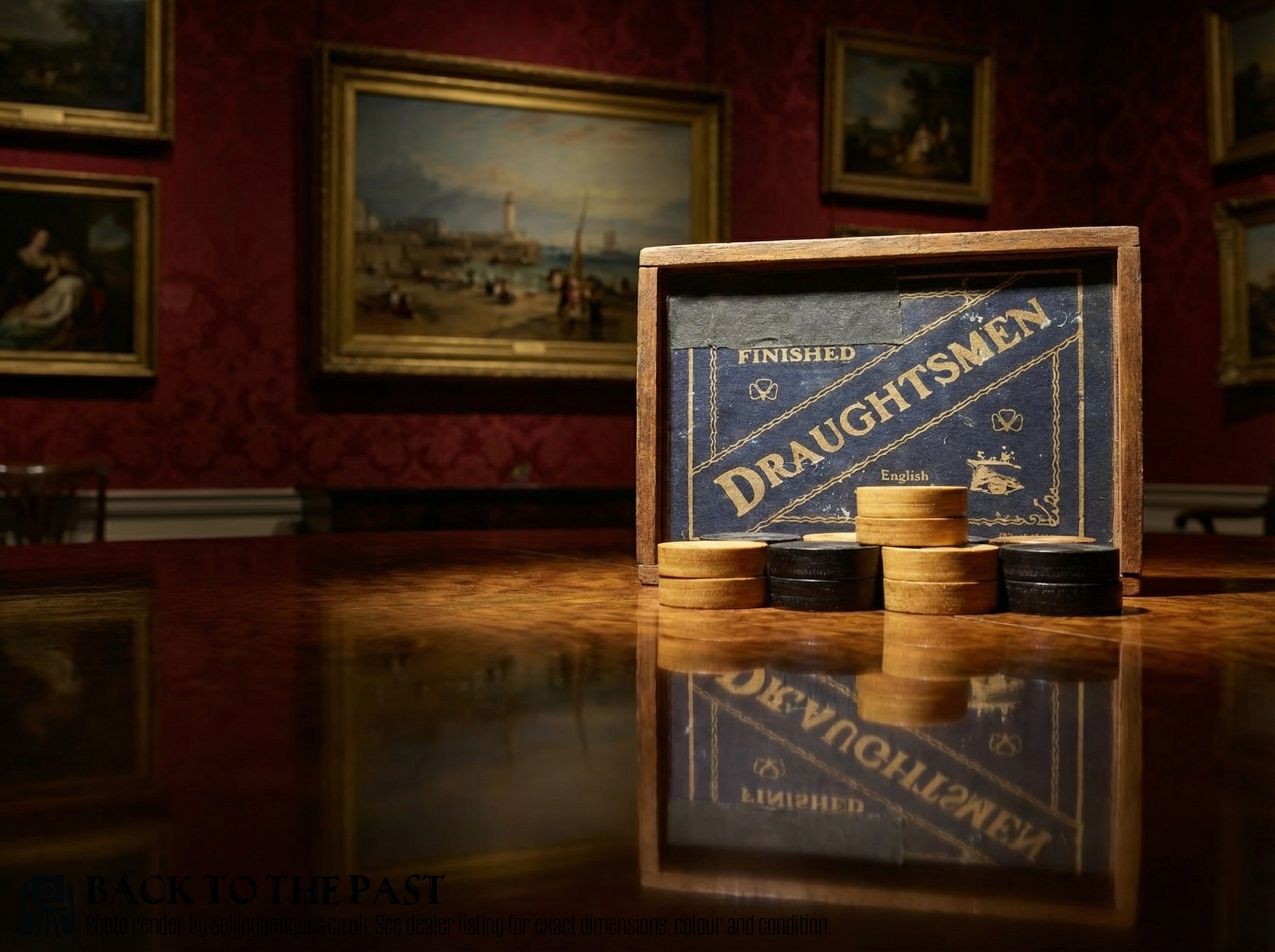
Vintage wooden games encompass a diverse array of antique pastimes, ranging from nineteenth century lawn croquet sets housed in original pine boxes to folding mahogany card tables and intricate chess sets. These objects reflect the leisure habits of past eras, designed for both rigorous outdoor play and sophisticated indoor parlour entertainment.
The origin of these items spans British workshops, French provincial makers, and specialised manufacturers, resulting in distinctive regional variations in construction. Whether selecting a portable bone domino set or a substantial revolving cue stand, each object serves as a tangible link to historical domestic recreation.
Materials and construction methods
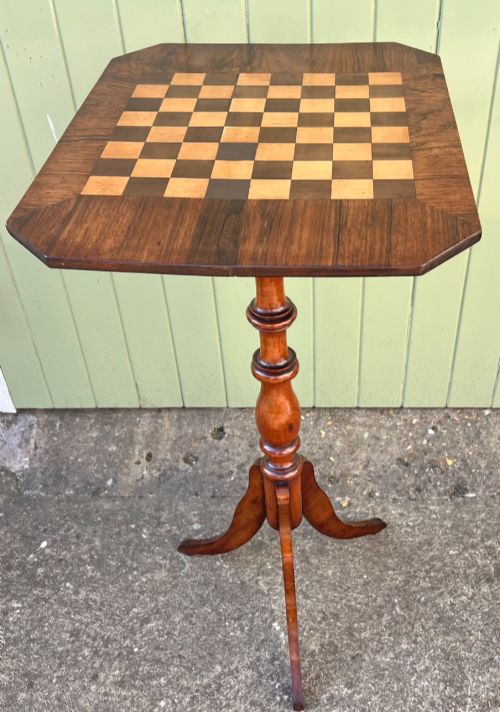
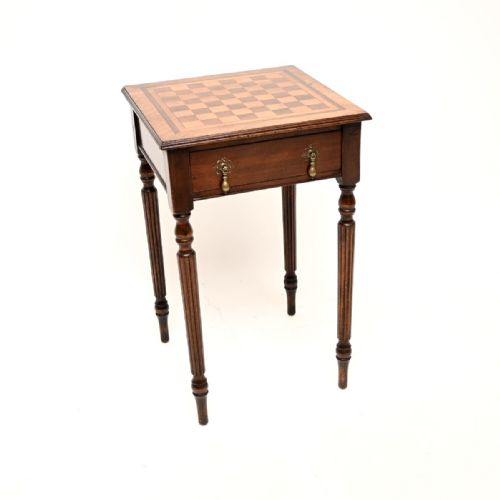
Makers relied heavily on dense hardwoods such as mahogany, walnut, oak, and beech to ensure the longevity of items subject to frequent handling and physical play. Inlay work frequently incorporated satinwood, kingwood, and rosewood to delineate playing surfaces on tables and decorative boxes.
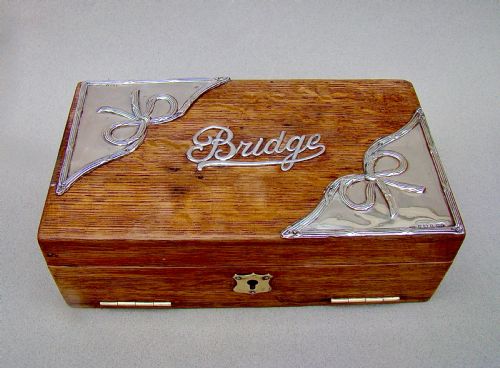
Turned components, including chess pieces, skittles, and carpet bowls, demonstrate traditional lathe work, often pairing boxwood with ebonised woods or contrasting natural grains. Metal elements such as brass hinges, locks, and silver mounts reinforced structural joints and secured fitted interiors in portable sets.
The listings feature diverse wooden materials including mahogany, rosewood, oak, boxwood, and beech across the nineteenth and early twentieth centuries.
Factors determining quality
Superiority in these objects rests upon the precision of the joinery and the selection of timber, where tightly figured grains and solid construction elevate a piece above standard utility items. Hand-carved details, such as those found on Black Forest game blocks or fitted cabinets, display the artisan's individual skill rather than mass production.
Completeness significantly dictates the standing of a set, particularly when original boxes, fitted compartments, and full complements of counters or dice remain intact. The presence of authentic maker markings or original packaging preserves the historical integrity of the piece for collectors.
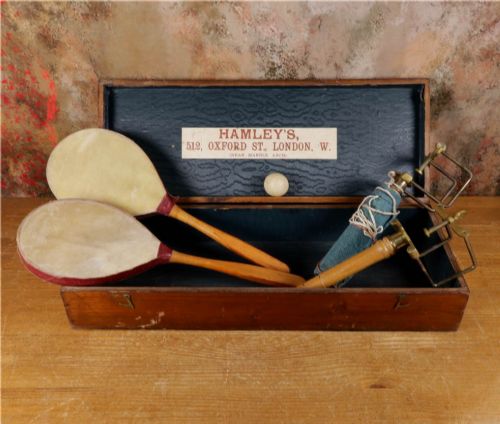
Jaques·Hamleys·Slazenger·Levi & Salaman
The Vintage Wooden Games Glossary
- Compendium
- A multi-game box containing equipment for several pastimes such as chess, backgammon, and cards. These fitted wooden cases often feature multiple tiers and folding boards.
- Staunton
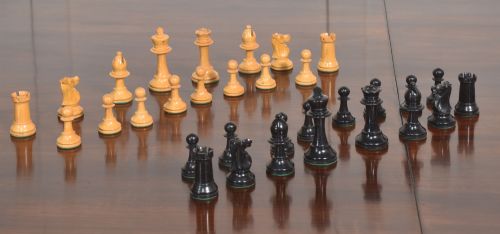
- A standardised design of chess pieces introduced in the mid-nineteenth century, characterised by heavily weighted pieces with distinct, recognizable forms. This style remains the standard for tournament play.
- Tantalus
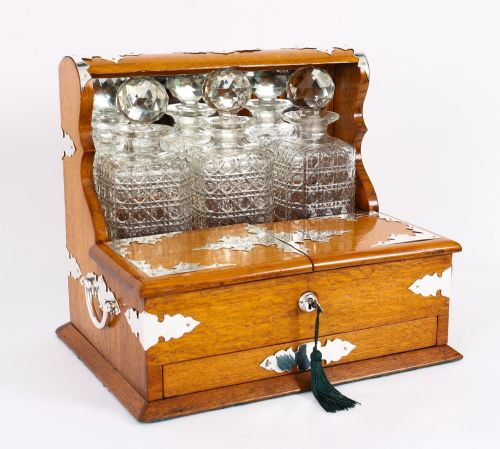
- A locking beverage cabinet that restrains decanters behind a wooden bar to prevent unauthorized access. They are frequently incorporated into luxury nineteenth-century games compendiums.
- Trumeau
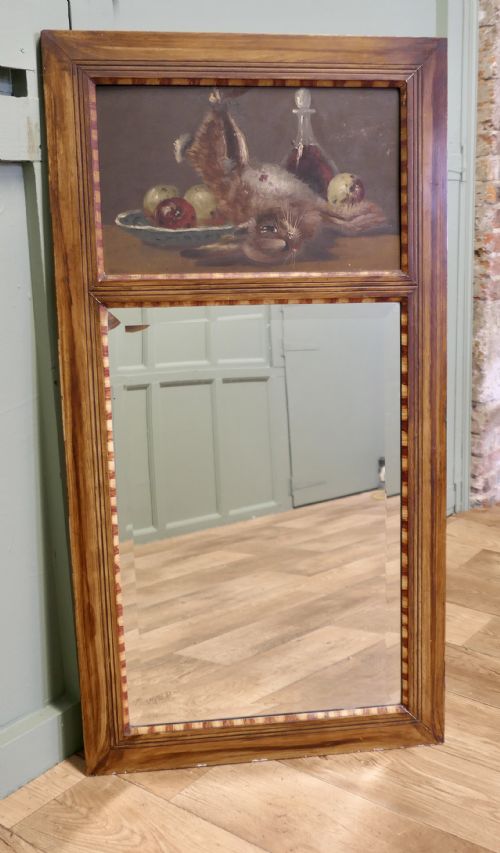
- An architectural pier mirror or decorative wall panel, often featuring painted or carved woodwork. They originate from French interiors of the period.
- Teettotum
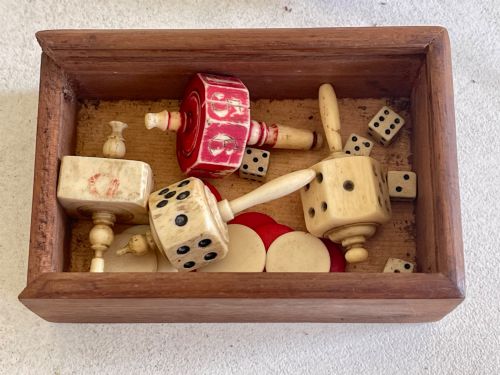
- A multi-sided spinning top used in gambling and board games as a substitute for dice. Historic examples are often hand-carved from bone.
Vintage Wooden Games: Frequently Asked Questions
How are antique chess sets identified?
Antique chess sets are typically evaluated by the carving style of the pieces, such as the standardised proportions of Staunton sets or the intricate hand-turned details of older regional designs. Materials like boxwood, ebony, and bone provide further clues to the period of manufacture.
Inspect the bases of the pieces for lead weighting or felt lining, which evolved significantly between the nineteenth and early twentieth centuries. Original fitted wooden boxes or mahogany tables housing the set also help confirm its age and origin.
What is a games compendium?
A games compendium is a portable wooden box or chest designed to hold the equipment for multiple tabletop pastimes, such as chess, checkers, dominoes, and cards. These versatile sets became immensely popular during the Victorian and Edwardian eras for domestic entertainment.
Inside, you will find folding boards, specialised trays, and compartments lined to secure each component safely. They range from modest pine boxes to elaborate cabinets veneered in rosewood or mahogany with brass hardware.
How do you care for wooden games?
Wooden game pieces and boards require stable environmental conditions with minimal fluctuations in humidity to prevent the timber from warping or splitting. Regular, gentle dusting with a soft, dry cloth preserves the polished finish without harming antique surfaces.
Avoid applying modern chemical polishes or placing wooden items in direct sunlight. Natural wax can be applied sparingly to nourish older hardwoods like oak and walnut and maintain their natural sheen.
Are old croquet sets usable?
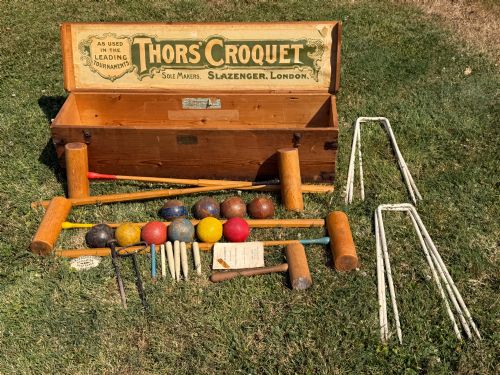
Many vintage lawn croquet sets from the nineteenth and early twentieth centuries remain structurally sound enough for occasional gentle play on modern lawns. The durability of dense woods like pine and boxwood allows these historic sets to function centuries after their manufacture.
Care should be taken to store wooden mallets and balls indoors away from damp conditions to protect their original painted stripes and turned profiles. Completeness of the set, including the original storage box, often dictates whether an owner chooses to use or display the items.