


Vintage Wooden Games Box
A vintage wooden games box holds the parlor past, offering fitted compartments for chess, cards, and dice.
Vintage Wooden Games Box
A vintage wooden games box encompasses fitted containers, compendiums, and cabinet pieces designed to hold parlour amusements like chess, backgammon, and dominoes. These items date from the Victorian, Edwardian, and Regency eras, reflecting the domestic leisure habits of the nineteenth and early twentieth centuries.
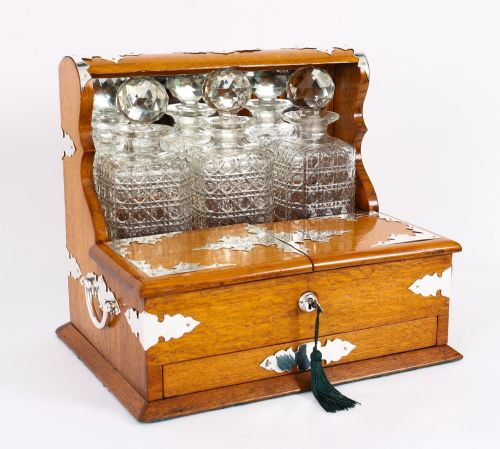
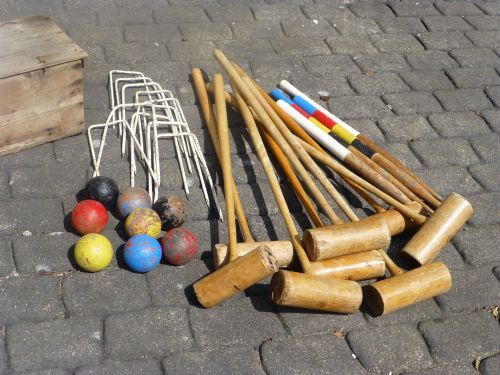
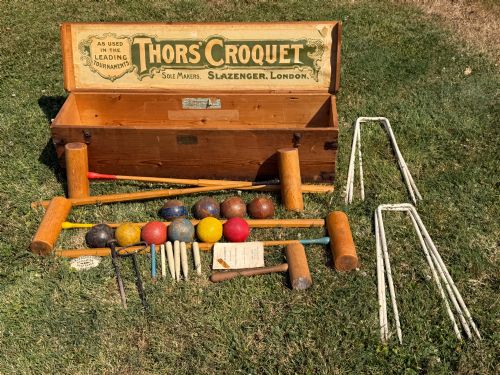
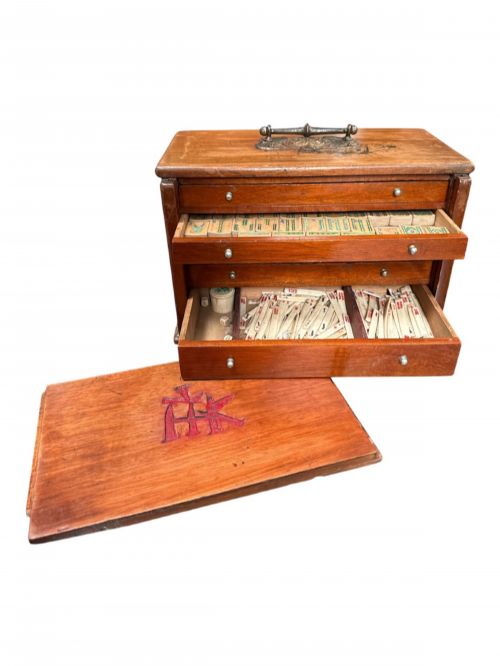
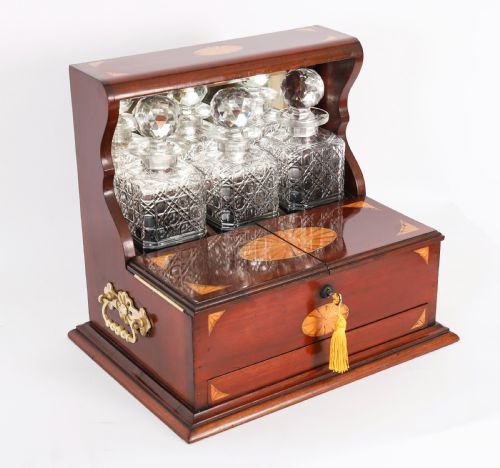
The selections span from simple mahogany cribbage containers and satinwood inlaid cases to large oak and burr walnut compendiums equipped with decanters and drinking glasses. Collectors also encounter specialised pine boxes housing croquet sets alongside Chinese fitted cabinets holding mahjong tiles.
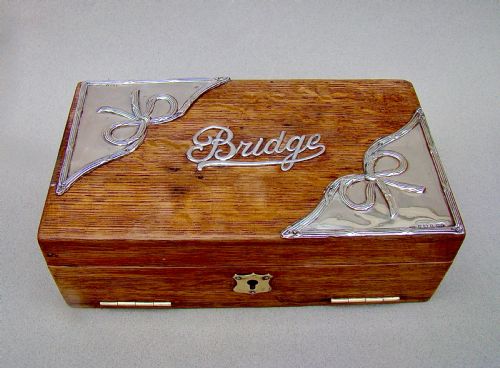
On this page, buyers frequently meet nineteenth-century and early twentieth-century examples rendered in hardwoods, often incorporating brass mounts and internal trays designed to organise cards, counters, and playing pieces.
Materials and construction methods
Carpenters utilised native and exotic timbers such as mahogany, oak, satinwood, burr walnut, and rosewood, constructing sturdy carcasses joined to withstand regular domestic handling. Surfaces frequently display contrasting stringing, parquetry inlay, or carved relief work.
Internal compartments, sliding lids, and lift-out trays utilise secondary softwoods and paper linings, while brass hinges, locks, and corner brackets provide structural reinforcement and secure closure for travel.
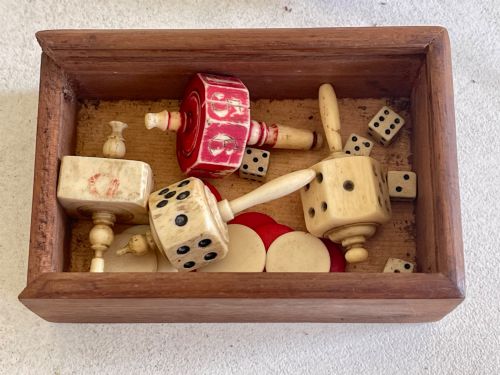
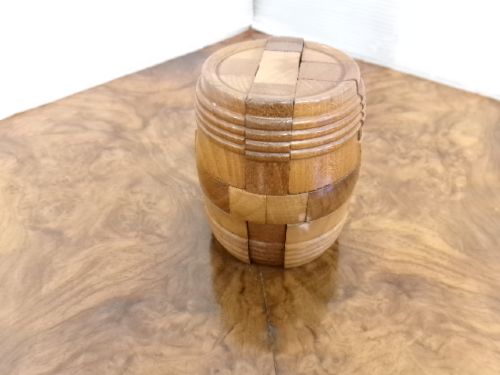
Some nineteenth-century games boxes hide secrets like wooden barrel puzzles and tiny bone teetotums used for gambling.
Markers of construction and design
Superior examples distinguish themselves through the selection of highly figured timber veneers, precise parquetry joinery, and heavy cast brass hardware rather than stamped sheet metal. The complexity of the internal architecture - such as multi-tiered lifting trays and dedicated slots for distinct components - signals higher workshop standards.
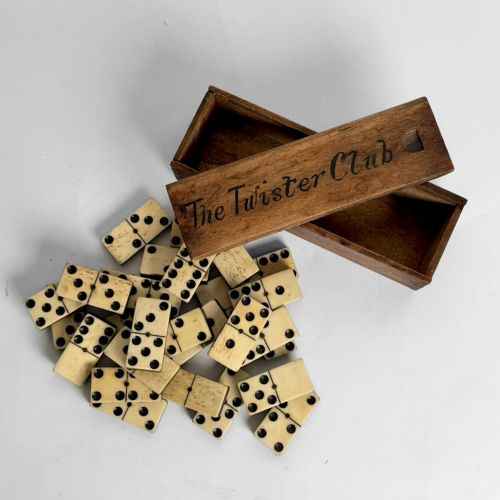
The degree of original completeness heavily influences an assessment, particularly when internal game pieces like bone dominoes, boxwood chess sets, or crystal decanters remain intact within their designated slots.
Jaques And Hamleys·Levi And Salaman·Slazenger·F H Ayres Ltd·British Chess Company
The Vintage Wooden Games Box Glossary
- Compendium
- A multi-game box housing equipment for several different pastimes in one fitted case. These items typically include boards and pieces for chess, draughts, and backgammon alongside cribbage boards and card decks.
- Tantalus
- A locking beverage frame holding decanters visible to the eye but restrained from removal without a key. They appear frequently combined into the upper sections of larger games compendiums.
- Parquetry
- Geometric mosaic woodwork formed by fitting small veneer triangles and strips together. This technique decorates the exterior lids of Regency and Victorian gaming cases.
- Staunton
- A standardised pattern of chess pieces designed in the mid-nineteenth century featuring distinct, recognizable head forms and weighted bases. Ayres and the British Chess Company produced notable examples.
- Cribbage
- A card game played with a score tracked along a pegged wooden board. Dedicated boxes for this pastime usually feature sliding lids and internal storage for pegs and cards.
Vintage Wooden Games Box: Frequently Asked Questions
What games fit inside these boxes?
These boxes typically contain equipment for traditional parlor pursuits, including chess, backgammon, draughts, dominoes, and card games like cribbage or bridge. Larger compendiums combine multiple boards and complete sets of playing pieces within a single carcass.
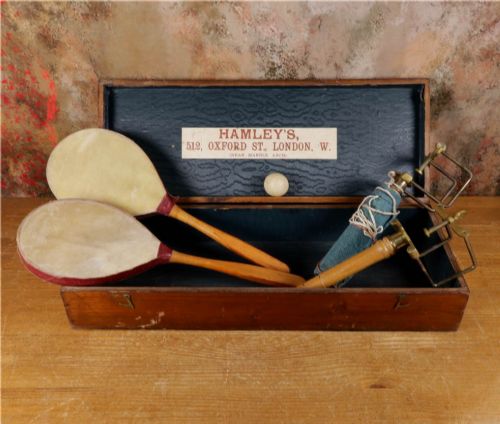
More specialised containers house outdoor lawn games such as croquet, alongside table tennis sets or imported mahjong tiles arranged in fitted wooden cabinetry.
How do I date a wooden games box?
Dating relies upon timber selection, hardware styles, and construction techniques characteristic of specific periods like the Regency, Victorian, or Edwardian eras. Mahogany and rosewood frequently indicate nineteenth-century production, while lighter oak and specific brass mounts often point toward the early twentieth century.
Original paper instructions, maker stamps, or dated hallmarks on accompanying silver mounts provide the most precise chronological markers for individual items.
Were these boxes used for travel?
Many examples incorporate compact dimensions, secure brass locks, and internal nesting compartments specifically designed for travel and country house visits. Folding boards and captive pieces allowed players to continue matches while on the move.
Larger stationary compendiums remained in drawing rooms as permanent fixtures, housing extensive collections of games for family entertainment.
How should I care for the wood?
Maintenance requires keeping wooden surfaces away from direct sunlight and maintaining stable indoor humidity to prevent veneer splitting or timber shrinkage. Gentle dusting with a dry cloth preserves the polished finish.
Applying occasional specialist wax helps nourish hardwoods like mahogany and walnut without building up sticky residues on inlaid parquetry patterns.