

Vintage Wooden Desk Chair
A vintage wooden desk chair brings structural warmth and practical seating to a study, built from enduring timbers like elm, oak and mahogany.

Vintage Wooden Desk Chair
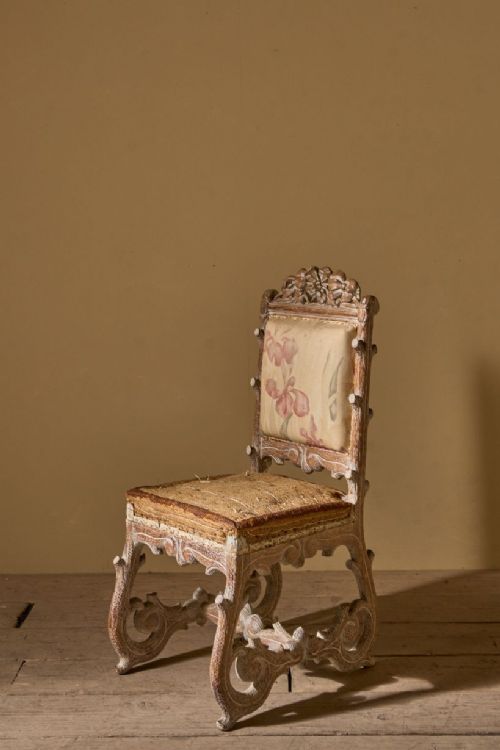
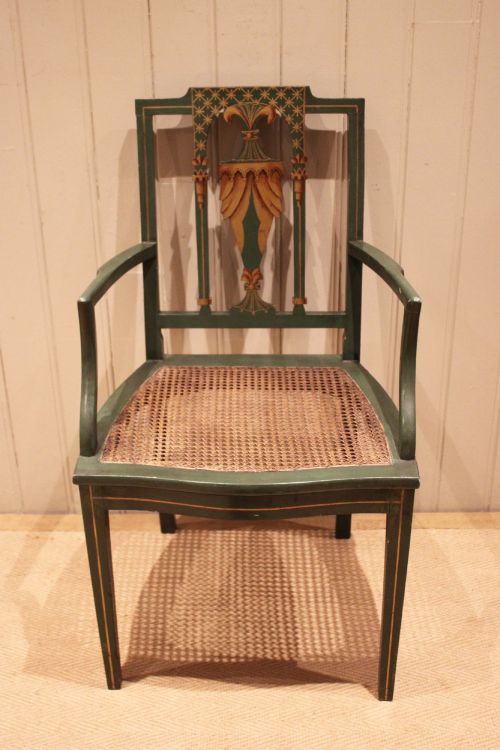
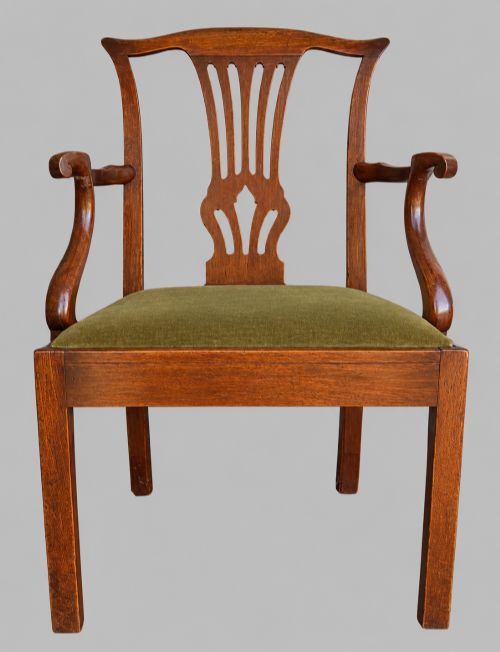
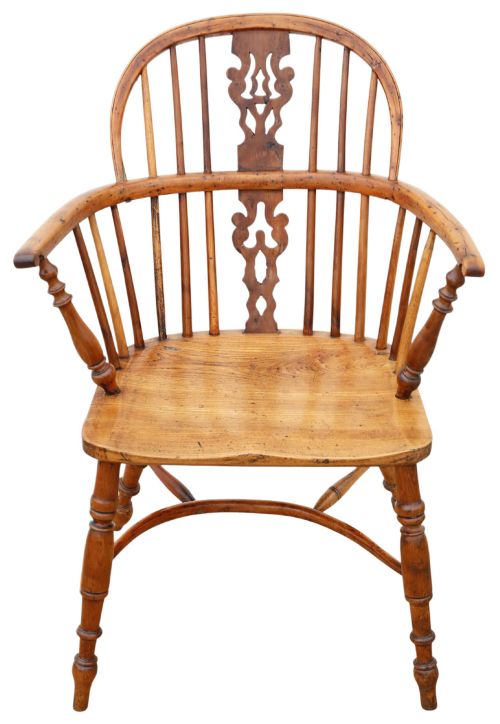
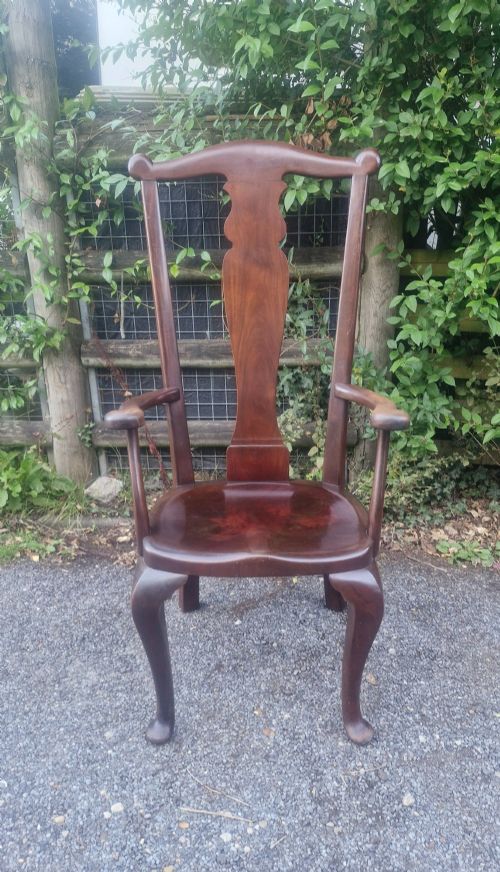
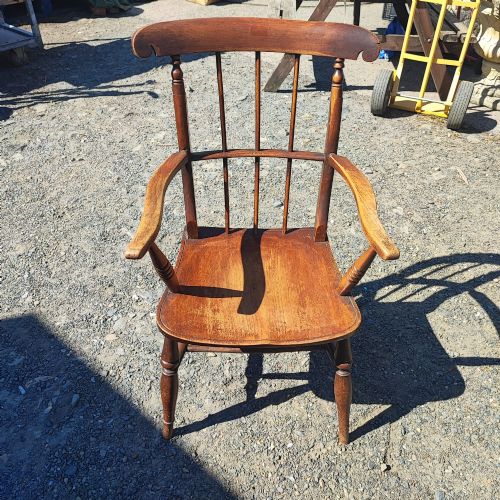
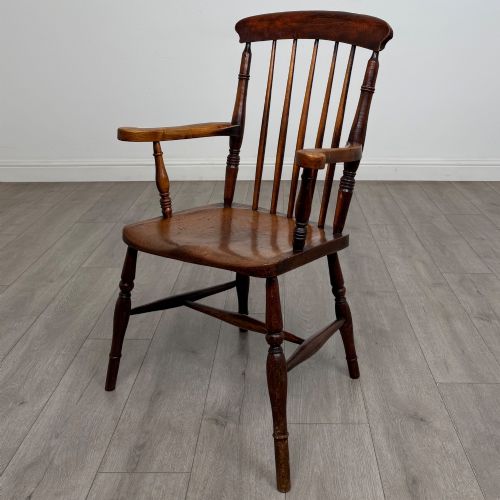
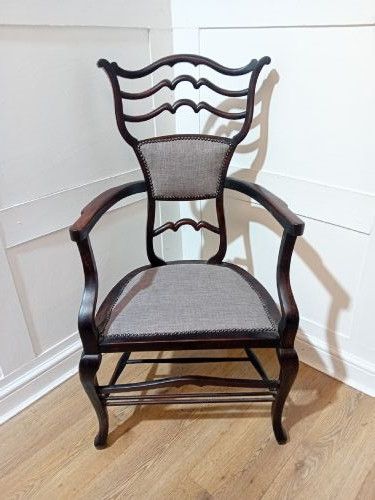
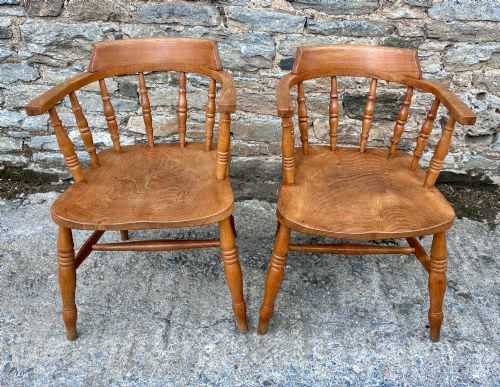
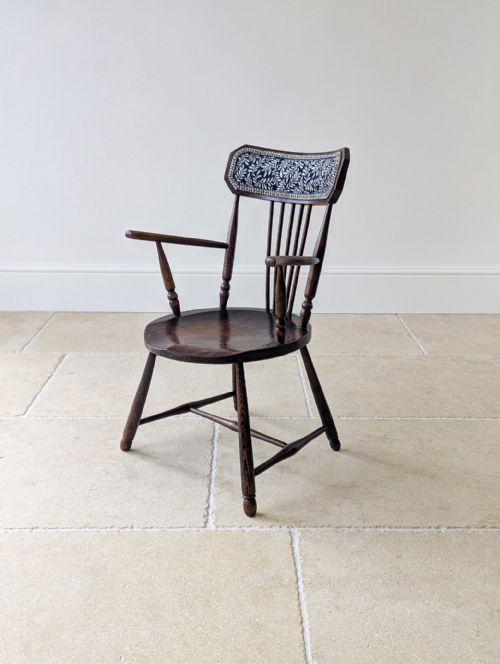
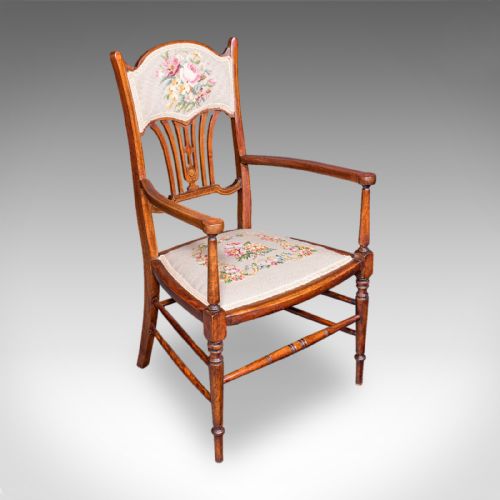
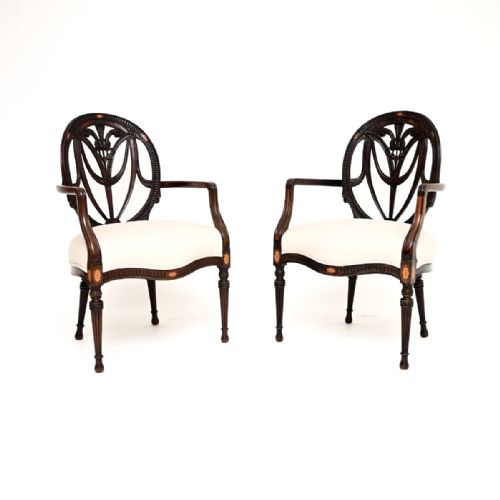
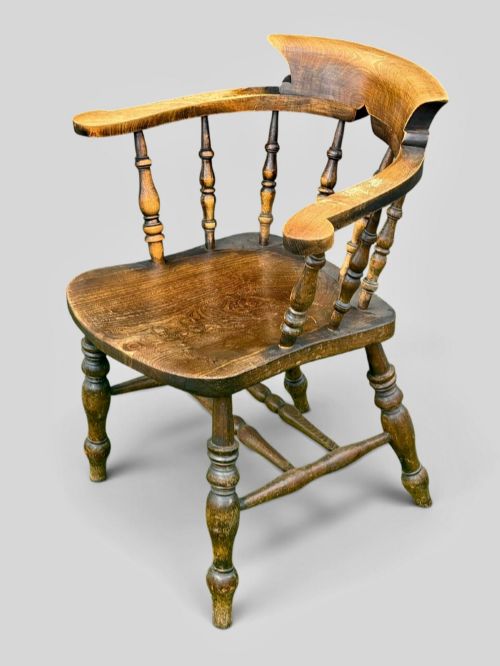
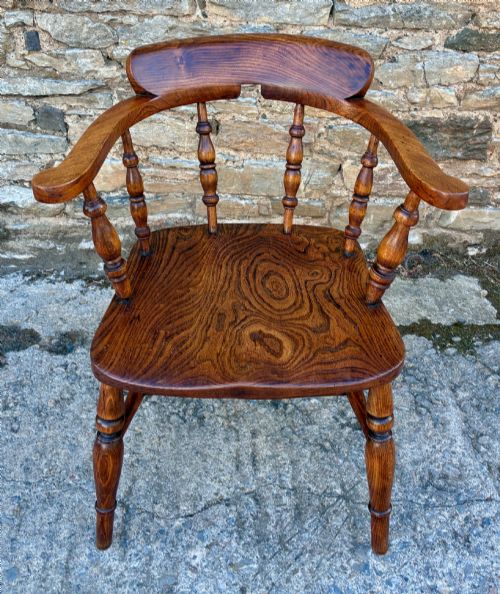
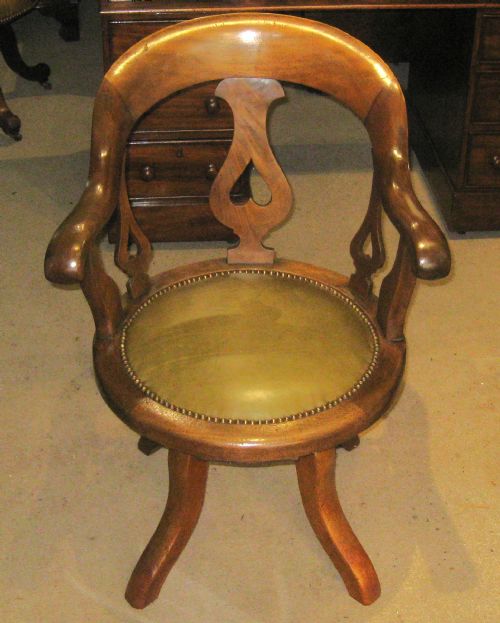
A vintage wooden desk chair encompasses utilitarian seating designed for working, writing and study, drawing heavily on traditional English country and formal cabinet-making traditions. Buyers seeking a vintage wooden desk chair will encounter robust Windsor forms, revolving office seats and solid mahogany elbow chairs originating across the nineteenth and early twentieth centuries.
The selection ranges from vernacular stick-back and captain's chairs shaped from elm, ash and beech to refined mahogany and walnut framing influenced by Georgian, Victorian and Edwardian design. These pieces reflect regional vernacular construction alongside formal period aesthetics adapted for daily workspace utility.
Materials and construction
Makers utilised contrasting timbers for structural integrity, frequently pairing resilient elm seats with bent ash or yew for spindles and hooped backs. Hardwoods such as mahogany, oak and beech formed rigid frames, elbow supports and revolving mechanisms.
Joinery relied on traditional methods including turned spindles, pegged joints and steam-bent components designed to endure continuous daily use in offices, libraries and domestic studies.
Vintage Wooden Desk Chair Retail Price Guide 2026
Typical asking prices for vintage wooden desk chair among the pieces listed under this phrase on Sellingantiques today, from the lower quarter to the upper quarter. They describe what is for sale here now, not the wider market.
Listings feature structural timbers including elm, oak, mahogany, beech, ash and yew wood across various periods.
Quality and proportion
Distinction across the range rests on timber selection, the harmony of proportion and the integrity of the original construction. Selected grain patterns in yew and elm elevate vernacular forms, whilst precise cabinet-making defines formal mahogany pieces.
Patina built through decades of handling separates honest survivors from heavily restored examples. The balance between ergonomic comfort and structural solidity governs the standing of each individual seat.
Edward Barnsley·Gabbitass Worksop·J Spencer
The Vintage Wooden Desk Chair Glossary
- Windsor chair
- A timber seat constructed with a solid elm saddle seat into which turned legs and a back of spindles are wedged directly. This vernacular form developed significant regional variations across England.
- Captains chair
- A low-backed wooden armchair designed for comfortable rotation or stationary desk work. These sturdy seats typically feature curved continuous armrests supported by spindles.
- Elbow chair
- An armchair designed with shortened arms that allow the seat to be drawn close to a desk or dining table. They appear in both vernacular country woods and formal mahogany styles.
- Carver
- A traditional term for an armchair that matches a set of smaller side chairs. These pieces often anchor the ends of a table or serve independently at a writing desk.
Vintage Wooden Desk Chair: Frequently Asked Questions
How do I date a wooden desk chair?
Dating relies on identifying timber combinations, tool marks and structural evolution. Early pieces utilise pegged tenons and native woods like unrefined elm, whilst later nineteenth-century examples often incorporate factory-turned components and swivel mechanisms.
Examining the wear patterns around the footrests and seat edges provides further clues to age. Comparing the joinery style against documented regional vernacular traditions helps narrow down the decade of manufacture.
Are these chairs comfortable for daily work?
Many traditional designs feature saddled wooden seats carved to fit the body, offering surprising support during long hours at a desk. Swivel variations and high-backed Windsor forms were specifically engineered for upright working postures.
Modern users often pair them with a small loose leather cushion for added softness without compromising the historic profile. The ergonomic value lies in the supportive curve of the spindle back and sturdy armrests.
How should I care for a vintage wooden chair?
Maintain the timber by applying a traditional beeswax polish sparingly to nourish the grain and protect the historic patina. Avoid placing the chair near direct heat sources or rapid temperature shifts that can cause timber to split.
Regular dusting with a soft dry cloth prevents particulate build-up. Periodic checks of the undercarriage wedges and joints ensure the frame remains stable during regular use.