




Vintage Wooden Corbel
These vintage wooden corbel pieces are solid architectural supports and carved shelf brackets built to carry weight and frame a room.
Vintage Wooden Corbel
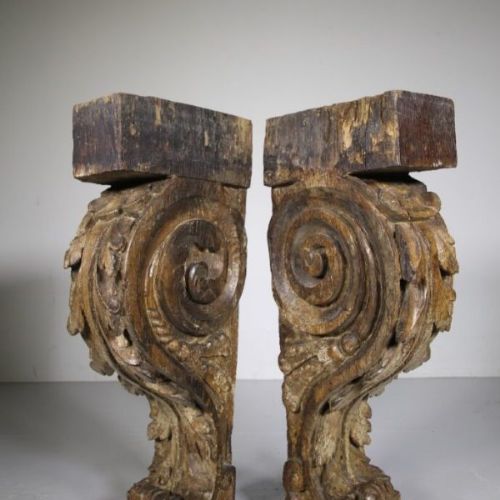
A vintage wooden corbel encompasses structural wall brackets, architectural salvage, and carved shelf supports sourced from buildings across multiple centuries. Buyers searching for a vintage wooden corbel will find items ranging from large Georgian oak supports to smaller Victorian walnut and gilt pieces.
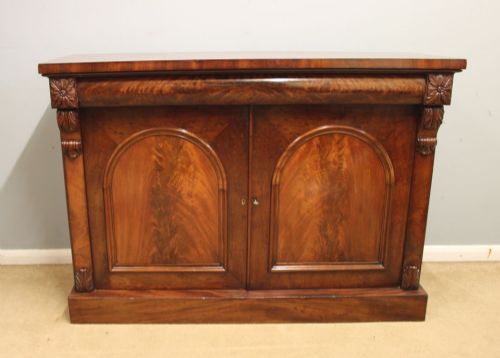
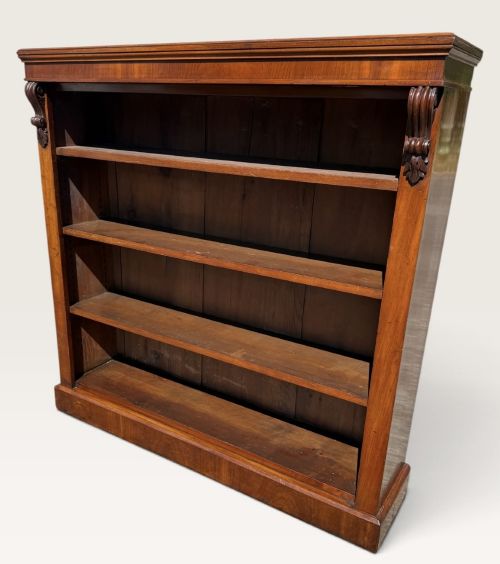
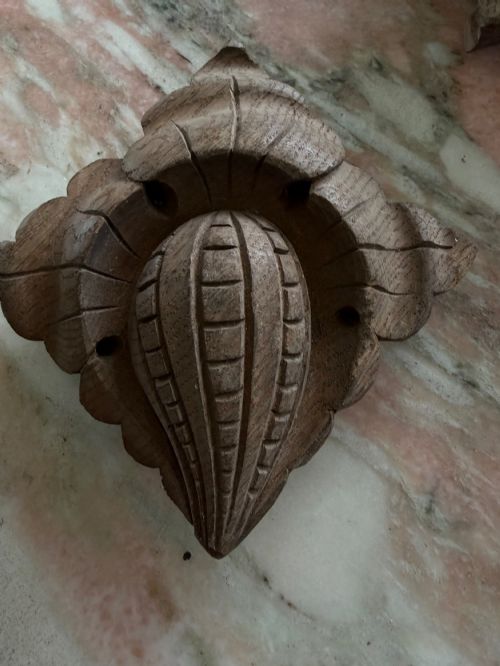
The selection includes architectural fragments such as ceiling boss panels, carved capitals, lion heads, and cherub wall brackets alongside functional wall shelves. Many pieces originate from domestic settings like sideboards, bookcases, and cupboards, while others function as standalone architectural decoration.
Origins span British and European workshops, featuring Italian Rococo, Baroque Revival, and French painted designs alongside Traditional Indian and Burmese architectural woodwork. These items serve as decorative wall brackets or display shelves in contemporary interiors.
Materials and construction
Makers shaped these architectural elements primarily from dense hardwoods like oak, mahogany, and walnut using hand chisels and gouges. Carved wood surfaces frequently received supplementary finishes such as gesso, paint, or gold leaf to highlight intricate relief work.
Several examples incorporate applied brass elements or function as components pulled from larger furniture pieces like sideboards and cabinets. Master carvers executed complex motifs including animal heads, human figures, and floral capitals entirely by hand.
A fierce Black Forest tiger head stares down from one nineteenth-century walnut carving, watching the room with glass-like intensity.
Distinctions in craftsmanship
The integrity of the original wood grain and the retention of early gilding or paint layers determine the authentic character of a bracket. Surviving pairs matched in size and carving show a higher level of original architectural commissioning.
The Vintage Wooden Corbel Glossary
- Corbel
- A structural piece of stone, wood, or metal projecting from a wall to carry a weight. In this collection, they function as decorative wall brackets and shelf supports.
- Capital
- The topmost member of a column or pilaster, often heavily carved with foliage or scrolls. These are salvaged from architectural settings.
- Gesso
- A plaster mixture applied to wood surfaces as a base for painting or gilding. It allows for crisp, detailed relief ornamentation.
- Ceiling Boss
- A decorative projecting block placed at the intersection of ribs in a ceiling. They feature intricate circular wood carvings.
Vintage Wooden Corbel: Frequently Asked Questions
How do I hang a heavy wooden corbel?
Most substantial brackets require heavy-duty concealed steel fixings secured directly into wall studs or masonry. Professional installation ensures the timber safely bears the intended weight.
Lighter decorative pieces often utilise standard keyhole brackets or picture-hanging wire attached to the flat rear surface.
Are these corbels structural or purely decorative?
Many items began as weight-bearing architectural elements, such as large oak corbels or capitals salvaged from historic buildings. Others functioned as decorative shelf supports beneath furniture components like sideboards and bookcases.
When reinstalled in modern interiors, their load capacity depends entirely on the mounting method and the solidity of the timber.
How do I date an antique wooden bracket?
Dating relies on identifying the underlying timber species, tool marks left by the carver, and stylistic markers such as Baroque or Rococo scrolls. Eighteenth-century examples typically show hand-pits and denser, older-growth hardwoods.
Victorian and later nineteenth-century items often exhibit different joinery techniques and characteristic surface patination associated with later revival styles.
Can I use a corbel as a shelf?
Pairs of matching brackets easily support a custom wooden board to create a functional display mantel or bookshelf. The flat top surface of each bracket is designed to accommodate a resting shelf.
Single brackets work well as standalone display ledges for small objects, clocks, or trailing plants.