
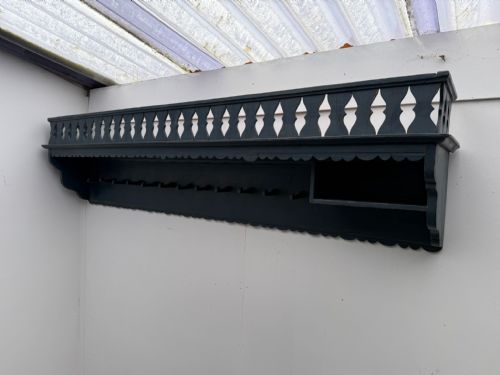
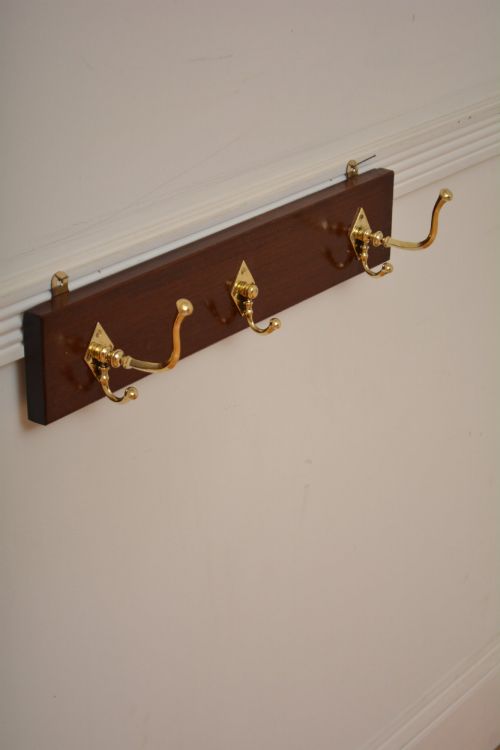
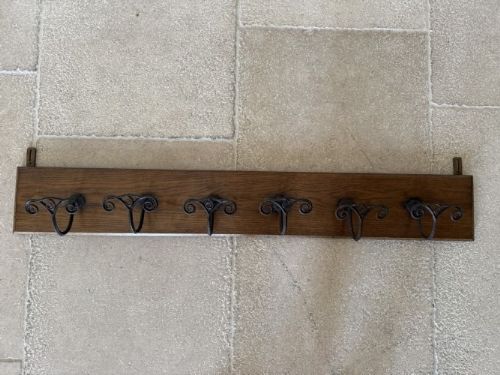


Vintage Wooden Coat Rail
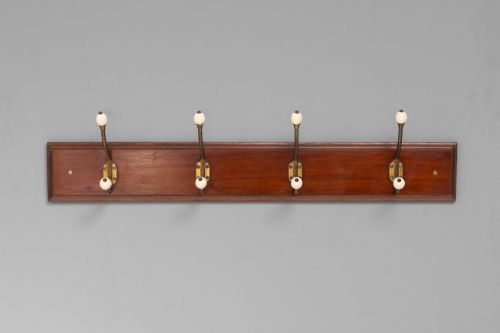
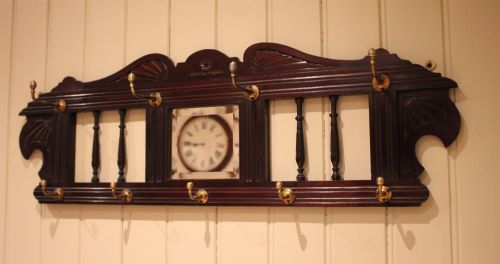
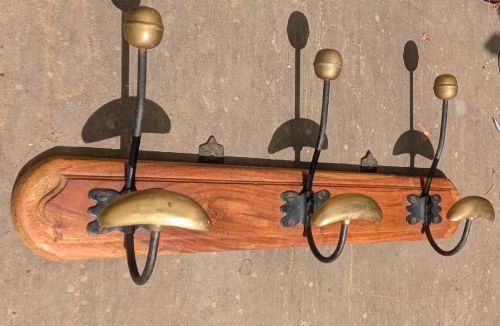
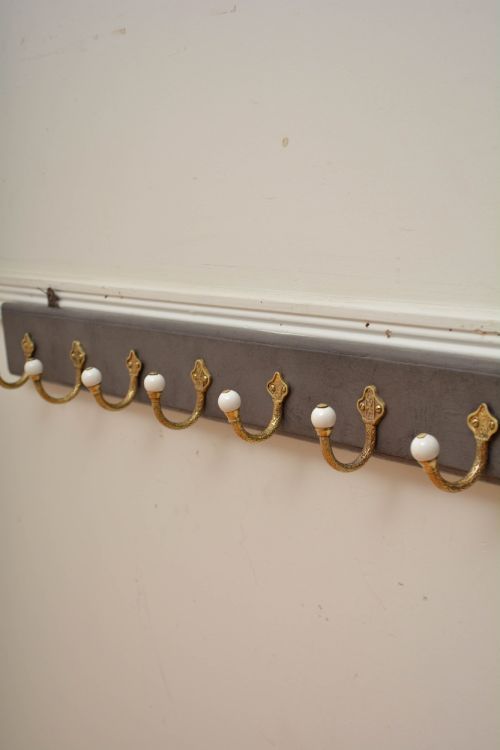
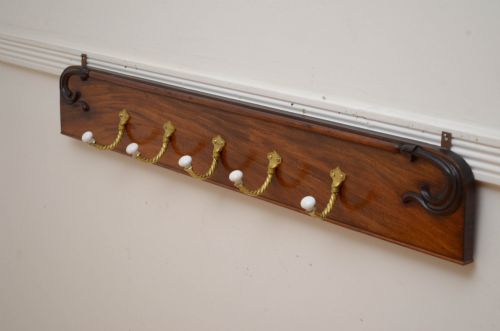
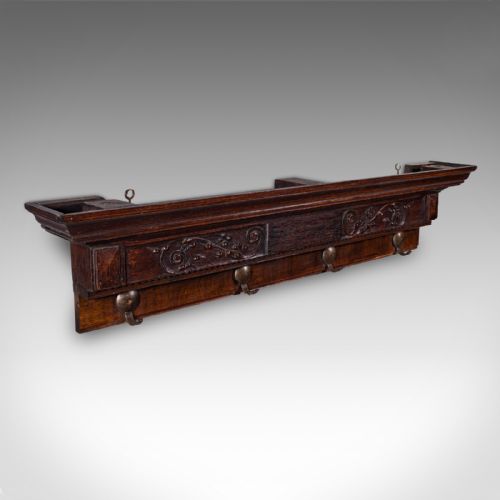
These vintage wooden coat rail examples combine practical hallway storage with period character, offering solid boards and robust hooks.
Vintage Wooden Coat Rail
A vintage wooden coat rail provides wall-mounted hanging space for garments and hats using traditional timber backboards fitted with metal or ceramic hooks. These pieces originate from various periods including the Victorian and Edwardian eras, alongside earlier Georgian and 18th-century examples.
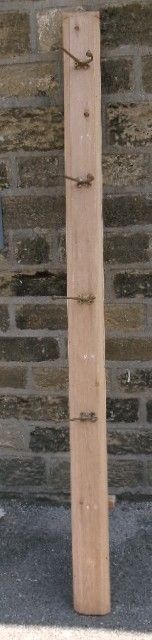
The selections available here range from simple pine backboards with brass hooks to mahogany and oak rails featuring twisted rope details or hand-painted finishes. Buyers frequently encounter wall-mounted formats designed for cloakrooms, reception halls, and entranceways.
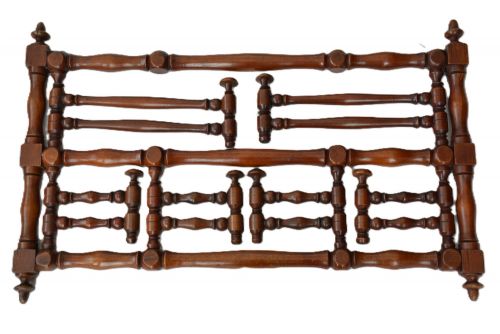
Alternative forms span from French and Hungarian country designs to Aesthetic Movement and Art Deco wrought iron variants. Larger hall stands and freestanding clothes horses also appear alongside standard wall-mounted coat racks.
How they were made
Makers utilised solid timbers such as pine, mahogany, oak, elm, and lacquered wood to construct the backboards and support structures. These wooden mounts were often shaped by hand, painted, or polished to display the natural grain.
Hardware components combine brass, cast brass, wrought iron, and iron hooks, occasionally paired with ceramic elements for decorative effect. Fasteners and hooks were secured directly to the timber backboard to withstand daily weight.
Listings feature woods spanning pine, mahogany, oak, elm, and lacquered timber alongside brass, iron, and ceramic hardware.
What varies in quality
Construction methods determine the structural integrity, with superior examples featuring deeply dovetailed or solid timber backboards that safely distribute weight across the wall fixings. Lesser pieces may display replacement hooks or less durable secondary woods.
The standard of hardware and ornamentation distinguishes individual pieces, seen in the casting quality of double brass hooks and the presence of hand-carved details or painted surfaces. Original ceramic inserts and matched hook sets elevate the overall integrity of the rail.
The Vintage Wooden Coat Rail Glossary
- Backboard
- The horizontal length of timber that supports the mounted hooks and fixes directly to the wall. This wooden foundation defines the overall length and period style of the rail.
- Cloakroom
- A small entrance or reception space traditionally used for hanging outdoor garments and hats. Pieces designed for this environment typically feature compact dimensions and robust multiple hooks.
- Hall Stand
- A larger furniture form incorporating coat hooks, hat storage, and frequently umbrella holders or mirrors. These freestanding or wall-anchored units served grand nineteenth-century entrance halls.
- Aesthetic Movement
- A late nineteenth-century design style focusing on visual beauty and artistic craftsmanship rather than narrative function. Pieces from this movement often combine polished mahogany with refined brass hardware.
Vintage Wooden Coat Rail: Frequently Asked Questions
How do I mount a coat rail?
Wall-mounted vintage rails require secure fixings into wall studs or appropriate masonry anchors to support heavy coats safely. Most pieces feature pre-drilled screw holes through the wooden backboard for this purpose.
Ensuring the weight is distributed evenly across multiple fixing points prevents the timber from warping or pulling away from the plaster under load.
What woods were commonly used?
Makers utilised native and imported hardwoods and softwoods depending on the period and regional style. Pine and oak appear frequently in country and utilitarian pieces, while mahogany and elm feature in more formal nineteenth-century examples.
Surface finishes range from natural polished grains and lacquered coatings to traditional hand-painted treatments found on regional European pieces.
How do I date a coat rail?
Dating relies on examining the timber preparation, the style of the backboard, and the manufacturing technique of the metal hooks. Victorian and Edwardian examples often feature cast brass double hooks screwed to moulded pine or mahogany planks.
Earlier pieces from the eighteenth century or Georgian era show hand-tooled timber edges and forged ironwork, while later Art Deco designs incorporate wrought iron frameworks.
Can these hold heavy winter coats?
Solid timber backboards combined with properly secured metal hooks provide strong support for heavy garments and cloaks. The original intended use was for daily outerwear in busy Victorian and Edwardian reception halls.
Checking the stability of the hook attachments and the timber surrounding the screw holes ensures the rail can safely bear the intended weight.