


Vintage Wooden Childs Seating
These vintage wooden childs seating pieces offer robust historical charm, bringing miniature scale and traditional craftsmanship into modern spaces.
Vintage Wooden Childs Seating
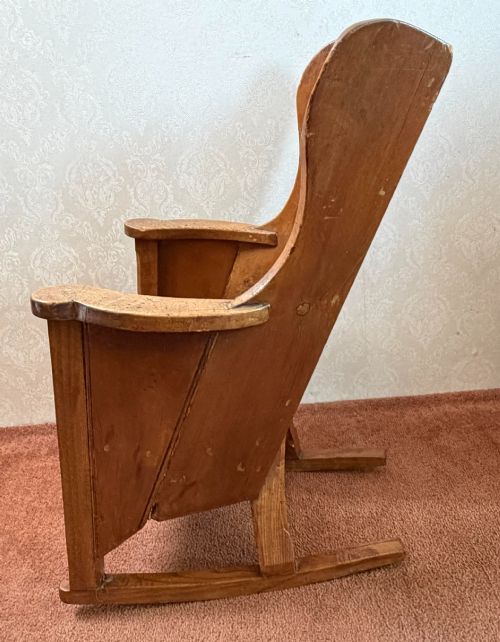
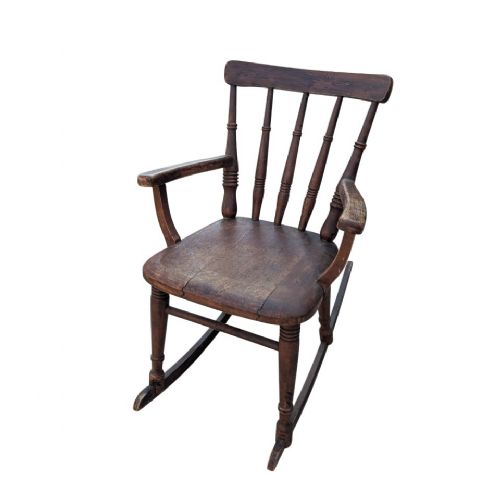
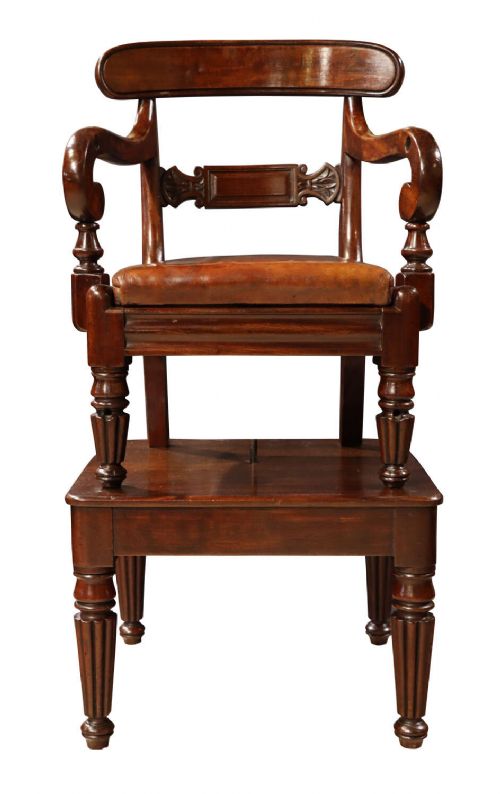
Vintage wooden childs seating encompasses miniature functional furniture designed for young occupants across past centuries. Buyers encounter forms ranging from low armchairs and rocking chairs to high chairs and potty chairs.
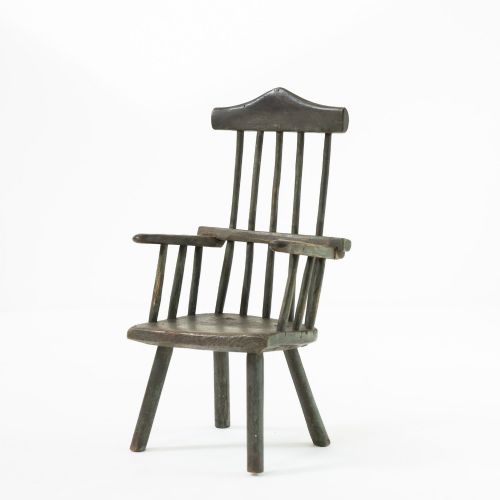
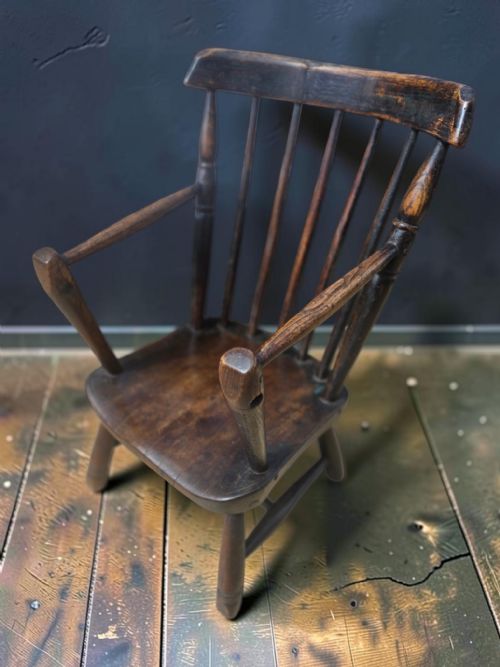
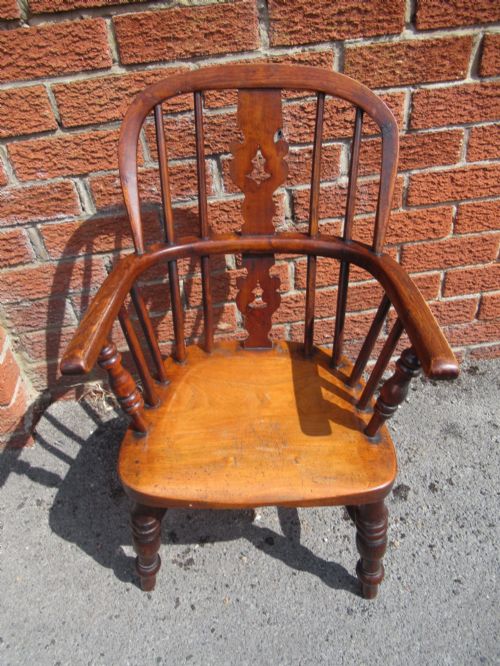
The selection on this page relies heavily on nineteenth century examples alongside Georgian and Victorian pieces. Traditional country vernacular styles and Windsor designs dominate the available inventory.
Makers produced these smaller seats using solid timbers intended to withstand everyday nursery use. Surviving examples demonstrate how domestic furniture adapted to accommodate children in earlier eras.
How they were made
Craftsmen built vintage wooden childs seating using a variety of native and imported hardwoods including mahogany, elm, oak, beech, ash, and yew wood. Many provincial pieces combined different timbers for structural strength, pairing elm seats with ash or beech spindles.
Joinery methods varied from rustic stick-back and Windsor construction to formal mahogany framing with turned components. Workshops also incorporated flexible seating materials like cane, rush, and leather into the wooden frames.
Some miniature chairs included built-in potties, proving that nineteenth century toddlers conducted their royal court business seated.
What varies in quality
Quality in vintage wooden childs seating rests upon the proportion and integrity of the miniature design relative to adult furniture of the same period. Superior examples maintain crisp architectural details or elegant spindle turnings without appearing clumsy.
The choice of primary timber and secondary framing woods dictates the structural refinement of each piece. Finer specimens utilise dense mahogany or figured walnut, whereas country vernacular pieces rely on robust elm, ash, and oak.
The Vintage Wooden Childs Seating Glossary
- Windsor
- A chair style featuring a solid wooden seat into which the legs and back spindles are directly joined. These sturdy designs appear frequently among early child seating.
- High chair
- An elevated seat designed to allow a child to reach table height, sometimes incorporating metamorphic mechanics to convert into a low chair. Such pieces demonstrate ingenious domestic engineering.
- Stick back
- A chair construction method where turned wooden rods form the backrest. This method provides lightweight rigidity.
- Potty chair
- A specialised enclosed chair featuring a cut-out seat to accommodate a chamber pot. Georgian examples often conceal this function beneath a hinged lid.
Vintage Wooden Childs Seating: Frequently Asked Questions
How were high chairs used?
These elevated seats allowed small children to sit securely at family dining tables during meals. Metamorphic versions could also transform into low chairs or play tables.
Such functional adaptability made them essential items in nineteenth century and Georgian households.
Are these seats safe for children?
Most antique miniature chairs are sold as decorative collectors items or display pieces rather than modern nursery furniture. Their historical construction standards do not meet current safety regulations.
Collectors generally preserve them for interior styling and historical appreciation.
How do I date a child chair?
Dating relies on examining the timber species, joinery techniques, and prevailing stylistic traits of the period. Georgian and Victorian examples often display specific turning patterns and hardware.
Comparing the scale and construction to adult furniture helps confirm the era.
What woods were used most?
Workshop makers utilised a wide selection of hardwoods depending on regional availability and desired formality. Mahogany and walnut appeared in refined urban workshops, while elm, oak, ash, and beech dominated country vernacular production.
Combinations of multiple timber types often occur in regional Windsor and stick-back chairs.